
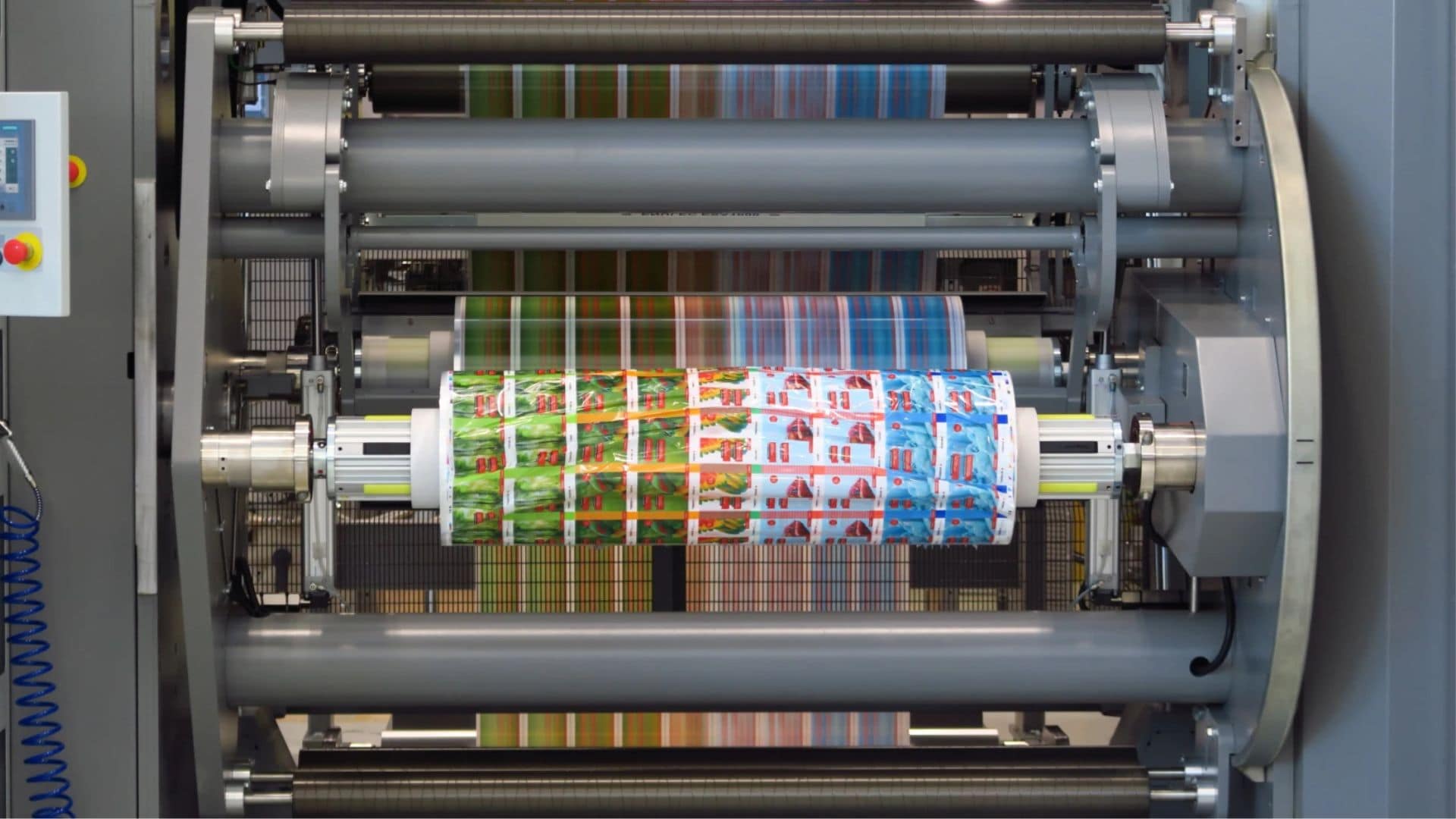
Gravure printing is a high-volume printing process that works like a reverse stamp. Instead of raised surfaces carrying ink, tiny cells are carved into a metal cylinder. These cells hold the ink. Then the cylinder rolls across paper, plastic, or other materials. The result? Prints that are both beautiful and consistent, even when you’re making millions of copies.
Key Takeaways for What is Gravure Printing
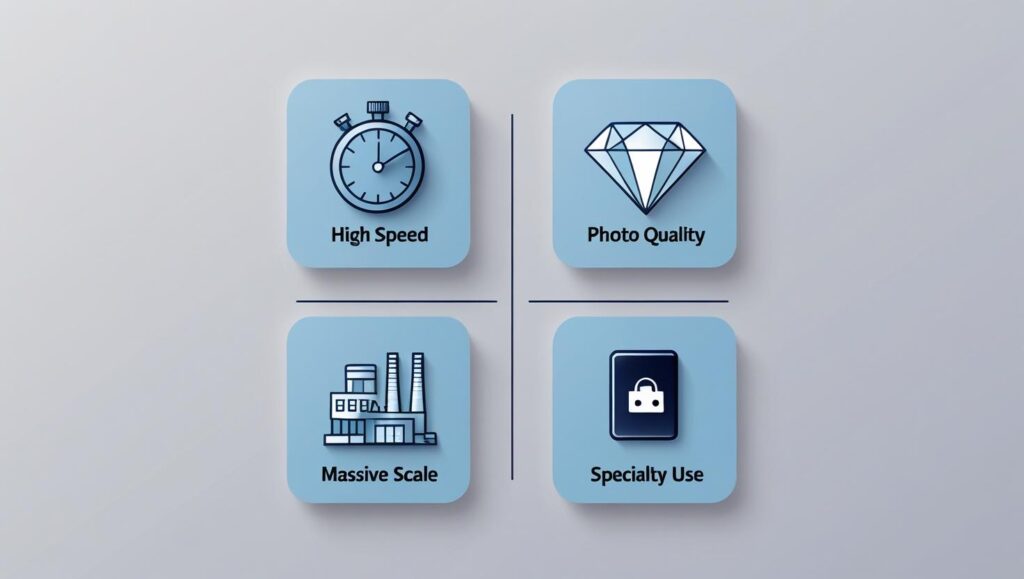
- Gravure excels in high-volume, high-quality printing for packaging and publications. This is driven by its consistent ink transfer and durability. When you need millions of units that all look identical, gravure delivers.
- Technological advancements in digital engraving and sustainable inks address historical environmental and cost challenges. The industry is getting cleaner and more efficient every year.
- Its role in specialty applications like security printing and barrier packaging remains irreplaceable. The precision and durability simply can’t be matched by other methods.
Core Principles and Mechanism for Gravure Printing
Let’s get under the hood. Gravure printing belongs to a family called intaglio printing. That’s a fancy word that simply means “the ink sits below the surface.” Think of it like carving words into stone, except we’re carving tiny pockets into metal cylinders.
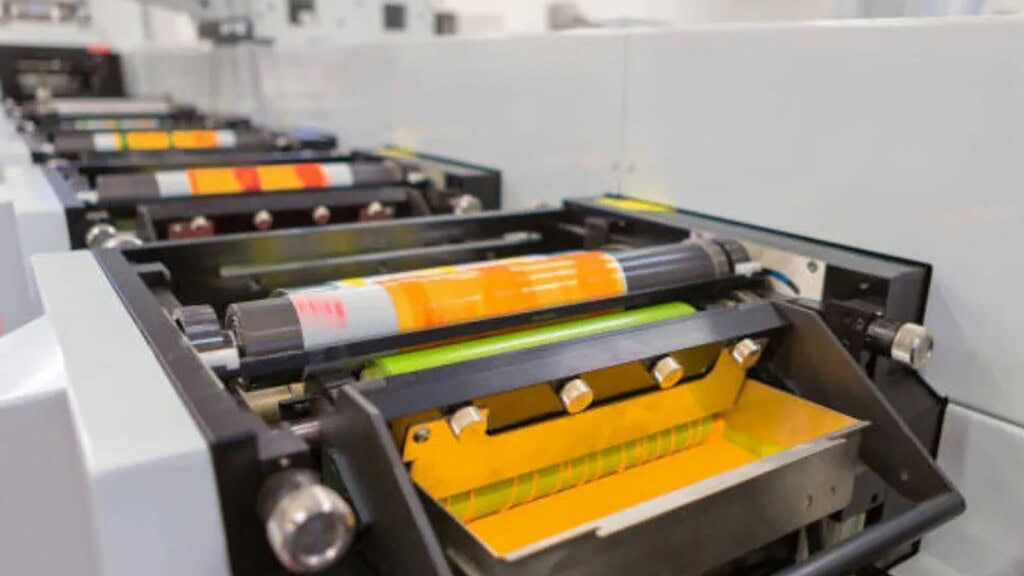
What is Gravure Printing Key Components
Think of gravure printing as a team sport. Each component has a specific job. And when they work together, they deliver the visual quality and production consistency your brand needs.
The engraved cylinder is the star player. It holds ink in those tiny recessed cells we talked about. The precision of these cells determines everything about your print quality. Deeper cells mean more ink and richer colors. Shallower cells create lighter tones. Get this right, and your colors will look exactly the same on copy number one and copy number one million.
The doctor blade is your quality control specialist. It removes excess ink from the cylinder’s surface with surgical precision. Too much pressure and it scrapes ink from the cells. Too little and you get smudged prints. When it’s adjusted perfectly, you get clean, sharp images every time.
The impression roller applies just the right amount of pressure to transfer ink to your packaging material. Think of it like a firm handshake – strong enough to get the job done, but not so strong that it damages anything.
Finally, the ink drying system cures the ink the moment it hits your material. It might use hot air, infrared light, or UV light. The choice depends on your material and your speed requirements. But the goal is always the same: lock in those colors so they stay bright and don’t smudge.
What is Gravure Printing Printing Process Stages
Now let’s walk through what actually happens when your packaging goes from design to finished product. Understanding these stages helps you plan better. It also shows you where delays might happen.
- Prepress & Cylinder Preparation
Artwork Conversion:Your design gets broken down into separate colors. Usually CMYK. Sometimes spot colors if your brand needs exact matches. Screens get applied based on your quality needs. Higher quality takes longer but looks better. Cylinder Engraving:
There are two methods. Laser engraving is faster for shorter runs. Electrochemical engraving works better for long runs. Your printer will recommend the right choice based on your volume. - Press Setup
Cylinders get mounted and tension gets adjusted for your material. Film, paper, and foil all need different settings. Doctor blades get calibrated to control ink flow. Get these steps wrong and you waste material. - Printing Operation
Here’s where speed matters for your timeline.Your material feeds through multiple printing units. One for each color. Registration marks keep colors aligned. High-speed drying up to 1,000 meters per minute means no waiting between steps.This speed is why gravure works so well for big orders. Once it’s running, it’s fast. - Post-Press Finishing
Slitting and rewinding cuts rolls to your specifications. Lamination adds protective layers if needed. Die-cutting creates custom shapes.
What Inks and Substrates does Gravure Printing Use
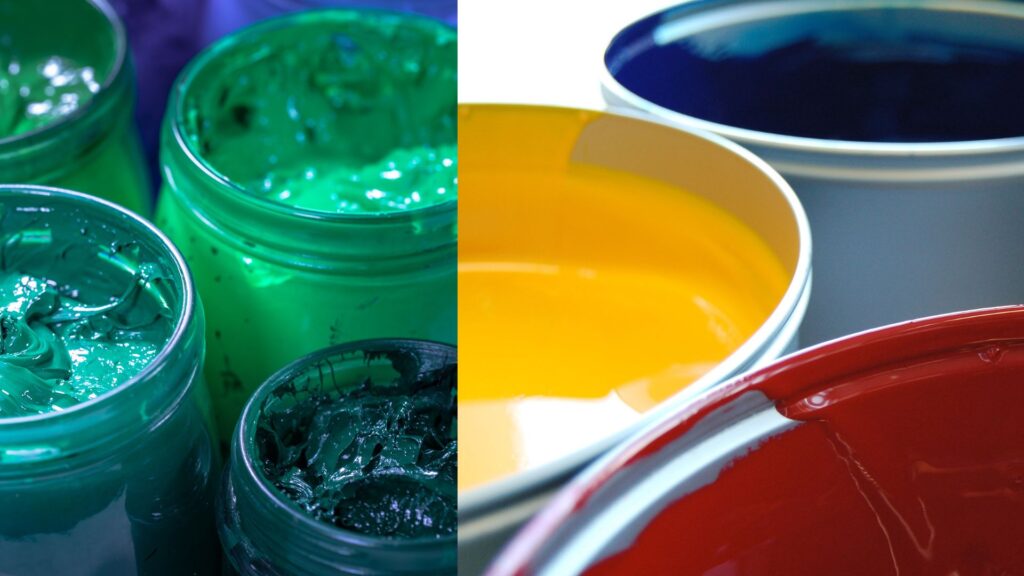
Choosing the right ink and material combination can make or break your project. It affects everything from print quality to environmental impact. Let’s break down your options.
- Solvent-based inks pack the most punch for color intensity. They have a high pigment load that creates those rich, vibrant colors you see on premium packaging. They also dry fast, which makes them perfect for plastic films. The downside? They’re not the most eco-friendly option.
- Water-based inks are the green choice. They produce much lower VOC emissions than solvent inks. They work great on paper and corrugated cardboard. Colors might not be as intense as solvent inks. But they’re getting better every year. Plus, more brands are choosing them for sustainability reasons.
- UV-curable inks offer something unique. They cure instantly under UV light. No heat needed. This makes them perfect for heat-sensitive substrates like thin films that might melt or warp with traditional drying. They’re also very durable once cured.
- Porous materials like paper, cardboard, tissue, and non-woven fabrics absorb ink naturally. This gives you good adhesion. But it can also make colors look less vibrant. Water-based inks work well here.
- on-porous materials are trickier but offer more possibilities. Plastic films like PET and BOPP create brilliant colors. Aluminum foil and metalized films add that premium look. Laminates combine different materials for specific properties. These materials need inks that bond well without absorption.s
- Specialty materials serve specific functions. Multi-layer barrier materials protect food from oxygen and moisture. They keep products fresh longer. But they’re more complex to print on and cost more.
what material or ink is best for your project? Contact our [Materials & Inks Consultation Team].
What is Gravure Printing Advantages and Limitations
Every printing method has trade-offs. Gravure printing is no different. Understanding both sides helps you make the right choice for your project.
What is Gravure Printing Key Advantages
- Exceptional print quality is gravure’s biggest selling point. It delivers consistent dot reproduction from 1 to 99% ink coverage. That means smooth gradients and photo-realistic graphics. Your product photos will look as good on the package as they do on your screen.
- High speed and efficiency make gravure perfect for big orders. Presses run up to 2,000 feet per minute. That’s fast enough to produce millions of units efficiently. Think beverage labels or snack packaging. Once the press is running, it’s incredibly productive.
- Cost-effectiveness at scale is where gravure really shines. The per-unit cost drops dramatically with large volumes. Durable cylinders last for 10+ million impressions. So if you’re doing repeat orders, you’re spreading that upfront cost across a lot of units.
- Design flexibility gives you creative freedom. Fine lines print cleanly. Gradients look smooth. High-resolution images up to 300 dpi reproduce beautifully. Complex graphics that other printing methods struggle with? Gravure handles them easily.
What is Gravure Printing Limitations
- High initial costs are the biggest barrier. Cylinder engraving and press setup are expensive. This makes gravure unsuitable for short runs under 100,000 units. If you’re testing a new design or doing a limited edition, other printing methods might be smarter.
- Long lead times can hurt your timeline. Cylinder production takes 1 to 2 weeks. That’s before printing even starts. If you’re in a rush, this delay might kill your launch schedule.
- Environmental concerns are real with traditional gravure. Solvent-based inks release VOCs into the air. This requires specialized ventilation and waste treatment. It also means higher operating costs and regulatory compliance issues.
- Rigidity in design changes can be frustrating. Want to update your graphics? You need new cylinders. This limits flexibility for version updates or seasonal changes. Other printing methods let you make changes more easily.
Not sure if your order size justifies gravure? Get a [Cost-Benefit Analysis] from our team.
Let’s Be Honest: What is Gravure Printing Not Good At
We will always be honest with you. Gravure printing is best for huge, stable orders. Often 500,000 to 1 million units minimum. And long product lifecycles. For startups or small brands, the cylinder cost and MOQ are prohibitive.
If you’re pursuing gravure, it’s usually for its unmatched, photo-quality print and premium look. We understand this need. That’s why, with our broad manufacturing capabilities, we offer alternatives. These deliver gravure-like results at a fraction of the cost and quantity.
High-definition digital printing has no plate fees. Very low MOQs. And color fidelity approaching gravure. It’s ideal for high-end startups.
Offset printing with post-press enhancements delivers beautiful print at lower cost. We can add spot UV, hot stamping, soft-touch lamination, or other finishes. These create a tactile, layered premium effect. Sometimes even richer than gravure alone.
We are also your future scale-up partner. We don’t just solve today’s needs. We’ll help you start with digital or offset. Then, as your brand grows to millions of units, seamlessly upgrade to gravure. Fully in-house. With no supplier switch risk. At that point, investing in cylinders becomes a smart, strategic move to lower your unit costs.
Our Quality Assurance: How We Guarantee a Flawless Print
Your brand deserves perfection on every single package. That’s why we don’t just fix problems—we prevent them from ever happening. Here’s a look at our proactive quality control system that ensures your packaging is always flawless.
Pristine Finish & Sharp Graphics For Gravure Printing
- The Challenge: In gravure, microscopic dust or worn parts can cause faint lines or smudges.
- Our Proactive Solution: We guarantee a clean, sharp print by constantly filtering our inks, performing daily maintenance on our doctor blades, and optimizing our ink formulas. This ensures your graphics are always crisp and your finish is absolutely pristine.
Absolute Color Consistency
- The Challenge: Maintaining the exact same brand color across millions of copies can be difficult.
- Our Proactive Solution: We lock in your brand color with a computerized system that continuously monitors ink viscosity and concentration. Cylinders are regularly calibrated to ensure the first print and the millionth print are identical. This is our color accuracy guarantee.
Smooth & Even Ink Coverage
- The Challenge: Improper ink flow can create subtle, wavy patterns (“water marks”) on the final print.
- Our Proactive Solution: We eliminate this risk by precisely calibrating printing speed, blade angles, and ink viscosity for your specific material. The result is a perfectly smooth, uniform, and premium finish every time.
Maximum Durability & Adhesion
- The Challenge: Ink must bond perfectly to the packaging material to prevent peeling or scuffing during shipping and handling.
- Our Proactive Solution: Before every run, we test the surface energy of your chosen material and adjust our ink additives accordingly. Combined with a perfectly controlled drying process, this ensures the ink permanently bonds to the package, creating a durable and professional product that lasts.
What is Gravure Printing Applications and Industry Use Cases
Packaging Sector
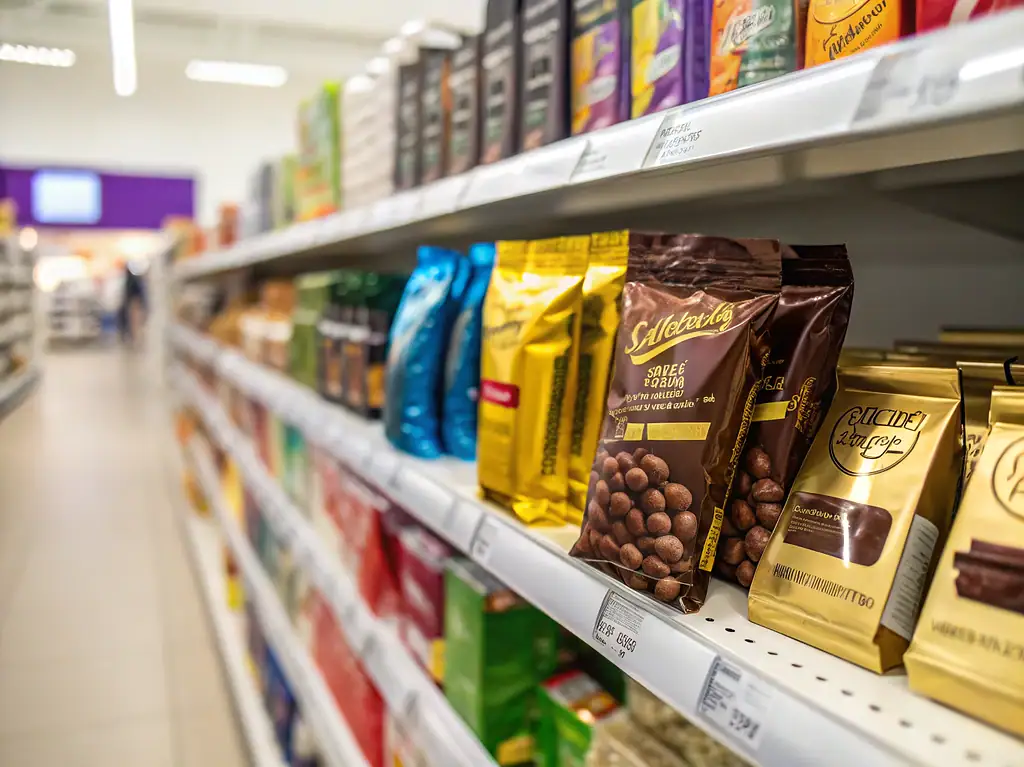
Flexible packaging is gravure’s sweet spot. Those crispy snack bags that catch your eye in the store? Gravure printing. Stand-up pouches for coffee or pet food? Same technology. Liquid cartons like juice boxes rely on gravure for those vibrant graphics that make kids reach for specific brands.
Labels are another major application. Wine labels with intricate designs and rich colors. Cosmetic tubes that need to look premium on the shelf. Pharmaceutical packaging where high-resolution logos and text must be crystal clear for safety and brand recognition.
Publication & Media
Magazines and catalogs rely on gravure for those high-gloss pages with photo-quality images. Think fashion spreads where every detail matters. The smooth gradients and rich colors you see? That’s gravure at work.
Best Practices and Considerations for Gravure Printing
Getting the most out of gravure printing means planning ahead. Here are the key things that make the difference between good results and great ones.
Design Tips
- Use vector files for scalability. They scale perfectly without losing quality. This gives your printer flexibility during setup. And ensures crisp edges at any size.
- Avoid fine lines below 1 point. They create a risk of ink bridging where adjacent lines connect. This makes your text look blurry or unreadable. When in doubt, go slightly thicker.
- Account for cylinder circumference in repeat patterns. If you’re designing packaging wraps, the pattern needs to match up perfectly. Your printer can help calculate the exact repeat distance. But it’s easier to plan for this upfront.
What is Gravure Printing Sustainability Strategies
- Opt for water-based inks when your substrate allows it. They reduce VOC emissions significantly. More brands are requiring this for environmental compliance. And consumers increasingly prefer eco-friendly packaging.
- Consider chrome-free cylinder plating like ceramic coatings. They’re more environmentally friendly than traditional chrome plating. They also last just as long and print just as well.
- Recycle or refurbish cylinders whenever possible. Re-engraving existing cylinders reduces material waste. It’s also cheaper than making new ones. Perfect for design updates or seasonal variations.
Understanding the power of Gravure is key for mass-market brands. To see where it fits among your other options, return to our full comparison guide.
Conclusion
After diving deep into gravure printing, let’s wrap up what really matters for your packaging decisions.
Final Recommendations
- Large runs: Choose gravure for cost efficiency and print quality. Think annual beverage label orders or established product lines. The economics make perfect sense here.
- Short runs and variability: Prefer flexo or digital printing to avoid high setup costs. Don’t get trapped by gravure’s minimums when you’re testing or doing limited editions.
- Environmental projects: Collaborate with suppliers using water-based inks and recycled substrates. The technology exists to print responsibly without sacrificing quality.
We are your packaging technology partner, not just a vendor. We will always recommend the most cost-effective, risk-free process for your stage. And help you scale up seamlessly as your business grows. This ensures you never fall into the costly trap of misapplied technology.
Ready for a tailored gravure print consultation or a sample kit? Contact our team today and make your next packaging project a flawless success.
Frequently Asked Questions (FAQ)
Q1: Is gravure printing suitable for my packaging needs?
Gravure is best for extremely large runs (typically 100,000+ units) and delivers world-class print quality for photo-realistic images and fine details. For smaller orders, flexo or digital printing is often more economical.
Q2: What is the minimum order quantity, and why is gravure not recommended for short runs?
Due to the high cost of cylinder engraving and setup, gravure only becomes cost-effective at high volumes. For short runs, the per-unit cost is much higher than flexo or digital.
Q3: Can you achieve special effects (e.g., metallics, gradients, gloss/matte finishes)?
Yes, gravure excels at metallic inks, high-gloss or matte areas, fine gradients, and complex patterns—ideal for premium packaging.
Q4: Are there eco-friendly options?
We offer water-based inks and recyclable films. Please let us know your sustainability requirements and we’ll recommend the best solutions.
Q5: What files do I need to provide?
Vector files (.ai, .pdf, .eps) are recommended. Our team will guide you through design adjustments for gravure.
Q6: What is the typical lead time for gravure printing?
New projects (including cylinder engraving and proofing) usually require 2–3 weeks. Repeat orders are faster.
The Unrivaled Status of Gravure: The Pinnacle of Quality and Scale
Gravure printing sits at the top of the print quality pyramid, engineered for ultra-large-scale production where perfection and consistency are non-negotiable. Understanding its distinctions from other high-volume methods is key to making the right strategic investment.
- vs. Flexo Printing: [Explore why gravure is superior for achieving photo-realistic imagery and absolute color consistency, making it the choice for top global brands.]
- vs. Offset Printing: [Learn about gravure’s exceptional performance on flexible films and foils, and see how offset provides a more cost-effective alternative for paper-based packaging.]
- vs. Digital Printing: [Discover gravure’s unbeatable per-unit cost on multi-million unit orders, and see how we map out a growth path for brands to scale from digital to gravure.]
 English
  العربية
  Deutsch (Sie)
  Español
  Français
  日本語
日本語  한국어
한국어  Italiano