
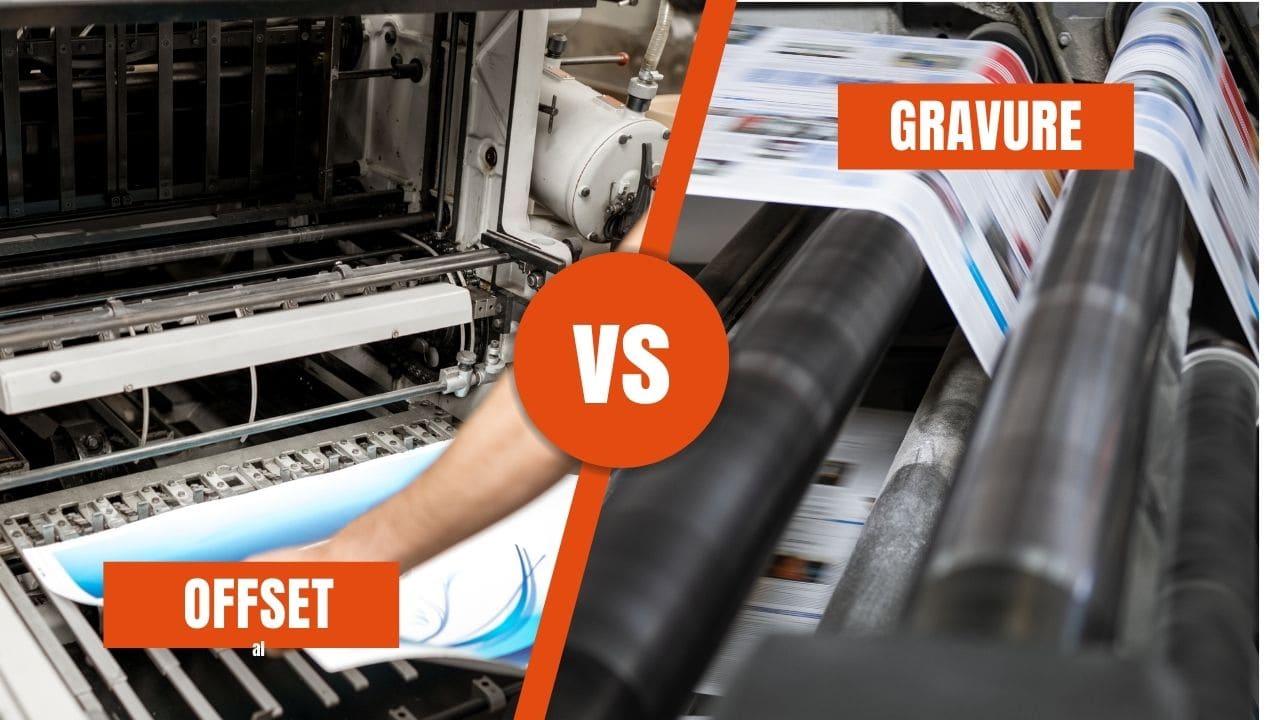
Introduction of Gravure Printing vs Offset Printing
Choosing between gravure printing and offset printing affects your packaging costs, quality, and production timeline. Both technologies serve large-scale packaging production but differ significantly in setup costs, print quality, and material compatibility.
Industry Relevance
Both technologies handle large-scale packaging production effectively. Your choice depends on volume requirements, budget constraints, and quality expectations. Gravure excels at massive runs with photo-realistic images. Offset provides excellent quality for most packaging needs at lower setup costs.
Understanding these differences helps you avoid costly mistakes and choose the right technology for your specific packaging project..
Quick Decision Matrix: Gravure Printing vs. Offset Printing
| If Your Core Goal is… | …And Your Project Situation is… | Your Best Choice is |
|---|---|---|
| Achieve the highest print quality and photo realism | You need magazine-grade images and perfect color consistency on millions of flexible packages (e.g., snack bags, pouches, foils) | Gravure Printing |
| Create high-end, premium paper packaging | Your packaging is rigid boxes, cartons, or luxury paper labels (e.g., cosmetics, electronics) requiring crisp text and refined colors | Offset Printing |
| Control upfront costs and keep design flexible | Your run is 5,000–500,000 units and you may need seasonal updates or new versions without huge setup costs | Offset Printing |
| Lowest unit cost for ultra-large and fixed runs | Your design is 100% finalized and you print millions of identical flexible packages | Gravure Printing |
| Adapt to frequent design changes or market feedback | You require short lead times, fast design iterations, or frequent promotional packaging updates | Offset Printing |
| Specialize in films, foils, or barrier flexible packaging | Your product needs advanced packaging materials for food, beverage, and barrier properties at scale | Gravure Printing |
| Add luxury finishes (foil, embossing, spot UV) | You want to enhance your paper packaging with special effects to boost shelf appeal | Offset Printing |
| Choose the most sustainable solution | You prioritize eco-friendly inks and recyclable substrates for premium packaging | Offset Printing |
Gravure Printing vs Offset Printing: Comprehensive Comparison
Gravure Printing
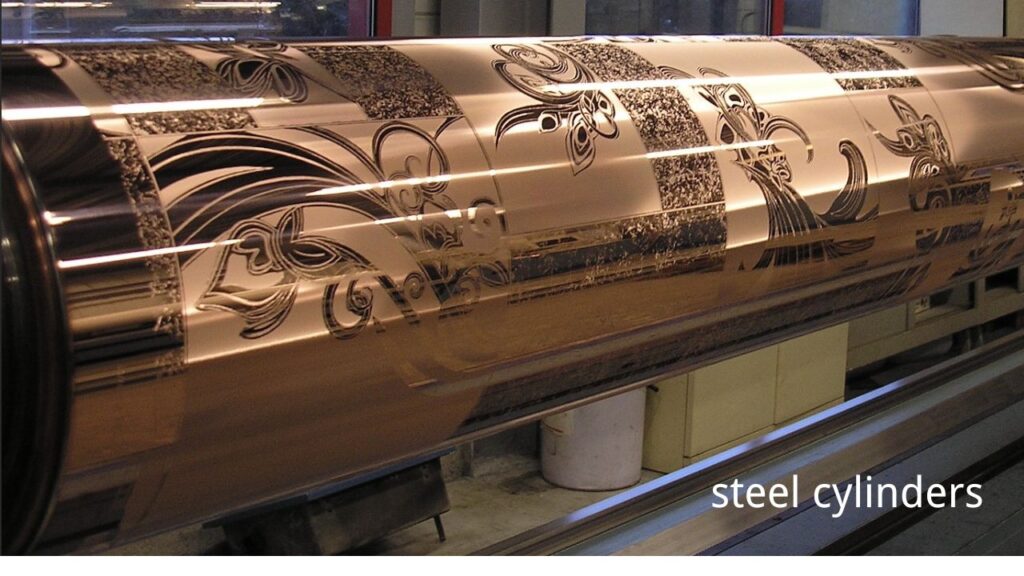
Core Process:
Engraved copper or steel cylinders hold ink in tiny recessed cells of varying depths. Doctor blades scrape away excess ink from the cylinder surface, leaving ink only in the cells. Your packaging material gets pressed against the cylinder, transferring ink directly from the cells. Immediate drying happens through heat or UV systems.
Key Components:
Engraved cylinder creates the image, doctor blade controls ink amounts, impression roller applies pressure, and drying system sets the ink instantly.
For more about gravure printing click here for ultimate guide for gravure printing.
Offset Printing
Core Process:
Images on aluminum plates transfer ink to a rubber blanket, then the blanket transfers ink to your packaging material. Uses water-and-ink repulsion principles where image areas attract ink while non-image areas repel it. Works best on flat, absorbent surfaces like paper and cardboard.
Key Components:
Aluminum plates hold the image, rubber blanket transfers ink smoothly, ink fountain controls ink flow, and impression cylinder applies consistent pressure.
The main difference is directness. Gravure prints directly from cylinder to material. Offset uses an intermediate rubber blanket for smoother, more consistent results on paper-based packaging.
For more about offset printing click here for ultimate guide for offset printing.
Side-by-Side Comparison
| Aspect | Gravure Printing | Offset Printing |
|---|---|---|
| Plate Material | Rigid metal cylinder (copper/steel). | Flexible aluminum plates. |
| Ink Transfer | Direct from engraved cells (intaglio). | Indirect (plate → blanket → substrate). |
| Ink Types | Solvent-based, UV-curable (high pigment load). | Oil-based, soy-based, UV-curable. |
| Substrate Requirement | Thin films, laminates, non-porous materials. | Flat, absorbent paper/cardstock. |
| Setup Complexity | High (cylinder engraving, long calibration). | Moderate (plate creation, press setup). |
Quality and Visual Impact: A Gravure vs Offset Analysis
Understanding how each technology handles detail, color, and finishing options helps you choose the right process for your brand’s visual requirements.
1. Resolution and Detail: Photographic Realism vs. Refined Sharpness

Gravure:
Excels at photo-like gradients and sharp lines for mass-market flexible packaging. Creates smooth color transitions that look almost photographic. Perfect when your packaging needs realistic product images or complex graphics across millions of units.
Offset:
Delivers refined detail, vibrant color, and crisp image quality for high-end paper packaging and boxes. Produces sharp text and clean graphics that give your brand a premium appearance on shelves.
We are your “quality guardian” – let’s address your final concern: “Will offset feel ‘cheap’?” Consider real benchmarks like the Apple iPhone box or luxury skincare packaging from brands like La Mer or SK-II. All premium packaging that commands top prices uses offset printing.
2. Color Consistency: The Gold Standard vs. Reliable Excellence
Gravure:
Ultimate color consistency for massive runs. Your first unit matches your millionth unit perfectly. Ideal for global brands that need identical packaging across different production facilities and time periods.
Offset:
Outstanding color matching with reliable results for mid-to-large runs. Strict color management systems ensure your brand colors stay accurate throughout production. Perfect for maintaining brand standards without massive volume requirements.
3. Texture and Finish: The Power of Specialty Enhancements
Gravure:
Smooth, even ink coverage creates professional appearance. Subtle texture effects possible by varying cell depth in the cylinder. Creates consistent surface feel across your entire packaging run.
Offset:
Flat finish natively, but compatible with a full range of luxury enhancements. Add foil stamping, embossing, lamination, or spot UV for premium shelf appeal. These finishing options give your packaging the premium feel that attracts customers and justifies higher prices.
We’ll show you actual samples – boxes we’ve produced for leading brands using offset plus specialty finishes. You’ll see and touch the fine detail, rich color, and how added effects create that unmistakable high-end experience. Any “cheapness” worry vanishes when you realize offset isn’t the ‘economy’ fallback – it’s the industry’s proven path to luxury and success.
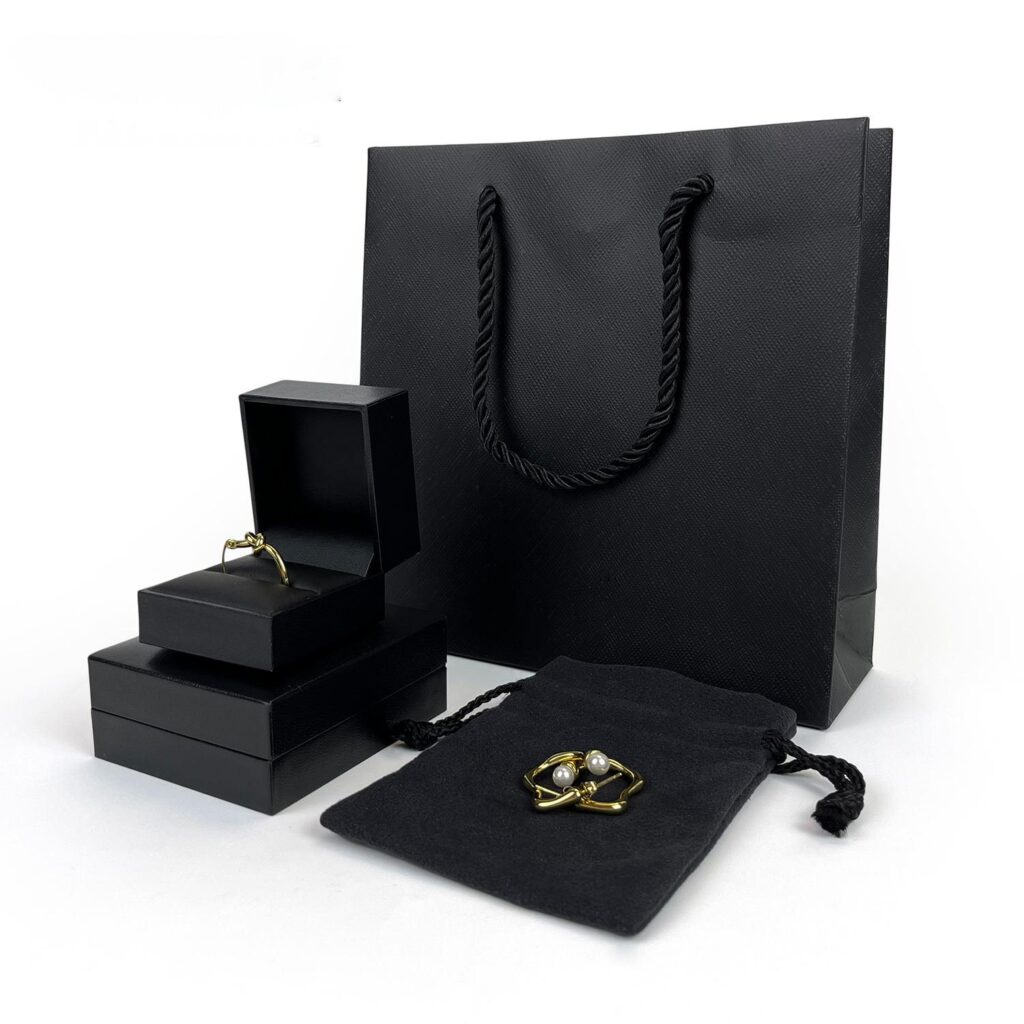
While quality determines how your packaging looks and feels, the financial investment required varies dramatically between these two printing methods.
The Financial Bottom Line: A Gravure vs. Offset Cost Analysis
Smart financial planning starts with understanding how setup costs, unit pricing, and volume requirements affect your packaging budget and profitability.
1. Setup Costs: The High Barrier vs. The Manageable Investment
Gravure:
Extremely high due to engraved cylinders. Only justified for millions of units since each cylinder costs thousands of dollars to create. Think of it as a massive upfront investment that only pays off with enormous volume.
Offset:
High but manageable setup costs. Plates are affordable for tens of thousands to hundreds of thousands of boxes. You can test new packaging designs without risking your entire budget.
2. Unit Costs: How Volume Dictates the Price-Per-Piece
Gravure:
Lowest per unit cost at ultra-large scale when printing millions of units. The expensive setup disappears when spread across massive production runs. Perfect for global brands with guaranteed volume.
Offset:
Very competitive for 5,000 to 500,000 units. Cost drops with scale but remains reasonable even for smaller luxury runs. Gives you professional packaging without requiring massive commitments.
3. Cost-Effectiveness by Run Size: Finding Your Crossover Point
Ultra-Large Runs:
Gravure rules for flexible film packaging at global scale. When you need millions of identical pouches or bags, gravure delivers the lowest unit cost and best consistency.
Large to Medium Runs:
Offset is unbeatable for luxury paper boxes, labels, and cartons. Perfect for premium brands that need quality without massive volume requirements.
Typical decision scenarios:
“Food-grade flexible packaging, 5 million bags per year? Go gravure for best color and lowest cost.”
“Brand gift boxes, 30,000 units per year? Offset gives you fine print, premium feel, and flexible minimums that let you adapt to market changes.”
The key is matching your volume to the right technology to avoid overpaying for setup or underpaying and sacrificing quality.
Production Speed and Turnaround
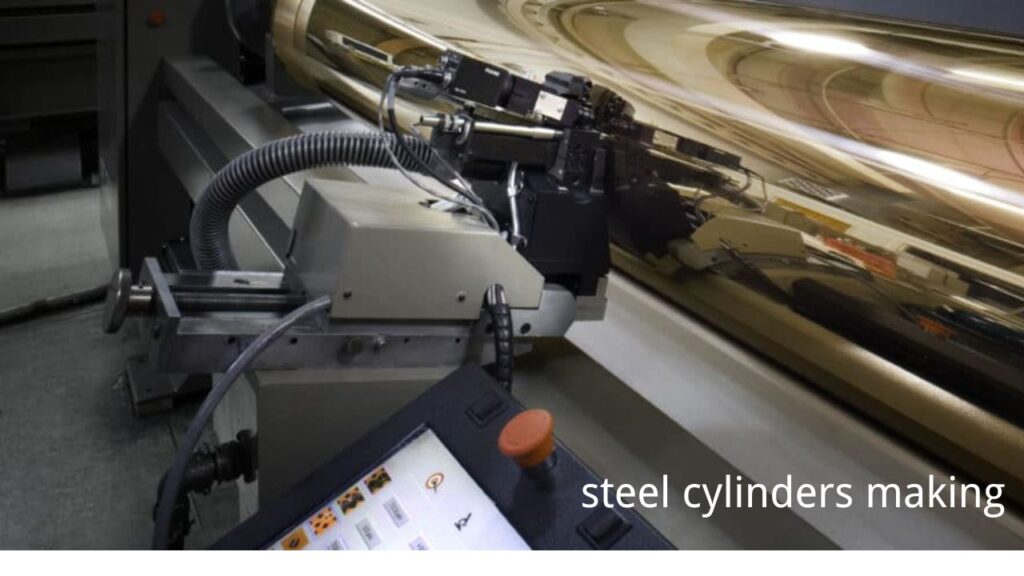
Gravure Printing: Built for Endurance, Not Agility
Longer prep time due to cylinder engraving, but continuous, ultra-fast printing for massive runs. Once running, gravure operates at incredible speeds without stopping. Perfect when you have locked-in designs and need millions of units quickly.
Offset Printing: Built for Speed and Flexibility
Quick setup with fast turnaround for repeat jobs. Highly efficient for medium and large orders. You get speed, flexibility, and efficiency that adapts to your business timeline rather than forcing you to wait weeks for production.
Creative Freedom: A Comparison of Flexibility and Customization
1.Design Iterations: The High Cost of Change vs Affordable Adaptation
Gravure:
Inflexible for design changes. New cylinders mean high costs every time you want to update graphics, text, or colors. Only choose gravure when your design is completely final and won’t change.
Offset:
Flexible for design updates. New plates are affordable, making it ideal for seasonal packaging, promotional campaigns, or testing new designs. You can adapt to market feedback without major financial penalties.
2. Substrate Versatility: Matching the Material to the Method
Gravure:
Best for plastic films, foils, and advanced barrier materials. Excels with flexible packaging that needs special protection properties for food and beverage products.
Offset:
The champion for all paper applications including boxes, cartons, and specialty labels. Perfect for luxury packaging, retail displays, and premium presentation materials.
3. Variable Data Printing: The Limits of Customization
Both technologies have limitations, but offset is better suited for moderate design changes. You can handle different text, logos, or simple graphics more easily than with gravure’s fixed cylinder approach.
The key question is: “How easily can I update or test new designs?” Offset gives you that flexibility while gravure locks you into one design.
The Environmental Footprint: A Sustainability Comparison
Gravure Printing
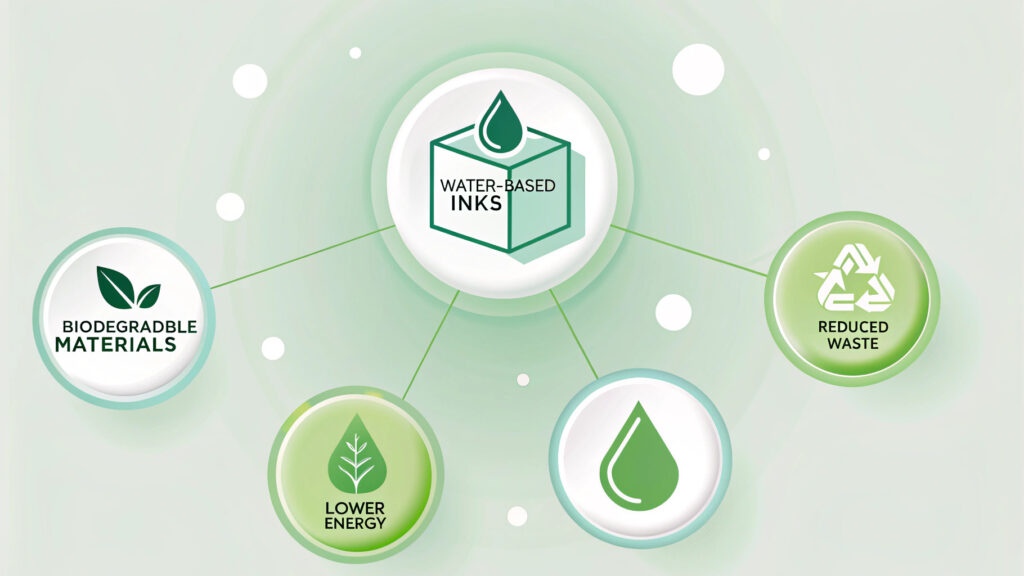
Solvent-based inks have higher emissions, but eco-friendly options are available. Cylinders are reusable for future runs, though some waste comes from cleaning and chemical processes.
Offset Printing
Supports low-VOC and soy-based inks, recyclable plates, and eco-friendly paper substrates. Generally offers more sustainable options for environmentally conscious brands.
Eco-friendly options are available for both technologies. Let us know your sustainability goals and we’ll recommend the best approach for your environmental requirements.
Applications and Industry Use Cases
Understanding which industries and packaging types work best with each technology helps you make the right choice for your specific product needs.
Gravure Printing
High-Volume Packaging:
Flexible film, multi-layer pouches, and barrier wraps for foods and beverages at global scale. Perfect for snack bags, coffee pouches, and beverage packaging that requires millions of identical units with superior barrier properties.
Premium Products:
Luxury flexible packaging with exceptional color and consistency. When your flexible packaging needs photo-realistic images and perfect color matching across massive production runs.
Offset Printing
Packaging:
Custom boxes, cartons, gift sets, and premium paper labels. Ideal for luxury retail packaging, cosmetic boxes, electronics packaging, and high-end product presentations that demand premium appearance.
The Future of Print: Innovations and Advances
Gravure Innovations:
Digital cylinder engraving improves quality and reduces setup time. New coatings reduce environmental impact while maintaining superior print performance. Technology improvements make gravure more efficient, but it still requires massive volume to justify costs.
Offset Innovations:
Digital pre-press and hybrid offset+digital options speed up setup and support more customizations. You can now combine offset’s quality with digital’s flexibility for variable data or short-run testing before committing to large orders.
These technological advances improve both processes, but the fundamental volume and cost differences remain. Choose based on your current needs, not future technology promises.
Conclusion
Choose gravure for ultra-high volume flexible packaging where millions of units justify the setup costs and you need maximum color consistency. For luxury boxes, cartons, and premium paper packaging in quantities from thousands to hundreds of thousands, offset delivers superior quality and flexibility at manageable costs.
Ready to select the perfect printing technology for your packaging project? Contact our packaging experts today for a customized cost analysis and samples tailored to your specific volume and quality requirements.
Frequently Asked Questions (FAQ) for Custom Packaging Clients
Q1: What’s the best process for packaging if my order is 10,000 vs. 1,000,000 units?
A: For 10,000–500,000 units, offset printing is optimal—high quality, flexible, and cost-effective. For 1 million units or more, gravure is unbeatable for ultra-low cost per unit and consistent color.
Q2: Can I do a trial run or sample before mass production?
A: Yes, we offer both gravure and offset samples to help you compare quality, color, and texture before confirming your order.
Q3: Will switching printing processes affect my brand look or color?
A: No. We use strict color management and process control to ensure your packaging stays consistent, even if you switch from offset to gravure as your business grows.
Q4: Are eco-friendly inks and materials available?
A: Yes, we offer low-VOC and recyclable options for both processes. Let us know your sustainability needs and we’ll tailor the solution.
Q5: Is gravure suitable for all types of packaging?
A: Gravure is best for ultra-high-volume, flexible film packaging. For paper, cartons, or smaller runs, offset is usually the smarter choice.
 English
  العربية
  Deutsch (Sie)
  Español
  Français
  日本語
日本語  한국어
한국어  Italiano