
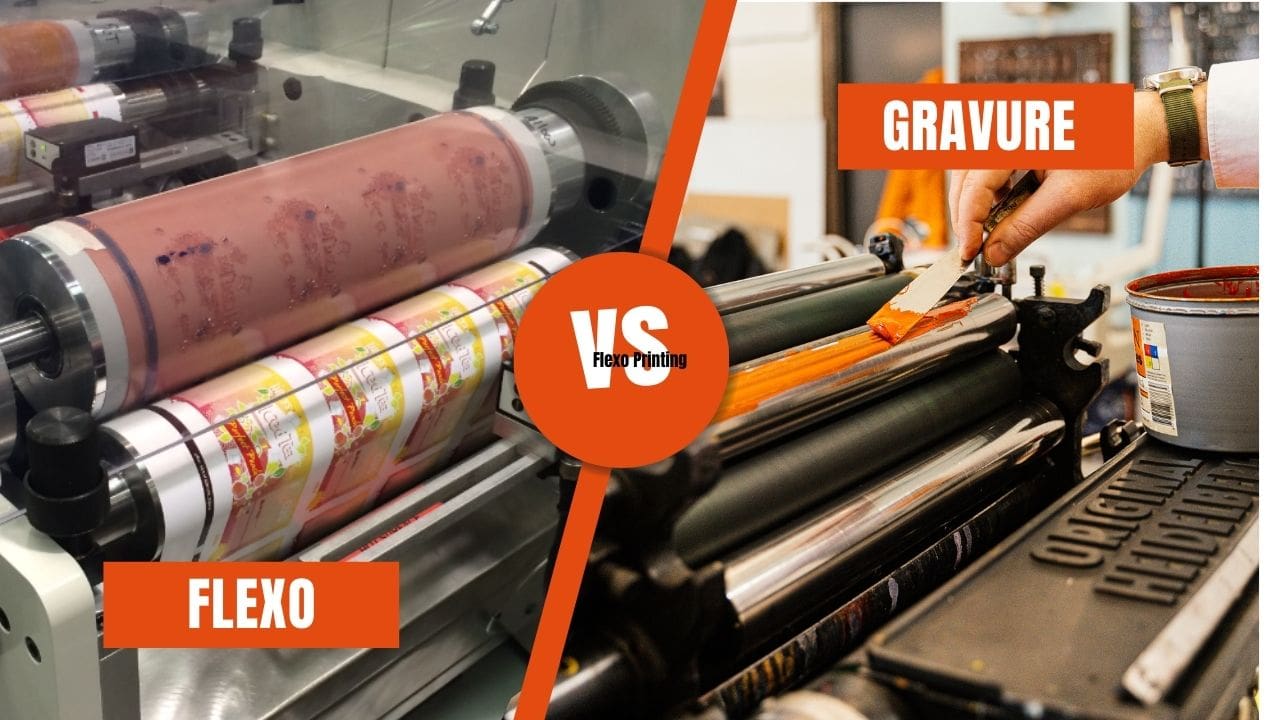
An Introduction to Flexo Printing vs Gravure Printing
Choosing between flexo printing and gravure printing is one of the most important decisions in packaging production. Your choice directly impacts cost, quality, and how efficiently you can scale production for different projects.
Each technology serves different substrate types and design needs. Food packaging often requires gravure’s consistent quality, while small-batch luxury goods benefit from flexo’s flexibility and faster turnaround.
Objective of the Guide
This guide breaks down the core principles, production processes, cost structures, and real-world applications of both technologies. You’ll understand exactly when to choose flexo versus gravure for large-scale printing projects.
Quick Decision Matrix: Gravure Printing vs Flexo Printing
| If Your Core Objective is… | …And Your Project Situation is… | Your Best Choice is |
|---|---|---|
| Ultimate print quality | Your packaging requires magazine-level photo realism and perfect color consistency across millions of units | Gravure Printing |
| Balance quality, cost, and flexibility | You need professional, high-definition print (crisp text, vibrant colors), with production in the tens of thousands to hundreds of thousands | Flexo Printing |
| Minimize upfront investment and risk | You are a growing brand and want to avoid thousands of dollars in cylinder/plate costs, plus need the ability to change designs flexibly | Flexo Printing |
| Lowest unit cost (very large scale) | Your product is a global FMCG, with order volumes in the millions and a design that will not change for years | Gravure Printing |
| Handle multiple packaging types | Your product line includes corrugated boxes, folding cartons, flexible bags, and labels | Flexo Printing |
| Respond quickly to market changes | You need short lead times (5–10 days) and may require seasonal design updates or small changes | Flexo Printing |
Understanding the Core Technologies: How Flexo and Gravure Work
Flexo Printing: The Versatile Workhorse for Growing Brands
Flexo printing is a relief printing process that uses flexible photopolymer plates to transfer ink. It’s designed for high-speed production and works well for medium to large runs of packaging.
Core Mechanism:
The process starts with raised images on flexible plates. An anilox roller applies ink to these raised areas, while a doctor blade removes excess ink to ensure clean printing. Direct pressure transfers the ink from the plate to your packaging material – whether that’s flexible pouches, corrugated boxes, or labels.
Key Components:
Photopolymer plates, anilox roller, doctor blade, and impression cylinder work together to deliver consistent results on both flexible and rigid materials.
Flexo handles most packaging needs efficiently, making it the go-to choice for standard quality requirements and reasonable volumes.
For more about flexo printing, click here for ultimate guide for flexo printing.
Gravure Printing: The High-Volume Specialist for Ultimate Quality
Gravure printing is an intaglio process where images are engraved directly into metal cylinders. This technology is specifically optimized for ultra-high-volume production when you need photo-realistic quality.
Core Mechanism:
Images are etched as tiny cells into a copper or steel cylinder. These cells hold the ink while excess ink gets wiped away by a doctor blade. When your substrate presses against the cylinder, it pulls ink directly from these cells. Immediate drying through heat or UV systems ensures crisp results.
Key Components:
Engraved cylinder, doctor blade, impression roller, and ink drying system deliver exceptional image quality that’s especially valuable for photo-realistic film packaging.
Gravure only makes financial sense for extremely high-volume runs or when photo-realistic quality is essential for your brand.
For more about gravure printing, click here for ultimate guide for gravure printing.
Flexo vs Gravure: A Direct Process Comparison
| Aspect | Flexo Printing | Gravure Printing |
|---|---|---|
| Plate Material | Flexible photopolymer/rubber (wrappable). | Rigid copper/steel cylinder (engraved). |
| Ink Transfer | Direct (plate → substrate via anilox). | Indirect (cylinder cells → substrate under pressure). |
| Ink Types | Solvent-based, water-based, UV-curable. | Solvent-based, UV-curable (high pigment load). |
| Substrate Requirement | Versatile (flexible films, corrugate, paper). | Works on thin films, paper, and non-porous materials. |
| Setup Complexity | Moderate (plate mounting, anilox calibration). | High (cylinder engraving, long press setup). |
Quality and Design: A Flexo vs Gravure Analysis
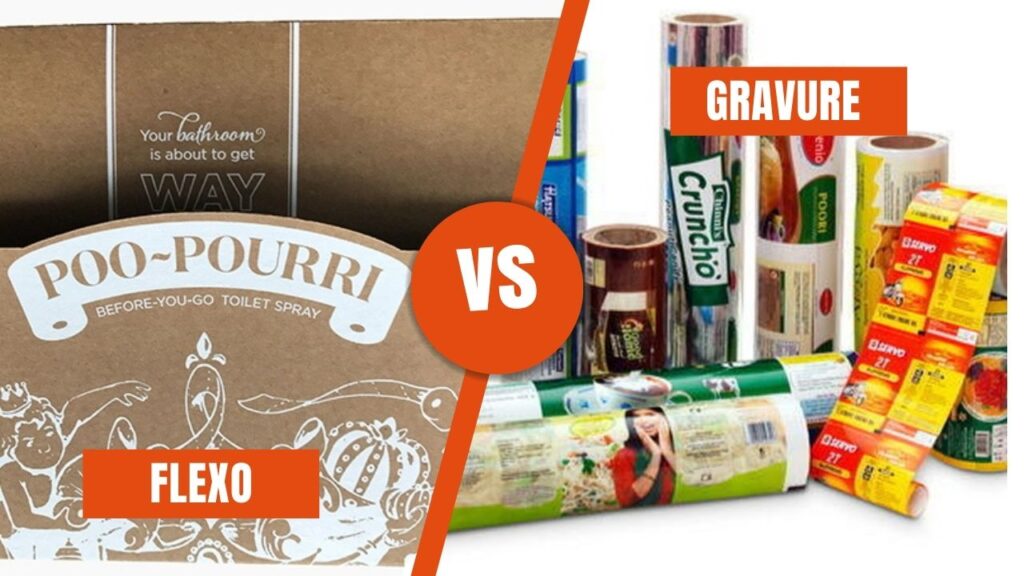
1. Resolution and Detail
Flexo Printing:
Modern HD flexo delivers high definition quality for today’s packaging. You get crisp lines, smooth gradients, and bold colors. Modern systems compete directly with any printing method.
Many clients worry flexo will “look cheap.” This fear comes from outdated impressions. We place real samples in your hands. These are boxes and labels produced for major brands using modern HD flexo.
You’ll immediately see the results. Fine lines and text stay sharp. Color gradients flow smoothly and naturally. Solid brand colors look rich and premium.
The “premium feel” actually comes from three factors. Quality materials matter most. Precise color management ensures consistency. Smart finishing touches like foil, embossing, or spot UV create luxury appeal. The printing process itself is just one piece.
Gravure Printing:
Gravure remains the best choice for specific needs. Photo-realistic images require gravure’s precision. Absolute color consistency across ultra-high volumes demands this technology.
When your packaging needs magazine-quality photos, choose gravure. When you need perfect color matching across millions of units, gravure delivers unmatched results.
2. Color Reproduction: Achieving Brand Consistency

Flexo Printing:
Full CMYK printing plus spot colors available. Excellent Pantone matching when plates and setup are properly calibrated. Modern flexo handles complex color work. Most brand requirements are easily satisfied.
Gravure Printing:
The industry gold standard for color saturation and consistency. Ideal for world-class brands running massive volumes. Perfect color reproduction across every single unit is non-negotiable. Gravure delivers this level of precision.
3. Texture and Finish: The Role of Tactile Experience
Flexo Printing:
Creates subtle textures effectively. Combines well with specialty finishes for high-end tactile effects. The flexibility allows creative finishing options. These enhance the premium feel customers expect.
Gravure Printing:
Produces ultra-smooth, even ink coverage. Can create unique tactile effects by varying cell depth in the engraved cylinders. Perfect for luxury finishes. Customers notice the difference through touch.
The Financial Bottom Line: A Flexo vs Gravure Cost Analysis
1. Setup Costs
Flexo Printing:
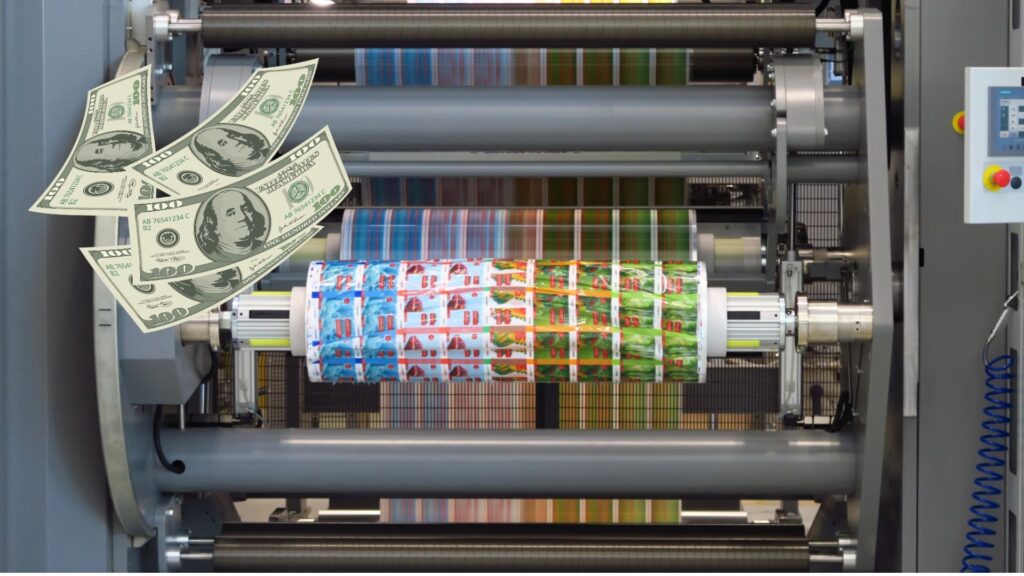
Low to moderate setup costs make flexo accessible for most projects. Plates are affordable to produce and reusable for mid to large runs. You can test new packaging designs without major financial risk.
Gravure Printing:
Very high setup costs due to expensive cylinder production. Each cylinder costs thousands of dollars to create. This investment only makes sense when you’re printing millions of impressions to spread the cost.
2. Unit Costs: How Volume Drives the Price
Flexo Printing:
Great value for runs from tens of thousands up to half a million units. Unit costs stay reasonable across this range. Perfect for growing brands that need quality without massive volume commitments.
We act as your “financial guardian” – protecting you from unnecessary costs. For startups or growing brands, any gravure suggestion is irresponsible. We help you optimize your packaging for flexo to ensure every cent delivers value.
Gravure Printing:
Unbeatable for runs in the millions. Cost per pack drops dramatically at a massive scale. The high setup costs disappear when divided across millions of units.
3. Cost-Effectiveness by Run Size: Finding the Crossover Point
Medium Runs:
Flexo is the clear winner for almost every growing brand. You get professional quality without the financial risk of oversized investments. We analyze your design and suggest smart tweaks for flexo optimization. We plan order sizes for the best unit cost.
Ultra-Large Runs:
Gravure is unmatched for household names and global product launches. When you’re confident about volume and need absolute consistency across millions of units, gravure delivers the best value.
No more “should I risk a fortune on the wrong process?” Our industry expertise gives you the right answer, every time. Your success matters more than our larger contracts.
Flexo Printing vs Gravure Printing: A Comparison of Speed to Market

Flexo Printing
Setup is quick and efficient for most projects. Jobs are typically ready in 5-10 days from approval. Repeat orders run even faster since plates can be reused. This speed supports fast sampling and design changes when you need market agility.
Gravure Printing
Longer lead times due to cylinder preparation requirements. Initial runs take 10-15 days or more for setup. However, once running, the gravure can operate non-stop for huge orders. Perfect for big, fixed jobs where speed matters less than volume efficiency.
Creative Freedom: A Comparison of Flexibility and Customization
1. Design Iterations: The Cost and Speed of Changes
Flexo Printing:
Moderate flexibility for design changes. New plates are needed for modifications, but cost and speed remain manageable. You can adapt to market feedback or seasonal requirements without major delays.
Gravure Printing:
Limited flexibility for design changes. New cylinders are very expensive and slow to produce. Only choose gravure when your design is completely locked and won’t change.
2. Substrate Versatility: Matching the Material to the Method
Flexo Printing:
Best choice for flexible packaging, labels, and cartons. Handles most mainstream packaging needs effectively. Perfect for the variety of materials growing brands typically require.
Gravure Printing:
Best for thin films, laminates, and high-barrier materials. Especially valuable for food and beverage packaging where material performance is critical.
3. Variable Data Printing: The Limits of Customization
Flexo Printing:
Difficult but possible for limited variation. You can handle basic customization like different text or simple graphics across runs.
Gravure Printing:
Not feasible for variable data. Fixed designs only. Every unit prints identically with no customization options.
Flexo supports the agility needed for seasonal changes and market testing. Gravure works for locked-in, high-volume designs that never change.
The Environmental Impact of Flexo Printing vs Gravure Printing
Flexo Printing
Water-based and UV inks available for environmentally conscious brands. Supports eco-friendly packaging initiatives effectively. Plates are recyclable, and the overall process can be “green” when sustainability matters to your brand.
Gravure Printing
Mostly solvent-based inks with some eco progress, but typically less sustainable than flexo options. Cylinders are reusable but require heavy metals and chemicals in production. Environmental impact is higher overall.
Green packaging options are available with both technologies. We’ll detail specific eco-friendly approaches when sustainability is a priority for your project.
Flexo vs Gravure: Real-World Applications and Industry Use Cases
Flexo Printing Applications
Packaging:
Flexible pouches, bags, corrugated boxes, folding cartons, and labels work perfectly with flexo. Ideal for food, beverage, and personal care products. Covers most packaging needs for growing brands efficiently.
Gravure Printing Applications
High-Volume Packaging:
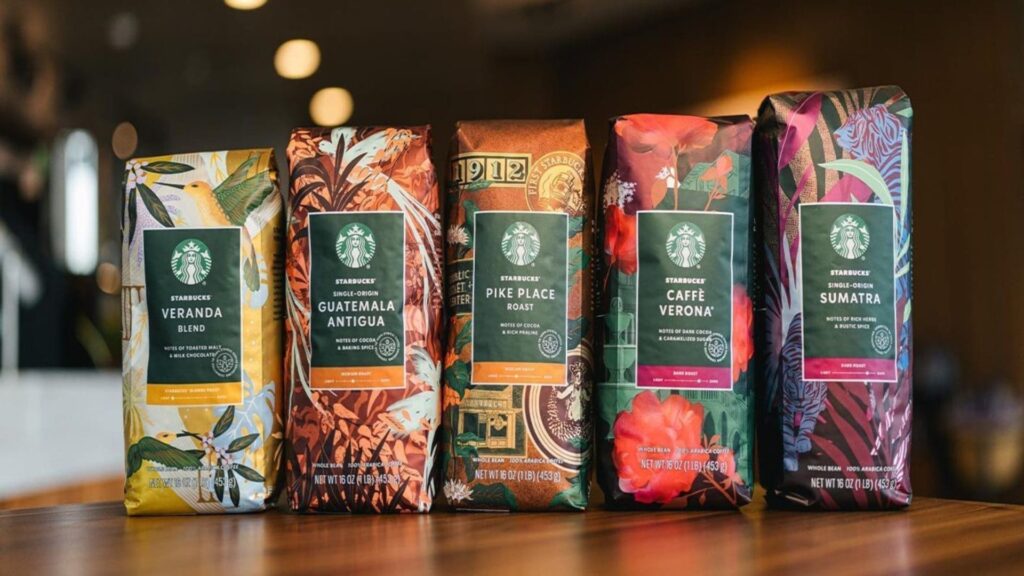
Snack bags, coffee pouches, and beverage labels for runs exceeding 1+ million units. Especially valuable for global brands with massive, consistent volume requirements.
The Future of Flexo and Gravure Printing: Innovations and Hybrid Solutions
1. Technological Innovations
Flexo Printing:
Modern HD flexo narrows the quality gap with gravure significantly. Digital platemaking makes setup faster and cheaper than traditional methods. Technology improvements make flexo more attractive for quality-conscious brands.
Gravure Printing:
Digital engraving and improved coatings have made gravure more efficient overall. However, it’s still only cost-effective for the largest orders. Technology helps, but doesn’t change the volume requirements.
2. Hybrid Solutions
Flexo for base colors combined with gravure for photo overlays creates uniqu,e premium effects. Think premium pouches with flexo text and gravure product photography. You can combine finishing techniques for special effects as your brand grows.
There are already examples of combining gravure printing and flexographic printing for playing card printing, with gravure printing used for the back and flexographic printing used for the front.
Conclusion: Making the Final Choice Between Flexo and Gravure Printing
Flexo printing delivers the perfect balance of quality, speed, and cost-effectiveness for most packaging needs, especially for growing brands that need flexibility and reasonable volumes. Gravure printing excels only when you have massive, consistent volumes and need absolute photo-realistic quality across millions of identical units.
Choose flexo for agility and smart growth. Choose gravure only when your volume and consistency requirements make the high investment worthwhile.
Ready to optimize your packaging printing strategy? Contact us today for a cost analysis of your specific project – we’ll recommend the most cost-effective approach and provide real samples so you can see and feel the quality difference before making any investment.
Frequently Asked Questions (FAQ) for Custom Packaging Clients
What’s the best option for medium batch, fast-moving packaging?
Flexo printing is ideal for most medium-to-large runs, offers cost control, fast sampling, and is flexible for seasonal design changes.
What if my business grows and I need millions of packs?
As your demand increases, we’ll help you seamlessly upgrade to gravure printing for better cost efficiency and world-class color consistency—without changing your supplier or risking brand consistency.
Are eco-friendly inks and materials available?
Yes, we offer water-based inks and recyclable materials for both processes. Let us know your sustainability goals and we’ll tailor the solution.
Will switching between processes affect my brand’s color or quality?
No. We use strict color management systems to ensure your packaging looks identical, whether printed flexo or gravure. Your brand consistency is fully protected.
 English
  العربية
  Deutsch (Sie)
  Español
  Français
  日本語
日本語  한국어
한국어  Italiano