
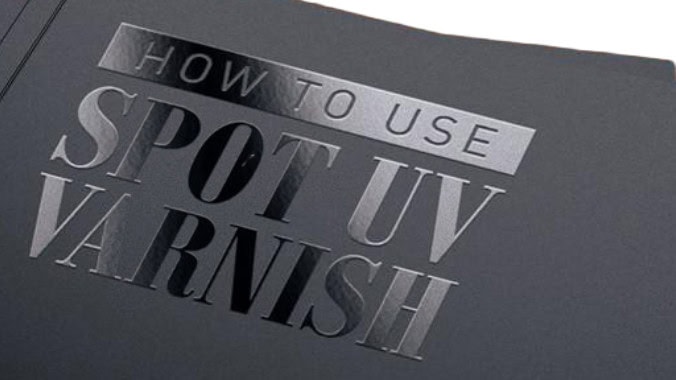
What is Spot UV?
Ever wonder why some product packaging feels so irresistibly premium when you touch it? The secret is often a finishing technique called Spot UV.
Spot UV is a process applied after printing that adds a clear, durable coating to specific areas of a design. This UV-curable varnish is applied as a liquid and then instantly hardened with an ultraviolet (UV) light. The result is a stunning contrast between the glossy, coated areas and the underlying matte surface.
This technique delivers two powerful effects that transform how customers experience your brand:
- Visual Impact: It highlights logos, text, or graphics by making them literally shine. Against a non-glossy background, your most important brand elements visually “pop,” helping your product get noticed instantly on a crowded shelf.
- Tactile Enhancement: It adds a raised, smooth texture that people naturally want to touch. This physical interaction creates a memorable unboxing experience and an immediate emotional connection, signaling that your brand cares deeply about quality.
Exploring Spot UV Finishes: From Subtle Gloss to Raised 3D Effects

Spot UV offers a range of finishes, allowing you to choose the perfect style to match your brand’s personality.
Gloss Variations
- High-Gloss Spot UV: This creates a highly reflective, wet look that is perfect for making logos or key graphics stand out on luxury packaging. Think of high-end perfume boxes or premium whiskey labels where the coating catches the light dramatically.
- Matte Spot UV: For a more understated effect, a matte varnish can be applied to a glossy surface. This creates a subtle, elegant contrast that is perfect for premium business cards or sophisticated product packaging where the goal is to whisper luxury rather than shout it.
Textural Effects
Beyond a simple shine, Spot UV can create textures that customers can actually feel.
- Embossed Spot UV: By applying multiple layers of varnish, this technique builds a raised, almost sculptural pattern. It is ideal for cosmetic packaging or book covers where touch is a key part of the product experience.
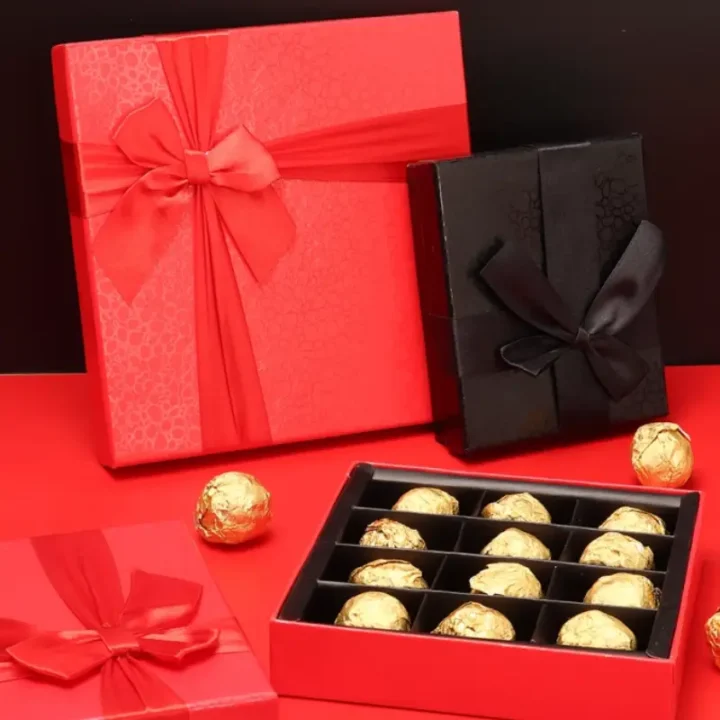
- 3D Stereo UV: This method creates genuine depth and dimensional patterns, making it perfect for collectibles or high-end gift boxes. The packaging becomes an interactive part of the product itself.
Designing for Spot UV: Best Practices for Production Success

Getting the most impact from Spot UV requires smart design choices and an understanding of how it interacts with different materials.
Common Applications
Spot UV transforms ordinary items into premium brand experiences across many sectors:
- Luxury & E-commerce: It excels on perfume boxes, wine labels, and subscription boxes. The tactile quality enhances the unboxing experience, which customers often share on social media.
- Food & Beverage: Textured UV helps craft beer labels and gourmet food packaging stand out, suggesting an artisanal, handcrafted quality.
- Print Media: On business cards, it can highlight a name or logo, making the card more memorable. On brochures and catalogs, it can make product images pop off the page.
- Branding Functions: It can even serve practical purposes, like creating UV-fluorescent patterns for anti-counterfeiting or providing a durable, weather-resistant coating for outdoor signage.
Design and File Requirements
- The Contrast Rule: The most dramatic effect comes from pairing Spot UV with a matte background. A gloss UV finish on top of a matte laminated surface creates a powerful visual and tactile contrast that is irresistible.
- Use Vector Files: To ensure your design has crisp, clean edges, always use vector formats like AI or EPS. Raster images can look blurry or pixelated when coated.
- Limit the Area: For a balanced design, it’s best to keep the Spot UV coverage under 30% of the total layout. Too much gloss can overwhelm the design; strategic placement has more impact.
Substrate Compatibility
Not all materials are suitable for Spot UV:
- Recommended: Coated paper (16pt or thicker), plastic films, and metallized stock provide excellent, even surfaces for the varnish to adhere to.
- Avoid: Uncoated paper, like kraft, can absorb the varnish unevenly. Thin paper can warp under the heat from the UV lamps. If you want to use a specialty stock, always request a test sample first.
The Business Case for Spot UV: Advantages, Costs, and Limitations

Is Spot UV the right investment for your project? Here is a practical breakdown to help you decide.
Key Benefits
- Increased Perceived Value: Customers consistently associate Spot UV with premium quality and craftsmanship, which can justify a higher price point.
- Powerful Shelf Appeal: In a retail environment, the visual pop of Spot UV naturally draws the customer’s eye, giving your product an advantage.
- Physical Protection: The cured varnish acts as a durable barrier, providing excellent scratch and water resistance during shipping and handling.
Practical Limitations
- Design Constraints: Very fine details, such as lines thinner than 0.5pt or tiny text, may not reproduce perfectly and can sometimes blur. It works best on bolder elements.
- Cost Premium: As a secondary finishing process, Spot UV adds to the overall cost. Expect a 20-50% increase compared to standard printing, depending on the coverage area.
- Additional Lead Time: The process adds 2-3 days to a standard production schedule to allow for proper curing and quality control.
Cost, Efficiency, and Choosing the Right Method
The best production method depends on your quantity and budget.
- Digital Spot UV: This method requires no plates and has no setup fees, making it perfect for small batches (1-500 units), prototypes, or market testing.
- Offset Spot UV: This method uses plates and has a setup cost ($50-$200), but the price per piece drops significantly on larger runs. It is the most cost-effective choice for orders over 500 units.
| Needs/Scenario | Recommended UV Method | Batch Size | Cost Impact |
|---|---|---|---|
| High-end look, large run | Offset Spot UV | 500+ | Most efficient per piece |
| Low MOQ, fast turnaround | Digital Spot UV | 1–500 | No plate fees, ideal for samples |
| Eco-friendly focus | Water-based/LED UV | Any | Slight green premium |
The Technology Behind the Shine: Process and Sustainability
While you focus on the design vision, a precise technical process makes it a reality. This involves preparing the design file to tell the equipment where to apply the varnish, the precise application itself, and the final UV Curing stage where lamps instantly solidify the coating.
For environmentally conscious brands, greener alternatives are available. Water-based UV varnishes significantly reduce VOC emissions, while LED Curing technology consumes far less energy than traditional mercury lamps. These options deliver the same premium results without compromising on quality or sustainability goals.
This is just one part of creating exceptional packaging. Read our Ultimate Guide to Post-Printing Technologies to learn about the complete system, from blueprint to finished product.
Conclusion
Spot UV is more than just a printing finish; it is a strategic tool that delivers measurable business impact. It enhances brand recognition through a unique visual-tactile experience and effectively signals premium quality. By making your products more memorable and desirable, Spot UV helps your brand stand out in a crowded market.
Ready to elevate your packaging from ordinary to extraordinary? Contact our specialists today for a free consultation and sample.
FAQ
Q: Can I combine Spot UV with foil or embossing?
A: Yes, combining finishes is popular for luxury or gift packaging and creates a layered, multi-sensory effect.
Q: Will Spot UV work on kraft or recycled paper?
A: Spot UV is most effective on coated stocks. Results on uncoated or recycled paper can be muted—ask for a printed sample to be sure.
Q: Is Spot UV eco-friendly?
A: We offer water-based and low-VOC UV options suitable for eco-conscious brands.
Q: Can I see a sample before mass production?
A: Absolutely. We recommend proofing on your actual material to ensure the effect matches your expectations.
Q: Do I need to choose the UV process myself?
A: No, just share your goals and our experts will recommend and deliver the best Spot UV solution for your needs.
 English
  العربية
  Deutsch (Sie)
  Español
  Français
  日本語
日本語  한국어
한국어  Italiano