
Custom Retail Packaging:
Elevate Your Brand with Unique & Sustainable Designs
“A report by Research and Markets (2023) projects the global retail packaging market to reach $250 billion by 2028.”[1]
Trends In Custom Retail Packaging
Growing Sustainability Focus
Eco-conscious packaging is no longer optional—it’s a priority for consumers and businesses alike. Materials like kraft paper and corrugated cardboard are gaining traction for their durability and sustainability, making them excellent choices for custom retail boxes.
Retailers are also reducing material waste by opting for compact, multi-use box designs and minimizing excess filler. This not only supports environmental goals but also reduces logistics costs, making sustainability a win-win for businesses. Bulk production of eco-friendly packaging further optimizes costs, offering brands an economical and environmentally responsible solution.
Key Trends in Custom Retail Packaging
| Trend | Key Features | Value for Businesses |
|---|---|---|
| Minimalist Designs | Clean layouts with sustainable materials | Projects a premium image while simplifying costs |
| Personalization | Custom designs with personal touches | Enhances the unboxing experience and fosters loyalty |
| Sustainability Focus | Eco-friendly materials and packaging optimization | Appeals to eco-conscious consumers and reduces costs |
How to Leverage These Trends
- Adopt Minimalist Designs: Use clean, simple layouts paired with eco-friendly materials to project sophistication and sustainability. This approach reduces material usage while maintaining a premium aesthetic.
- Invest in Personalization: Tailor your packaging with custom prints, personal messages, or unique branding elements to create memorable unboxing experiences that drive repeat business.
- Prioritize Eco-Friendliness: Choose biodegradable or recyclable materials, optimize box sizes, and reduce unnecessary packaging to align with consumer preferences for green practices.


C1S Paper

Brown Kraft Paper

1.5mm grey board

2.5mm Grey Board

2mm Grey Board

Coloured Paper

Soft-Touch Paper

Textured Paper

FAQ for small and Mass Order
For Small Order Under 1000
Do you offer low-quantity options for samples, and what’s your MOQ?
We set our standard MOQ at 500 units, but for first-time orders, you can start with 100 units. Samples are ready within 48 hours, with full inspection for quality and specification.
How fast can you produce small quantities, and how are costs calculated?
We support small orders (100 units and up) with fast 7-day lead times and pricing nearly identical to bulk—just 15% higher.
What’s the timeline for rush orders, and how much do they cost?
We allocate 20% of our operations for rush orders, with an added fee of 10% for 24-hour or 5% for 48-hour service.
How do you charge for design services in small quantity production?
Enjoy in-house design support, with free design fees for orders reaching the minimum value.
Do you assist with logistics for smaller orders, and can shipments be consolidated?
We make shipping easy with consolidation and partnerships with various logistics providers—sea, air, or express.
What file formats do you accept for production artwork?
Our structural design services are free, and we accept AI and PDF files, all handled by an experienced team.
For Mass Order
What certifications validate your efforts in eco-friendly and quality packaging?
Our commitment to excellence is proven by ISO 9001, ISO 14001, FSC, and SMETA certifications.
What’s your plan for mitigating the effects of raw material price volatility?
We secure costs with quarterly price agreements and a three-month inventory cushion.
How do you ensure compliance with quality certifications?
We ensure quality by combining a robust management system with advanced testing and thorough inspections.
How do you handle customer concerns about quality during rush orders?
We’re committed to responding in 24 hours and resolving most issues within 48 hours.
How do you ensure fair capacity distribution during high-demand periods?
We structure production so every client receives support, capping each at 40% of capacity.
What measures are in place to prevent misuse of client designs?
We sign NDAs, employ secure file management, and do not share client designs under any circumstances.
Importance Of Custom Retail Packaging
Custom retail packaging plays a pivotal role in shaping customer perception and ensuring business success.
It creates an unforgettable first impression, which is essential for attracting and retaining customers.
A customizable approach allows for aligning packaging designs with brand values, enhancing relatability and fostering loyalty.
Aspect | Enhancement | Impact |
|---|---|---|
Branding | Logos, colors, typography | Improved recognition and trust |
Differentiation | Creative designs, textures | Distinction in competitive markets |
Protection | Durable materials, sturdy box styles | Reduced product damage |
Customer Experience | Inserts, eco-friendly materials | Elevated satisfaction |
Sales Influence | Aesthetic appeal, premium look | Higher sales conversions |
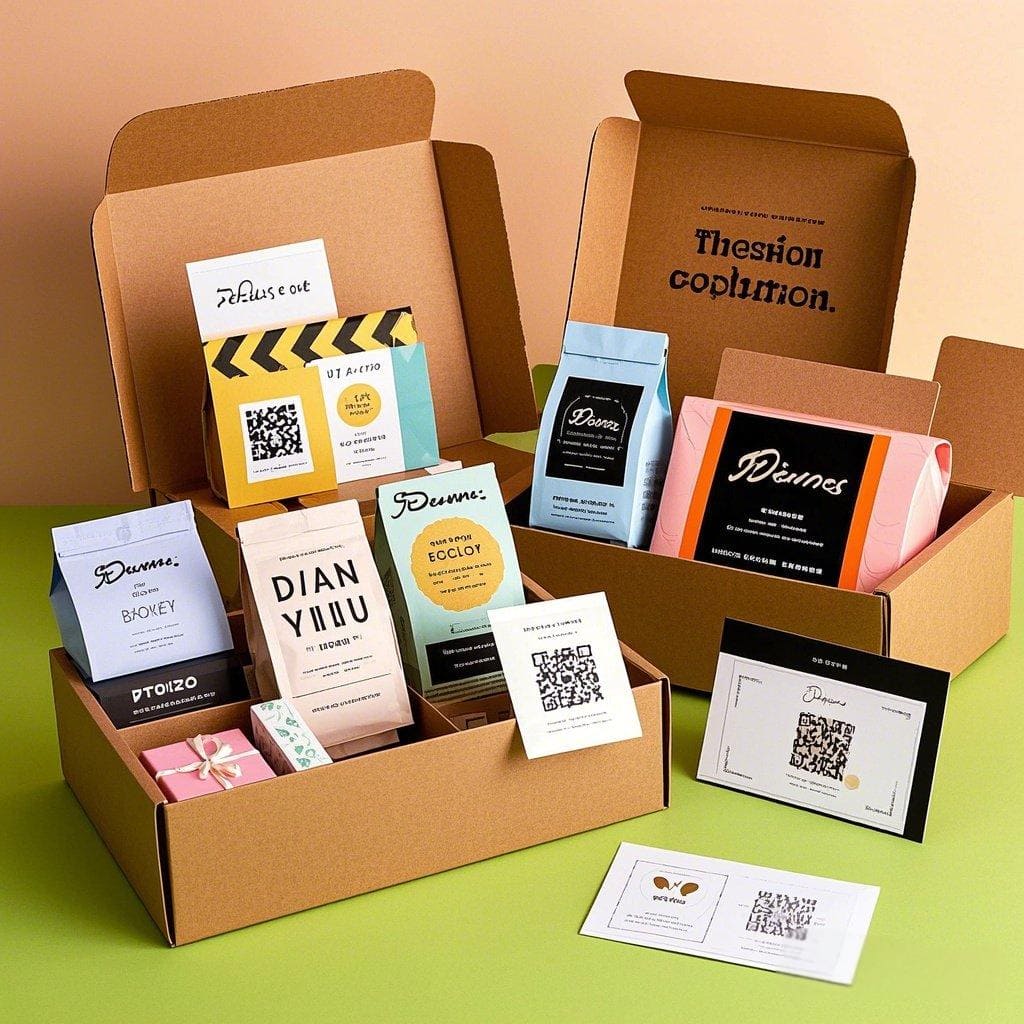
Considerations
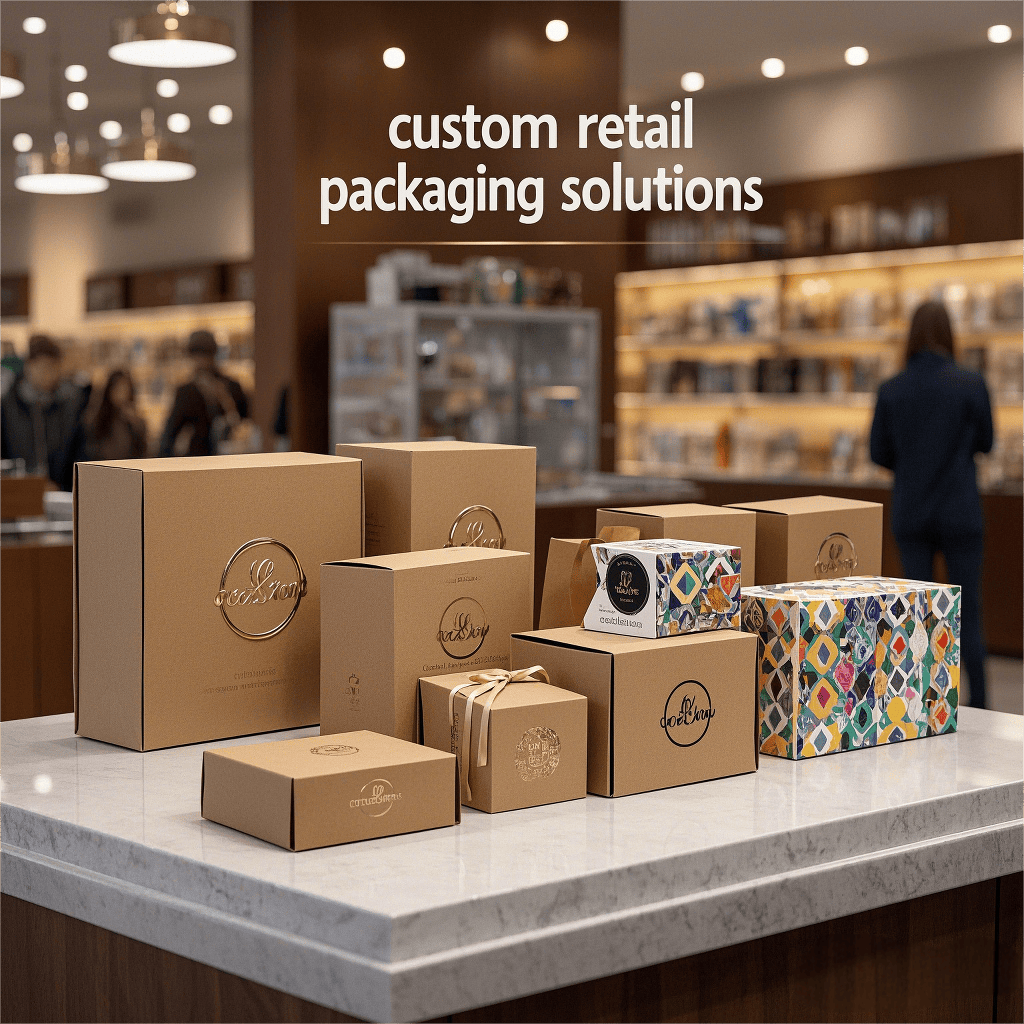
Custom retail packaging is more than just a protective layer; it’s a powerful tool that bridges functionality, branding, and consumer connection.
By investing in thoughtful design, sustainable materials, and innovative solutions, businesses can create packaging that just stands out but also resonates with their audience.
Steps To Create Custom Retail Packaging
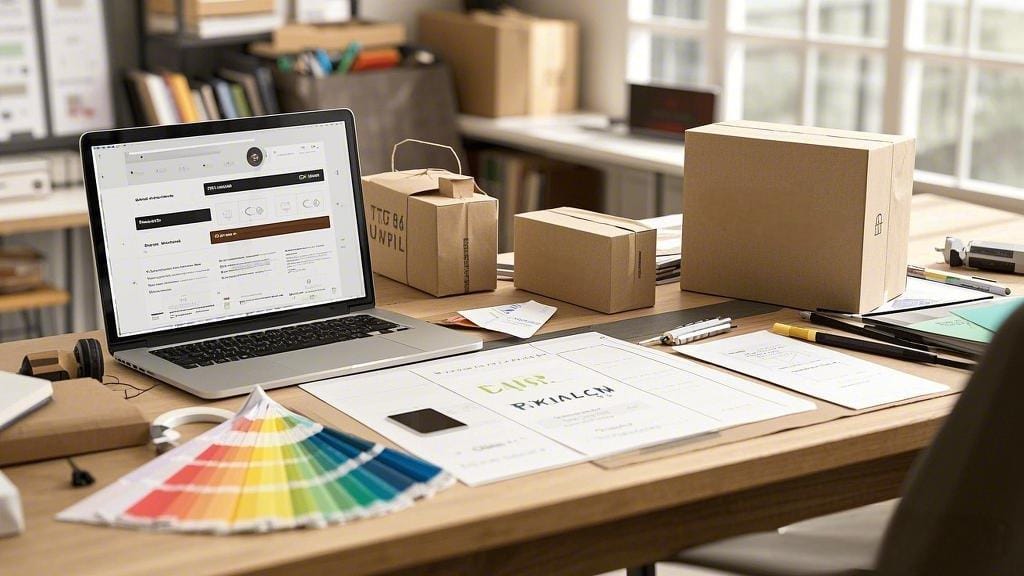
Creating custom retail packaging involves strategic planning to align design and functionality with a brand’s objectives and consumer expectations.
Choosing The Right Packaging Style
The first step is defining the packaging style that fits your product and market position. Boxes, bags, and pouches are common choices, each offering unique benefits.
Custom retail boxes, for instance, provide sturdy protection for fragile or high-value items, while eco-conscious bags support sustainable branding.
Evaluate durability, aesthetics, and usability when selecting a style to ensure packaging meets both practical needs and visual appeal.
Designing Your Packaging
The design phase translates a brand’s identity into visual elements on the packaging. Key components include logo placement, color consistency, and typography.
High-resolution graphics and premium finishes such as embossing or foil stamping enhance a box’s perceived value.
Coordinate dimensions with the product’s size to avoid waste and ensure a snug fit.
Sustainable options, like recycled materials, can keep the design aligned with consumer preferences for environmentally responsible packaging.
Reviewing And Finalizing The Product
After prototyping, thorough review ensures the final product aligns with design goals and functional requirements.
Cross-check the fit, structural integrity, and overall look, particularly for custom retail boxes that undergo shipping stress. Carry out quality assurance checks to address any inconsistencies before commencing full production.
Testing for eco-friendliness, durability, and consumer reaction guarantees an end product that’s both practical and market-ready.
Reference List
【1】Research and Markets. “Retail Packaging Market – Growth, Trends, and Forecast (2023-2028).”https://www.smithers.com/resources/
 English
  العربية
  Deutsch (Sie)
  Español
  Français
  日本語
日本語  한국어
한국어  Italiano