

Have you ever wondered why so many packages and magazines look so clear and colorful? That’s because of printing, and offset printing is one of the most common ways people print things today.
In this blog, I’ll explain what offset printing is, how it’s different from digital printing, and help you choose the best way to print your own products. Keep reading to find out which printing method works best for you!
What is the Offset Printing?
Offset printing is a way of printing where ink moves from a metal plate to a rubber blanket, and then onto paper or packaging using big spinning rollers. This method is great when you need to print lots of copies because it keeps the colors and details looking the same on every piece.
That’s why many companies use offset printing when they want strong and steady results for large orders.
Origins and Evolution
Offset printing started back in the 1800s, when people were looking for better ways to print newspapers and books. Over the years, this method has changed a lot, becoming faster and more reliable. Today, offset printing is one of the main ways companies print things like packaging and magazines because it works well for big jobs and gives steady, good results.
The Offset Printing Process
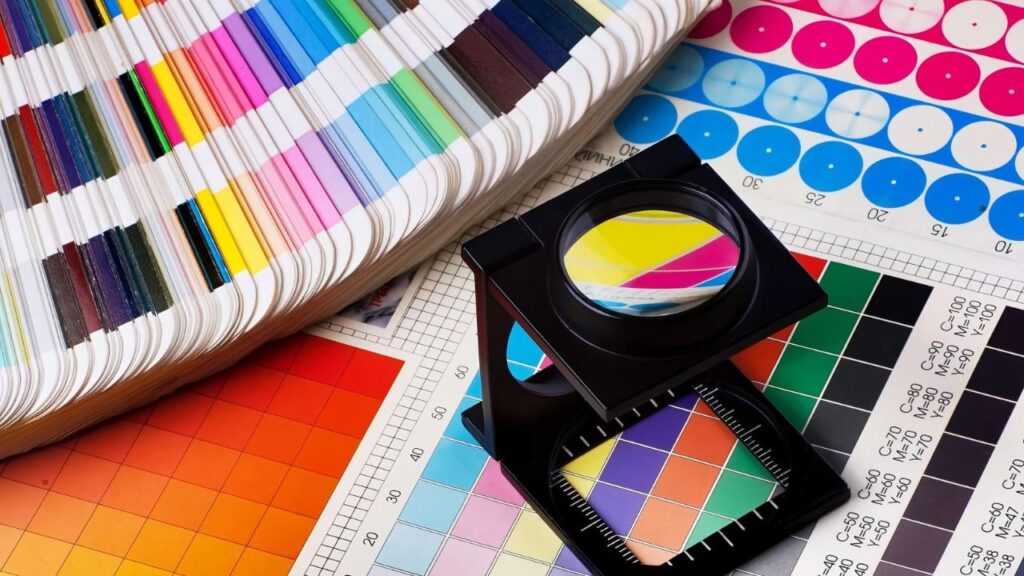
Ever wondered how your favorite product’s box gets its sharp colors and clear text? Let’s take a closer look at how offset printing actually works, step by step.
(1) Pre-press Stage
Before printing starts, there’s a lot to get ready. First, the design and layout are made on a computer, then double-checked for any mistakes. It’s important to use the right fonts, file formats, and colors—designs should be in CMYK color mode, not RGB, so the colors print correctly.
If you’re getting packaging made, remember to leave extra space (called a bleed) around the edges, use clear, high-quality images, and make sure your design works well with the packaging material. This helps avoid surprises and makes sure your final product looks great.
(2) Printing Stage
In the printing stage, large offset presses use three main rollers—a plate, a rubber blanket, and an impression roller—to move ink cleanly onto the paper or packaging. This setup makes sure every print looks clear and even.
Offset printing can work with many types of paper, inks, and plate sizes, so it’s great for different packaging needs, whether you’re using thick cardboard or special papers. This flexibility is one reason why so many packaging companies trust offset printing for all sorts of products.
(3) Post-press Stage
After printing, the job isn’t done yet. The post-press stage includes steps like cutting the sheets to size, adding a plastic layer (laminating), or pressing patterns and logos into the material (embossing).
These finishes help the packaging look nicer and last longer. Special touches like shiny spot UV or foil stamping can make packaging stand out and feel more high-end, so your product looks great on the shelf.
(4) Quality Control and Inspection
Quality control is a key step in offset printing. Special tools are used to check that colors are correct, prints are even, and there are no mistakes like smudges or misprints. If any problems show up, they are fixed right away to keep everything on track.
This careful checking means your packaging will look the same every time, with colors and logos staying true to your brand—even in big orders.

Types of Offset Printing
Now that you know how offset printing works, let’s look at the different types you can choose from for your packaging needs.
(1) Web Offset Printing
Web offset printing is perfect when you need to print a lot, like for newspapers, magazines, or large batches of packaging. This method uses big rolls of paper that feed through the press without stopping, making the process fast and efficient. It’s also used for things like product wraps and labels, where printing large amounts quickly is important.
(2) Sheet-fed Offset Printing
Sheet-fed offset printing works by feeding individual sheets of paper through the press one at a time. This method is great for smaller or medium-sized print runs, especially when you want really high-quality results.
It’s flexible, so you can easily adjust the design or details from one job to the next. That’s why sheet-fed offset is often used for premium packaging, gift boxes, or limited-edition products where every detail counts.
(3) Quick-set Offset Printing
Quick-set offset printing uses special inks that dry quickly, which helps save ink and speeds up the whole process. This makes it a good choice for printing things like magazines, brochures, and labels—especially when deadlines are tight.
It’s also popular for packaging projects that need to be done fast without losing quality, making it a cost-effective option for businesses with urgent needs.
Advantages and Limitations of Offset Printing
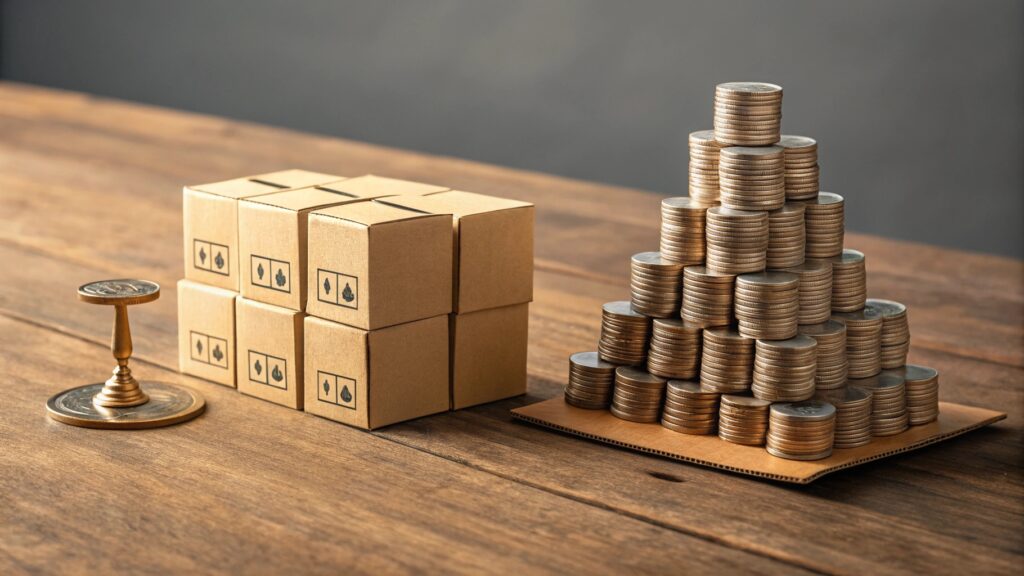
Now, let’s look at the main advantages and limitations of offset printing.
Advantages of Offset Printing:
- High-quality output:
Offset printing gives crisp, sharp images. Text is always clear. Every detail shows up well. This is great when you need top quality.
Suitable for: premium packaging, cosmetics boxes, brochures, and magazines.
2. Excellent color reproduction:
Colors are bright and accurate. It matches brand colors well. Designs look eye-catching and professional.
Suitable for: brand packaging, luxury gift boxes, and marketing materials.
3. Cost-efficiency for mass production:
Setup costs are higher at first. But the more you print, the cheaper each piece gets. This makes it the best choice for big orders.
Suitable for: food packaging, pharmaceutical boxes, and large-volume product boxes.
4. Wide material compatibility:
Offset printing works on many surfaces. It can print on paper, cardboard, and special packaging materials. This fits many packaging needs.
Suitable for: folding cartons, labels, shopping bags, and custom packaging.
5. Consistent print results:
Once the press is set, every copy looks the same. There’s no color shift. Quality stays high for all products.
Suitable for: product series, catalogues, and branded packaging that require uniformity.
6. Visually appealing and durable packaging:
Offset can add special finishes and coatings. Packaging looks attractive and feels strong. It resists wear and tear. Your products stand out on the shelf and stay looking good during shipping.
Suitable for: high-end retail packaging, gift boxes, and any packaging that needs to look good and be durable.
Limitations of Offset Printing:
- Long setup times:
Offset printing requires making plates before printing begins. Setting up the machine and adjusting colors takes time. This means projects can’t start right away. It’s less suitable for urgent or last-minute jobs. - High customization costs:
Every new design needs a new set of plates. If you want to change details or personalize each print, the cost goes up quickly. Variable data printing is complex and expensive with offset methods. - Uneconomical for small-volume jobs:
The setup costs are spread over the total quantity. For small orders, the cost per piece is high. Digital printing is usually better value for short runs. - Potential environmental concerns:
Offset printing uses chemicals for cleaning and plate-making. Some inks are not eco-friendly. These processes can create chemical waste and pollution.
However, many printing companies such like LETAI are making improvements. We now use eco-friendly, soy-based, or vegetable-based inks. More packaging materials are recyclable or sustainably sourced. Printers work to reduce waste and use greener processes, helping protect the environment while delivering quality results.
Applications of Offset Printing
Offset printing is widely used in many industries because of its high quality and efficiency. It is especially popular in packaging, publishing, and commercial advertising.
Packaging:
Offset printing is a top choice for packaging. It creates visually appealing and durable boxes for a wide range of products.
- Product boxes: Used for cosmetics, electronics, food, and pharmaceuticals. The print is sharp and colors are consistent, making brands stand out.
- Labels: Offset printing delivers precise, vibrant labels for bottles, jars, and other packaging.
- Inserts: Instruction manuals, warranty cards, and promotional inserts are often produced with offset printing for clear text and images.
- Promotional displays: Point-of-sale displays, shelf talkers, and packaging sleeves are commonly made with offset for eye-catching presentation.
Publishing:
Offset is the standard for books, magazines, newspapers, and catalogs. It ensures high-quality, consistent results for large print runs.
Commercial Advertising:
Brochures, posters, flyers, and direct mail materials are often produced with offset printing. It offers professional finishes and vibrant visuals that attract attention.
In summary:
Offset printing remains the go-to method for high-volume, high-quality packaging and marketing materials. Its versatility supports a wide range of packaging-related products, helping brands deliver a strong and professional image.
Now that you understand the craft behind Offset’s premium quality, see how it stacks up against other solutions in our complete Printing Techniques Comparison Guide.
How to Choose the Right Printing Method
When selecting a printing method, it’s important to consider your project’s specific needs, quantity, and budget.
When choosing between offset and digital printing, consider several key factors:
- Print quantity: Offset printing is usually more cost-effective for large runs, while digital printing is ideal for small to medium quantities.
- Quality requirements: If you need the highest image quality, precise color matching, or premium finishes, offset printing may be the better choice.
- Budget: Digital printing offers lower initial costs and is economical for short runs; offset printing provides lower per-unit costs for high volumes.
- Time constraints: Digital printing is faster to set up and better for urgent or last-minute projects. Offset printing requires more time for setup and drying.
- Customization needs: If you need variable data, personalized packaging, or frequent design changes, digital printing offers greater flexibility and lower customization costs.
For the best results, consult with experienced printing manufacturer like us. We can assess your packaging goals and recommend the most cost-effective and visually appealing printing method. This ensures your products look great and your budget is used wisely.
Conclusion
Offset printing is essential in the printing industry. Knowing its strengths and differences from digital printing helps you make better choices. Offset printing lets businesses create high-quality, branded packaging that attracts customers and controls costs.
Contact LEATI today for expert printing solutions and packaging support!
The True Power of Offset Printing: Revealed in Comparison
Offset printing is the gold standard for high-quality, high-volume production. But to truly understand its strategic advantage, it’s best to see how it performs against other leading technologies. These in-depth comparisons clarify offset’s unique strengths in cost, quality, and application.
- vs. Digital Printing: [Discover the cost “crossover point” where offset’s per-unit price becomes unbeatable for high-volume packaging.]
- vs. Flexo Printing: [See why offset is the champion for premium paper and paperboard packaging, delivering superior image quality for luxury brands.]
- vs. Gravure Printing: [Learn why offset offers greater flexibility and lower setup costs for high-end paper boxes, making it a more practical choice than gravure for most premium packaging.]
- vs. Silk Screen Printing: [Compare offset’s unmatched image detail and photographic quality to the bold, tactile effects of screen printing.]


 English
  العربية
  Deutsch (Sie)
  Español
  Français
  日本語
日本語  한국어
한국어  Italiano