
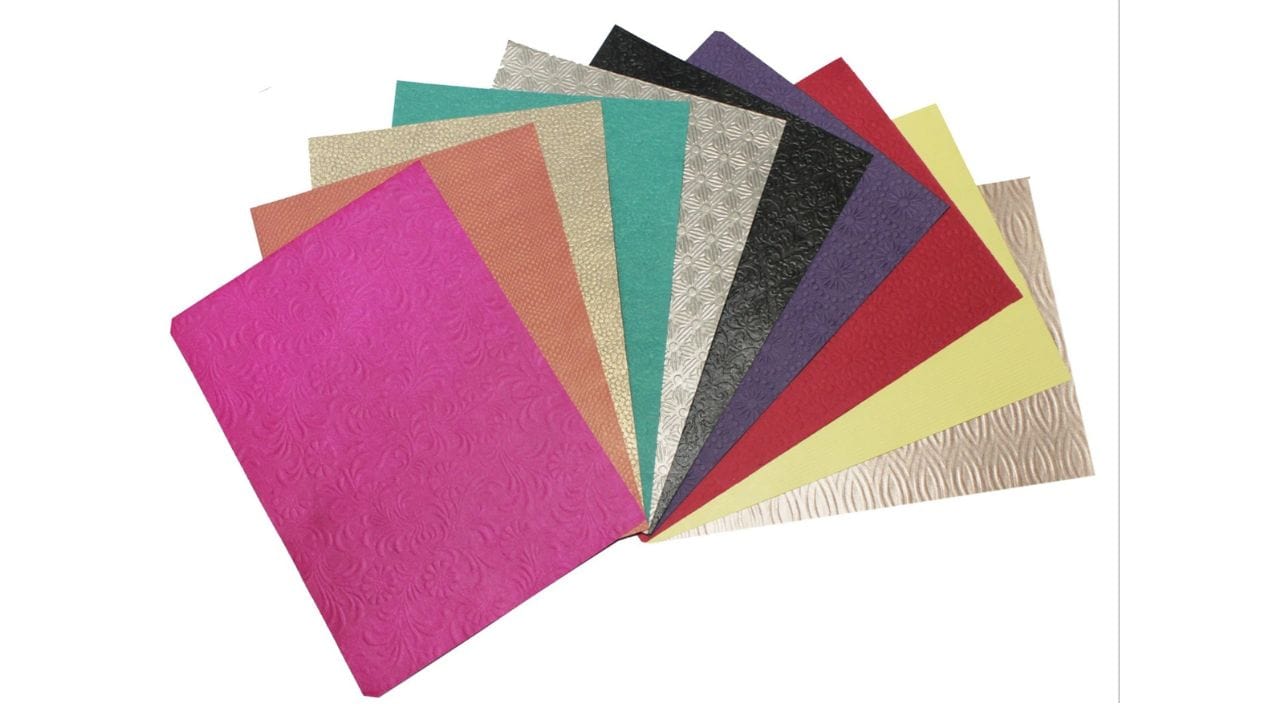
What is specialty paper? It’s regular paper with superpowers. While normal paper handles basic printing, specialty paper is built to do jobs that regular paper can’t.
This comprehensive guide will reveal how specialty paper transforms industries, protects products, and creates unforgettable brand experiences that keep customers coming back.
Beyond the Basics: What Is Specialty Paper
1. Core Definition of Specialty Paper
Specialty paper is a special type of paper. It’s made with unique features that regular paper doesn’t have. These features include extra durability, different textures, or special functional additives. The paper is built to serve specific industrial, commercial, or creative jobs.
Regular paper is great for printing and writing. But specialty paper goes way beyond that. It’s designed to do specialized tasks that basic paper simply can’t handle. Think of it as paper with superpowers.
This paper is customized for function, not just printing. Some types resist water damage. Others feel rough or smooth on purpose. Many have special chemicals mixed right into the paper. These features help the paper work better for specific jobs.
2.A Quick-Decision Guide: Choosing the Right Specialty Paper
| Need/Scenario | Recommended Specialty Paper | Eco-Friendly Option? |
|---|---|---|
| Luxury packaging | Embossed, metallic, soft-touch | Recycled or tree-free fibers |
| Food contact (grease/water) | Greaseproof, waterproof | PLA-coated, compostable |
| Security/anti-counterfeit | Security paper (watermark, fiber) | Some recycled available |
| Eco/compostable packaging | Tree-free, biodegradable coatings | ✔ Best fit |
| Receipts/labels | Thermal, adhesive-backed | BPA-free, recycled thermal |
What Is Specialty Paper Spectrum: A Classification by Function and Industry
There are many different types of specialty papers out there. The easiest way to understand them is by looking at what job they’re supposed to do.
1. By Functional Property of Specialty Paper
Specialty papers can be grouped by what they do best. There are three main types: papers that protect, papers that perform special functions, and papers that look or feel special.
A. Protective/Barrier Papers
These papers act like shields. They protect whatever is inside or underneath them.

- Waterproof paper gets a special coating that keeps moisture out. You’ll see this paper used for outdoor signs that need to survive rain. Marine charts also use waterproof paper so boat captains can navigate even in wet conditions.
- Oil-resistant paper is treated to block grease and oils. Fast-food restaurants wrap burgers in this paper. Pizza boxes use it too, so the grease doesn’t soak through and make a mess.
- Heat-resistant paper can handle very high temperatures without burning or melting. Bakers use it as oven liners. Factories use it in industrial filters where regular paper would just burn up.
B. Interactive/Functional Papers
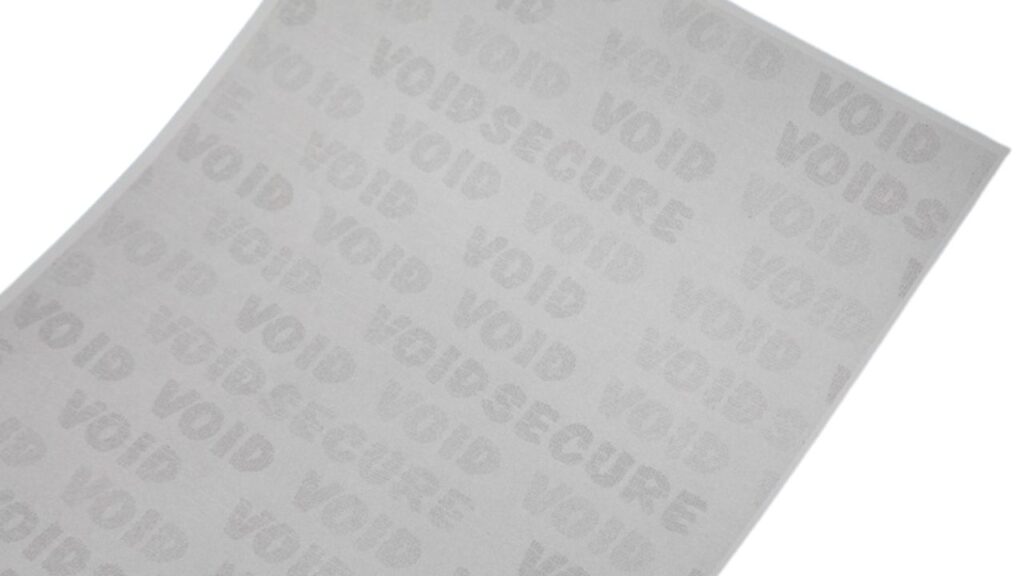
These papers don’t just sit there – they actually do something special.
- Security paper has hidden features built right in. It might have watermarks you can only see when you hold it up to light. Some types glow under UV light. Banks use this paper for money. Governments use it for passports and important documents.
- Thermal paper changes color when it gets hot. No ink needed – just heat. Most store receipts are printed on thermal paper. Lottery tickets use it too.
- Magnetic paper has tiny magnetic pieces mixed into it. This makes it perfect for ID tags that need to be scanned. Smart cards also use magnetic paper.
C. Aesthetic/Textured Papers

These papers are all about how they look and feel.
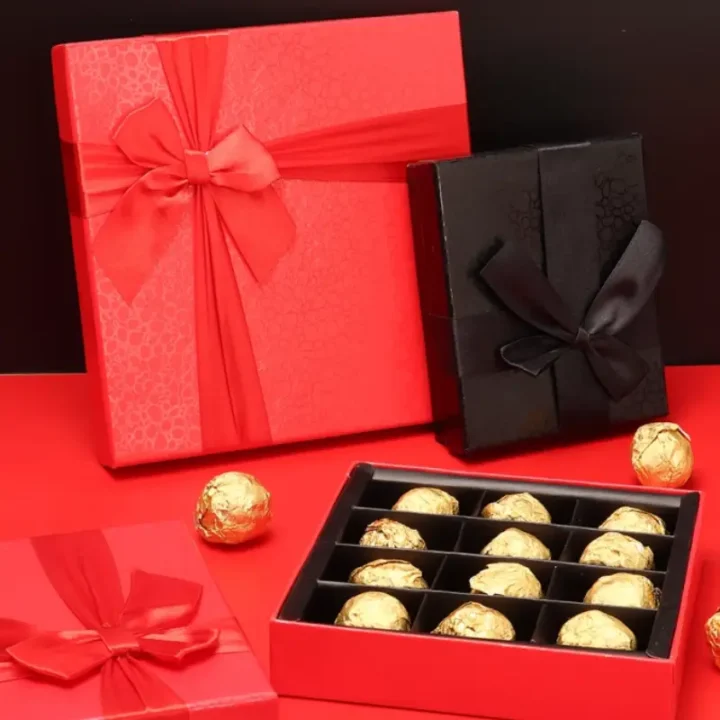
- Embossed paper has patterns pressed into its surface. This creates a raised texture you can feel with your fingers. Luxury gift boxes often use embossed paper. Wedding invitations use it to feel more special.
- Metallic paper has a shiny, mirror-like finish. Gift wrapping paper often has this sparkly look. Premium product labels use metallic paper to catch shoppers’ eyes.
- Handmade paper shows visible fibers and has an uneven texture. Each sheet looks slightly different. Eco-friendly packaging companies love this paper. Artists use it for special prints.
2. Industry Application of What is Specialty Paper Used for
| Industry | Examples of Specialty Paper | Key Properties |
|---|---|---|
| Packaging | Greaseproof, vacuum-seal, metallic, embossed | Waterproof, oil-resistant, textured, shiny |
| Healthcare | Anti-bacterial wraps, absorbent dressings | Sterile, breathable, absorbent |
| Construction | Roofing underlay, insulation, filter paper | Durable, water/heat-resistant |
| Electronics | Conductive, separator, RFID paper | Insulating, functional |
| Retail/Marketing | Security tags, scratch-off cards, premium business cards | Secure, interactive, high-impact |
What Is Specialty Paper Made of: The Manufacturing of Specialty Paper

Making specialty paper isn’t that different from making regular paper. The big difference is the extra steps that give the paper its special powers.
1. Base Materials of Specialty Paper
Everything starts with the right ingredients. Fibers come from wood pulp, recycled pulp, or special non-wood fibers. The choice depends on what strength or effects the final paper needs.
Then come the additives. These are engineered for whatever job the paper needs to do. Some additives create barriers against water or oil. Others help with hygiene or make the paper last longer. Coatings and fillers can make paper smoother or add protection.
Specialty paper starts with carefully selected pulp and adds custom treatments for its unique job.
2. Production Steps
Pulp preparation comes first. Fibers get blended together to create the right strength or texture for the final product.
Sheet formation happens next. This step looks just like making regular paper – the pulp gets formed into flat sheets.
Here’s where it gets interesting. Specialized treatment adds the special features. This might mean applying coatings to make paper waterproof. Or pressing patterns into the surface for texture. Some papers get chemical treatments that make them react to heat.
Finally, drying and calendering sets everything in place. This step controls the final texture, smoothness, or gloss level.
The process is similar to regular paper, but always includes extra steps–coating, texturing, or functional treatments.
What Is Specialty Paper Business Case: Weighing the Performance and Limitations of Specialty Paper
Specialty paper has some amazing advantages, but it also comes with a few drawbacks. Let’s look at both sides.
1. What Is Specialty Paper Functional Advantages
Targeted durability means these papers can handle tough situations that would destroy regular paper. Waterproof papers survive rainstorms. Heat-resistant papers work in ovens without burning up.
Specialized functionality lets these papers do jobs that seem impossible for regular paper. Thermal paper prints without any ink – just heat. Security papers help stop people from making fake money. Some papers even work as electrical insulation in machines.
Aesthetic versatility gives designers way more options. These papers offer textures and finishes that standard paper just can’t match. This makes them perfect for branding and creating memorable experiences.
Specialty paper solves problems regular paper can’t, from grease-proof food wraps to anti-counterfeit packaging.
2. What Is Specialty Paper Limitations
Cost is the biggest challenge. Specialty paper costs 2 to 10 times more than standard paper. The custom additives are expensive. Small batch production also drives up prices.
Recyclability challenges create environmental concerns. Some varieties like waxed or coated papers are much harder to recycle than regular paper. Always ask about eco-friendly options when choosing specialty paper.
Print compatibility can cause headaches. Some types like thermal paper won’t work with standard inks or printers. You might need special equipment or different printing methods.
Specialty paper is pricier and may be harder to recycle–balance function with eco and budget needs.
What Is Specialty Paper Need to Know: An Expert’s Guide to Design, Print, and Finishing
Here’s what I’ve learned from years of working with specialty papers. These tips will save you headaches and money.
1. Step One: Paper Selection–Align with Your Design Style and Needs
Match the Paper to Your Product’s Identity
For a vintage or natural feel (think handmade foods or artisanal products): Go with rough-textured papers like Kraft or linen paper. These have that “raw” look that customers love. Keep your designs simple – line art or foil stamping works great here. Don’t try to make these papers look sleek and polished. That’s not their job.
For high-end, eye-catching packaging (gift boxes or luxury goods): Pick smooth, coated specialty papers. Coated art paper and gold or silver cardstock are your friends. Pearlescent or soft-touch papers also work beautifully. These papers can handle bright colors and detailed graphics without breaking a sweat.
To emphasize an eco-friendly concept: Recycled paper or bamboo pulp paper tell your story before customers even read a word. Here’s a pro tip – keep that natural off-white or light yellow base color. Use less ink coverage to let the paper’s natural quality shine through.
Avoid Common Pitfalls of Paper Properties
When using rough papers like Kraft or linen: Don’t design with super bright colors like hot red or yellow. Trust me, they’ll print dull and muddy. Stick with low-saturation, vintage tones like ochre or dark brown. They look much better on these surfaces.
When using smooth, coated papers (like mirror-coated cardstock): For fine text or thin lines, use UV printing. The ink dries fast and won’t smudge. This prevents the blurry edges you get from dot gain – that effect that makes your sharp design look fuzzy.
When using thin specialty papers (like vellum or tissue paper): Don’t design structures with lots of folds. These papers tear easily. Use them for envelopes or inner liners instead. Their see-through quality creates that light, airy feeling customers love.
2. Step Two: Graphic Design–What Is Specialty Paper’s “Personality”
Every specialty paper has its own character. Fighting against it will only frustrate you and waste money. Here’s how to work with what you’ve got.
Consider the Paper’s Base Color in Your Design
Most specialty papers aren’t pure white. They come in off-white, light gray, or pale yellow tones. This will change how your colors look – and I mean really change them.
Off-white paper makes reds look warmer, almost orange-red. Greens turn lighter, like spring green. You can fix this by choosing cooler color values in your design. But here’s the thing – always get a proof to see what actually happens.
Light gray paper makes blues look darker and hazy. Yellows lose their punch and look dull. I’ve learned to pair these designs with white or gold lines. It adds brightness back and keeps the whole thing from feeling too dark or heavy.
Here’s my biggest piece of advice: Always request a proof on the final specialty paper! What you see on your computer screen will be totally different from the printed result. Getting a sample first will save you from doing the job over and over again.
Adapt Pattern Complexity to the Paper’s Texture
Roughly textured papers (like lychee-textured or cloth-textured paper) have a habit of “eating” your details. Don’t design overly complex patterns like full-bleed florals or gradients on these surfaces. The texture makes everything look blurry and muddy. Stick with simple logos, clean text, or small icons. They’ll actually stand out better.
Smooth, plain-weave papers are the opposite. Go crazy with complex patterns, color gradients, even photographs. These papers reproduce color and detail beautifully. They’re perfect for modern, graphic-heavy designs that need to pop.
3. Step Three: Finishing Processes (Foil Stamping, Embossing, etc.)–Master These Pairing Techniques
This is where things get tricky. Each finishing process works differently with different papers. Get this wrong and your whole project can look cheap or fall apart.
Foil Stamping (Gold/Silver): The Right Paper Doubles the Effect
If you’re using textured paper (like linen or lychee-textured): Don’t design tiny, fine lines for foil stamping. The foil won’t stick properly to all those bumps and valleys. You’ll get a patchy, broken look that screams “amateur.” Instead, use bigger logos or chunky shapes. Tell your printer to crank up the pressure – that’ll help the foil grab onto the uneven surface.
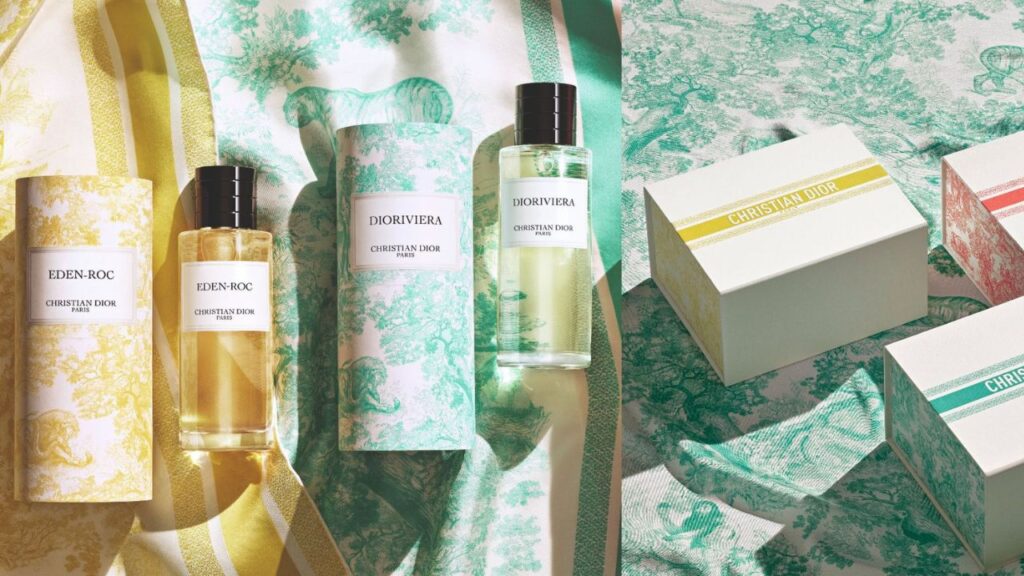
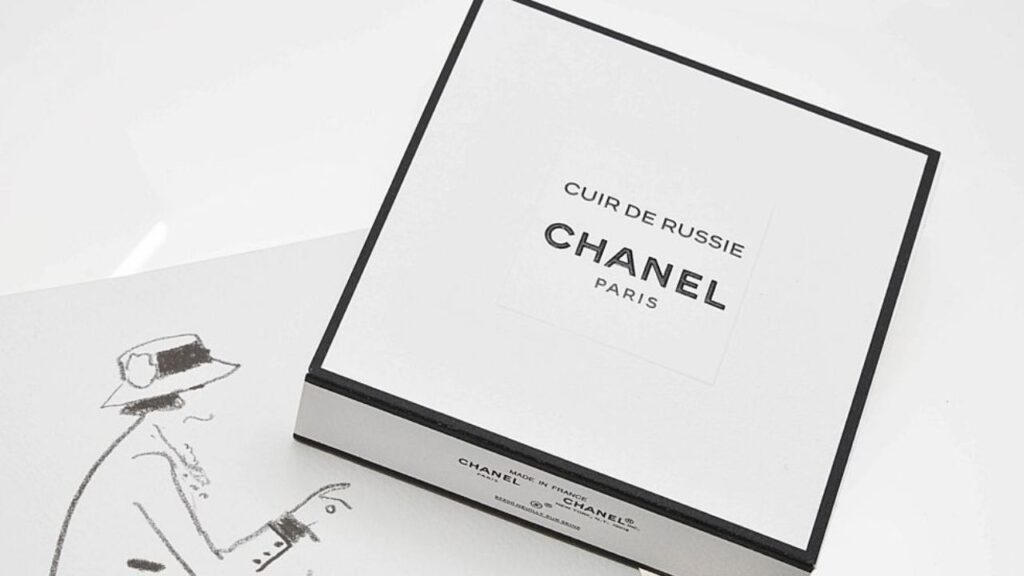
If you’re using thin paper (like vellum or lightweight art paper): Never design large foil areas. The high heat will scorch your paper and ruin everything. I’ve seen this mistake too many times. Stick with small, delicate foil accents – maybe just a logo in the corner. It looks more elegant anyway. So big brand like Chanel or Dior always choose sticker to avoid that.
Embossing/Debossing: Don’t Be Greedy with Depth or Size
When using thick paper (300gsm+ art paper) for gift boxes: You can go deeper with your emboss or deboss. A 3D logo or pattern feels amazing under your fingers and screams quality. But watch out for brittle papers like some laid papers. Large, deep embossing will crack them. A shallow impression is much safer and still looks professional.
Folding/Die-Cutting: Design with a “Margin for Error”
For coated, smooth papers (like gold or silver cardstock): Don’t design super sharp corners on fold lines. The manufacturer will round those die-cut corners slightly anyway. If they don’t, the coating cracks and you get ugly white edges showing through.
For papers with rough fibers (like recycled Kraft paper): Make your glue flaps wider when designing boxes. If they’re too narrow, the glue seeps out and stains the surface. Nobody wants brown glue marks on their beautiful packaging. Wider flaps give you a stronger bond and keep everything clean.
Conclusion: The Strategic Value of Specialty Paper
Specialty paper makes the impossible possible. It stops counterfeiters, keeps food safe, and survives in places where regular paper would fall apart in minutes. But it’s not just about solving problems – it also helps brands stand out with unique finishes and textures that customers remember.
Ready to find the perfect specialty paper for your project? Contact our packaging experts today. We’ll help you choose the right solution, provide samples, and guide you through the entire process. Your next great packaging starts with one conversation.
FAQ
Q: Can I print on specialty paper with regular inks?
A: Some can, but others (like thermal or security papers) need special equipment. We’ll check print compatibility for you.
Q: Is specialty paper recyclable?
A: Some are, but many types (especially coated or treated papers) are harder to recycle. Eco-friendly options are available—just ask.
Q: Is specialty paper food-safe?
A: Yes, food-grade specialty papers are widely used for direct or indirect food contact.
Q: Why does specialty paper cost more?
A: It’s custom-engineered in smaller batches, with advanced additives or treatments, so it is 2–10x the cost of standard paper.

 English
  العربية
  Deutsch (Sie)
  Español
  Français
  日本語
日本語  한국어
한국어  Italiano