
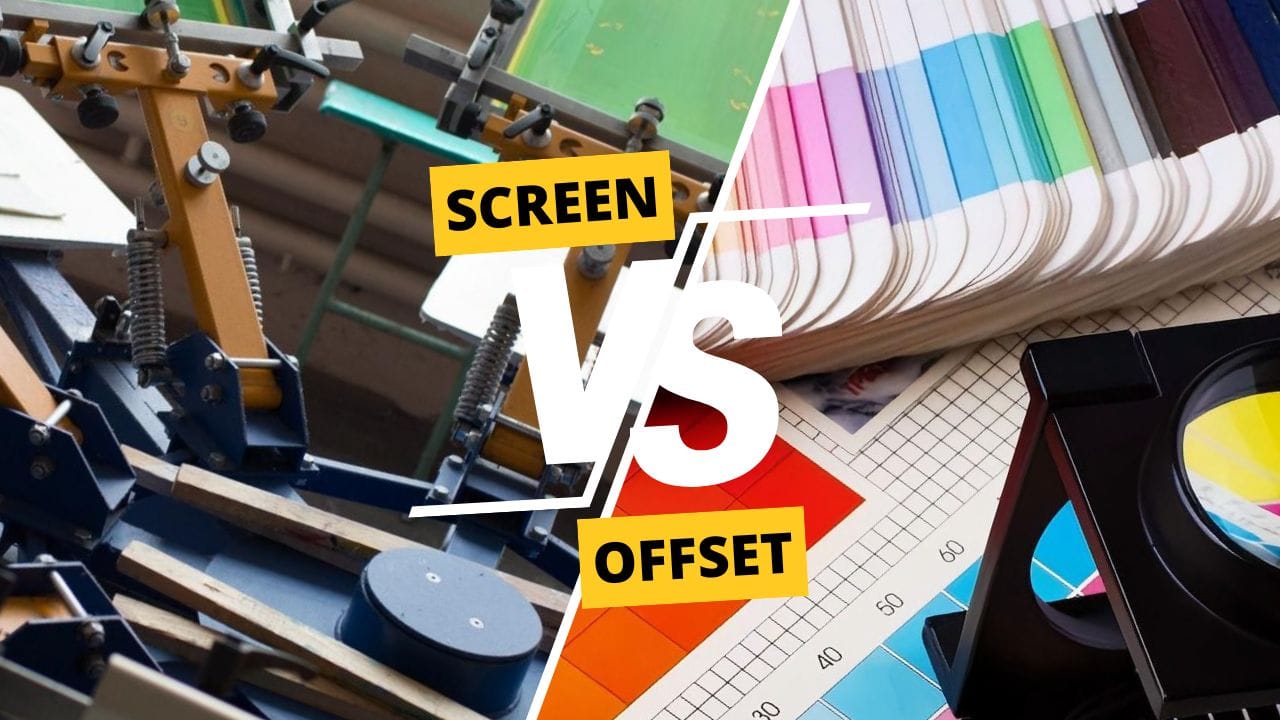
The Core Dilemma: Why the Offset Printing vs Silkscreen Printing Choice Matters
Ever wonder why some packages have that crisp, photo-like quality while others have bold, thick colors that pop off the surface? The secret lies in offset printing vs silk screen printing that most people never think about.
Offset printing and silk screen printing work like two different tools. Each one is perfect for different jobs. Choosing the wrong one can cost you money and disappoint your customers. But picking the right one makes your product stand out on the shelf. Ready to learn which method works best for your project?
Your Definitive Guide to the Offset vs Silkscreen Decision
Think of this guide as your personal printing advisor. We’ll break down how offset printing and screen printing actually work. You’ll learn about real costs, not just machine prices. Whether you’re printing on cardboard, plastic, or specialty packaging materials, you’ll know exactly what to expect.
Quick Decision Matrix: Offset vs. Silk Screen Printing
| If Your Packaging or Product… | …And Your Primary Goal is… | Your Best Choice is |
|---|---|---|
| Requires high-resolution photos, fine text, or detailed gradients on flat paper/cardboard | Crisp image quality and perfect color matching for a premium, professional look | Offset Printing |
| Is made from plastic, metal, glass, or other non-absorbent or uneven materials | Bold, solid colors and tactile effects, or printing on curved/special surfaces | Silk Screen Printing |
| Is a large production run (5,000+ units) of folding cartons, boxes, or labels | Lower unit cost for high volumes and consistent brand appearance across every piece | Offset Printing |
| Needs eye-catching, raised logos or metallic/fluorescent special effects | Standout branding with a premium textured feel, limited edition or promotional items | Silk Screen Printing |
| Has a simple design (1-2 colors) and is a short run (1-1000 pieces) | Quick turnaround with lower setup costs for small batches | Silk Screen Printing |
| Needs both photo-quality printing and a special raised logo or spot color | Combine sharp images with tactile effects for best shelf appeal | Hybrid: Offset + Silk Screen |
| Is for eco-friendly or “green” brand positioning | Use water-based or soy-based inks for lower environmental impact | Both methods (with eco inks) |
Understanding the Mechanics: How Offset Printing and Silkscreen Work
1. Offset Printing

Offset printing works like a high-tech copying machine for packaging. Here’s the simple version: your design gets carved into a thin aluminum plate. Ink sticks to the carved areas. Then a soft rubber blanket picks up the ink and presses it onto your packaging material. Think of it like a stamp, but much more precise.
The aluminum plates hold your design perfectly. The rubber blanket spreads ink evenly across smooth surfaces. This makes offset printing perfect for cardboard boxes, paper bags, and folding cartons. If your packaging has detailed photos or tiny text, this method keeps everything sharp and clear.
For more about offset printing click here for ultimate guide for offset printing.
2. Silk Screen Printing (Serigraphy)
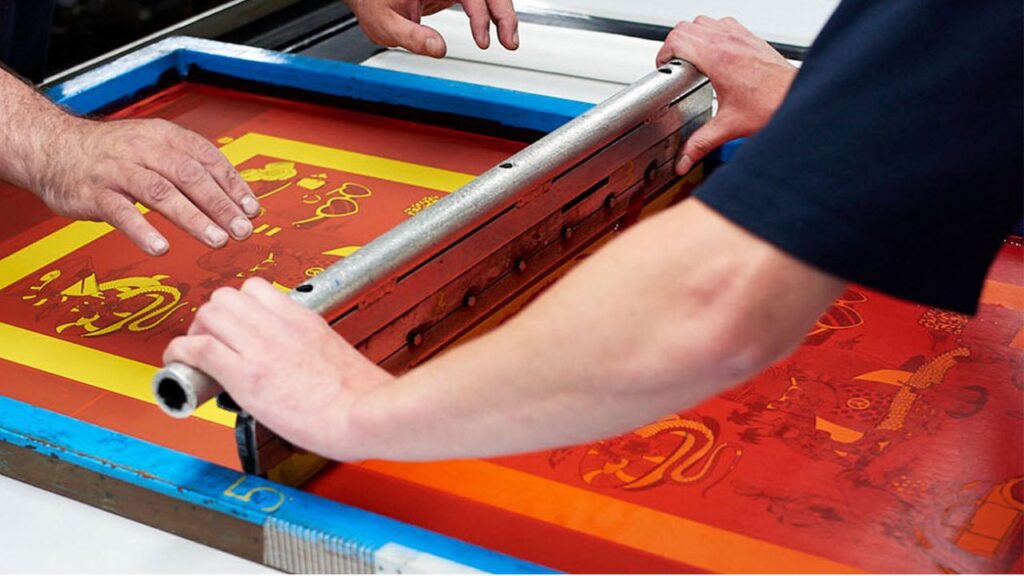
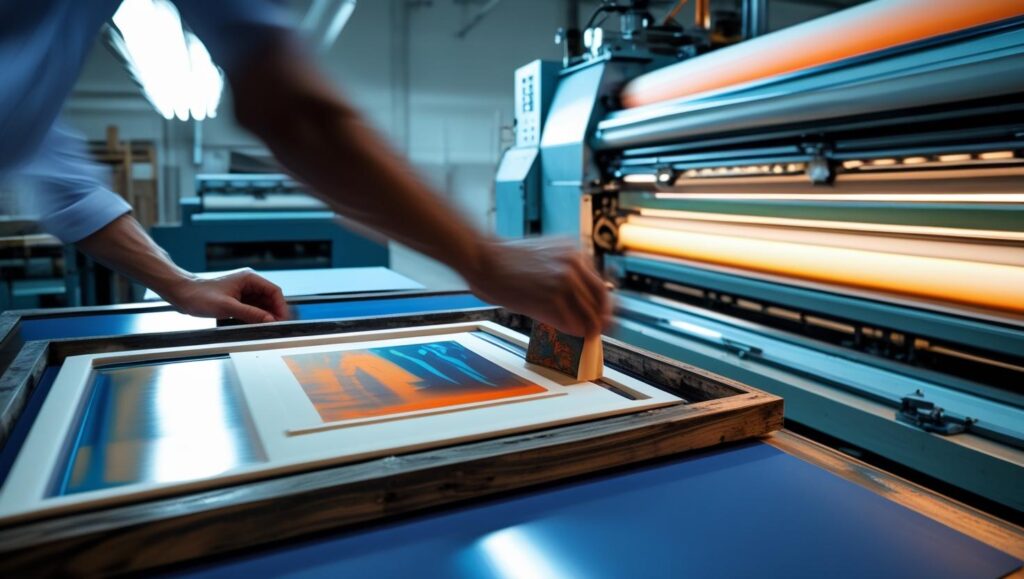
Screen printing works more like pushing paint through a stencil. Your design gets cut into a stencil that sits on top of a mesh screen. A tool called a squeegee pushes thick ink through the open parts of the screen onto your packaging.
The mesh screen can be made from polyester or silk fabric. The stencil blocks ink where you don’t want it. This method puts down thick, bold layers of ink. Screen printing works great for plastic containers, metal tins, and any packaging where you want bright, solid colors that really pop. It handles bumpy or curved surfaces better than offset printing.
For more about screen printing click here for ultimate guide for silk screen printing.
Offset Printing vs Silkscreen printing: A Direct Process Showdown
| Aspect | Offset Printing | Silk Screen Printing |
|---|---|---|
| Prepress Setup | Time-consuming (plate creation, press calibration). | Time-consuming (screen preparation, stencil making). |
| Ink Application | Indirect (plate → blanket → substrate). | Direct (squeegee pushes ink through mesh). |
| Color Management | CMYK + spot colors with precise Pantone matching. | Spot colors (Pantone) or CMYK with separations. |
| Substrate Requirement | Flat, smooth surfaces (paper, cardstock). | Flat or slightly curved; compatible with thick materials (fabrics, plastics). |
| Production Speed | High-speed for large runs after setup. | Slower for multi-color designs (each color needs a separate screen). |
Aesthetic Outcomes: Comparing Print Quality in Offset vs Silkscreen
For Flawless Detail: A Look at Resolution
1. Offset Printing
Offset printing gives you sharp, crisp details that look professional. It can print tiny text you can actually read. Photos look smooth and realistic. If your packaging needs detailed product images or small ingredient lists, offset printing keeps everything clear and easy to read.
2. Silk Screen Printing (Serigraphy)
Screen printing works best for bold, simple designs. Think big logos, solid colors, and eye-catching graphics. It’s not great for tiny details or photo-realistic images. But when you want your brand logo to really stand out, screen printing makes it pop off the package.
Achieving Perfect Hues: Color Consistency and Vibrancy
1. Offset Printing
Offset printing matches your brand colors perfectly every time. Your red will always be the same red across thousands of packages. This keeps your brand looking consistent on store shelves. It can print almost any color you can imagine.
2. Silk Screen Printing (Serigraphy)
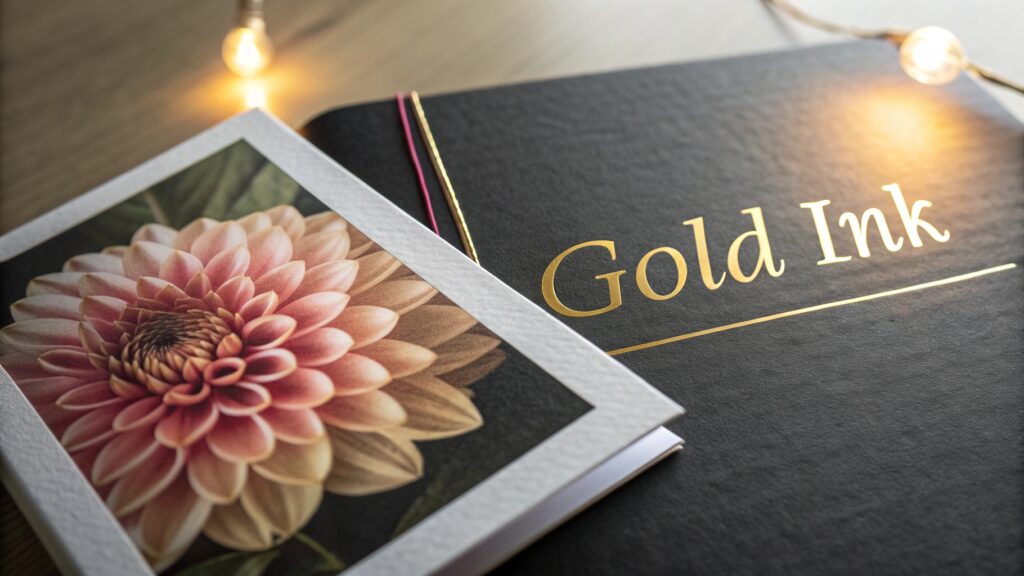
Screen printing creates colors that really grab attention. Want neon green or shiny gold? Screen printing can do that. The colors are thick and bright. Perfect for making your packaging stand out in a crowded market.
Beyond Sight: The Tactile Experience of Each Finish
1. Offset Printing
Offset printing gives you a smooth, flat finish. You can add special coatings on top to make it glossy or protect it from scratches. Great for packaging that needs to look clean and professional.
2. Silk Screen Printing (Serigraphy)
Screen printing creates a raised, textured feel you can actually touch. Your customers can feel the quality difference when they pick up your package. Some people worry that screen printing might look cheap or handmade. That’s not true with professional work. This tactile effect actually makes your brand feel more premium and memorable.
Here’s what we recommend: get a real sample made first. Many of our clients love combining both methods. Picture your company logo screen-printed on an offset-printed box. The logo feels raised and special while the rest looks crisp and detailed. When you hold it, you’ll know right away if it’s what you want. Getting a sample costs a little upfront but saves you from expensive mistakes later.
The Financial Factor: A Cost Analysis of Offset Printing vs Silkscreen
Breaking Down the Initial Setup Costs
1. Offset Printing
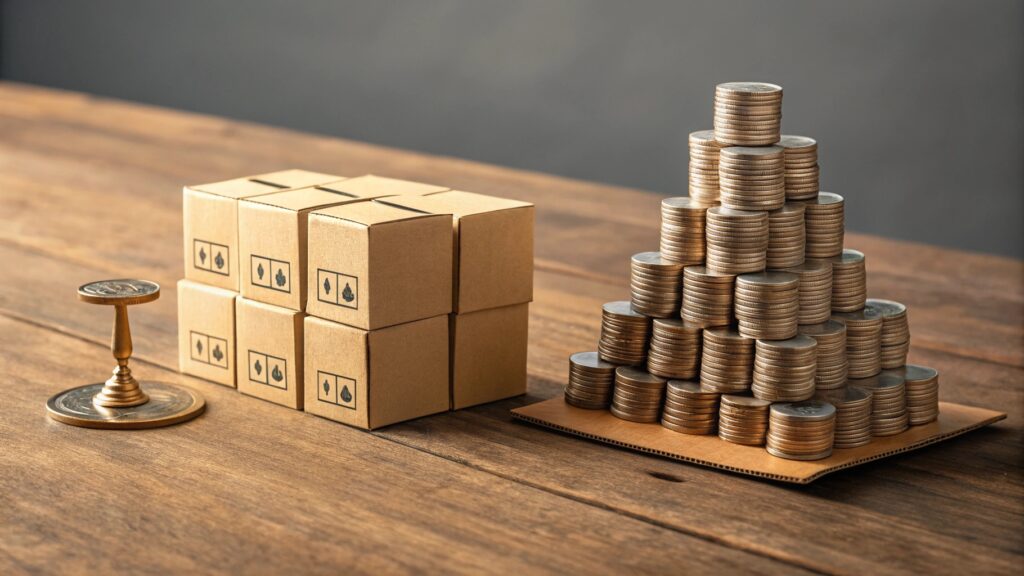
Offset printing costs more to get started. You’ll pay $200 to $300+ just to set up the machine and make the aluminum plates. Think of it like buying expensive tools that work great once you have them.
2. Silk Screen Printing (Serigraphy)
Screen printing costs less upfront. Setup runs $100 to $200 for making the screen frames and stencils. But if you want multiple colors, each color needs its own screen. That adds up fast.
How Production Volume Affects Per-Unit Pricing
1. Offset Printing
Offset printing starts expensive for small orders. If you need less than 2,000 pieces, each box costs more. But here’s the good news: once you hit 5,000+ pieces, the cost per box drops big time. The machine runs fast and cheap once it’s going.
2. Silk Screen Printing (Serigraphy)
Screen printing works backwards. Small batches cost more per piece because someone has to print each one by hand. But for runs of 500+ pieces, the cost per unit gets much better.
Which is More Cost-Effective for Your Project?
Small runs (1-100 pieces): Screen printing wins for simple designs. Lower setup costs mean you spend less overall.
Large runs (5,000+ pieces): Offset printing becomes the smart choice. The high setup cost gets spread across thousands of pieces. Each box ends up costing much less.
Here’s the sweet spot many clients miss: if you’re printing 1,000-3,000 pieces with detailed designs, offset printing often costs the same as screen printing but looks way better. Always ask for quotes on both methods before deciding.
Time to Market: Production Speed in the Offset vs Silkscreen Race
1. Offset Printing
Setup takes 2-4 hours for plate preparation and color calibration. Once the machine starts running, it flies. Large presses can print 10,000-15,000 sheets per hour.
What this means for your business: if you need 10,000 boxes, offset printing finishes your whole order in about one day after setup. Perfect when you have a product launch deadline or need to restock quickly.
2. Silk Screen Printing (Serigraphy)
Setup takes 1-3 hours for screen preparation and color alignment. But printing goes much slower at 50-100 items per hour for single-color designs.
What this means for your business: if you need 1,000 boxes, screen printing takes about 10-20 hours of actual printing time. But the shorter setup time means you can start printing sooner. Great for test runs or when you’re not sure about final quantities.
The bottom line: Offset printing wins for large runs when speed matters. Screen printing gives you more flexibility for short runs and special effects. If you’re launching a new product and want to test the market with 500 units first, screen printing gets you to market faster. If you already know you need 5,000+ units, offset printing delivers them much quicker once production starts.
Adaptability Check: How Flexible Are Offset and Silkscreen Printing?
Variable Data Printing
Both offset printing and screen printing struggle with customization. If you want to change your design halfway through production, you’ll need new plates or new screens. That means extra time and money. If you need different versions of your packaging, plan them all upfront.
Material Compatibility: What Can You Print On?
1. Offset Printing
Offset printing works great on paper, cardstock, and some plastics. Perfect for most standard packaging like boxes, bags, and labels. If your packaging uses common materials, offset printing handles them well.
2. Silk Screen Printing (Serigraphy)
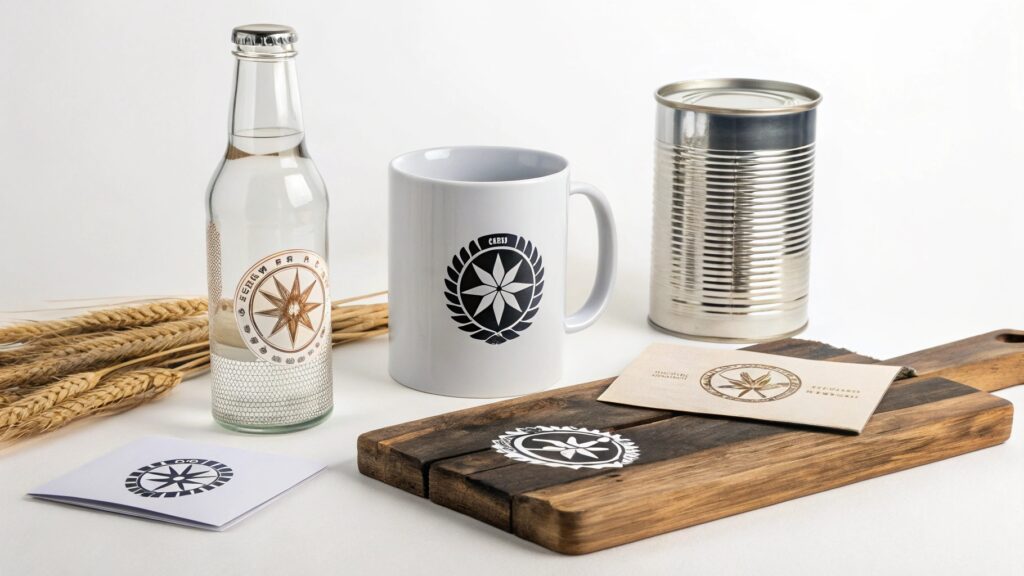
Screen printing works on almost anything. Plastic containers, metal tins, fabric bags, even glass jars. If you have unusual packaging materials or want to print directly on your product, screen printing probably can do it.
Design Iterations
Screen printing gives you slightly more flexibility for small changes. Making a new screen costs less than making new aluminum plates. But both methods work best when you stick with your final design from the start.
The Green Question: Environmental Impact of Offset vs Silkscreen
1. Offset Printing
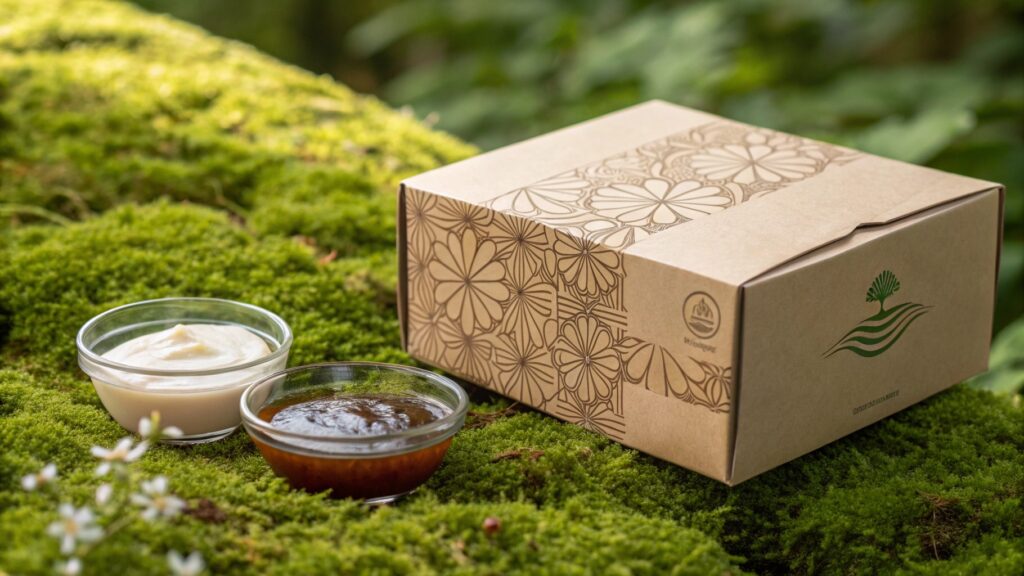
Traditional offset printing uses oil-based inks that release chemicals into the air. Soy-based alternatives work with FSC material better for the environment if that matters to your brand.
2. Silk Screen Printing (Serigraphy)
Standard screen printing inks also release chemicals. Water-based inks cause less environmental impact if you’re building an eco-friendly brand.
If environmental impact matters to your customers, ask about eco-friendly ink options upfront. Both methods offer greener alternatives that might fit your brand values better.
Applications and Industry Use Cases
Offset Printing Applications
Offset printing dominates packaging when you need precise details and consistent colors. Custom boxes with product photos, ingredient labels with tiny text, and any packaging where brand colors must match perfectly across thousands of units. If your packaging sits on retail shelves next to competitors, offset printing keeps your brand looking professional and consistent.
Silk Screen Printing Applications
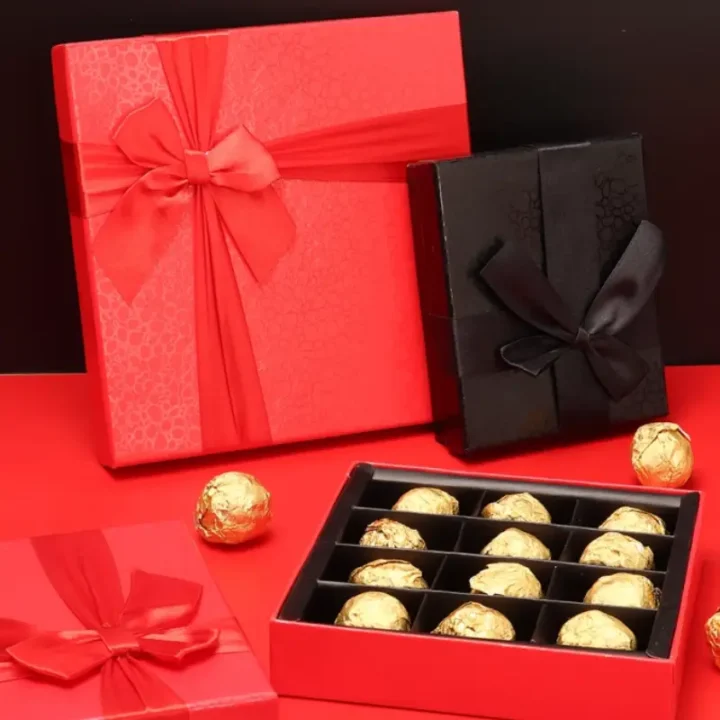
Screen printing excels for packaging that needs to grab attention or feel premium. Think bold logos on plastic containers, metallic accents on gift boxes, or raised text that customers can feel. Perfect for promotional packaging, limited edition products, or any time you want your package to feel special in someone’s hands.
Beyond the Binary: The Future of Offset and Silkscreen Printing
The Hybrid Approach: Getting the Best of Both Worlds
Smart brands often use both methods together. Start with offset printing for your main design, then add screen printing for special touches. Picture a beautifully detailed box printed with offset, then a raised company logo added with screen printing. Your customers get crisp photos and readable text, plus a premium tactile experience when they touch your logo.
Technological Advances
New digital systems make screen printing setup faster and cheaper than before. Both methods now offer eco-friendly inks if environmental impact matters to your brand.
Here’s how to think about upgrades: start with the method that fits your current budget and volume. As your business grows, you can always add the second method for premium touches. Many successful brands begin with offset printing for consistency, then add screen printing accents once they can afford the extra investment.
Conclusion
Both technologies will coexist, with offset dominating packaging and screen printing thriving in custom merchandise and high-value packaging accents.
Your biggest fear—”what if I choose the wrong technology and waste my money”—is gone. We don’t let you guess. We design the process around your actual product and business stage, giving you the most cost-effective and beautiful result, every time.
Don’t spend weeks researching printing options when you could have professional samples in your hands next week. Get a free consultation and sample quote tailored to your specific packaging needs.
 English
  العربية
  Deutsch (Sie)
  Español
  Français
  日本語
日本語  한국어
한국어  Italiano