

An Introduction to Offset vs Digital Printing
Choosing the right printing method affects your costs, quality, and timeline. Offset printing or digital printing each works best for different situations — but how do you know which one fits your project?
Offset printing handles large quantities with consistent quality. Digital printing works great for smaller runs and quick jobs. The difference in cost and results can be huge depending on what you’re printing.
This guide explains how each method works, what they cost, and when to use them. You’ll learn which option gives you the best value for your specific needs.
Offset vs Digital Printing at a Glance: Your Quick Decision Guide
| If Your Primary Need Is… | …And Your Project’s Characteristics Are… | …Then Your Best Choice Is |
|---|---|---|
| Cost Control | High volume (e.g., >500 units) with a fixed design, aiming for the lowest cost per unit. | Offset Printing |
| Cost Control | Low volume (e.g., <500 units), or for market testing and proofing. | Digital Printing |
| Speed | A tight deadline requiring delivery within a few days or even next-day service. | Digital Printing |
| Color Accuracy | Extremely high standards for brand colors, requiring precise Pantone matching, especially for specialty colors like metallics or fluorescents. | Offset Printing |
| Personalization | Each item has unique content, such as different names, QR codes, images, or serial numbers (Variable Data Printing). | Digital Printing |
| Premium Feel & Finish | Requires advanced finishing like foil stamping, embossing, UV coating, or printing on specialty textured or heavy paper stock. | Offset Printing |
| Design Flexibility | The design is not yet final and may require frequent changes or testing multiple versions. | Digital Printing |
Understanding the Offset vs Digital Printing: Understanding the Core Technology
Offset Printing: The Gold Standard for Quality and Volume
Offset printing is a traditional method that uses metal plates to transfer ink. The process works in three steps:
- Plate preparation: Metal plates are etched with your design. Ink sticks only to the image areas on these plates.
- Ink transfer: The plate transfers ink to a rubber blanket. This blanket then presses the ink onto your paper or packaging.
- Final printing: The rubber blanket creates high-quality, consistent prints on your material.
Key parts include metal plates (one per color), a rubber blanket, an ink fountain, and an impression cylinder. This indirect transfer — from plate to blanket to paper — is why it’s called “offset.”
For more about offset printing, click here for the ultimate guide for offset printing.
Digital Printing: The Modern Engine for Speed and Flexibility
Digital printing works like a powerful version of your office printer. It prints digital files directly onto materials without any plates. No setup time needed.
Two main types exist:
- Inkjet printing: Tiny nozzles spray ink in precise patterns onto your material. Very accurate placement.
- Toner-based printing: Electrically charged toner powder sticks to the material. Heat then melts it permanently in place.
For more about offset printing, click here for the ultimate guide for digital printing.
We understand most clients don’t want to dive into the technicalities of RIP software, ink types, or energy consumption. Our job is to translate your design and material needs into the right printing process, so you don’t need to worry about the underlying technology.
We will always advise you on the best printing method for your packaging project, based on your actual needs–not just by numbers.
Offset vs Digital Printing: A Side-by-Side Process Comparison
Here’s how the two methods compare across key factors that matter for your packaging projects:
| Aspect | Offset Printing | Digital Printing |
|---|---|---|
| Prepress Setup | Time-consuming (plate creation, press calibration). | Instant (no plates; direct file upload). |
| Ink/Toner Application | Wet ink transferred via plates and blankets. | Dry toner (laser) or liquid ink (inkjet) applied directly. |
| Color Management | CMYK + spot colors (Pantone) with precise matching. | CMYK with extended color gamut; spot color approximation. |
| Substrate Compatibility | Wide range (textured, heavy stocks, plastics). | Limited to flat, smooth, or slightly textured surfaces. |
| Production Speed | Slower setup, but high-speed printing for large runs. | Fast setup and printing, ideal for on-demand jobs. |
Offset vs Digital Printing: The Visual Impact on Quality, Color, and Finish
Resolution and Detail Sharpness
- Offset Printing: Delivers high resolution (175-300 lpi — lines per inch). Creates smooth gradients and photo-realistic images. Solid colors look rich and even across your entire package. Perfect for premium packaging with detailed graphics. Fine text stays sharp. Complex designs print clearly without pixelation. As your quality consultants, we recommend offset when your brand positioning demands the highest visual impact.
- Digital Printing: Offers good resolution (up to 1,200 dpi — dots per inch). Handles most packaging designs well. May show slight stepping in smooth color transitions. Excels with variable data like unique QR codes, personalized graphics, or vibrant photos. Fine lines can look slightly rough due to toner droplet size limitations. Still produces professional results for most applications.
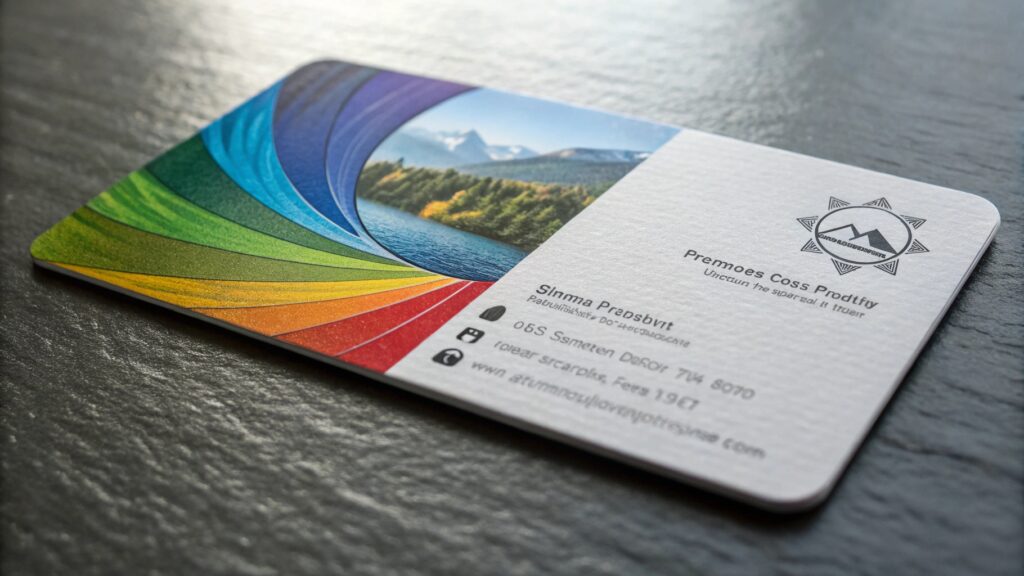
Color Consistency and Brand Accuracy
- Offset Printing: Achieves exact Pantone color matching using premixed inks. For brands needing precise color consistency, we’ll recommend offset printing — it’s the only process that delivers true color matching with specialty inks. Once calibrated, every box or label prints with identical colors. No color drift during long production runs.
- Digital Printing: Uses ICC profiles for color management. Colors may vary slightly between different print runs or machines. Cannot match exact Pantone colors, especially metallics or specialty inks. Approximates brand colors but not perfect matches.
Tactile Feel and Final Finish
- Offset Printing: Creates smooth ink coverage. Works perfectly with varnishes, UV coatings, and embossing. For special substrates like textured papers or coated films, we’ll guide you to the process that delivers the best look and feel.
- Digital Printing: Produces flat finishes. Toner may crack when folding heavy cardboard. Limited finishing options compared to offset printing.
Want to eliminate guesswork? We can produce physical samples for both processes. This lets you directly compare color accuracy, print sharpness, and tactile feel. Seeing is believing!
Offset vs Digital Printing: A Financial Breakdown and Cost Analysis
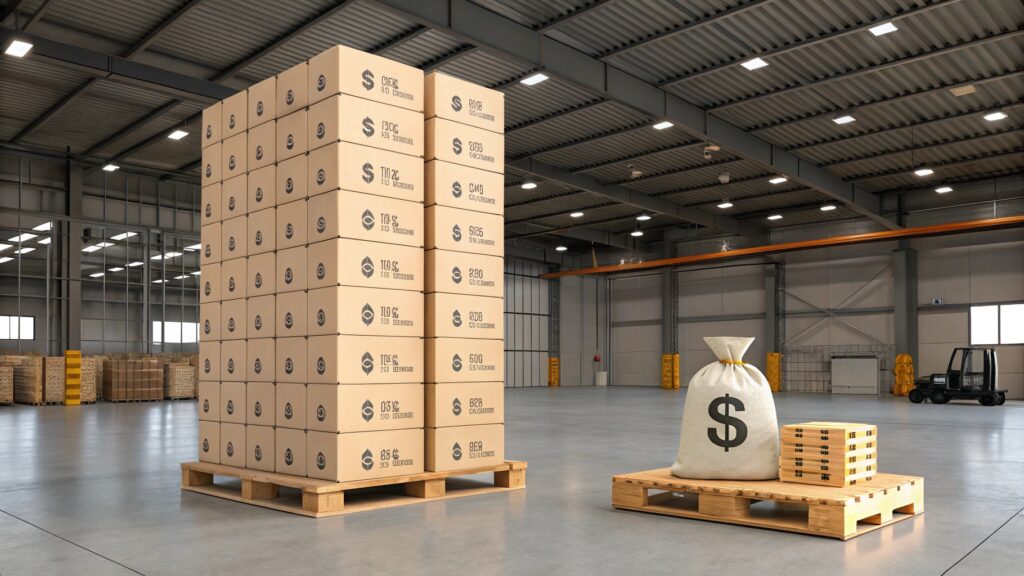
Understanding printing costs helps you make smart budget decisions. We turn “guesswork” into “arithmetic” by providing a precise cost analysis for your specific project.
The Initial Investment: Setup Costs
- Offset Printing: Initial costs ($100-$200) before printing starts. Includes plate creation, press calibration, and test sheets during setup. These costs stay the same whether you print 100 boxes or 10,000 boxes. That’s why small quantities get expensive per unit.
- Digital Printing: Low setup costs ($0-$100) with minimal equipment adjustments needed. No plates to create means you can start printing almost immediately. Setup costs barely affect your total project cost, even for small quantities.
The Price-Per-Piece: How Volume Drives Unit Costs
- Offset Printing: High per-unit cost for small runs (under 500 copies). Cost drops significantly for large volumes (1,000+ units) as setup costs spread across more pieces. Creates a line with a high starting point but flatter increase: Total = Setup Fee + Quantity x Lower Unit Price.
- Digital Printing: Consistent per-unit cost regardless of quantity. Printing 100 pieces costs the same per unit as printing 2,000 pieces. Creates a steadily rising cost line: Total = Quantity x Unit Price. No volume discounts, but no volume penalties either.
Finding Your Break-Even Point: Cost-Effectiveness by Run Size
Rather than giving you vague quotes, we create clear cost charts based on your actual design. These two cost lines always cross at a specific point. For example: “For quantities up to 500 units, digital printing is more economical; above 500 units, offset’s lower unit price takes over.”
- Small runs (1-500 units): Digital printing wins for small and individualized orders.
- Large runs (500+ units): Offset printing becomes more economical for larger, standardized batches.
We’ll always show you the exact break-even point so you can make a 100% correct, data-based decision that fits your real sales volume. No more fear of making the wrong choice.
Offset vs Digital Printing: A Look at Speed & Timelines
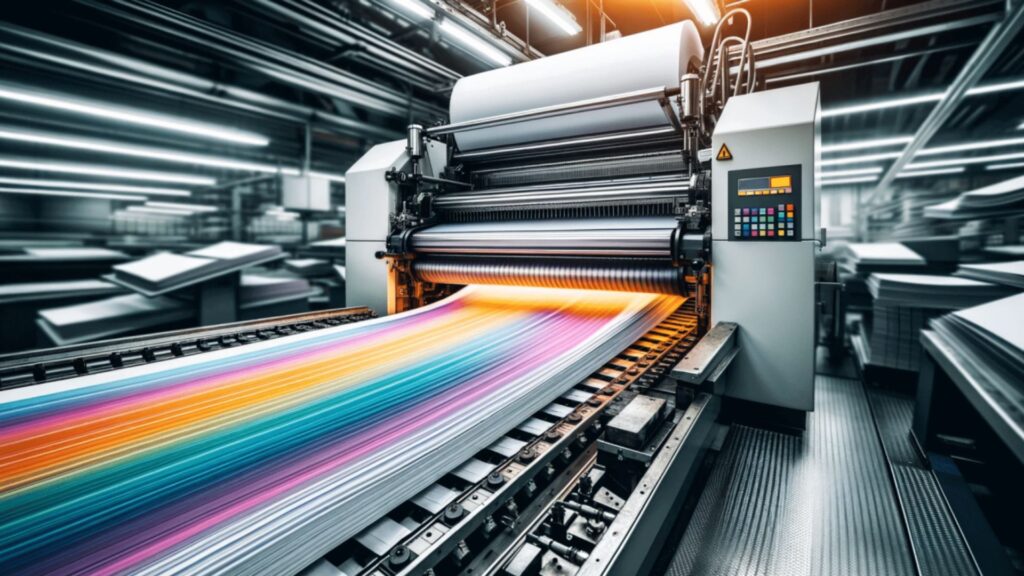
Timing matters for your packaging projects. Each printing method handles deadlines differently based on setup requirements and production speeds.
From File to Press: The Upfront Time Commitment
- Offset Printing: Takes 2-4 hours for plate preparation and color calibration. Must complete setup before any printing begins. Once running, it produces consistent results but cannot easily switch between different designs.
- Digital Printing: Quick setup in 10-30 minutes for file processing and printer calibration. Start printing almost immediately. Can instantly switch between different designs without additional setup time.
The Pace of Production: How Fast Can You Print?
- Offset Printing: High-speed printing at 10,000-15,000 sheets per hour on large presses. Perfect for bulk orders once setup is complete. Most efficient for planned, high-volume projects. Delivers rapid output and consistent quality throughout long runs.
- Digital Printing: Moderate speed at 100-500 sheets per hour. Compensates with instant design switching and no setup delays. Perfect for urgent orders or when you need multiple design variations in one job.
Total Project Turnaround: From Order to Delivery
- Offset Printing: Standard jobs take 3-7 days. Longer for complex setups or specialty finishes.
- Digital Printing: Same-day or next-day delivery for urgent orders. We know delivery time is critical — digital printing offers ultra-fast turnaround ideal for trial orders or rush projects.
Bottom line: Digital wins for speed and flexibility. Offset wins for efficiency on large, planned production runs.
Offset vs Digital Printing: Flexibility and Customization
Different projects need different levels of flexibility. Here’s how each method handles customization and design changes.
The Power of Personalization: Variable Data Printing
- Offset Printing: Struggles with variable data since each variation requires new plates. Expensive and time-consuming for personalized content. Best for standardized designs across all pieces.
- Digital Printing: Excels at printing unique content on each piece. Perfect for personalized marketing with names, addresses, or unique QR codes. Example: 1,000 gift boxes with individual customer names print easily without extra setup costs.
Beyond Paper: Substrate and Material Versatility
- Offset Printing: Handles thick cardboard (18pt+), textured papers, plastics, and metalized films. Works with almost any packaging material you choose. Perfect for premium packaging that needs special materials or heavy cardboard construction.
- Digital Printing: Limited to thinner materials (up to 12pt) and smooth surfaces. Some industrial printers support rigid substrates with special coatings. Works well for labels, lightweight boxes, and standard packaging materials.
Adapting on the Fly: Design Iterations and Prototyping
- Offset Printing: Expensive to modify designs since new plates cost money. Best when your artwork is completely finalized. Example: 50,000 cartons with locked-in branding and no changes needed.
- Digital Printing: Easy to update files and print test samples without additional costs. Perfect for testing different designs or making last-minute changes. Example: Testing 3 different label designs before committing to large production runs.
Real scenario: For 1,000 personalized gift boxes, choose digital. For 50,000 identical cartons, choose offset.
Offset vs Digital Printing: Analyzing the Environmental Footprint
Sustainability matters for modern packaging. Both printing methods offer eco-friendly options when you need them.
The Ecological Profile of Offset Printing
- Ink Types: Traditional oil-based inks release VOCs (Volatile Organic Compounds) during printing. Soy-based inks provide a more eco-friendly alternative but cost slightly more.
- Waste Production: Creates metal plates, scrap sheets during setup and uses chemical plate cleaners. Most metal plates can be recycled.
- Energy Use: Higher energy consumption for large press operation and extended ink drying times.
The Environmental Edge of Digital Printing
- Ink and Toner: Uses water-based inks with low VOC emissions. Toner contains plastic particles that aren’t biodegradable, but newer formulations improve environmental performance.
- Waste Production: Minimal waste since no plates are needed. Ink cartridges may be recyclable depending on the manufacturer’s programs.
- Energy Use: Lower energy consumption due to smaller equipment and faster processing times.
Making the Sustainable Choice
Both processes can be tailored for sustainability when environmental impact is a priority. We offer eco-friendly options, including soy-based inks, recyclable cardboard materials, and FSC-certified paper stock.
Our approach: Tell us your sustainability goals, and we’ll recommend the best green solution. We handle all technical details to ensure your packaging meets environmental standards without compromising quality. Whether you need minimal waste for small runs or sustainable materials for large production, we’ll guide you to the right choice for your project and values.
Offset vs Digital Printing: Real-World Applications by Industry
Each printing method excels in different packaging scenarios. Here’s where each works best for your specific needs.
When to Choose Offset: Bulk, Brands, and Beauty
- Packaging Focus: Custom boxes, full-color cartons, labels, and cards for brands requiring precise color matching, special finishes, or large batch runs. Perfect for established products with consistent branding needs. Works exceptionally well when you need premium finishes like spot UV coating, embossing, or foil stamping across thousands of units.
- Example scenarios: Monthly subscription boxes with 5,000+ units, retail product cartons for nationwide distribution, or premium gift boxes for holiday sales.
When to Choose Digital: Startups, Samples, and Speed
- Packaging Focus: Short-run boxes, sample kits, personalized labels, QR-coded packaging, and custom gift bags for new launches, market testing, or seasonal promotions. Ideal for testing new products, limited editions, or when you need unique content on each package. Perfect for startups and growing brands exploring different markets.
- Example scenarios: Product launch with 500 test boxes, personalized subscription boxes with customer names, seasonal packaging with unique QR codes for different promotions.
Matching Method to Your Business Stage
- New launches and testing: Digital printing lets you experiment with designs and quantities without major investment.
- Established products: Offset printing delivers consistent quality and cost savings for regular production runs.
We focus exclusively on packaging applications that matter to your business — boxes, cartons, labels, cards, and gift bags. We’ll help you match the right process to your product and growth stage.
The Future of Offset vs Digital Printing: Hybrid Solutions and Innovations
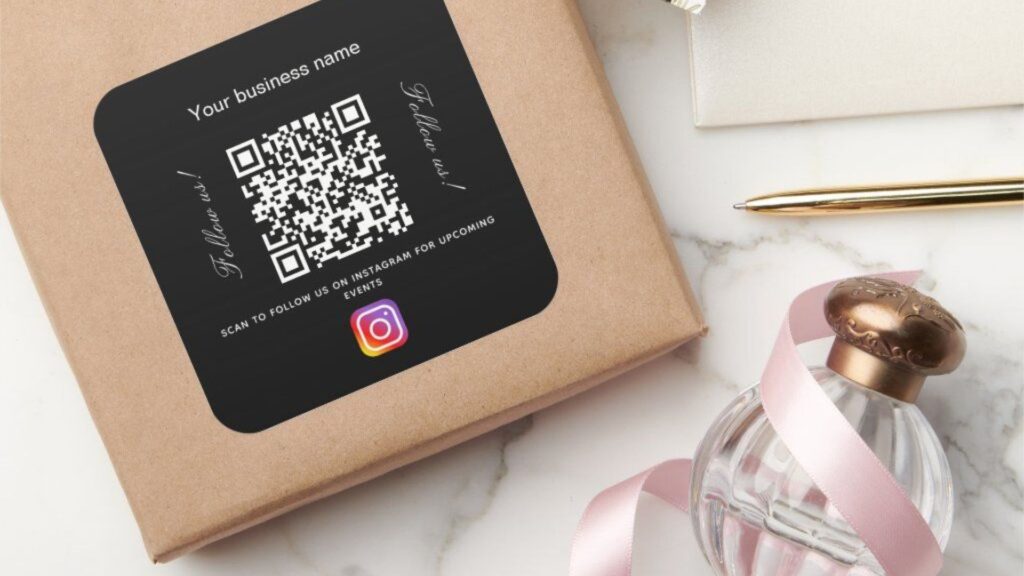
Your packaging needs may evolve as your business grows. We offer flexible solutions that adapt to changing requirements without forcing you to choose just one method.
The Best of Both Worlds: Integrating Offset and Digital
- Offset + Digital Integration: Use offset for base colors and digital for variable data. Perfect for bulk packaging with personalized inserts — each customer gets unique content while maintaining cost-effective base production. Example: 10,000 subscription boxes printed offset with digitally personalized welcome cards inside.
- Post-Print Finishing: Apply offset-style premium effects like varnish and foil stamping to digital prints. Get the customization benefits of digital with the luxury finishes of offset.
What’s Next?: Technological Advances on the Horizon
- Digital Press Improvements: Higher resolution inkjet presses like HP Indigo are narrowing the quality gap with offset. Better color accuracy and expanded substrate options make digital printing viable for more premium applications.
- Eco-Friendly Innovations: Chemistry-free plate systems for offset reduce environmental impact. Biodegradable toners for digital printing address sustainability concerns without compromising print quality.
Stop guessing and start knowing. Contact our expert. Just share your project vision, and we’ll provide a clear, expert recommendation and a complimentary quote. Let’s build packaging that doesn’t just hold your product—it sells it.
Frequently Asked Questions (FAQ)
Is offset or digital printing better for my packaging?
We recommend based on your order size, design complexity, and required finish. Digital works best for small, flexible runs while offset excels for large, brand-critical batches.
Are there eco-friendly materials or inks available?
Yes. Just ask and we’ll advise on the most sustainable options for your project, including soy-based inks, FSC-certified paper, and recyclable materials
What file format do I need? What if I don’t have a design?
Vector files (AI, PDF) work best for both printing methods. If you need help, our team can assist with artwork preparation to ensure optimal print results.
How do I know when to switch from digital to offset?
We’ll provide a clear cost comparison showing exactly where offset becomes more cost-effective based on your real order size and design requirements. No guesswork about pricing.


 English
  العربية
  Deutsch (Sie)
  Español
  Français
  日本語
日本語  한국어
한국어  Italiano