
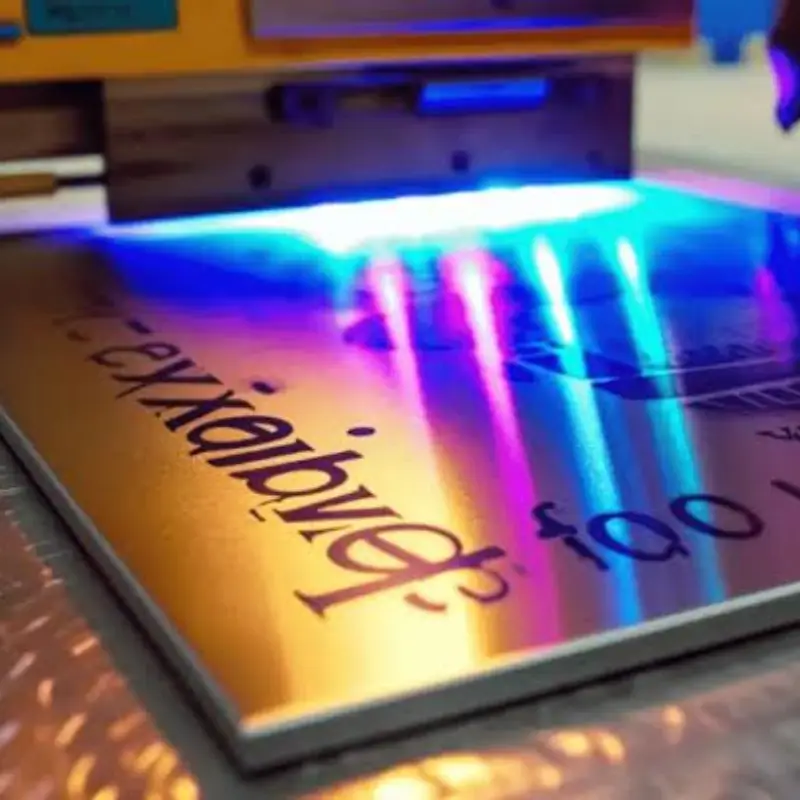
UV printing is a modern digital printing method that uses ultraviolet light to cure ink as it is printed onto a surface instantly. Unlike traditional printing methods that require drying time, UV printing produces sharp, durable, and colorful results almost immediately.
It is widely used for packaging, promotional products, labels, signage, and customized products.
What Is UV Printing?
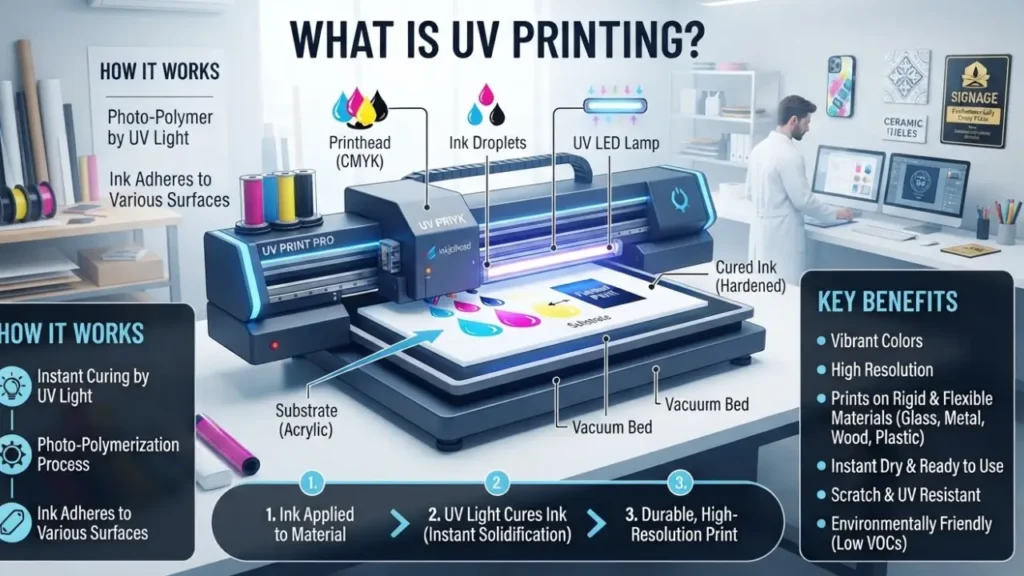
UV printing, or ultraviolet printing, is a digital printing technology that uses specially formulated UV-curable inks. During the printing process, the printer applies ink directly onto the material, while UV lamps immediately cure and harden the ink.
This printing method can work with many different substrates, making it suitable for both commercial and industrial applications.
Key characteristics of UV printing include:
- Instant Ink Curing: UV light immediately hardens the ink after it is applied, reducing drying time and allowing printed products to be handled almost immediately.
- High-Resolution Results: UV printing can reproduce fine details, sharp text, gradients, and complex graphics with excellent clarity, making it suitable for premium packaging and detailed brand designs.
- Wide Material Compatibility: UV printers can print on paper, cardboard, plastic, acrylic, glass, wood, metal, and other suitable surfaces, providing greater flexibility than many conventional printing methods.
- Vibrant Colors: UV-curable inks produce rich and vibrant colors, helping packaging designs attract attention and maintain a professional appearance across different product categories.
- Durable Printed Surfaces: Once cured, UV ink forms a strong surface layer that provides good resistance to scratches, moisture, fading, and everyday handling.
How Does UV Printing Work?
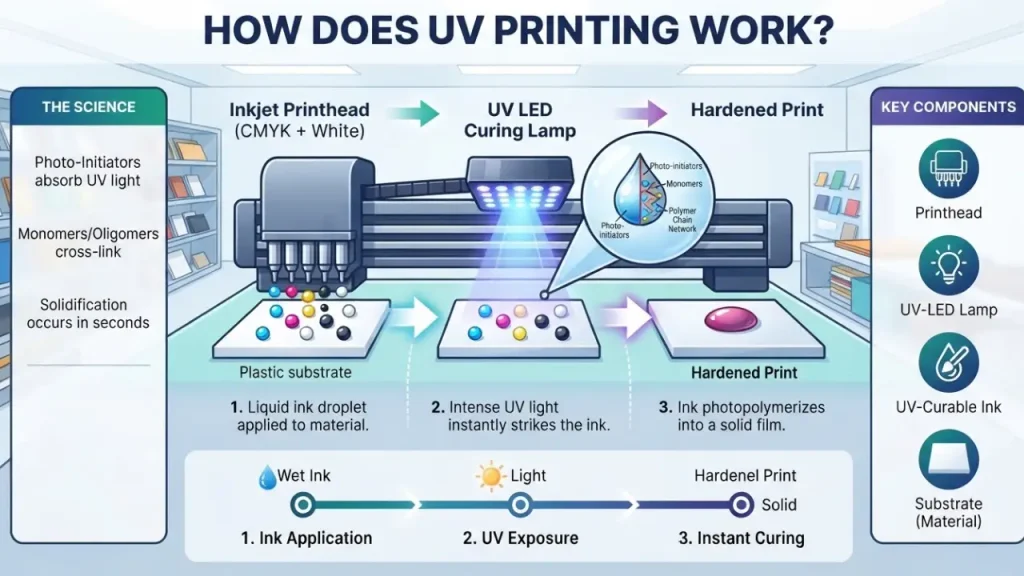
UV printing follows a relatively straightforward digital printing process. Instead of waiting for ink to evaporate or absorb into the substrate, ultraviolet lamps cure the ink immediately after it is deposited.
The typical UV printing process includes these steps:
- Artwork Preparation: We prepare the digital artwork according to the required packaging dimensions, printing specifications, color requirements, and finishing effects.
- Material Preparation: We select and prepare the appropriate printing substrate, ensuring that its surface is clean, flat, and suitable for UV-curable inks.
- Ink Application: The UV printer precisely deposits CMYK, white, varnish, or other specialized inks onto the material according to the digital artwork.
- UV Curing: UV lamps expose the freshly printed ink to ultraviolet light, causing it to cure and harden almost instantly.
- Quality Inspection: We inspect the finished printing for color accuracy, image clarity, registration, surface defects, and overall appearance before packaging or further processing.
What Materials Can Be Used for UV Printing?
One major advantage of UV printing is its ability to print on a broad range of materials. This flexibility makes it especially useful for customized packaging and products with unusual shapes or non-porous surfaces.
Common UV printing materials include:
- Paper and Cardboard: UV printing can create detailed graphics on paperboard and cardboard packaging, making it suitable for product boxes, folding cartons, luxury packaging, and promotional packaging applications.
- Plastic: UV printing works well for many plastic surfaces used in packaging, labels, containers, cards, and promotional products, especially when specialized inks and appropriate surface preparation are used.
- Acrylic: Acrylic provides a smooth surface for vibrant UV printing and is commonly used for displays, signs, packaging components, decorative panels, and branded promotional products.
- Glass: UV printing can add customized graphics, logos, patterns, and text to suitable glass surfaces, making it useful for cosmetic packaging, bottles, jars, and premium product presentation.
- Wood and Metal: With suitable equipment, inks, and surface preparation, UV printing can create customized graphics on wood and metal products used for signs, promotional items, industrial components, and specialty packaging.
What Are the Benefits of UV Printing?
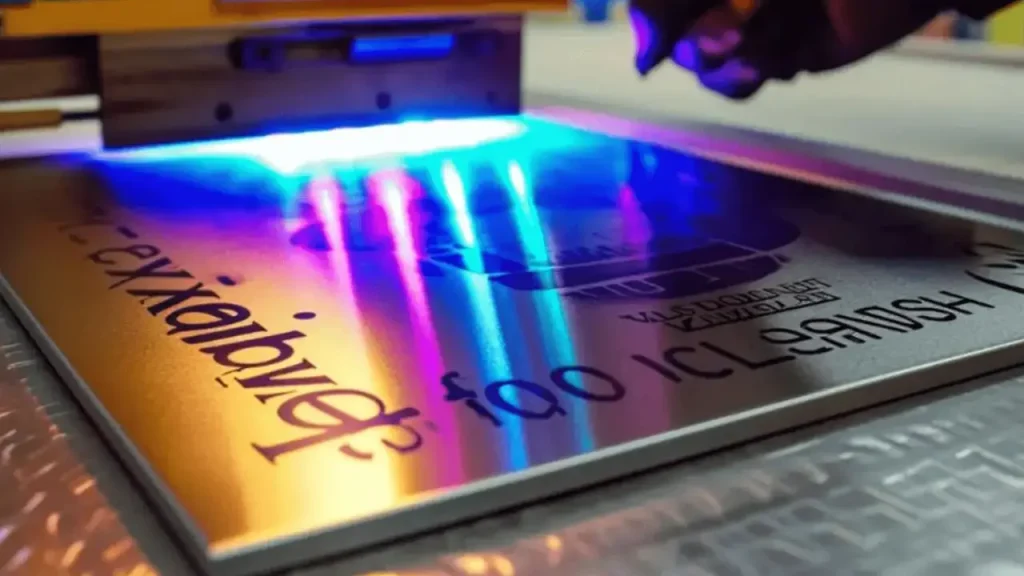
UV printing offers several advantages compared with conventional printing technologies. Its fast curing process, material flexibility, and high-quality output make it a popular choice for brands that need attractive and customized printed products.
Fast Production
Because UV ink cures almost immediately under ultraviolet light, printed materials do not require long drying periods. This can help shorten production cycles and allow packaging to move more quickly through subsequent manufacturing and finishing processes.
Excellent Print Quality
UV printing provides sharp images, detailed graphics, fine text, and vibrant colors. This makes it particularly suitable for packaging designs where brand identity, product information, and visual presentation need to remain clear and professional.
Suitable for Short Runs
Digital UV printing does not generally require traditional printing plates. This makes it practical for customized designs, samples, prototypes, limited-edition packaging, and relatively small production quantities.
Environmentally Considerate Process
UV printing produces minimal volatile organic compound emissions compared with some solvent-based printing processes because UV inks cure rather than relying primarily on solvent evaporation. It can also reduce waste associated with certain traditional printing processes.
Special Finishing Effects
UV printing can incorporate white ink, clear varnish, textured effects, and other visual treatments. These options can help brands create premium packaging with contrasting textures, highlighted graphics, and eye-catching decorative details.
UV Printing vs. Traditional Printing
UV printing and traditional printing methods each have their own advantages. The right choice depends on factors such as material, quantity, artwork, budget, production speed, and required finish.
| Feature | UV Printing | Traditional Printing |
|---|---|---|
| Printing method | Digital | Often plate-based |
| Ink curing | UV light | Drying or absorption |
| Production setup | Relatively quick | Usually requires setup |
| Short runs | Highly suitable | May be less economical |
| Customization | Excellent | More limited for frequent changes |
| Material compatibility | Very broad | Depends on printing process |
| Print quality | High | High |
| Special effects | White ink, varnish, texture | Depends on process |
| Best suited for | Customized and premium packaging | Large-volume standardized production |
For packaging businesses, UV printing can be particularly attractive when you need flexible customization, fast turnaround, and premium visual effects.
For very large standardized orders, however, other printing methods may offer better unit economics.
What Is UV Printing Used For?
UV printing is used across packaging, advertising, retail, manufacturing, and promotional industries. Its ability to produce high-quality graphics on different substrates makes it suitable for both functional and decorative applications.
Popular applications include:
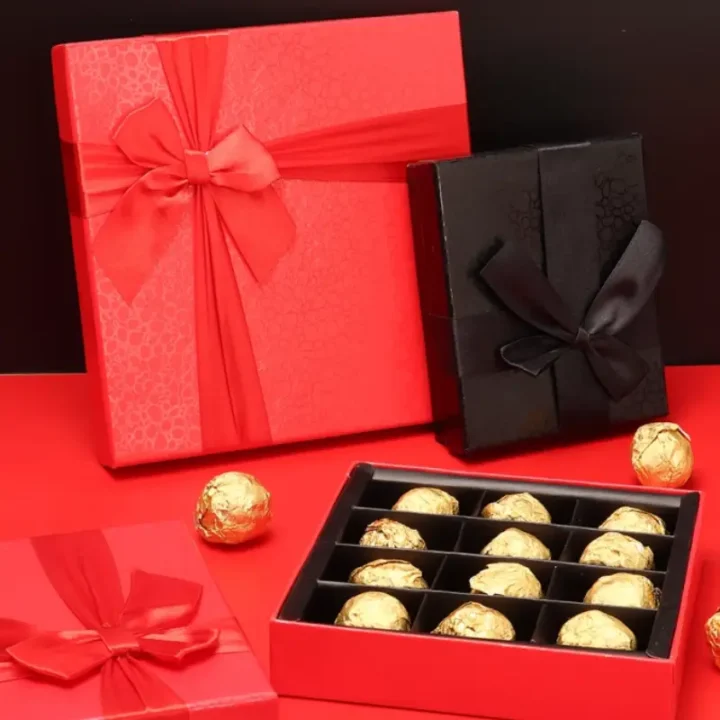
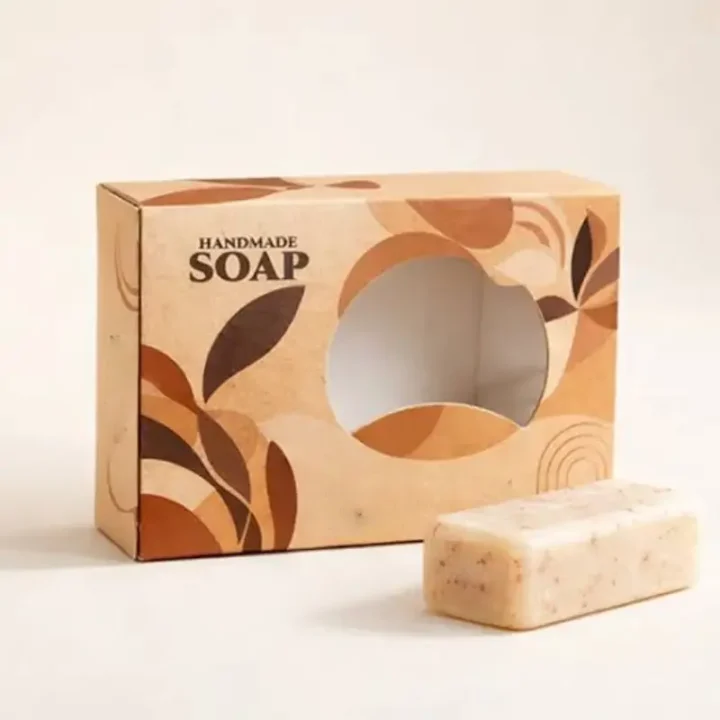
- Product Packaging: UV printing can add logos, product information, graphics, patterns, and decorative elements to boxes, cartons, bags, and other packaging formats.
- Cosmetic Packaging: Premium cosmetic brands can use UV printing to create sophisticated designs on boxes, bottles, jars, and other packaging components.
- Food Packaging: Suitable packaging materials can be printed with branding, product graphics, and information to improve shelf appeal and strengthen brand recognition.
- Promotional Products: UV printing is widely used for customized gifts, displays, signs, cards, and branded promotional items that require detailed graphics.
- Labels and Stickers: UV printing can produce sharp text, vibrant graphics, and customized designs for product labels and specialty stickers.
- Retail Displays: Businesses can use UV-printed acrylic, cardboard, wood, and other materials for point-of-sale displays, signage, and promotional installations.
How to Choose a UV Printing Supplier?
Choosing the right UV printing supplier is important if you need consistent quality, reliable production, and customized packaging at wholesale quantities. Before placing an order, consider the supplier’s equipment, materials, quality control, customization capabilities, and production capacity.
Important factors include:
- Printing Equipment: We use suitable UV printing equipment and production processes to achieve consistent image quality, color reproduction, and printing accuracy across different packaging orders.
- Material Selection: We help customers select suitable substrates based on packaging structure, surface characteristics, application requirements, and desired appearance.
- Color Management: We pay attention to color matching and artwork preparation to help maintain consistent brand colors across different packaging batches.
- Customization: We can support customized sizes, artwork, logos, patterns, finishes, and packaging requirements to meet different branding and product presentation needs.
- Quality Control: We inspect materials, printing quality, colors, finishing, and finished packaging to help ensure that wholesale orders meet the agreed specifications.
- Wholesale Capability: A reliable supplier should have sufficient production capacity and quality-control procedures to support repeat orders and larger wholesale packaging requirements.
Conclusion
UV printing is a versatile digital printing technology that combines fast curing, high-resolution graphics, vibrant colors, and broad material compatibility. These advantages make it especially useful for customized packaging, premium product presentation, promotional products, labels, and commercial applications.
For brands looking to improve packaging appearance, UV printing provides plenty of opportunities for creative customization. Choosing the right printing method and supplier can help you achieve consistent quality while balancing design requirements, production volume, and cost.
Looking for customized packaging with high-quality UV printing? Contact us today to get wholesale UV printing packaging tailored to your product, brand, size, material, and design requirements.
 English
  العربية
  Deutsch (Sie)
  Español
  Français
  日本語
日本語  한국어
한국어  Italiano