
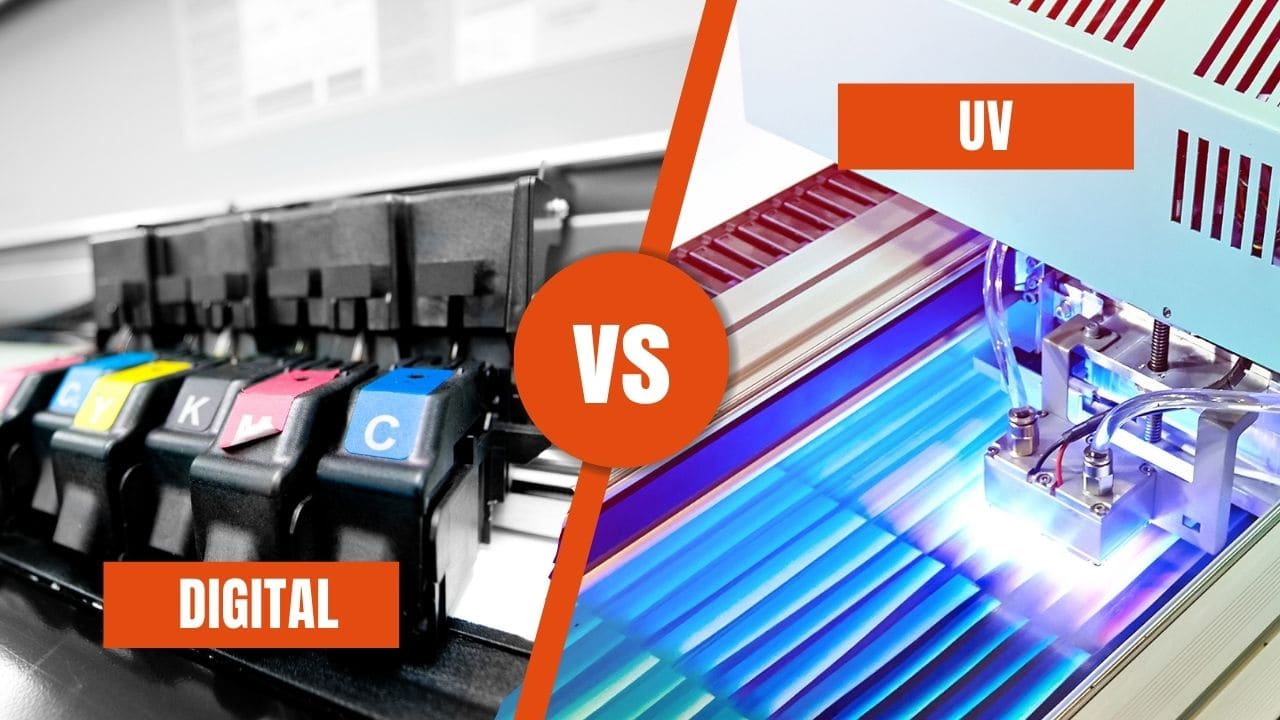
Introduction of Digital Printing vs UV Printing
Choosing between digital and UV printing for your packaging can make or break your product’s market appeal. The wrong choice costs money, delays launches, and disappoints customers. The right choice delivers stunning packaging that sells itself.
This guide breaks down everything you need to know. We’ll compare print quality, costs, production speed, and durability. By the end, you’ll know exactly which technology fits your packaging needs and budget.
Quick Decision Matrix: UV Printing vs. Digital Printing
| If Your Primary Goal is… | …And Your Packaging Requirement is… | Your Best Choice is |
|---|---|---|
| Ultimate durability | Packaging must be waterproof, scratch-resistant, fade-proof, or used for outdoor/high-touch products (e.g., cosmetics) | UV Printing |
| Printing on special materials | Your packaging is non-absorbent: plastic, metal, glass, acrylic, or wood | UV Printing |
| Fast, economical short-run testing | You need quick prototyping or low-volume production (<1,000 pcs) on standard paper or cardstock, with cost as a top concern | Digital Printing |
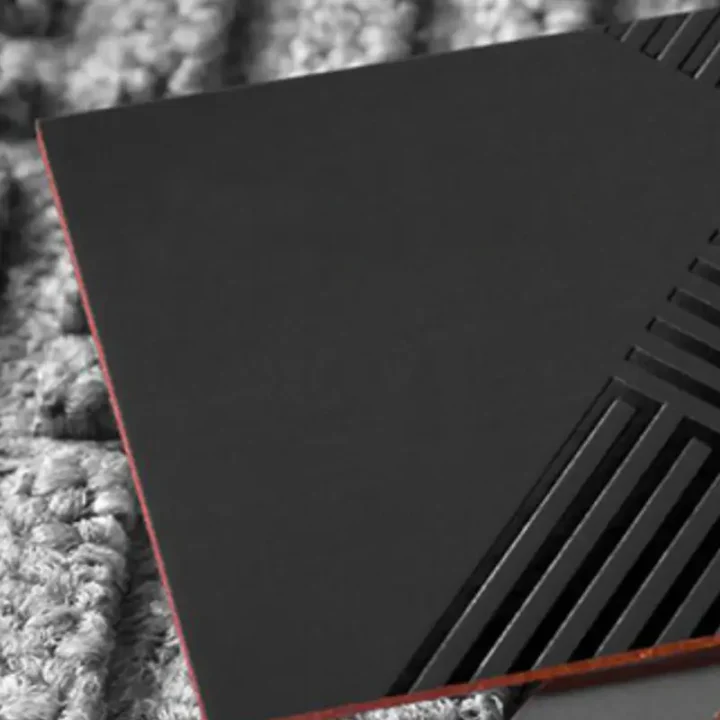
| Create premium, tactile finishes | You want certain areas (like logos or graphics) to have a glossy, raised effect (spot UV) to elevate the product’s look and feel | UV Printing |
| Maximum color vibrancy and consistency | Strict brand color requirements, or need perfectly consistent color across multiple production runs, especially for premium products | UV Printing |
| Meet standard packaging needs | You need good print quality on paper packaging for indoor use, without extreme durability demands | Digital Printing |
Understanding the Core Technology: How Each Process Works
Digital Printing: The Standard for Speed and Flexibility
Core Process
Directly prints digital images onto packaging materials through inkjet nozzles or toner cartridges. Think of it like a giant desktop printer that handles packaging materials instead of paper.
Uses CMYK color models (cyan, magenta, yellow, black) to create full-color designs. Ink dries through absorption into the material or simple air evaporation.
Substrates
Works primarily with paper, cardstock, and some flexible materials. Has limits on non-porous surfaces like plastic or metal because regular inks can’t absorb properly.
Perfect for folding cartons, paper labels, and lightweight flexible packaging where the material can absorb ink naturally.
For more about digital printing click here for ultimate guide for digital printing.
UV Printing: The Premium Choice for Durability and Versatility
Core Process
Deposits UV-curable inks that instantly harden under UV light from LED or mercury lamps. This creates a hard, durable layer that bonds directly to the surface.
Uses CMYK plus optional spot colors for special effects. The magic happens in milliseconds – ink goes from liquid to solid almost instantly.
Key Mechanism
Photochemical reaction cures ink within milliseconds, preventing smudging or scratching. This means UV inks work on both porous materials (paper) and non-porous substrates like plastic, metal, and glass.
This instant curing delivers packaging that looks premium and feels durable right off the press.
For more about UV printing click here for ultimate guide for UV printing.
Digital vs. UV Printing: A Head-to-Head Comparison
| Aspect | Digital Printing | UV Printing |
|---|---|---|
| Ink Type | Water-based, solvent-based, or toner. | UV-curable inks (polymeric resins + photo-initiators). |
| Curing Method | Air drying, heat setting, or toner fusion. | Instant UV light curing (no drying time). |
| Substrate Versatility | Paper, coated fabrics, limited rigid materials. | Metal, glass, acrylic, wood, plastic, and flexible films. |
| Color Gamut | RGB/CMYK with standard color ranges. | Wider gamut, vibrant metallics, and neon hues. |
| Setup Time | Minimal (digital file upload). | Moderate (UV lamp calibration, substrate alignment). |
| Production Speed | Fast for small runs; slower for large volumes. | High-speed for both small/large runs (instant curing). |
Quality and Durability: The Digital vs UV Printing Difference
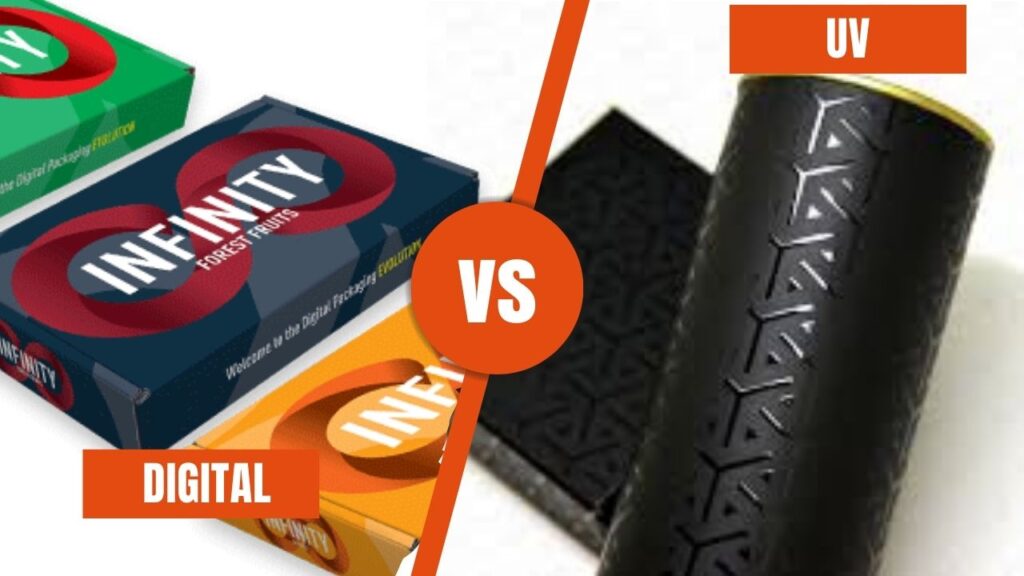
When choosing between digital and UV printing, three key factors determine how your packaging will look and perform in real-world conditions.
1. Resolution and Detail: Achieving Design Clarity
Digital Printing
High clarity for text and graphics that meets most packaging needs. Sharp enough for product photos, ingredient lists, and brand logos without issues.
Works well for everyday packaging where good quality matters more than perfection.
UV Printing
Equally high clarity, but achieves smoother gradients and sharper edges. The instant curing process allows precise ink layering without bleeding or spreading.
Your packaging looks crisp and professional – the kind of quality that makes customers pick up your product first.
2. Color Consistency: Ensuring Brand Integrity
Digital Printing
Good color matching for short runs. Slight batch-to-batch variation possible when reprinting the same design weeks or months later.
Fine for most brands where close color matching works well enough.
UV Printing
Excellent consistency across all runs. Colors stay exactly the same whether you print 100 units today or 1,000 units next month.
Ideal for brand-critical colors and premium finishes where your brand colors must match perfectly every time.
3.Durability: Built to Last in the Real World
Digital Printing
Good for indoor use and short-term applications. Less resistant to scratching, moisture, or fading over time.
Will your packaging look good on store shelves? Yes. Will it survive rough handling or outdoor conditions? Maybe not.
UV Printing
Waterproof, scratch-resistant, and fade-proof. Perfect for luxury packaging, outdoor use, or high-touch applications where customers handle products frequently.
Your packaging feels premium and stays looking new even after shipping, handling, and extended shelf life.
The Financial Bottom Line: A Digital vs UV Printing Cost Analysis
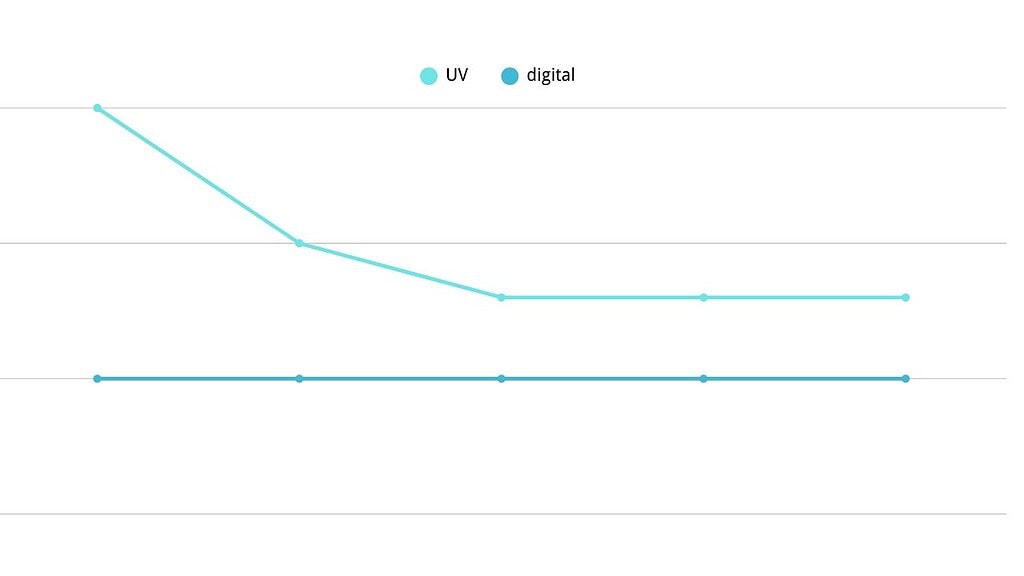
1. IniInitial Investment: The Upfront Cost
Digital Printing
Lower entry cost makes it ideal for quick tests and small batches. No major equipment investment needed to get started.
Perfect when you’re testing new products or need packaging fast without big upfront costs.
UV Printing
Higher investment mainly due to UV lamps and special inks. However, delivers more value on premium packaging or larger orders where the quality difference matters.
We don’t just ask “Do you want UV?” We analyze your specific design first. What do you want consumers to notice first – your logo or product illustration? The extra cost pays off when your packaging needs to stand out or last longer.
2. Operational Costs: The Price-Per-Piece
Digital Printing
Ink is affordable and energy use stays low. Perfect for flexible, short runs where you need to keep costs down.
Great for seasonal products or limited editions where you can’t predict exact quantities.
UV Printing
UV inks cost more upfront, but per-unit cost drops significantly for larger orders and premium finishing effects.
We break down exact costs transparently: “Adding spot UV to your logo increases unit cost by just $0.03 – does the shelf impact justify that investment?” The investment makes sense when volume justifies it or when premium appearance drives higher sales.
3. Cost-Effectiveness: Choosing the Right Method for Your Budget
Small runs: Digital printing delivers the best cost-effectiveness for orders under 1,000 units.
Large runs or premium effects: UV printing’s value grows as batch size increases or when premium finishing requirements justify the higher ink costs.
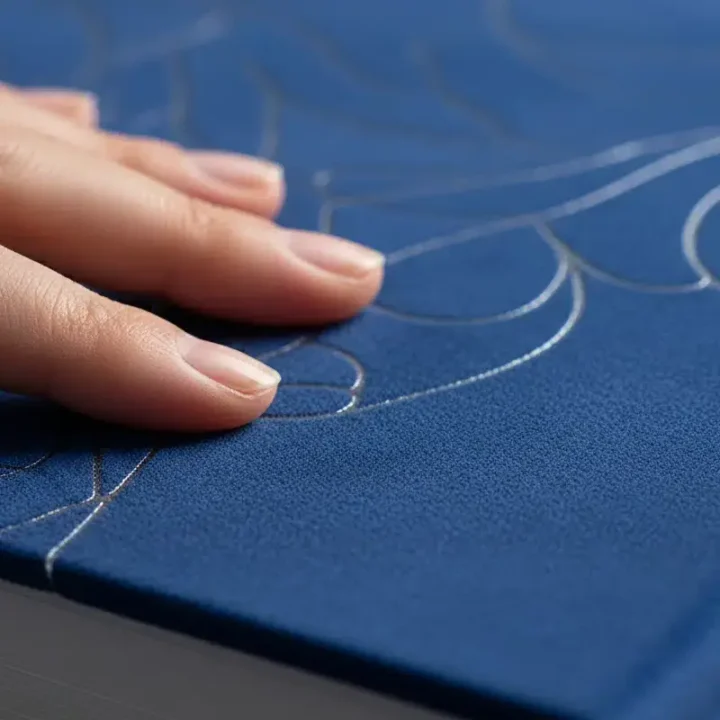
If premium highlighting makes sense, we show you real samples side by side: standard digital print versus added spot UV. You can touch, see, and immediately feel the upgrade difference. No mystery pricing – you make informed choices based on real samples, clear design goals, and transparent ROI calculations.
Applications and Use Cases: When to Choose Each Method
Digital Printing: Best for Speed, Flexibility, and Variable Data
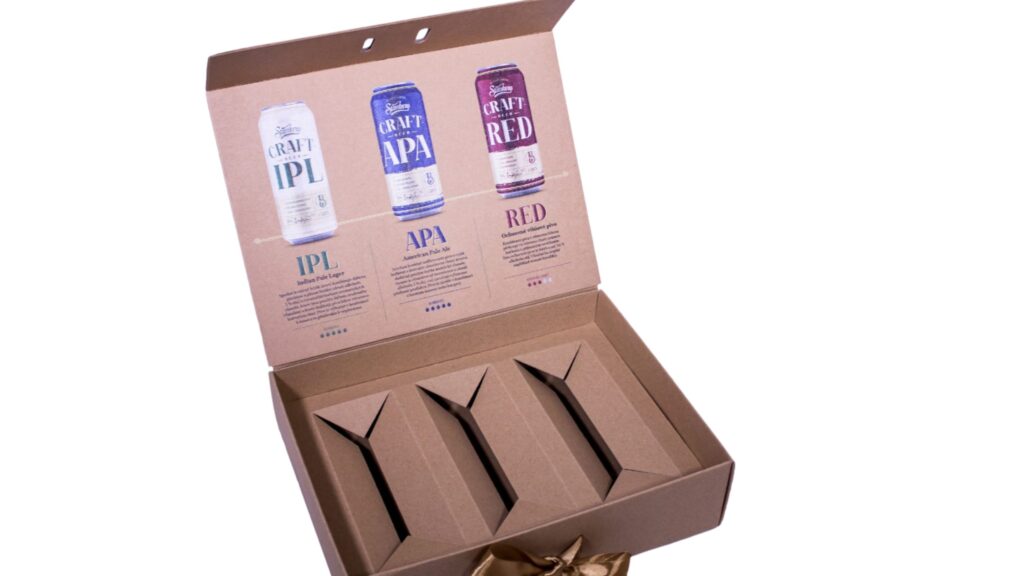
Custom boxes, labels, security stickers, and variable data packaging for small to medium runs. Perfect when you need different information on each package – like QR codes, batch numbers, or personalized text.
Need multiple label variations with unique QR codes? Digital print delivers low minimums with fast turnaround, making testing affordable and efficient.
UV Printing: Best for Durability, Versatility, and Premium Effects
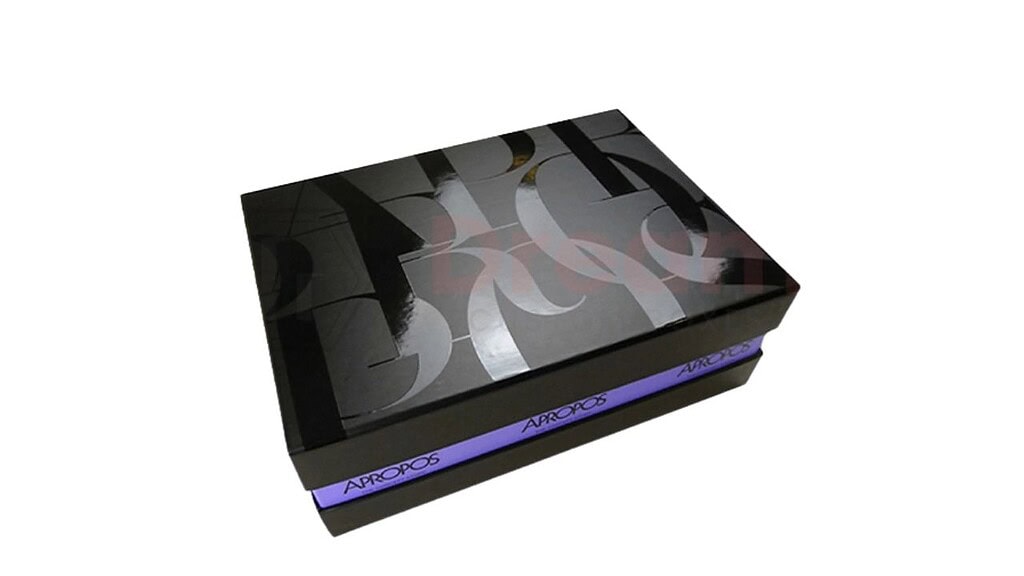
Luxury gift boxes, high-end labels, and packaging with tactile spot effects. Essential for products that must stand out on crowded shelves or survive tough handling during shipping.
Launching a premium gift box with 500 units? We recommend digital print as the base with spot UV highlights for fast sampling and eye-catching metallic shine that customers notice immediately.
The instant curing process makes UV printing perfect for packaging that gets handled frequently – cosmetics, electronics, or food products where durability matters as much as appearance.
Choose digital for flexibility and speed. Choose UV when your packaging needs to feel as premium as your product inside.
The Environmental Footprint: A Sustainable Choice
Digital Printing
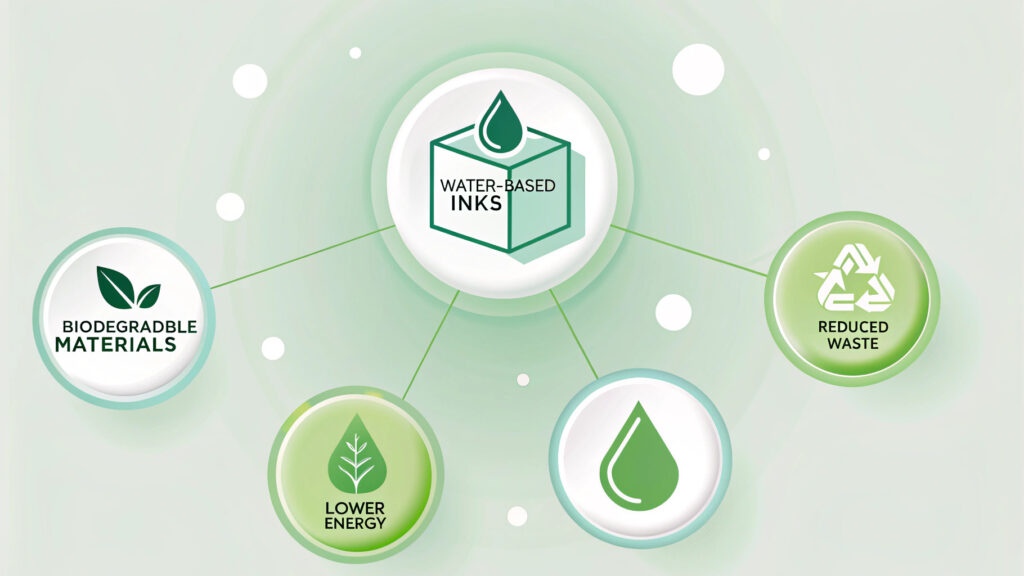
Supports eco-friendly options including water-based inks and recyclable materials. Green packaging solutions available when sustainability matters to your brand.
UV Printing
Low-VOC, solvent-free UV inks available for environmentally conscious brands. Can be paired with eco-friendly substrates to meet sustainability goals without compromising quality.
Both technologies offer green options – we’ll recommend the best sustainable approach based on your specific packaging needs.
Future Trends: Innovations Shaping the Industry
Digital Printing
Smart color management and variable data capabilities continue improving. New hybrid “print + foil” options deliver premium effects for short-run packaging without traditional setup costs.
UV Printing
Energy-efficient LED UV lamps and next-generation inks enable even finer textures and premium finishes. Technology advances make UV effects more accessible for smaller runs than ever before.
These innovations mean better quality, faster production, and more creative possibilities for your packaging – regardless of which technology you choose.
Conclusion
Digital printing delivers speed and flexibility for quick testing and variable data packaging at lower costs. UV printing provides premium durability and eye-catching effects that make products stand out on shelves and survive real-world handling.
Choose digital for fast, cost-effective packaging runs. Choose UV when premium appearance and durability justify the investment.
Ready to see the difference for yourself? Contact us today for side-by-side samples of your packaging design in both digital and UV printing – feel the quality difference and get transparent pricing for your specific needs.
Frequently Asked Questions (FAQ) for Custom Packaging Clients
Q1: What’s the best option for small batch, custom packaging?
A: Digital printing is perfect for small runs and variable designs—ideal for brand launches or limited editions with flexible order sizes.
Q2: Can I get a physical sample before bulk production?
A: Absolutely. We can provide samples using both digital and UV printing, so you can compare quality, color, and finish before making a decision.
Q3: Is UV printing suitable for my brand’s premium boxes or labels?
A: Yes. UV printing excels for premium packaging with special finishes (gloss, matte, tactile effects), strong durability, and vibrant colors—especially for luxury or outdoor products.
Q4: Are eco-friendly inks and materials available?
A: Yes, we offer water-based and low-VOC options for both digital and UV processes. Let us know your sustainability goals and we’ll recommend the best solution.
Q5: If my order grows, will the look and quality change?
A: No. We use strict color management and process control to ensure your packaging stays consistent, whether you start with digital or upgrade to UV printing.
 English
  العربية
  Deutsch (Sie)
  Español
  Français
  日本語
日本語  한국어
한국어  Italiano