
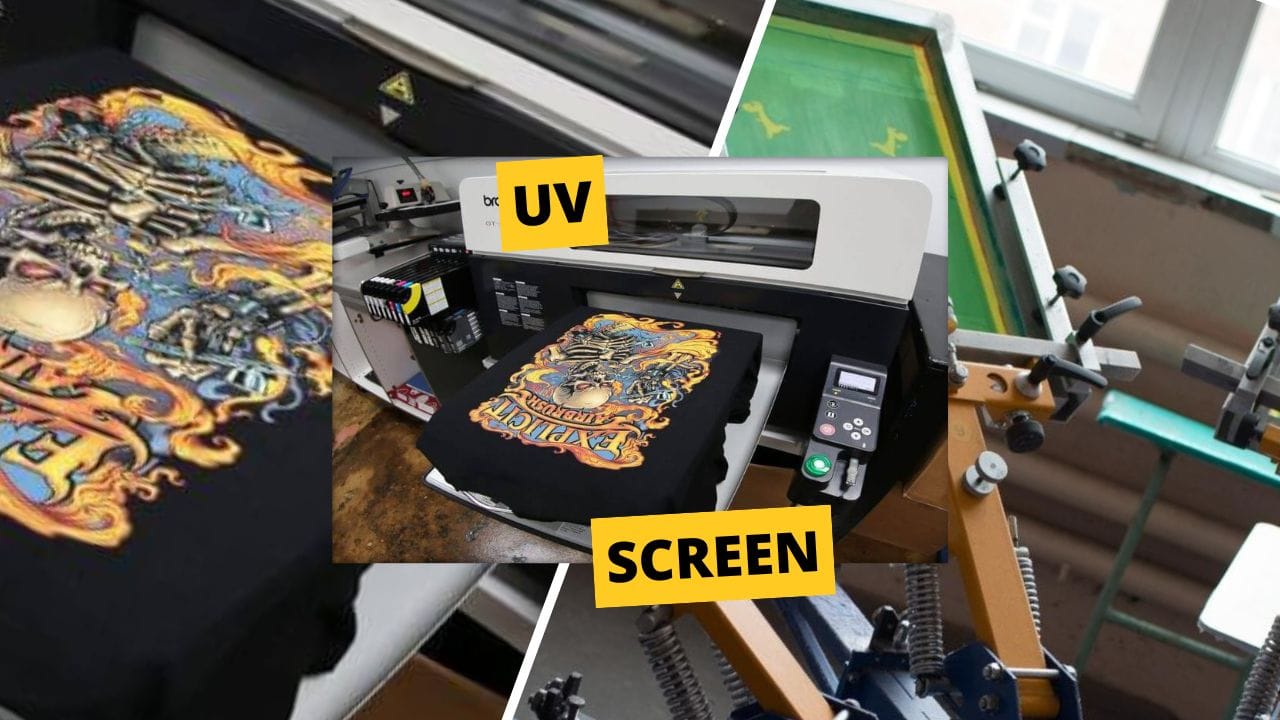
Significance of the Comparison
Choosing between UV printing vs screen printing for your packaging can make or break your product launch. These two technologies serve completely different business needs. They also serve different budgets and design goals.
UV printing excels when you need small batches with complex designs fast. Screen printing dominates when you want bold, tactile effects. These are effects that customers can feel on boxes, labels, and premium cartons.
Your choice affects everything from your unit costs to your production timeline. It also affects how your product feels in customers’ hands. Pick the wrong method and you’ll either overpay for simple designs. Or you’ll get disappointing results on complex graphics.
UV Printing vs Screen Printing: A Framework for Your Decision
This guide gives you the real-world data you need. You’ll learn how to choose the right printing method for your packaging project. We’ll compare the actual costs, production speeds, and quality differences. You’ll see these when printing boxes, labels, and premium cartons.
Quick Decision Matrix: UV Printing vs Screen Printing
| If Your Primary Goal is… | …And Your Project Situation is… | Your Best Choice is |
|---|---|---|
| Achieve the highest visual detail | Design includes photo-level images, fine text, or smooth gradients, regardless of order size | UV Printing |
| Create a unique tactile experience | Want packaging with a raised texture so your brand logo or graphics feel premium and substantial | Screen Printing |
| Fast turnaround and low startup cost | Need small batch production (1-500 pieces), market testing, or very short delivery cycles | UV Printing |
| Control unit cost in mass production | Order quantity exceeds 500 pieces, design is finalized, and you want the lowest price per unit | Screen Printing |
| Personalization or variable data | Every package is unique, for example, with different customer names, serial numbers, or custom QR codes | UV Printing |
| Use specialty or effect inks | Require extremely vivid, opaque, or special effect inks like metallics or fluorescents for high-impact visuals | Screen Printing |
| Print on diverse or non-traditional materials | Packaging involves plastic, metal, glass, or various textured surfaces, and you want consistent print quality | UV Printing |
Understanding the Core Technologies: UV Printing vs Screen Printing
How UV Printing Works: Instant Curing with Light
UV printing works like a high-precision digital printer. It instantly hardens ink with light. Tiny nozzles spray UV-curable inks directly onto your packaging material. This works whether it’s a cardboard box, plastic label, or metal container.
The moment each ink droplet lands, powerful UV lamps hit it with ultraviolet light. This instantly transforms the liquid ink into a hard, durable surface.
This instant curing means your packaging comes off the printer completely dry. It’s ready to handle immediately. No waiting time. No smudging. No ink bleeding into the material.
The UV-cured surface creates a tough, scratch-resistant finish. This protects your design during shipping and handling.
For packaging, this translates to incredibly precise details. You get vibrant colors that stay put. You also get the ability to print on almost any material without special preparation. Perfect when your box design includes fine text or detailed graphics. Also perfect when you need packaging that survives rough handling.
For more about UV printing click here for ultimate guide for UV printing.
How Screen Printing Works: The Art of Stenciled Ink
Screen printing pushes thick ink through a specially prepared mesh screen onto your packaging material. Think of it like using a stencil. But with precise pressure control.
The mesh screen has your design blocked out in certain areas. So ink only passes through where you want it to print.
A squeegee applies firm, even pressure. This forces ink through the open mesh areas. It deposits a thick layer of ink that sits on top of your packaging surface. This creates the raised, textured feel that makes screen-printed packaging feel more premium and substantial.
For packaging applications, screen printing delivers bold, vibrant colors. These pop off retail shelves. You also get a tactile quality that customers notice immediately when they pick up your product.
The thick ink coverage means your brand colors stay true and vivid. This works even on darker packaging materials. Other printing methods might look washed out on these materials.
The trade-off is setup complexity. Each color in your design requires its own screen and precise alignment. This makes screen printing most cost-effective when you’re printing hundreds or thousands of identical packages.
For more about screen printing click here for ultimate guide for screen printing.
UV Printing vs Screen Printing: A Side-by-Side Process Comparison
| Aspect | UV Printing | Screen Printing |
|---|---|---|
| Prepress Setup | Instant (no plates; direct file upload). | Time-consuming (screen preparation, stencil making). |
| Ink Application | Digital inkjet (nozzles spray ink). | Manual/mechanical (squeegee pushes ink through mesh). |
| Curing Method | UV light (instant drying). | Air drying or heat curing (slower). |
| Substrate Requirement | Flat or slightly curved; rigid/flexible. | Flat or slightly curved; compatible with thick materials. |
| Color Management | CMYK + spot colors via digital software. | Spot colors (Pantone) or CMYK separations. |
Quality and Finish: A UV Printing vs Screen Printing Analysis

Resolution and Detail: UV Printing’s Precision vs Screen Printing’s Boldness
UV Printing
UV printing captures incredibly fine details. This makes your packaging look professionally designed and manufactured. Product photos reproduce with sharp clarity. Ingredient lists remain perfectly readable even at small sizes. Complex logos maintain crisp edges and thin lines.
Gradient effects transition smoothly without visible banding. This makes your packaging design look seamless and polished.
This precision makes UV printing ideal for pharmaceutical packaging with detailed warning labels. It’s perfect for premium food boxes featuring appetizing product photography. It’s also great for cosmetic containers where brand sophistication matters. When customers examine your packaging up close, every element looks intentional and high-quality.
Screen Printing
Screen printing works best with bold, simple designs. These need to make an immediate visual impact from across a store aisle. Large brand logos look stunning with screen printing’s thick, opaque ink coverage. So do solid text blocks and geometric patterns.
However, fine details blur together. Small text becomes difficult to read. Photographic images lose their sharpness and clarity.
We’ve learned from retail projects that detailed designs often disappoint when screen printed. Smart brands design specifically for screen printing’s strengths. They don’t fight its limitations.
Color Reproduction in UV Printing vs Screen Printing: Consistency vs. Vibrancy
UV Printing
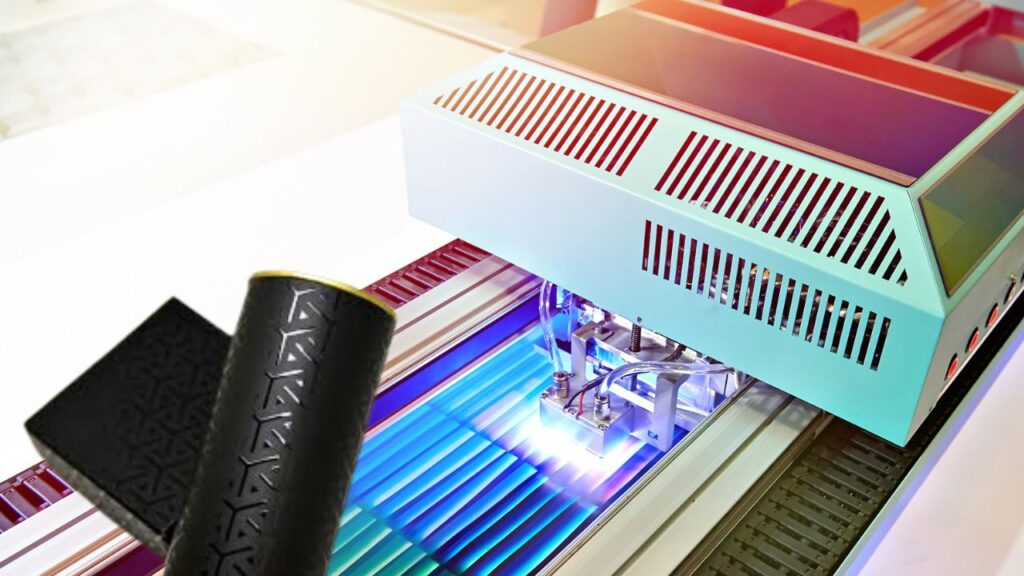
UV printing delivers consistent brand colors across different packaging materials and production runs. You can print virtually unlimited colors in a single pass. This includes subtle color variations and smooth transitions. These match your digital brand guidelines perfectly.
The digital color management system ensures your packaging colors stay true to your brand standards. This works whether you’re printing 50 units or 5,000.
This consistency becomes crucial when your packaging needs to match other branded materials. It’s also important when you’re launching products across multiple retailers. These retailers expect uniform brand presentation.
Screen Printing
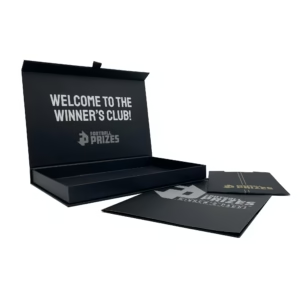
Screen printing creates incredibly bold, vibrant colors. These command attention and justify premium pricing. Specialty inks like metallics, fluorescents, and custom color matches achieve intensity levels. UV printing cannot replicate these levels.
Each color layer builds opacity and depth. This creates rich, saturated areas that make your packaging feel expensive and memorable.
Metallic inks for luxury product boxes showcase screen printing’s color advantages. So do neon colors for youth-targeted packaging. Custom Pantone matches for precise brand color requirements also show these advantages. However, each additional color increases setup costs and complexity. This makes simple color schemes more economical.
Texture and Finish: The Tactile Difference in UV Printing vs Screen Printing
UV Printing
UV printing produces a smooth, professional finish. This feels clean and modern when customers handle your packaging. The cured UV surface creates a subtle gloss. This enhances color vibrancy while maintaining a refined appearance.
Spot UV applications can create raised effects for logos and text. This adds tactile elements that make your packaging feel more premium.
Professional packaging addresses durability concerns through protective lamination workflows. These apply a protective film layer before adding UV effects. This creates a foundation that protects both the underlying print and the UV layer during shipping and handling.
Screen Printing
Screen printing naturally creates a raised, textured surface. Customers immediately notice this when they pick up your product. This tactile dimension adds perceived value and quality. It makes your packaging feel more premium and substantial than flat-printed alternatives.
The thick ink layer creates depth and texture. Customers can both see and feel this. It’s perfect for logos, patterns, or unique touch effects that differentiate your brand.
Experience shows that this tactile quality triggers quality perceptions at the subconscious level. This often supports higher product pricing and stronger brand positioning.
The Financial Bottom Line: A UV Printing vs Screen Printing Cost Analysis
Setup Costs: Comparing the Initial Investment for UV Printing vs Screen Printing
UV Printing
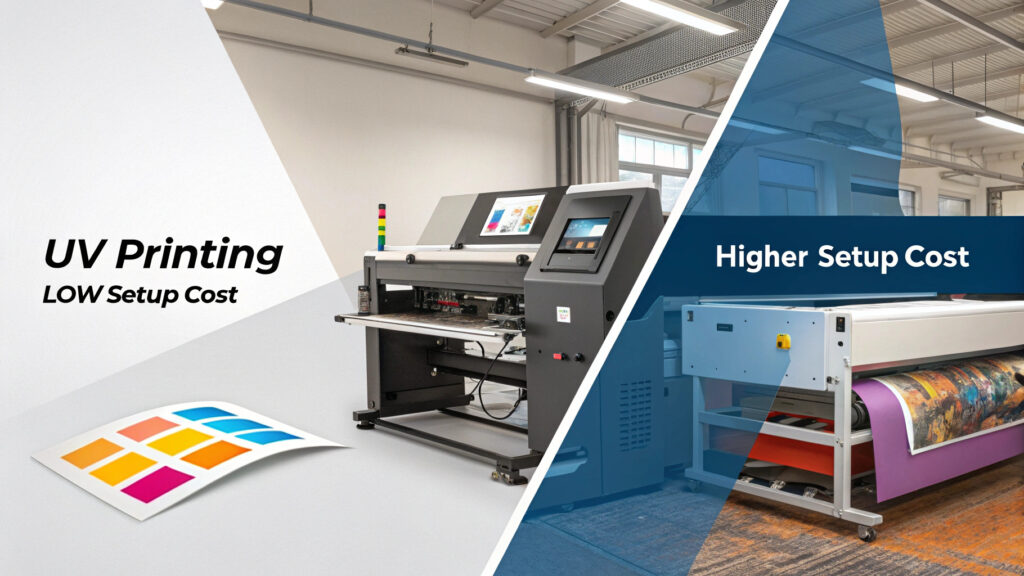
UV printing requires virtually no setup investment. This makes it perfect when you need packaging fast. It’s also great when you want to test different designs without financial risk. No screens to create. No plates to manufacture. No color mixing required. Upload your design file and start printing within minutes.
This zero-setup advantage becomes crucial for startups testing market response. It’s important for seasonal products with tight deadlines. It’s also vital for established brands launching limited-edition packaging. You can afford to experiment with different designs. Changing artwork costs nothing extra.
Screen Printing
Screen printing setup costs vary significantly based on your design complexity. Simple single-color logos might cost $50-150 in screen preparation. Complex multi-color designs can reach $300-500 in setup fees. Each color requires its own screen, precise registration, and color matching. This adds time and cost before the first package gets printed.
However, these setup costs become negligible when spread across large production runs. The strategic logic: invest in setup when you’re confident about your design. Also invest when printing substantial quantities.
Unit Costs: How Order Volume Affects UV and Screen Printing Prices
UV Printing
UV printing maintains consistent per-unit pricing regardless of quantity. This typically ranges from $0.50-$3.00 per package. The cost depends on size and design complexity. Whether you print 50 units or 500, each package costs roughly the same. This predictable pricing makes budgeting simple. It removes the pressure to order large quantities.
Perfect for brands that prefer steady, predictable costs over bulk discounts. Also perfect when storage space limits large inventory purchases.
Screen Printing
Screen printing unit costs drop dramatically as quantities increase. Small runs might cost $2-5 per package. But large runs often reach $0.25-$1.00 per unit. The thick ink coverage and special effects create a premium perceived value. This often justifies higher pricing even when production costs increase.
The economic logic becomes clear around 500-1,000 units. At this point, screen printing’s lower per-unit costs offset the higher setup investment.
Cost-Effectiveness by Run Size: When to Choose UV Printing vs Screen Printing
Small Runs (1-100 units)
UV printing delivers the best value for small quantities. Setup costs stay minimal, and you avoid minimum order requirements. Perfect for market testing, custom corporate gifts, or limited edition launches. In these cases, flexibility matters more than the absolute lowest unit cost.
The strategic advantage: you can iterate designs quickly and affordably. Test market response before committing to larger quantities.
Medium Runs (100-1,000 units)
This quantity range requires careful design analysis. We analyze each design to ensure every dollar creates maximum impact. For intricate logos with fine details, we’ll recommend UV printing. Screen printing’s thick ink might obscure delicate elements.
When budgets are tight, we might suggest upgrading to premium tactile film for the entire package. This works better than small screen-printed accents. It creates more comprehensive upscale appeal for better overall value.
We ensure your investment always delivers real, visible results. We avoid expensive effects that customers won’t notice or appreciate.
Large Runs (1,000+ units)
Screen printing typically delivers superior value for large quantities. This is especially true when you want special effects like metallic inks or raised textures. UV printing cannot match these effects. The per-unit savings often fund premium effects that increase perceived product value.
The best value strategy combines both methods. Use UV printing for testing and short runs. Then switch to screen printing when you’re ready for large-scale production. Add premium tactile effects that create maximum visual impact for your investment.
Flexibility and Customization: A UV Printing vs Screen Printing Breakdown
Variable Data and Personalization: The UV Printing Advantage
UV Printing
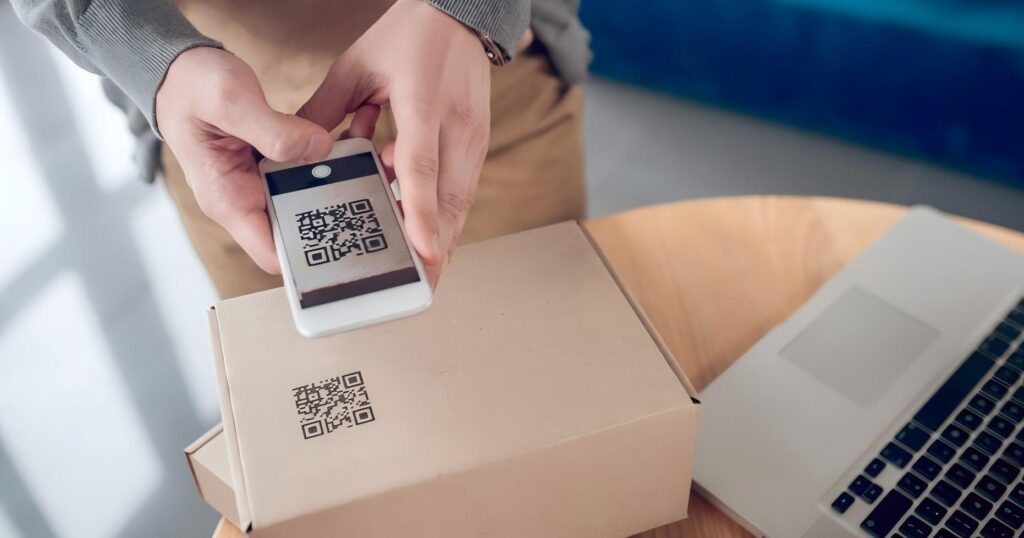
UV printing excels at personalization and variable data printing. This makes each package unique without additional setup costs. Print individual customer names on gift boxes.
Add unique QR codes for product tracking. Include sequential numbering for limited editions. Each package can feature different artwork, text, or graphics. You maintain the same production speed and cost efficiency.
This capability opens powerful marketing opportunities. Think personalized product launches. Consider custom corporate gifts with employee names. Think about packaging that changes based on distribution channels or seasonal campaigns.
Screen Printing
Screen printing cannot accommodate variable data. Each change requires creating new screens. Every unique element needs its own setup. This makes personalization prohibitively expensive. Screen printing works best when you need identical packages. You want consistent branding across the entire production run.
The limitation becomes clear when brands want to add personalization later. What seems like a simple text change becomes a complete screen remake and setup cost.
Substrate Versatility: Which Materials Work Best for UV Printing vs Screen Printing?
UV Printing
UV printing adapts to virtually any packaging material without special preparation. Cardboard boxes, plastic labels, metal containers, rigid packaging, and specialty papers all accept UV inks reliably.
The UV curing process bonds equally well to smooth and textured surfaces. This makes material selection based on your functional needs rather than printing limitations.
This versatility proves valuable when launching products across different categories. These require different packaging materials while maintaining consistent brand appearance.
Screen Printing
Screen printing works exceptionally well on paper, fabric, and certain plastic surfaces. This is especially true when you want thick, tactile ink effects and specialty finishes. However, some materials require surface preparation or special ink formulations. This can add complexity and cost to your project.
The trade-off: limited material flexibility but superior ink adhesion and special effect capabilities on compatible surfaces.
Design Iteration and Agility: UV Printing vs. Screen Printing
UV Printing
Design changes cost virtually nothing with UV printing. Update your artwork file. Review a digital proof. Start printing the new version immediately. This flexibility supports rapid prototyping, seasonal updates, or marketing campaigns. These need quick design adjustments based on market feedback.
Perfect for brands that iterate quickly. Also perfect for brands that test multiple design variations. Great for brands that need to respond rapidly to market trends without financial penalties.
Screen Printing
Design changes require new screen creation. This means additional setup costs and production delays. Minor text updates or color adjustments can cost hundreds of dollars in new screens and setup time. This limitation makes screen printing most suitable when your design is finalized and unlikely to change.
However, we help growing brands navigate this transition seamlessly. When your order volume grows from hundreds to thousands of units, we can switch you from UV to screen printing.
You get better cost performance without changing suppliers or compromising quality. Our process ensures you scale up while maintaining brand consistency. This removes the switching risk that concerns many growing businesses.
This upgrade path lets you start with UV printing’s flexibility and cost advantages. Then transition to screen printing’s economies of scale when your business is ready. You keep your packaging quality and brand appearance consistent throughout.
The Environmental Footprint of UV Printing vs. Screen Printing
The Eco-Profile of UV Printing
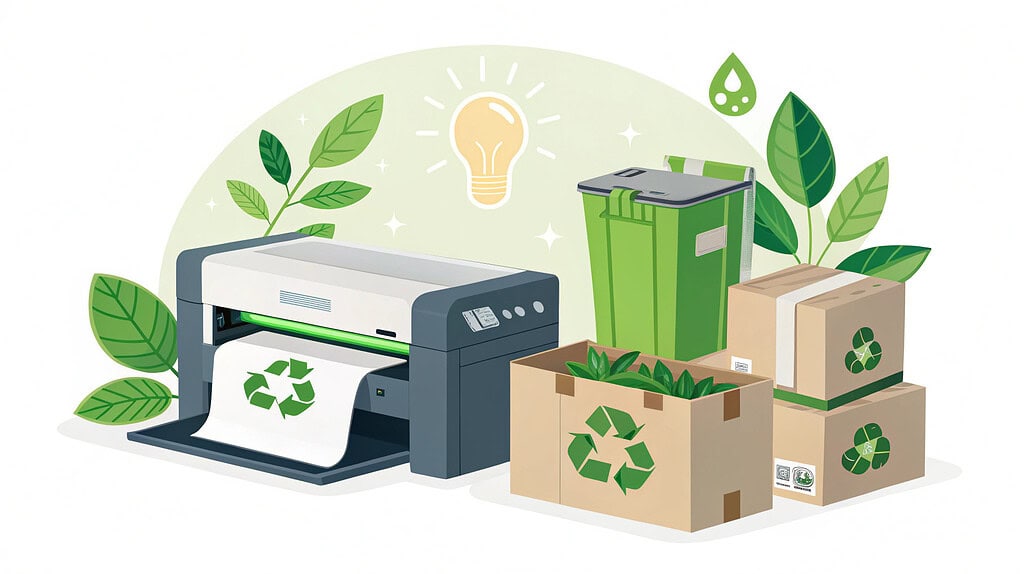
UV printing uses low-VOC, eco-friendly inks. These reduce environmental impact compared to traditional solvent-based systems. The process generates minimal waste. No physical screens or plates require disposal after production. UV inks cure instantly without releasing harmful vapors. This creates a cleaner production environment.
The digital nature eliminates setup waste. It allows precise ink usage without excess materials. This makes UV printing inherently more resource-efficient for small to medium production runs.
The Eco-Profile of Screen Printing
Screen printing offers water-based ink options for brands prioritizing sustainable packaging solutions. The process generates some waste from used screens and excess ink mixing. But established recycling solutions help minimize environmental impact. Many screen printing operations now reclaim and reuse screens multiple times before disposal.
The key environmental advantage comes from screen printing’s efficiency at large volumes. The per-unit environmental impact becomes very low across thousands of packages.
Real-World Applications: When to Use UV Printing vs Screen Printing
Common Applications for UV Printing
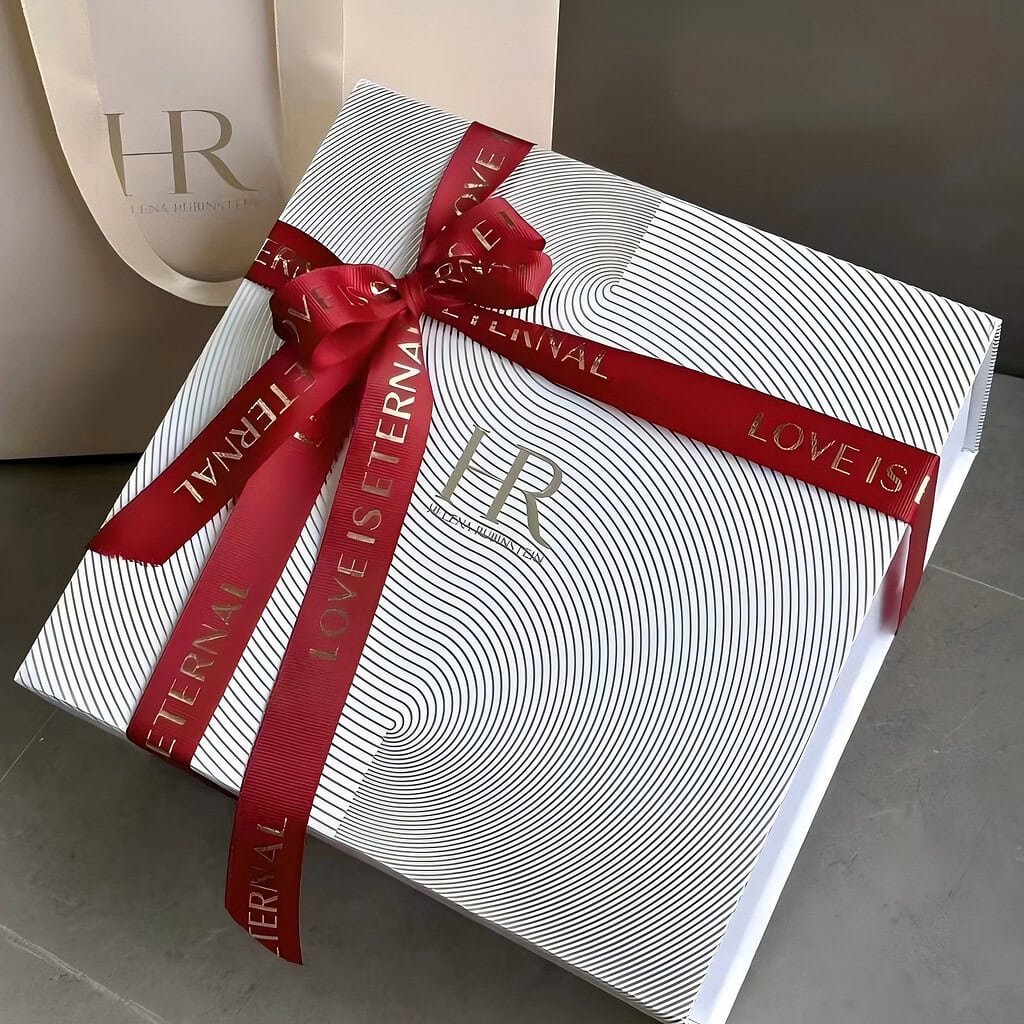
Premium packaging boxes benefit from UV printing’s ability to reproduce crisp, multi-color product images with photographic quality. Perfect for cosmetic brands showcasing makeup colors. Great for food companies featuring appetizing product photography. Ideal for electronics packaging where technical precision matters.
Short-run labels for new product launches leverage UV printing’s zero setup costs and quick turnaround times. Test market response without committing to large quantities or expensive screen setups.
High-end cartons with personalized graphics showcase UV printing’s variable data capabilities. Create limited edition packaging with individual numbering. Add seasonal variations. Make customized corporate gift boxes with recipient names.
Common Applications for Screen Printing
Large volume promotional boxes and bags with bold logos maximize screen printing’s cost advantages and visual impact. The thick ink coverage ensures your brand stands out in retail environments or trade show distributions.
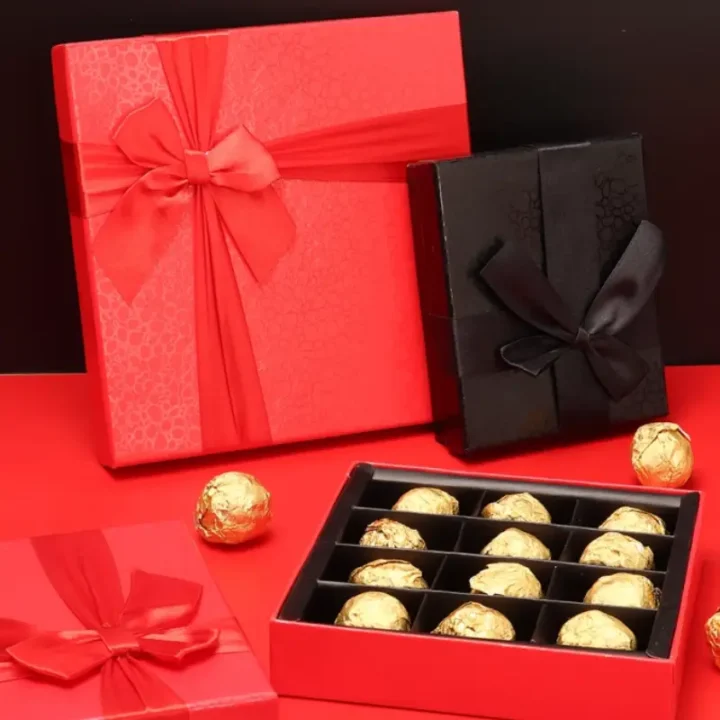
Gift boxes with metallic or raised ink effects demonstrate screen printing’s premium tactile capabilities. Luxury brands use these effects to justify higher pricing. They create memorable unboxing experiences.
Packaging that needs tactile, high-impact finishes benefits from screen printing’s natural texture and special effect capabilities. When customers need to feel quality and craftsmanship through touch, screen printing delivers results. Digital methods cannot match these results.
Future Trends: Beyond a Simple Choice
Hybrid Solutions: The Power of Combining UV and Screen Printing
Smart packaging strategies combine both technologies for maximum impact and cost efficiency. Start with UV printing for high-resolution base graphics. Then add screen-printed elements for thick, tactile logos or metallic finishes. This approach delivers photographic quality where needed. It adds premium tactile effects that customers notice immediately.
UV varnish over screen-printed designs creates added gloss and durability. This protects the tactile elements while enhancing visual depth. This combination often costs less than full screen printing. It delivers superior results.
Technological Advances Shaping the Future of Printing
Digital screen-making and AI-driven UV printers make custom packaging faster and more flexible than traditional methods. Setup times decrease while quality consistency improves. This blurs the traditional lines between small-run and large-run printing economics.
These advances support staged upgrade strategies. Brands start with simple UV printing for market testing. Then they add screen-printed effects as sales grow and justify the investment in premium tactile finishes. This progression removes the risk of over-investing in unproven products. It preserves the option to upgrade packaging as business success warrants.
Conclusion:Making the Right Choice in UV Printing vs Screen Printing
The choice between UV printing and screen printing comes down to your specific business needs. Your budget constraints matter. Your design requirements matter. Your production timeline matters too.
Ready to Get Started?
Don’t let the wrong printing choice hold back your product launch. Get expert guidance tailored to your specific project needs.
Contact us today for a free consultation. Share your design requirements, budget, and timeline. We’ll recommend the best printing method for your success. Get a detailed quote with no hidden fees.
Frequently Asked Questions (FAQ) for Custom Packaging Clients
Q1: What’s the best option for small batch, premium packaging?
UV printing is ideal for short runs, offering fast turnaround, no setup fees, and the flexibility to customize every piece.
Q2: Can I see a physical sample before placing a full order?
A: Absolutely. We can provide a finished sample using your design and chosen process, so you can review print quality and finish before committing.
Q3: Is it possible to switch to screen printing later if my order volume increases?
Yes. As your business grows, we’ll advise you on the most cost-effective process and smoothly transition your project to screen printing for bulk production—ensuring consistent quality.
Q4: Can you print on special materials or add unique effects?
Both UV and screen printing support a variety of substrates and effects. UV is great for detailed images on cartons, labels, or rigid boxes; screen printing excels at metallic, raised, and tactile finishes for paper or fabric packaging.
 English
  العربية
  Deutsch (Sie)
  Español
  Français
  日本語
日本語  한국어
한국어  Italiano