
Unlocking UV Printing: Transform Your Branding with Vibrant Prints
What Is UV Printing?
UV printing employs ultraviolet light to cure ink instantly, creating durable, vibrant, and detailed prints. This innovative process caters to various materials like paper, glass, and metals, making it a valuable tool for packaging and brandi
Key Features and Benefits
UV printing offers numerous advantages that enhance print quality, efficiency, and environmental sustainability. Understanding these benefits can help brand owners and packaging professionals make informed decisions.

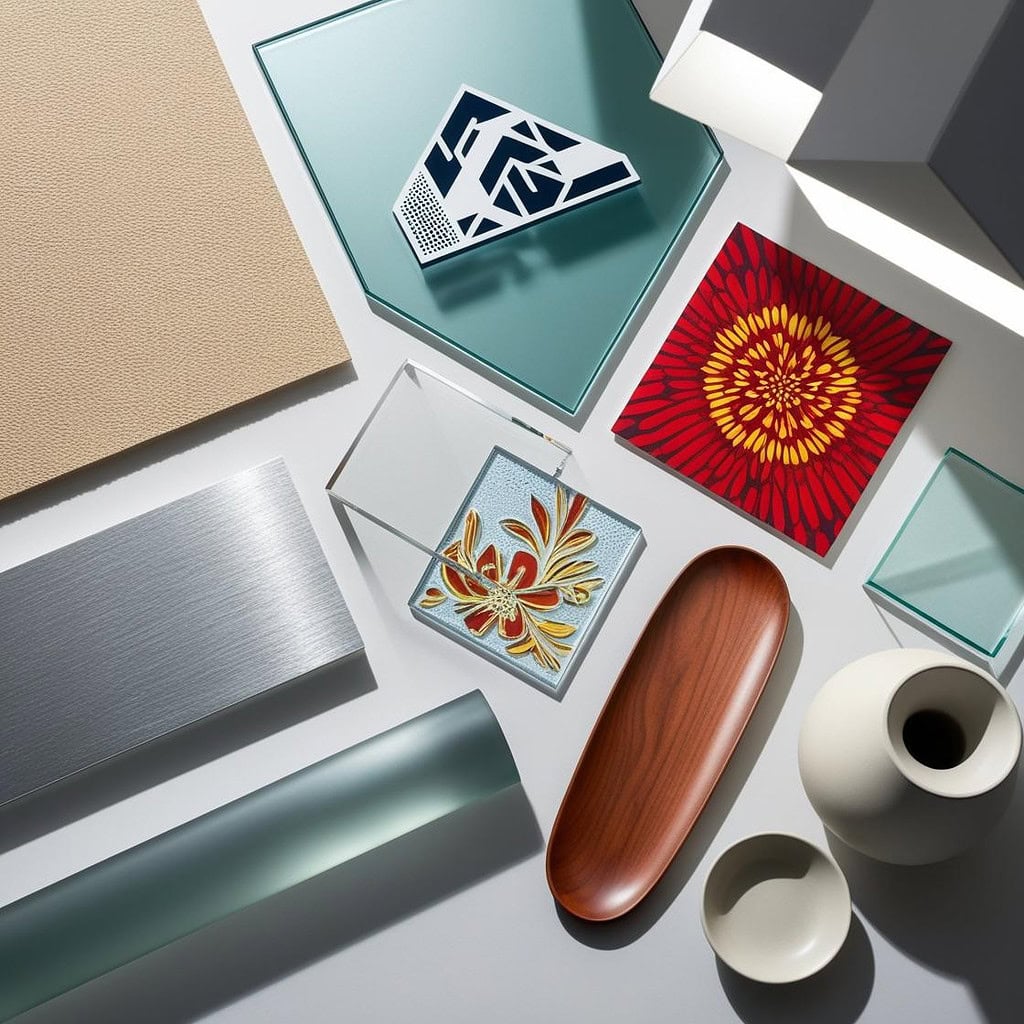
UV printing adapts well to a variety of materials, including paper, plastics, metals, glass, and ceramics.
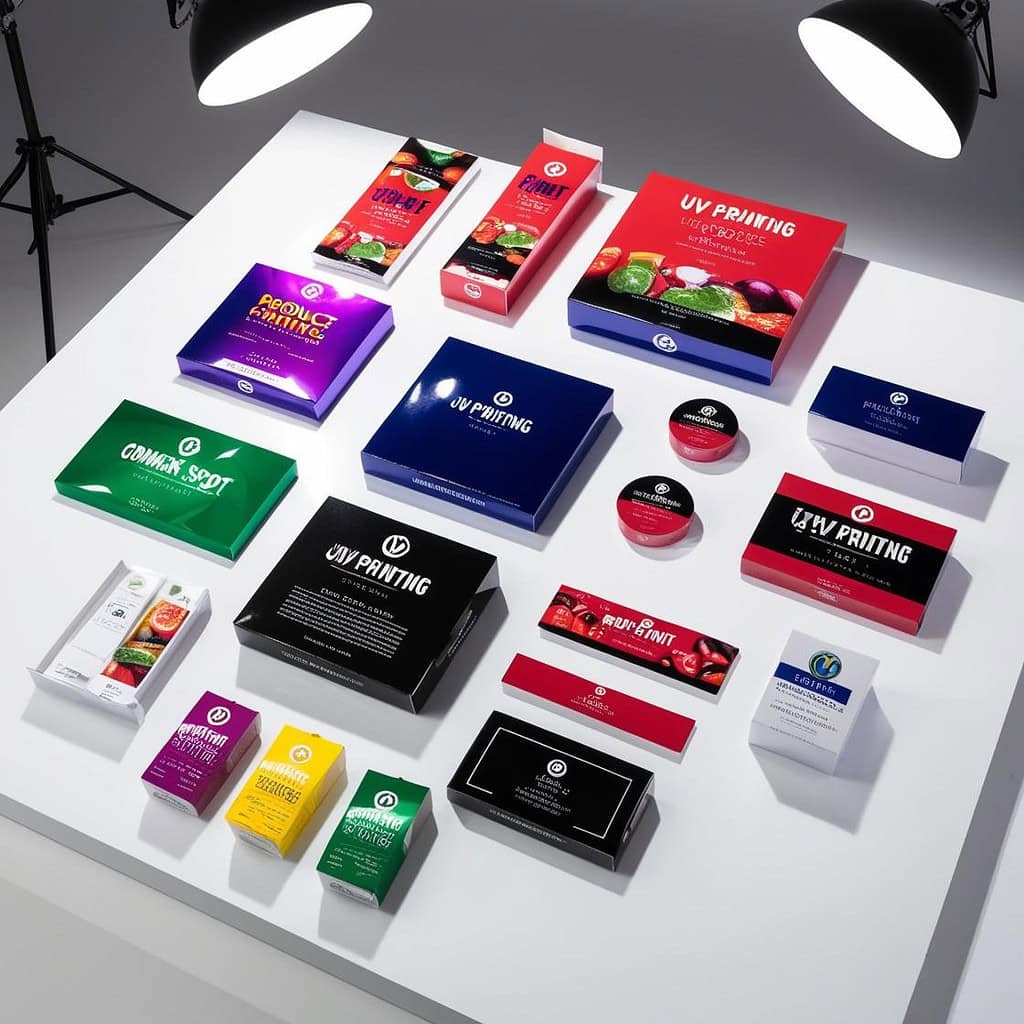
This flexibility allows for unique applications, such as packaging designs that incorporate spot UV or gloss spot UV finishes. Spot UV enhances specific areas of a printed piece, creating visual contrast and tactile differentiation.
Brand owners can leverage this versatility to use sustainable materials while minimizing waste from unused substrates.
Material Type | Pre-Treatment Requirement | Example Uses |
|---|---|---|
Paper | None | Brochures, business cards |
Plastics | None | Labels, signage |
Metals | None | Product packaging, promotional items |
Choosing Materials for UV Printing
Creative Opportunities
UV printing opens doors to endless creative possibilities. Designers appreciate the vivid colors and detail achievable with this printing method.
The option to incorporate effects like Spot UV or Gloss Spot UV enhances designs by adding texture and shine to specific areas, creating a tactile experience for the consumer.
This technique just boosts visual appeal but also emphasizes critical branding elements. For instance, a luxury product might feature spot varnish to draw attention to its logo, reinforcing brand identity.
Through its versatility and technical advantages, UV printing transforms how businesses approach packaging and promotional materials.
Implementing UV printing techniques can enhance product presentation and engagement with consumers, paving the path for innovative branding strategies.
Comparing UV Printing to Traditional Methods
Understanding the differences between UV printing and traditional printing methods is crucial for brand owners and packaging purchasers. Each method possesses unique characteristics that can significantly impact the quality and functionality of printed materials.
Feature | Traditional Printing | UV Printing |
|---|---|---|
Ink and Drying Process | Uses solvent-based inks that absorb into materials, often needing additional drying aids. | Applies UV inks cured instantly by ultraviolet light, eliminating the drying stage. |
Material Versatility | Mostly limited to paper and absorbent materials. | Prints on a diverse range of materials, including non-absorbent surfaces like plastics and metals. |
Print Quality | Tends to exhibit dull colors and potential smudging from ink absorption. | Produces vibrant, sharp images due to the instant curing and surface-adhesion of inks. |
Speed and Efficiency | Longer production times due to drying requirements and setup. | Quick turnaround with immediate curing, streamlining the printing process. |
Industry it fit for
Legend: ★ = Required; ○ = Optional
nail polish
★Color Show
Cosmetics
★Glossy Effect
Perfume
○Pearlescent Effect
luxury gift
○Metallic Effect
wine
★Brand
candle
○Design Show
hair extensions
★Product View
wigs
★Style Show
candy
★Product Showcase
Presentation
★Brand
Conclusion
UV printing has truly changed the landscape of the printing industry. Its ability to produce high-quality prints on a variety of materials is impressive. I’m continually amazed by how this technology allows for such vibrant colors and intricate details.
The speed and efficiency of UV printing make it a game-changer for businesses looking to enhance their branding and packaging. Plus the environmental benefits can’t be overlooked. As I explore more about UV printing, I can see its potential to drive innovation in design and production.
For anyone in the printing or packaging industry, embracing UV printing could lead to exciting opportunities. It’s not just about printing; it’s about transforming how we present our ideas and products to the world.

 English
  العربية
  Deutsch (Sie)
  Español
  Français
  日本語
日本語  한국어
한국어  Italiano