
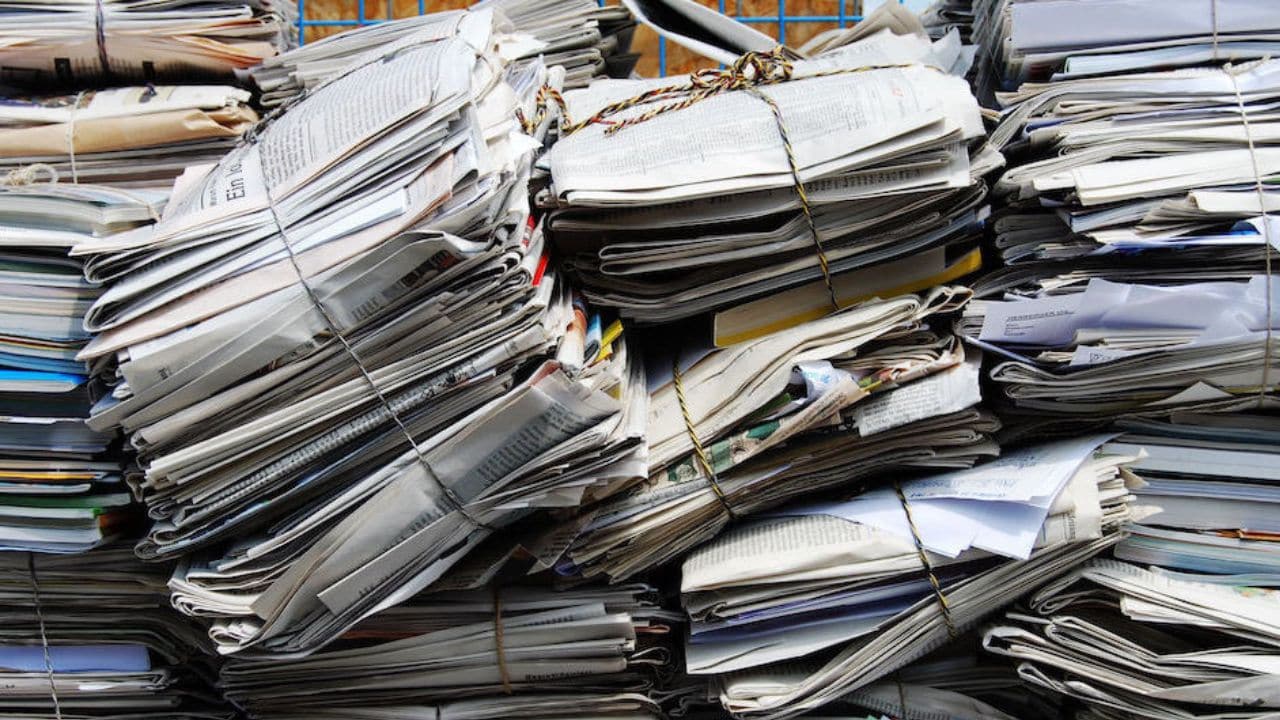
Have you noticed how more people care about the environment these days? Choosing the right packaging is now a big part of helping our planet. Recycled paper and eco-friendly packaging let us cut down on waste and protect resources.
In this guide, I’ll walk you through the basics of recycled paper and sustainable packaging. If you’re thinking about ordering recycled paper packaging for your business, I’ll also share some quick tips to help you get started with confidence.
What is recycled paper?
Recycled paper is paper made from used paper products that have been collected, processed, and turned into new paper. It is created by breaking down old paper into fibers, cleaning them, and then using these fibers to make new sheets. This process helps reduce waste, saves trees, and lowers the energy used compared to making paper from new wood.
The Production Process of Recycled Paper
Now that we know what recycled paper is, let’s take a look at how it’s made.
(1) Raw Material Collection and Sorting
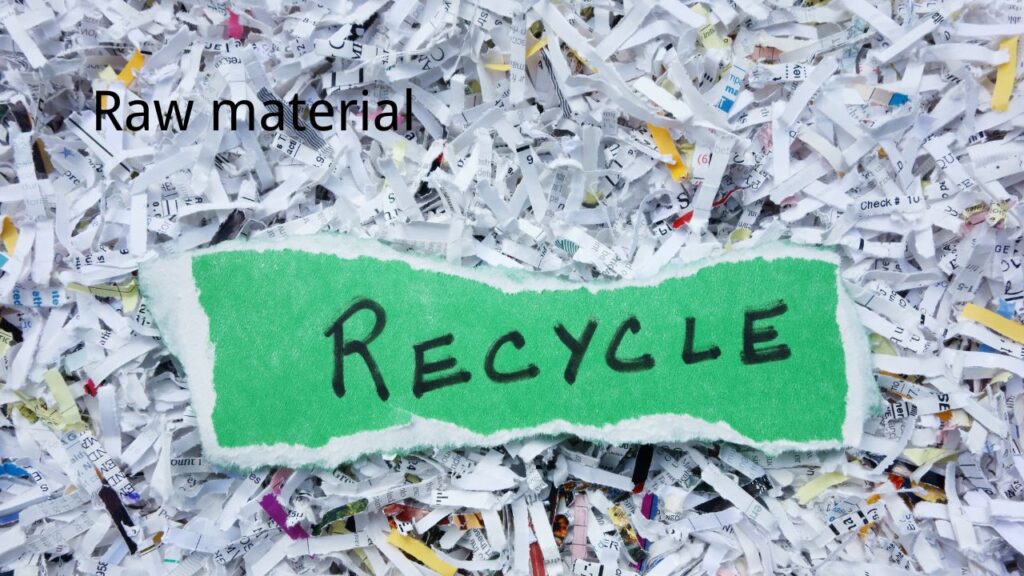
Recycled paper starts with collecting used paper from places like offices, schools, and homes—think old printer paper, newspapers, and magazines. Sorting these papers by type is important because mixing different kinds can lower the quality of the new paper. Careful sorting makes sure the final recycled paper is strong and clean.
(2) Pulping and Screening
The sorted paper is soaked in water and mixed until it turns into a soft pulp. This pulp is then passed through screens to filter out things like bits of plastic, staples, or other small pieces that don’t belong. Removing these impurities helps keep the recycled paper smooth and ready for the next steps.
(3) De-inking and Washing
To make recycled paper look clean and bright, the pulp goes through de-inking. This means removing ink and colors left from printing. Some factories use chemicals to break down the ink, while others use bubbles (flotation de-inking) to help the ink rise to the top so it can be taken away. After de-inking, the pulp is washed with water to remove any leftover ink or dirt, making it as pure as possible for making new paper.
(4) Beating and Papermaking
After cleaning, the pulp is beaten to mix and swell the fibers, which helps make the paper stronger and smoother. The pulp is then spread onto a moving screen in a paper machine, where water drains away and the fibers start to form a thin sheet.
This sheet goes through rollers to press out even more water, and then it’s dried with heat to become finished paper, ready for cutting and use.
(5) Paper Selection Guide for Custom Orders
When ordering recycled paper packaging, it’s important to pick the right type and thickness (called grammage) to fit your product. Think about what you’re packing, how strong the paper needs to be, and if you want it printed.
Before placing an order, get ready with details like the size you need, the kind of printing you want, and how the packaging will be used. This helps the supplier make exactly what you need.
Common Recycled Paper Products
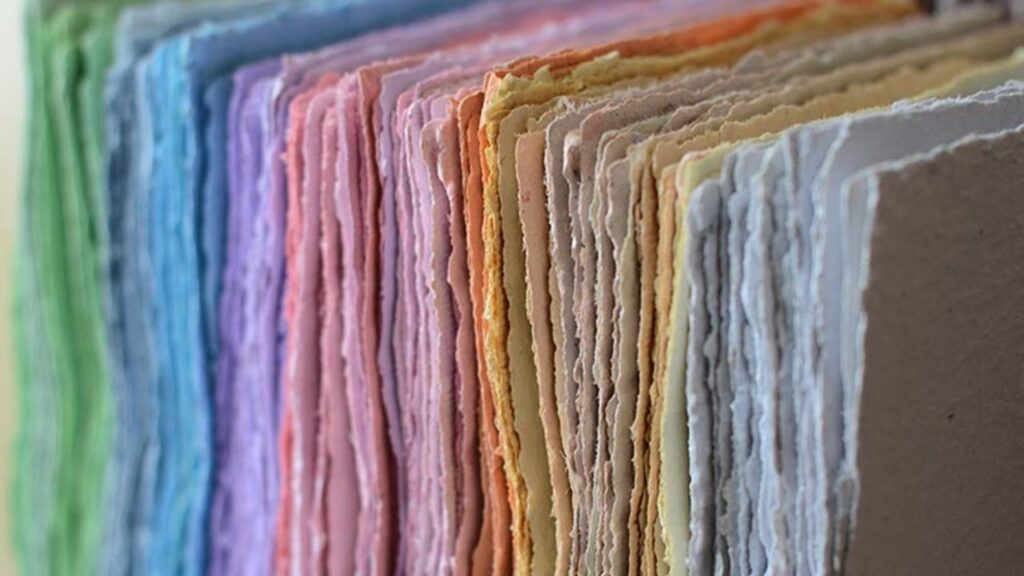
Now that you know how recycled paper comes to life, let’s see where you might spot it in everyday products around you.
(1) Office and Writing Papers
You’ll find recycled paper in lots of office supplies—printer paper, notebooks, and even sticky notes. These products work just as well for writing and printing every day, but they also help cut down on waste and save trees. Choosing recycled options is an easy way for any office or student to go a little greener.
(2) Packaging Materials
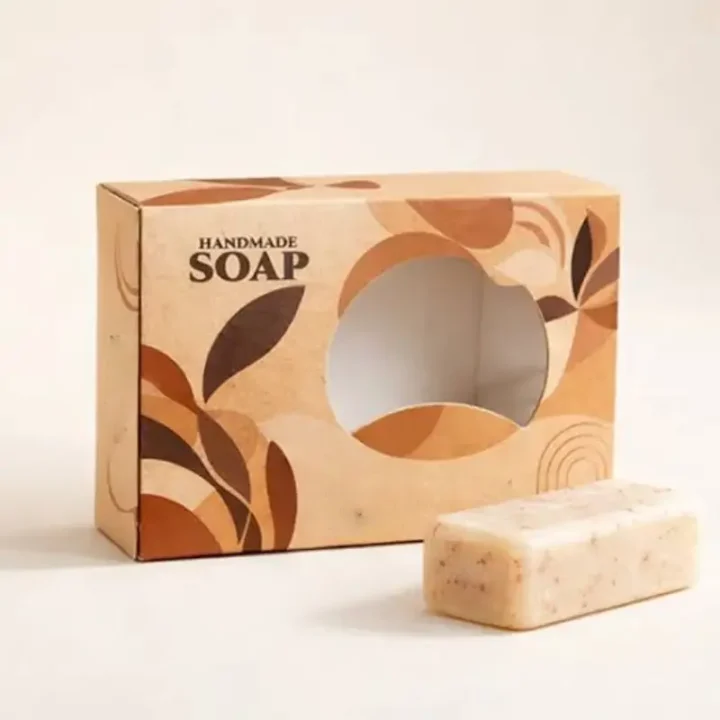
Recycled paper is widely used for making cartons, boxes, and paper bags you see in stores or delivered to your door. These packaging materials keep products safe and make shipping easier, while also helping cut down on packaging waste.
By choosing recycled paper packaging, businesses can protect their products and the environment at the same time.
(3) Product Performance and Application Scenarios
Recycled paper packaging is strong enough to hold most products, and it can be treated to resist moisture and oil if needed. It also works well for printing, so your brand’s logo and colors can stand out. You’ll see recycled paper packaging used in e-commerce, food delivery, cosmetics, and more—making it a smart choice for many different businesses.
(4) Printed Materials
Recycled paper is often used for printing books, magazines, and brochures. It provides a good surface for text and images, so the final product looks professional and easy to read.
By choosing recycled paper, publishers not only maintain high printing quality but also show their commitment to environmental responsibility—something many readers and clients appreciate today.
As more businesses and consumers look for sustainable options, certifications like FSC have become increasingly important.
FSC – Certified Packaging
Let’s explore what FSC-certified packaging means and why it matters.
(1) Introduction to FSC Certification
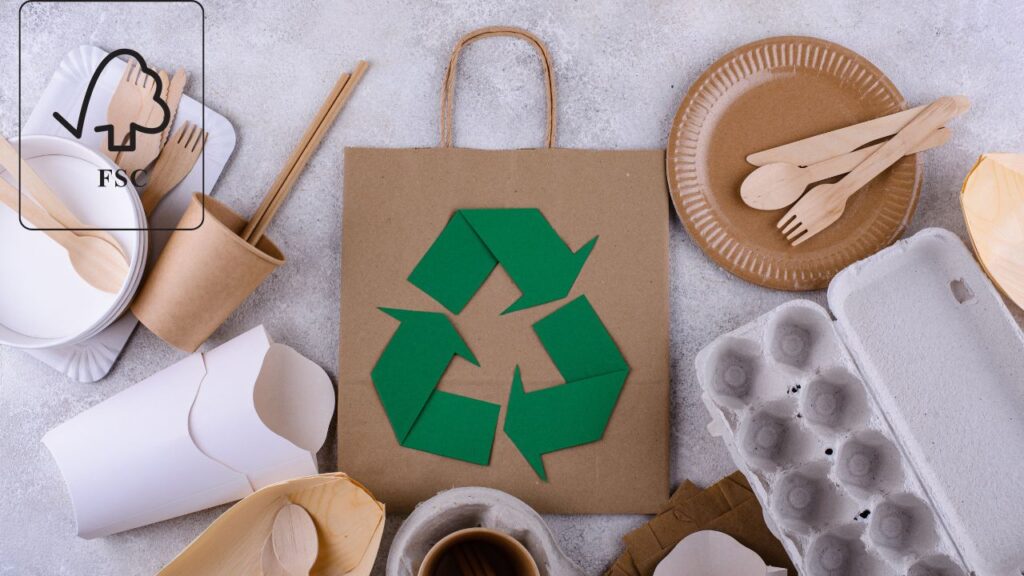
FSC certification, issued by the Forest Stewardship Council, is a mark that shows wood or paper products come from responsibly managed forests. Its main goal is to make sure that forests are used in a way that preserves biodiversity, respects local communities, and keeps forests healthy for future generations. Choosing FSC-certified packaging helps protect forests and supports sustainability worldwide.
(2) Standards and Requirements for FSC – Certified Packaging
FSC-certified packaging must use wood that comes only from forests managed in a sustainable and responsible way. This means no illegal logging and no harm to rare species or local people. During production, every step—from harvesting the wood to making and shipping the packaging—needs to follow strict rules.
The whole supply chain must be traceable, so anyone can check where the materials came from. This traceability gives buyers confidence that the packaging truly supports forest protection and ethical sourcing.
(3) How Clients Can Use Certified Packaging and Eco Labels
Clients can check a supplier’s FSC certification by asking for their FSC certificate number and looking it up on the official FSC website. To use the FSC logo or other eco labels on packaging, clients need to make sure their supplier has permission and follows the correct guidelines.
Only certified suppliers can print the FSC label, and it must be used according to FSC rules, so customers know the packaging is truly sustainable.
(4) Market Significance of FSC – Certified Packaging
FSC-certified packaging gives brands a clear edge in today’s market. More and more customers want products that are good for the environment, and the FSC label is a trusted sign of that.
Using FSC-certified packaging shows your brand cares about forests and sustainability, which can boost your image and attract eco-conscious buyers. It also helps companies meet green standards and stand out from competitors who don’t have such certifications.
The Significance and Current Situation of Paper Recycling
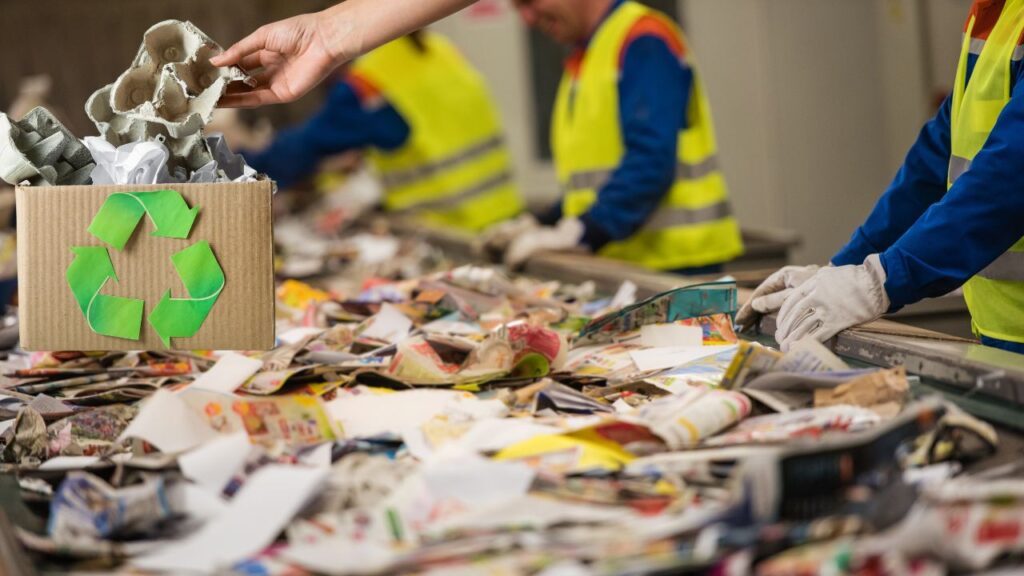
With so many benefits and applications of recycled and certified paper, it’s important to understand why paper recycling matters and what’s happening in the industry today.
(1) Environmental Significance of Paper Recycling
Paper recycling plays a big role in protecting the environment. By reusing old paper, we cut down fewer trees, which helps preserve forests and wildlife habitats.
Recycling also uses less energy and water compared to making new paper from raw wood. Plus, it keeps tons of paper out of landfills, reducing waste and pollution. Altogether, recycling paper is a simple but powerful way to help the planet.
(2) Global Paper Recycling Situation
Paper recycling rates differ widely around the world. In Europe, the average paper recycling rate is over 70%, with countries like Germany and Austria leading the way.
North America also has high recycling rates, but some regions lag behind. In Asia, countries like Japan and South Korea have strong recycling systems, while others are still developing their infrastructure.
These achievements show that good recycling policies and public awareness make a big difference. However, some areas still face challenges, such as lack of collection systems, contamination of paper waste, and limited technology for sorting and processing. Improving these areas can help boost recycling rates and protect the environment even more.
(3) Measures to Improve Paper Recycling Rates
To boost paper recycling, public campaigns and better recycling bins help encourage participation. Governments should set rules, invest in facilities, and support new recycling methods.
Companies need to use more recycled paper and design products for easy recycling. Working together, everyone can raise recycling rates and help the environment.
Challenges and Solutions for Recycled Paper and Sustainable Packaging
While recycled paper and sustainable packaging offer many benefits, they also face certain challenges. Understanding these obstacles—and how to overcome them—is key to making packaging truly eco-friendly.
(1) Technical Difficulties
Recycled paper often faces quality issues, such as lower strength, rougher texture, and color differences compared to new paper. Removing ink and impurities during recycling can be challenging and costly. These technical bottlenecks make it hard to produce high-quality recycled paper at a low cost.
For sustainable packaging, developing new materials that are both eco-friendly and strong enough for packaging is difficult.
It takes time and research to find materials that protect products well, resist moisture, and stay affordable. Improving performance while keeping costs low is a key challenge in making sustainable packaging widely used.
(2) Market Awareness and Acceptance
Many consumers support eco-friendly products, but not everyone knows about the benefits of recycled paper and sustainable packaging. Some people worry recycled products are lower in quality or less durable. Higher prices can also make customers hesitate to buy.
In market promotion, companies may struggle to clearly explain the value and performance of these products. If recycled packaging looks or feels different, it may affect buyers’ acceptance.
Overcoming these doubts and making eco-friendly options more affordable are key to increasing market acceptance.
(3) Solutions
Invest more in research to improve recycled paper quality and lower costs. Support innovation in new sustainable materials. Increase public education and clear labeling to boost trust.
Governments can help with policies, subsidies, and green purchasing rules. These steps together can grow acceptance and use of eco-friendly packaging.
(4) Customization Process Overview for Clients
The customization process for recycled paper packaging usually includes these steps:
- Consultation: Discuss your needs and packaging ideas with the supplier.
- Material & Style Selection: Choose recycled paper types, sizes, printing, and design styles.
- Sample Approval: Review and approve a sample to confirm quality and appearance.
- Order Confirmation: Finalize the order details and sign the contract.
- Production: The supplier manufactures the packaging according to your requirements.
- Delivery: Finished products are shipped to you.
Timeline: The whole process usually takes 2–6 weeks, depending on design complexity and order size.
Points to note: Clearly communicate your needs, check samples carefully, and confirm delivery times to avoid misunderstandings.
Conclusion
Recycled paper production and FSC-certified packaging help protect forests, reduce waste, and support a greener future. Promoting these solutions is key for sustainable development and environmental protection. LETAI, as a professional FSC packaging factory, welcomes all clients to consult us for efficient, eco-friendly, and reliable packaging solutions.


 English
  العربية
  Deutsch (Sie)
  Español
  Français
  日本語
日本語  한국어
한국어  Italiano