
What is Coated Paper? A Guide to Superior Print Quality and Protection
Have you ever wondered why some printed materials look so crisp and colorful while others seem dull? The secret often lies in something called coated paper. Let’s explore what makes this material so special for packaging and printing.
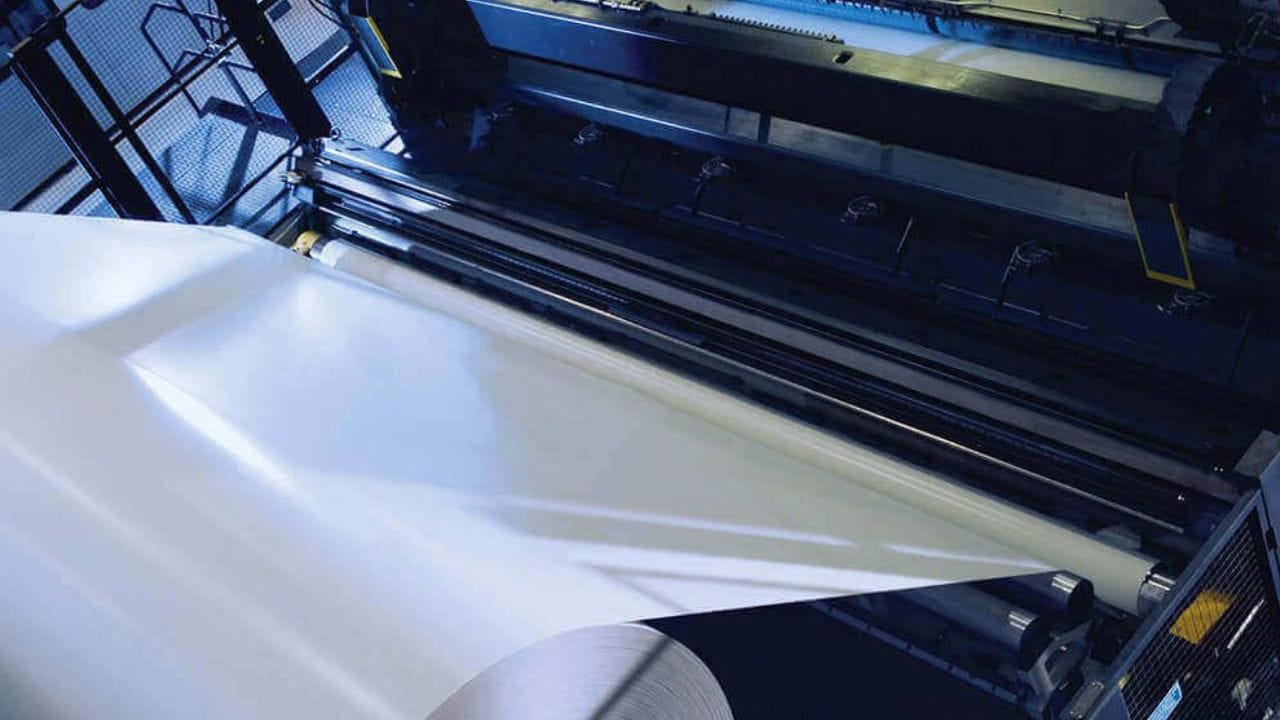
Coated paper is regular paper with an extra layer on top. Think of it like putting a smooth coat of paint on a wall. This coating is made from minerals like clay or calcium carbonate. Sometimes it uses special plastics called polymers instead.
The coating goes on one side or both sides of the paper. This makes the surface much smoother than regular paper. It also makes colors look brighter and sharper when you print on it.
Why does this matter? The smooth surface helps ink sit better on the paper. This means pictures look clearer. Text appears sharper. Colors pop more than they would on regular paper.
The coating also makes the paper tougher. It can handle more wear and tear. This is perfect for packaging that needs to look good and last longer.
Key Functions
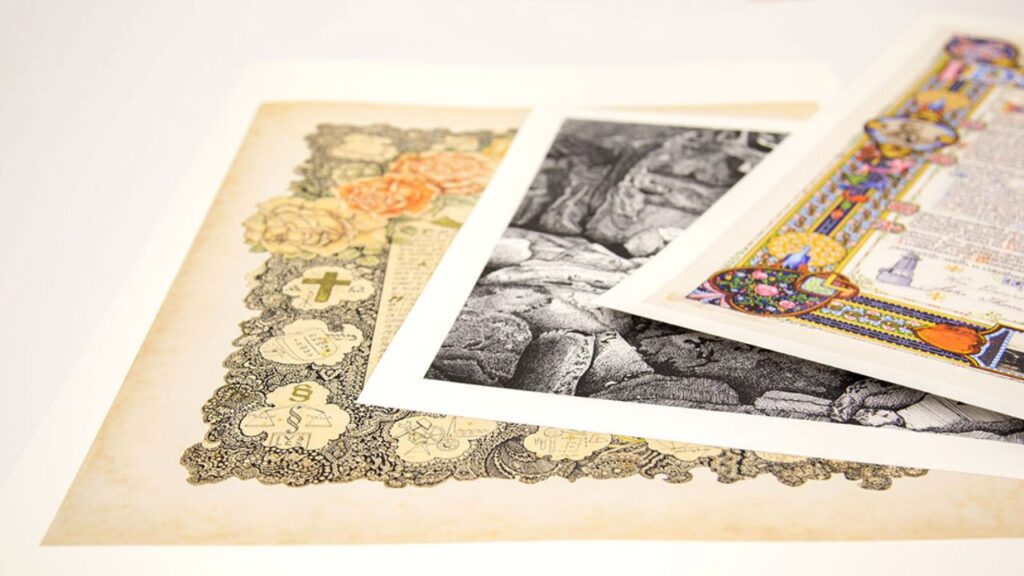
Coated paper does three main jobs that make it perfect for packaging. Let’s break down each one.
Enhanced print quality is the first big benefit. The smooth coating stops ink from soaking deep into the paper. This means images stay sharp and clear. Colors look much brighter and more vibrant. Even tiny details come out crisp and clean.
Think about a magazine photo versus a newspaper photo. The magazine uses coated paper. That’s why the pictures look so much better.
Surface protection is the second key function. The coating acts like a shield. It fights off moisture that could damage the paper. It resists stains better than regular paper. It also handles wear and tear much better.
This protection matters a lot for packaging. Your product might sit on shelves for months. It might get handled by many people. Coated paper keeps looking good through all of this.
Aesthetic versatility is the third major benefit. Coated paper comes in different finishes. You can choose gloss for a shiny, eye-catching look. You can pick matte for a smooth, non-reflective surface. You can also go with satin, which sits between gloss and matte.
Each finish creates a different feeling. Gloss looks premium and flashy. Matte feels elegant and sophisticated. Satin gives you the best of both worlds.
This variety lets brands match their packaging to their style perfectly.
Gloss vs. Matte: A Quick Selection Guide for Coated Paper
| Need/Scenario | Gloss Coated | Matte/Silk Coated | Uncoated |
|---|---|---|---|
| Color vibrancy | ✔✔ Best | ✔ Good | ✖ |
| Readability (text) | ✖ Can glare | ✔✔ Best | ✔ |
| Luxury feel | ✔ | ✔✔ Best | ✖ |
| Outdoor/durability | ✔✔ Best | ✔ | ✖ |
| Writeability | ✖ | ✖ | ✔✔ Best |
| Eco-friendly option | ✔ Recycled* | ✔ Recycled* | ✔✔ Best |
| Budget | ✔ Light | ✔ Light/Medium | ✔✔ Best |
The Anatomy of Coated Paper: Types by Coating Thickness and Finish
By Coating Thickness
Not all coated paper is the same. The thickness of the coating changes how the paper works. Let’s look at the three main types.
Lightly coated paper has a thin layer of coating. This gives you better print quality than regular paper. But it still stays flexible and easy to fold. You see this paper in catalogs and magazines. It’s perfect when you need good printing but also need to bend or fold the material.
Medium coated paper sits in the middle. It has more coating than light paper but less than heavy paper. This makes it great for brochures and flyers. You get better color quality than light paper. But it’s not as expensive as heavy paper.
Heavily coated paper has the thickest coating layer. This creates a very smooth, shiny surface. Colors look amazing on this paper. It also lasts much longer than other types. You’ll find heavy coated paper on premium packaging and art books. It costs more but gives the best results.
How do you choose? Think about what you need most. Pick light coating for flexibility. Choose medium coating for marketing materials. Go with heavy coating when you want maximum shine and durability.
The simple way to remember this: light, medium, heavy. Each step up gives you better quality but costs more.
2. By Finish Type
| Finish Type | Characteristics | Common Applications |
|---|---|---|
| Gloss Coated | High reflectivity, vibrant color, smooth surface | Magazines, posters, catalogs |
| Matte Coated | Low reflectivity, soft texture, reduced glare | Books, business cards, luxury packaging |
| Satin Coated | Semi-gloss, balances shine and texture | Brochures, annual reports |
| Silk Coated | Subtle sheen, velvety texture | Novels, corporate documents |
Printing on Coated Paper: A Guide to Inks, Methods, and Limitations
1. Ink and Printing Methods
Coated paper works with almost any print method. This makes it very flexible for different jobs.
Compatible inks include several types. Offset inks work great on coated paper. These can be oil-based or water-based. Both give you sharp, clean details. Digital inks also work well. This includes toner for laser printers and inkjet for inkjet printers. Digital inks are perfect for short runs and custom jobs.
Recommended printing processes cover all the major technologies. Offset printing works excellent for large jobs. Digital printing is great for small batches. Gravure printing also works well for very high-quality results.
The bottom line? Coated paper works on almost any modern press. Whether you need 100 copies or 100,000 copies, you can find a printing method that works.
2. Limitations in Printing
Coated paper isn’t perfect. It has some challenges you should know about.
Ink drying time takes longer than regular paper. The smooth coating doesn’t absorb ink as fast. This means you might need drying agents to speed things up. Your printer can add these to help the ink dry faster.
Writeability is another issue. Don’t use coated paper for handwritten notes. The ink will smudge and look messy. If you need people to write on the paper, choose uncoated paper instead. This includes forms that need signatures.
Remember: coated paper is for printing, not writing.
Coated Paper in Action: Applications in Publishing, Packaging, and Commerce
1. Publishing and Printing
Different types of coated paper work best for different projects.
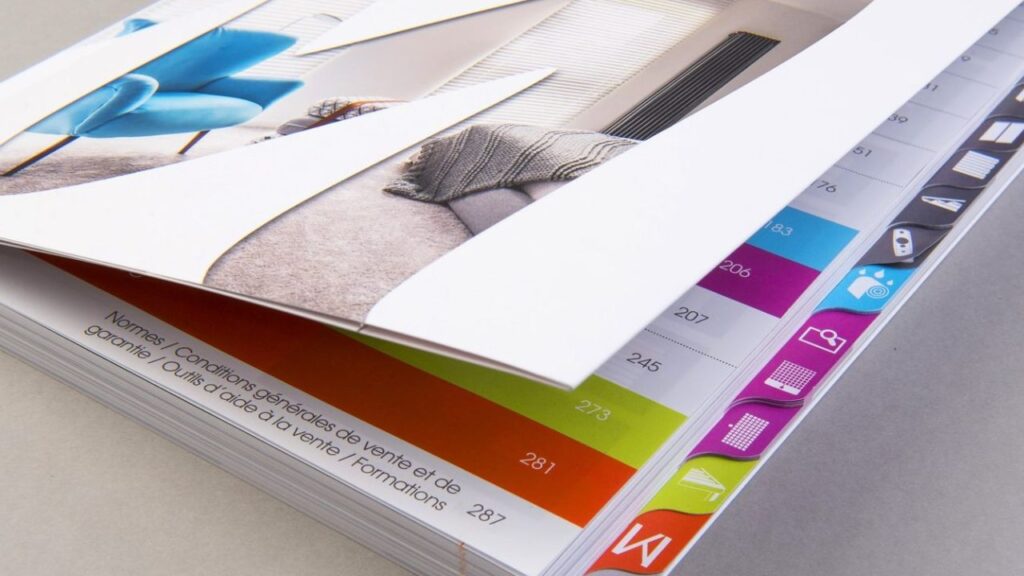
Magazines and catalogs use specific finishes. Gloss coated paper makes images look vivid and bright. This is perfect for photo-heavy magazines. Matte coated paper works better for text-heavy content. It’s easier to read without glare.
Books often use silk or matte coated paper. These finishes reduce eye strain. People can read for longer without getting tired. This makes them perfect for novels and textbooks.
Marketing materials need different approaches. Satin coated paper works great for brochures. It looks professional but isn’t too shiny. Gloss coated paper is perfect for flyers. The shine helps grab attention.
Match the finish to your project type. This ensures the best results for your specific needs.
2. Packaging
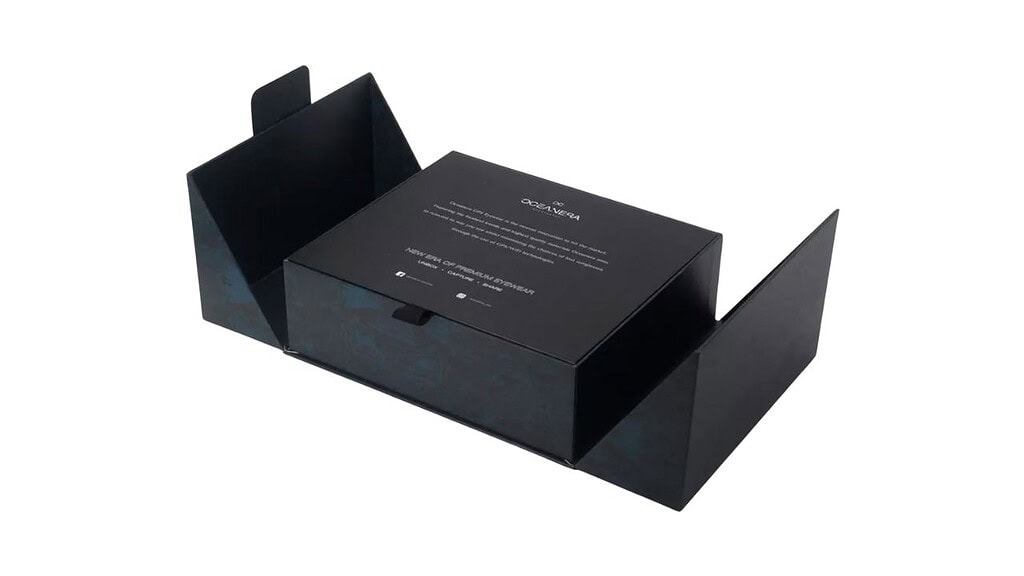
Coated paper offers both visual appeal and surface protection. This makes it perfect for many packaging needs.
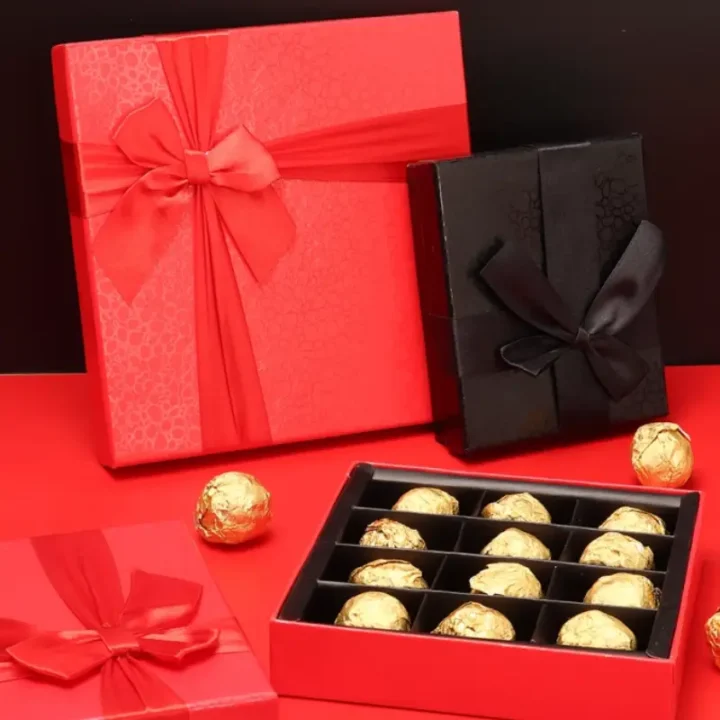
Retail packaging uses heavily coated gloss paper. Think about cosmetics boxes or electronics packaging. The high gloss makes products look premium and expensive.
Food packaging needs grease-resistant coated paper. This works great for fast-food wrappers and candy boxes. The coating stops grease from soaking through the paper.
Luxury packaging takes a different approach. Matte or silk coated paper feels more elegant. You see this on perfume boxes and watch packaging. The subtle finish suggests quality and sophistication.
Choose your coating based on your brand image and practical needs.
3. Commercial Uses
Business cards need thick coated paper. Matte or silk finish works best. These finishes feel professional and last longer. They also don’t show fingerprints as much as gloss.
Posters and banners work best with gloss coated paper. The shiny surface makes colors pop from far away. Gloss coating also resists weather better for outdoor use.
For commercial projects, focus on durability and visual impact. Coated paper delivers both.
The Business Case for Coated Paper: Weighing the Advantages and Limitations
1. Key Advantages
Coated paper delivers better print, more protection, and more finish options than regular paper.
Superior print quality shows real numbers. Coated paper gives you 30 to 50 percent better color saturation than uncoated paper. Details stay sharp and clear. Colors look much more vibrant. This difference is easy to see when you compare them side by side.
Durability is another major benefit. Coated paper resists tearing much better than regular paper. It also fights off moisture damage. This protection keeps your printed materials looking good for much longer.
Aesthetic flexibility gives you many choices. You can pick high gloss for maximum shine and impact. You can choose soft matte for an elegant, sophisticated look. You can also select finishes in between. This range lets you match your paper to your brand perfectly.
These advantages make coated paper worth the extra cost for many projects. The improved quality and protection often pay for themselves.
2. Limitations
Coated paper isn’t perfect. You should know about its downsides before choosing it.
Cost is the biggest limitation. Coated paper costs 15 to 30 percent more than uncoated paper. The coating materials cost money. The extra production steps also add to the price. This higher cost can impact your budget, especially for large print runs.
Environmental impact is another concern. Coated paper is recyclable, but it needs extra processing. The coating materials make recycling more complex. However, recycled coated grades are available. These options help reduce environmental impact while still giving you coated paper benefits.
Rigidity affects how you can use the paper. Heavily coated paper is much stiffer than regular paper. It’s less foldable and may crack at creases. If you need to fold the paper, make sure to score it properly first. This creates clean fold lines without cracking.
Be honest about these limitations with clients. For eco-focused projects, offer recycled coated options. For folding projects, explain the scoring requirements upfront.
Conclusion
Coated paper is the industry standard for achieving vibrant print quality and enhanced durability, making it the essential choice for any project where brand impression is paramount. As the technology evolves with new sustainable and functional coatings, selecting the right finish and weight is a critical strategic decision that directly impacts your product’s final look, feel, and performance.
Ready to elevate your project with the perfect finish? Contact our specialists today for personalized recommendations and samples, ensuring your packaging achieves the ideal balance of visual impact, durability, and cost-effectiveness.
FAQ
Is coated paper recyclable?
Yes, though it requires extra processing. Ask us about recycled coated options for green projects.
Can I write on coated paper?
Handwritten notes may smudge—use uncoated paper for forms or signatures.
Does coated paper work for food packaging?
A: Yes, special grease-resistant coated grades are available and food-safe also fit FSC.
For learning about the coated vs normal paper click here for the ultimate guide.


 English
  العربية
  Deutsch (Sie)
  Español
  Français
  日本語
日本語  한국어
한국어  Italiano