
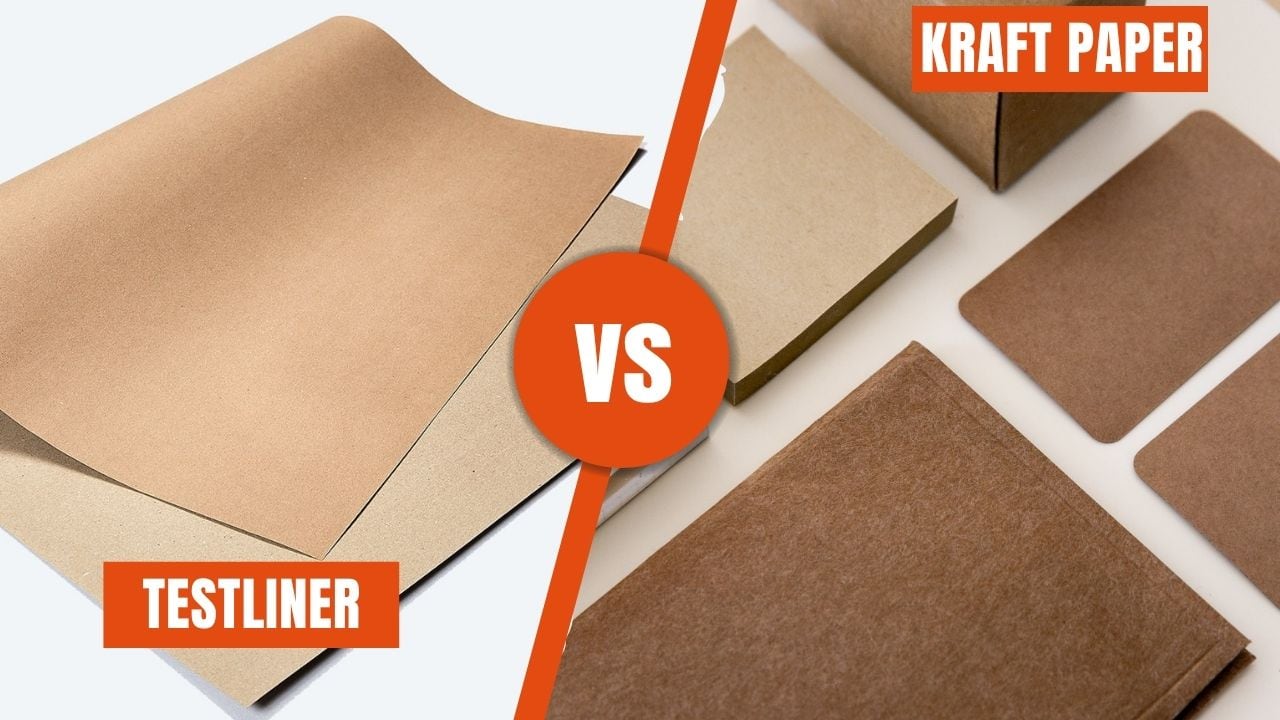
Kraft Paper vs Testliner: A Strategic Guide for Packaging Professionals
Ever wondered why some shipping boxes survive rough handling while others arrive damaged? The answer often lies in your corrugated liner choice.
1. Core Definitions of Kraft Paper and Testliner
Kraft paper: Also called kraft liner, is a high-strength paperboard made from virgin wood pulp. Known for durability and flexibility in packaging applications. Uses long-fiber softwood and hardwood for optimal strength properties. Available in bleached and natural grades.
Testliner: A cost-effective paperboard made from recycled fibers. Used as liner material in corrugated cardboard construction. Contains 70-100% recycled content from post-consumer waste. Offers adequate protection at reduced material costs.
Both materials are critical in packaging systems. They differ significantly in material composition, strength characteristics, and application suitability.

2. Key Differentiation Points Kraft paper vs Testliner
Raw materials (virgin vs. recycled), mechanical properties, cost structures, and sustainability profiles drive selection decisions.
First, let’s prevent you from falling into the simple “kraft = good, testliner = bad” binary thinking. This is not a question of “good or bad”—it’s about strategic suitability.
Here’s a simple analogy to understand the difference. Kraft paper is made from virgin wood fibers—think of ropes made from brand-new, long, tough fibers. This gives excellent puncture resistance, tear strength, and moisture resistance.
Testliner is made mostly from recycled fibers—imagine ropes made by tying together shorter, used pieces. The overall strength is lower, especially in humid conditions.
But the real professional concept is “the recipe”: Corrugated board is a sandwich structure—face paper + fluting + back paper. The optimal solution is not 100% kraft or 100% testliner, but a tailored combination.
Strategic example: Use kraft paper on the outside for print quality, brand image, and puncture resistance. Use testliner inside to lower costs without sacrificing core protection.
Result: You’re no longer choosing “all or nothing.” We offer custom, gradient solutions. No need to choose between “overpaying” and “risking breakage”—we design the optimal balance for your specific needs.
Virgin vs Recycled: The Material Science Behind Kraft Paper vs Testliner
Understanding the fundamental manufacturing differences explains why these materials perform so differently in real-world applications.
1. Kraft paper: Virgin Fiber Foundation
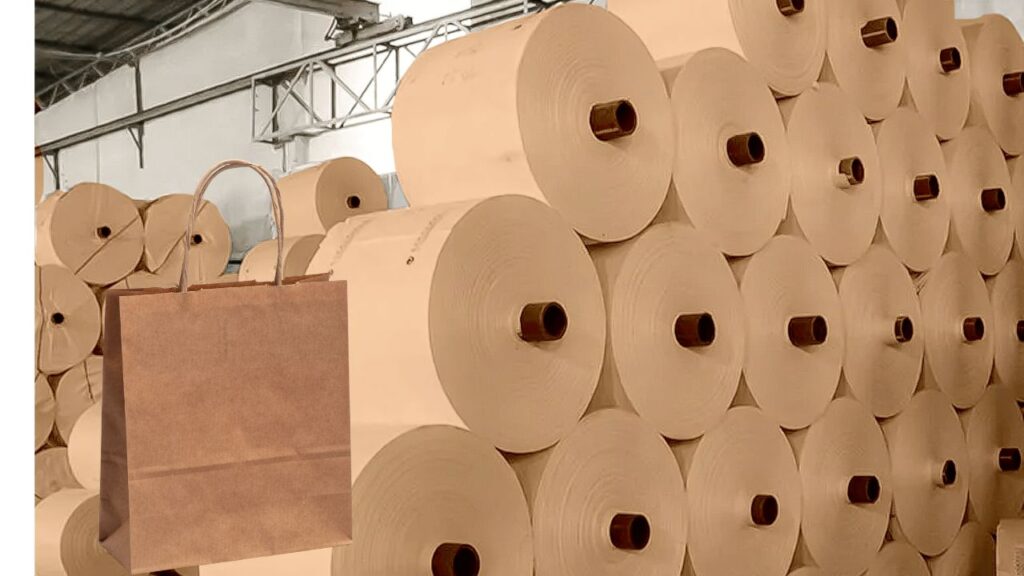
Raw Materials: 100% virgin wood pulp from carefully selected softwood and hardwood sources. Long fiber chains create superior structural integrity and consistent performance characteristics. Softwood fibers provide strength while hardwood fibers enhance formation quality.
Production Process: Chemical pulping using the sulfate process removes lignin while preserving critical fiber length. This kraft process maintains fiber integrity for enhanced durability. Minimal recycling content focuses entirely on virgin fiber quality and consistency.
The result is an exceptionally strong, moisture-resistant material. Fiber length remains intact throughout processing. Quality control ensures predictable performance across production batches.
2. Testliner: Recycled Fiber Innovation
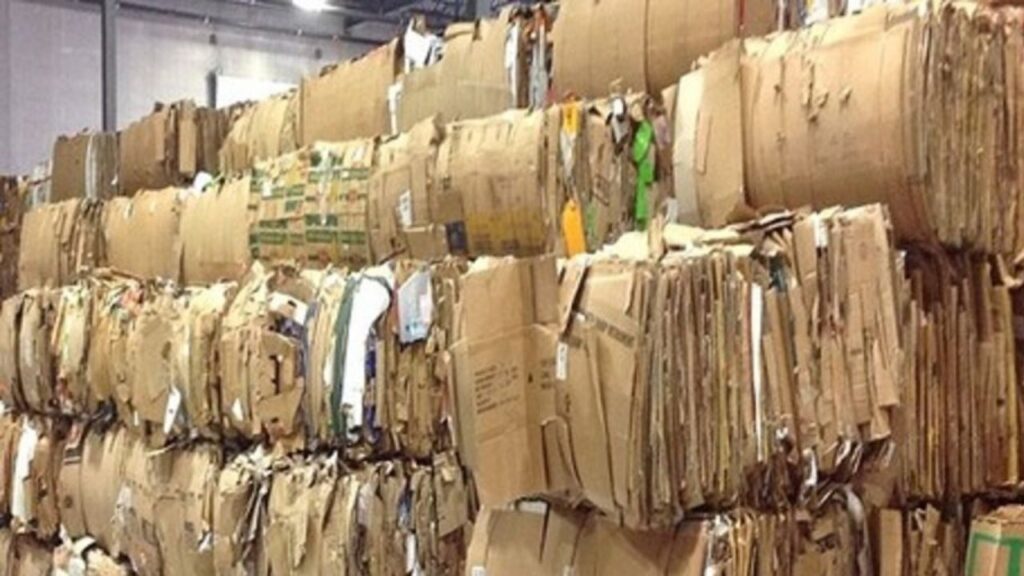
Raw Materials: Predominantly recycled paper fibers from post-consumer waste and old corrugated containers. Recycled content typically ranges from 70-100% depending on grade specifications. May include virgin pulp blends for enhanced strength in premium grades.
Production Process: Mechanical pulping or de-inking processes prepare recycled fibers for reuse. Flotation de-inking removes ink particles and contaminants. Lower processing costs but reduced fiber integrity compared to virgin materials.
Grade variations include high-strength, standard, and economy options. Fiber shortening occurs during recycling cycles. Advanced screening systems remove impurities and optimize fiber quality.
The manufacturing focus balances cost efficiency with adequate performance characteristics for specific packaging applications.
Performance at a Glance: Comparing Key Properties of Kraft paper vs Testliner
| Property | Kraft paper | Testliner |
|---|---|---|
| Strength & Durability | Superior, ideal for heavy-duty packaging | Good for medium/light-duty, cost-effective |
| Moisture Resistance | Excellent | Moderate; can soften in high humidity |
| Printability | High (especially bleached) | Good for basic branding and labels |
A Guide to Kraft Paper and Testliner Grades and Specifications
Different grades serve specific packaging requirements and brand positioning strategies.
1. Kraft Paper Grades
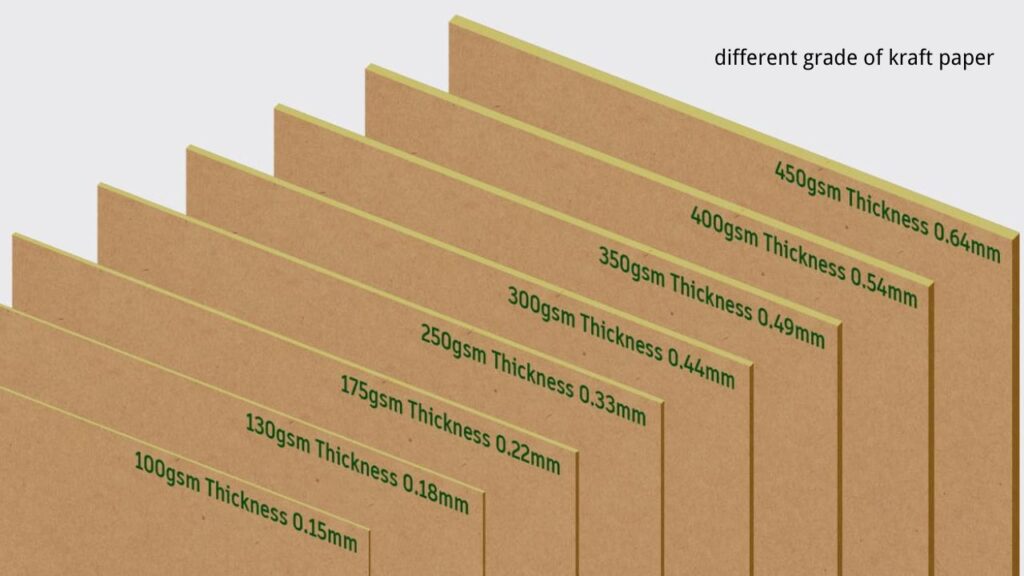
Unbleached kraft paper features a natural brown color for standard packaging applications. Bleached kraft liner provides a white surface for premium print quality and brand presentation.
Specialty Grades expand application possibilities. Waterproof kraft uses PE coating for food packaging and moisture-sensitive products. High-barrier grades offer enhanced protection for demanding applications.
Virgin fiber consistency ensures predictable performance across all grades. Grammage options range from 125-440 GSM for various strength requirements.
2. Testliner Grades
High-strength testliner uses optimized recycled-virgin blends for demanding applications. Standard grades provide adequate protection for typical packaging needs. Economy options prioritize cost efficiency for basic protection requirements.
Recycled content ratios vary from 70-100% depending on specific grade requirements. Virgin fiber additions enhance strength characteristics when needed.
If you don’t know which grade fits your project, don’t worry. We’ll recommend the right “recipe” based on your specific packaging requirements and performance expectations.
Balancing Budget and Planet: A Cost and Sustainability Analysis Kraft paper vs Testliner
Financial and environmental considerations significantly influence material selection decisions.
1. Cost Comparison
Kraft paper: 20-30% higher cost per ton due to virgin material requirements. Premium pricing reflects superior performance characteristics and consistent quality standards.
Testliner: Lower baseline costs with pricing fluctuations tied to recycled fiber availability. Market volatility affects pricing based on waste paper supply and demand cycles.
Total cost considerations include damage reduction rates, processing efficiency, and brand protection value beyond initial material costs.
2. Sustainability Factors Kraft Paper vs Testliner
Kraft paper: FSC-certified sources available for responsible forest management. Recyclable multiple times while maintaining fiber integrity. Carbon sequestration benefits during tree growth phases.
Testliner: Eco-friendly approach with up to 100% recycled content. Supports green supply chains and circular economy principles. Diverts waste from landfills effectively.
We keep “green options” simple and practical. Both materials are recyclable and support sustainable packaging goals. We’ll tailor the optimal solution to match your brand’s environmental priorities and performance requirements.
Strategic Applications: Matching the Liner to the Packaging Job
Strategic application selection based on protection requirements and cost considerations drives optimal material choice.
1. Kraft Paper Applications
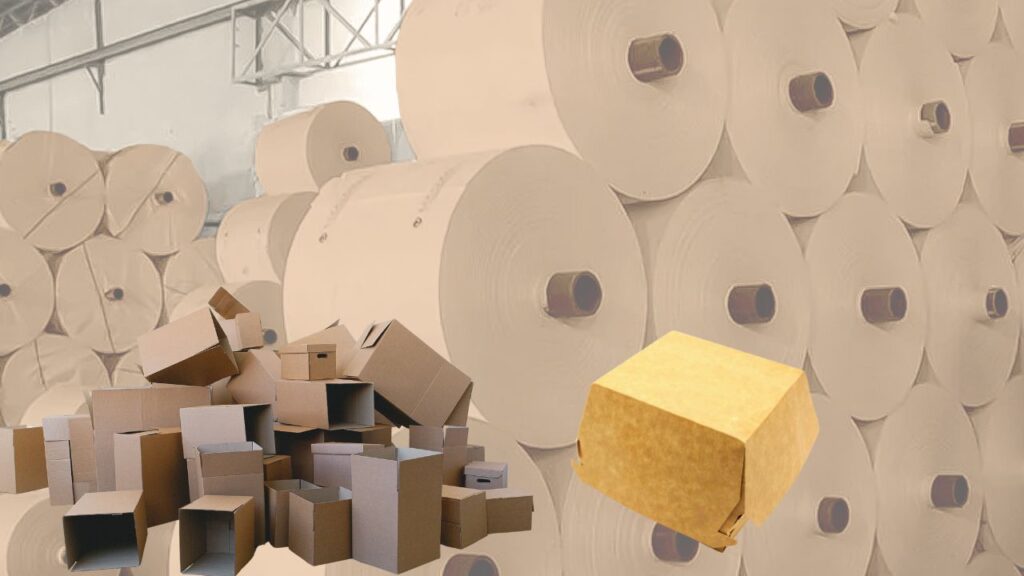
Export cartons require superior strength for international shipping conditions. Heavy-duty packaging for furniture, machinery, and industrial equipment protection. Weight capacities typically range from 20-50kg per box.
Premium branded boxes where print quality and brand presentation are critical. High-value product packaging justifying material cost premiums for damage prevention.
Food contact packaging using unbleached kraft for a natural, eco-friendly appearance. Direct food contact applications benefit from virgin fiber purity.
2. Testliner Applications
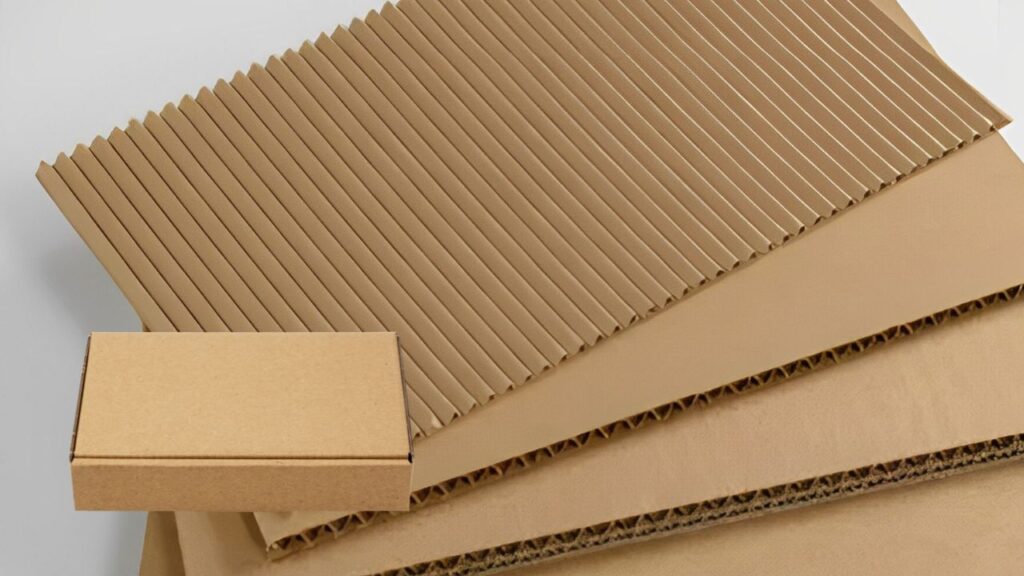
E-commerce shipping for lightweight consumer goods up to 10kg. Retail packaging and point-of-sale displays where cost efficiency matters most.
Inner liners in multi-wall constructions for optimal cost-performance balance. Standard consumer goods packaging with moderate protection requirements.
Case Examples Kraft paper vs Testliner:
For an export furniture box (40kg capacity), we recommend kraft paper outside for strength and protection during rough international handling.
For e-commerce parcels up to 5kg, use economy testliner on the outside. Cost-effective and eco-friendly with adequate durability for domestic shipping.
Optimizing the Corrugated Board: The Strategic Role of Kraft Paper vs Testliner
Understanding corrugated structure optimization delivers both performance and cost benefits.
1. Kraft paper Role
Used as the outer liner in high-strength corrugated boxes for abrasion resistance and superior print quality. Provides puncture protection during automated handling systems.
Weather resistance protects contents during outdoor storage and transportation. Consistent performance across humidity variations maintains box integrity.
2. Testliner Role
Commonly used as the inner liner or in multi-ply board constructions to optimize overall costs. Adequate compression strength for stacking requirements.
Cost optimization without sacrificing core protective functions. Structural support, when combined with stronger outer materials.
We always propose tailored board structures—kraft outside, testliner inside—for the most balanced performance and budget optimization.
The Circular Journey: Recycling and End-of-Life for Kraft paper vs Testliner
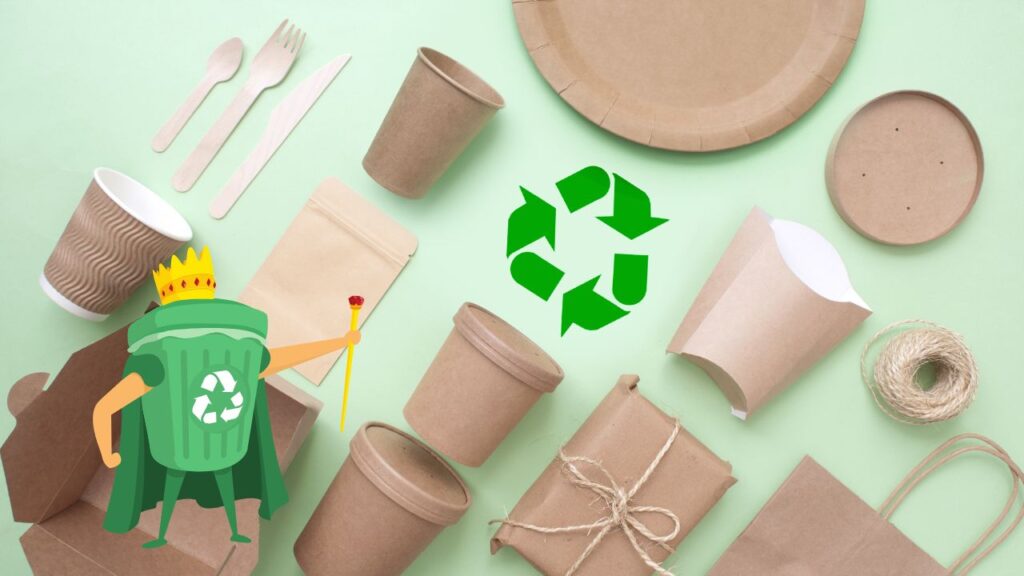
Both materials support circular economy principles with different recycling characteristics.
1. Kraft paper Recycling
Can be recycled several times while maintaining fiber integrity. Best suited for high-quality recycled products after initial use cycle.
Fiber length preservation allows multiple recycling cycles. Quality degradation occurs gradually over repeated processing.
2. Testliner Recycling
Already contains recycled content and can be repulped again. Ideal for low-grade applications in subsequent recycling cycles.
Making the Final Call: A Decision Framework for Kraft Paper vs Testliner
Strategic selection requires balancing performance requirements against cost and sustainability objectives.
1. Key Decision Factors Kraft paper vs Testliner
Load Weight: Kraft liner for heavy and valuable items requiring superior puncture resistance. Testliner for lighter, everyday goods with moderate protection needs.
Print Requirements: Bleached kraft for high-end graphics and premium brand presentation. Unbleached options for natural, eco-friendly brand positioning. Standard testliner is adequate for basic printing needs.
Budget Constraints: Testliner for cost-sensitive applications where protection requirements are moderate. Kraft paper for premium applications where damage costs exceed material premiums.
Sustainability Goals: Testliner optimizes recycled content up to 100% for circular economy objectives. Kraft paper ensures traceable virgin fiber from FSC-certified sources for responsible sourcing.
2. Hybrid Solutions Kraft paper and Testliner
Use kraft paper outside and testliner inside for optimal cost-strength balance. Outer kraft provides brand presentation and puncture protection. Inner testliner reduces costs without compromising core structural integrity.
Multi-wall constructions allow grade optimization by layer. Performance gradients match material properties to specific stress requirements throughout the box structure.
Strategic layering eliminates false choices between “overpaying” and “risking damage.” Custom specifications optimize both protection and economics for your specific applications.
We serve as your “business risk advisor”—we always evaluate packaging costs within the context of your complete commercial model. Total cost analysis includes damage rates, brand protection value, and operational efficiency gains beyond initial material costs.
Conclusion
Choose kraft paper for heavy-duty applications, premium branding, and superior protection requirements. Choose Testliner for cost-effective packaging with adequate performance and sustainability benefits. Choose hybrid solutions to optimize both strength and economics through strategic material layering.
Ready to optimize your corrugated packaging material selection? Our technical experts will analyze your specific load requirements, budget constraints, and sustainability goals to design the perfect kraft-testliner combination.
Contact us for professional packaging consultation – let’s develop the ideal board specification that balances protection, cost, and environmental responsibility for your unique applications
Frequently Asked Questions (FAQ) for Packaging Clients
Which liner is best for heavy products or export cartons?
Kraft liner is recommended for high strength and durability, especially for export, heavy or fragile goods.
Is Testliner strong enough for e-commerce boxes?
Yes, for most e-commerce or daily goods packaging, testliner provides an ideal balance of strength and cost. We always test and advise based on your product weight.
Can I print high-quality graphics or logos on both materials?
Absolutely. Both Kraft liner and Testliner can support color printing. Bleached kraft is best for premium print effects.
Will using recycled testliner affect my brand’s sustainability image?
Testliner is eco-friendly and made from recycled content, supporting green packaging initiatives.
Can I combine Kraft liner and testliner in one box?
Yes, many clients use Kraft on the outside for strength and print quality, and testliner inside for cost savings and sustainability.

 English
  العربية
  Deutsch (Sie)
  Español
  Français
  日本語
日本語  한국어
한국어  Italiano