
Discover Blind Embossing: Elevate Your Print Design Today
What Is Blind Embossing?
Blind embossing is a printing technique that creates raised or recessed designs on materials like paper or cardstock without using ink or foil.
This method, often referred to as uncolored embossing, relies solely on the texture of the material to convey the design. As a result, it offers a subtle yet impactful visual and tactile experience.
Key Features and Benefits
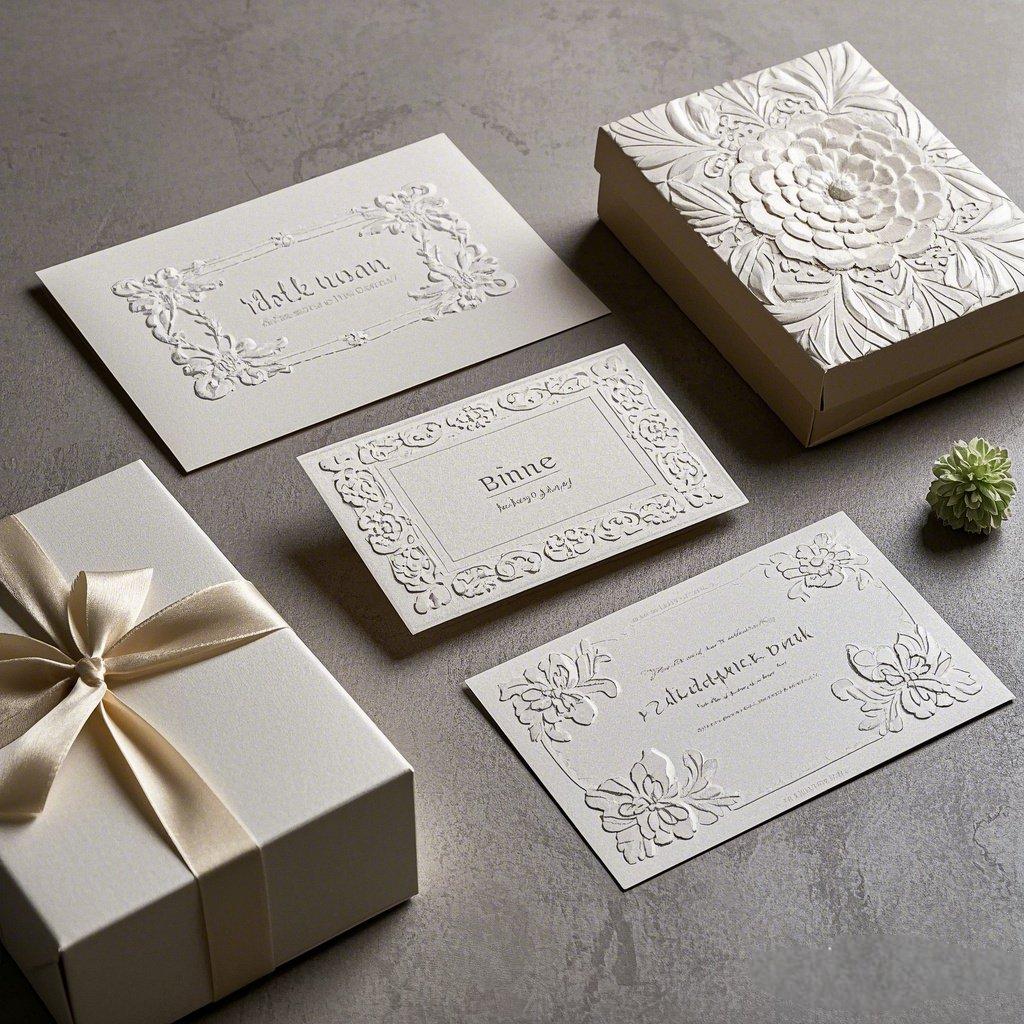
Blind embossing, also known as uncolored embossing, creates a raised design on paper, providing both visual and tactile dimensions.
The absence of ink allows the texture to take center stage, making designs more engaging. The interplay of light and shadow with the embossed surfaces adds depth, creating a striking visual effect while inviting recipients to touch and feel the quality.
This tactile experience leaves a lasting impression that elevates brand interactions. Luxury packaging, for instance, benefits immensely from this method, making products stand out on the shelf.

To achieve optimal results, careful selection of materials is required. The material type and thickness significantly influence the final outcome.
Suitable material Types
Material Type | Description | Benefits |
|---|---|---|
Paper | Thick, textured paper enhances the embossed effect. | Adds visual interest and tactile quality. |
Cardboard | Versatile and easily accessible for die creation and embossing. | Durable and cost-effective. |
Wire and Metal | Metal dies allow for precise and deep embossing. | Ensures accurate and consistent designs. |
Choosing Materials for Blind Debossing
Examples and Applications
Blind embossing enhances a variety of products across multiple industries, offering unique tactile experiences and visual elements.
Application | Industry | Benefit |
|---|---|---|
Business Cards | Corporate | Enhances professionalism and detail |
Luxury Packaging | Retail | Creates a premium feel |
Invitations | Event Planning | Adds sophistication to celebrations |
Stationery | Personal Branding | Reflects attention to quality |
Also thickness plays a vital role in the debossing process.
Effective design for blind embossing requires a few key strategies:
Choose Suitable Paper: Select thick, textured paper, ideally at least 220 gsm. Textured paper stocks enhance the embossing effect by creating depth and contrast.
Focus on Boldness: Bolder designs stand out. Use larger fonts and graphics for deeper impressions. For example, a thick logo may catch the eye better than fine lines.
Test Spacing: Ensure there’s adequate space between letters and elements. Proper spacing allows the design to form clearly post-embossing.
Decide on Style: Pick an embossing style—such as flat, round, or sculptured—that suits your project’s aesthetic. Each style interacts differently with light.
Common Pitfalls to Avoid
Regarding blind embossing, a few common missteps can undermine your design:
Overly Intricate Designs: Avoid complex details. Fine lines often lose clarity during the embossing process.
Lacking Contrast: Don’t use flat, uniform paper. Textured papers enhance light interaction, a critical component of effective blind embossing.
Neglecting Prototype Testing: Always proof the design at reproduction size. Failing to do so can lead to unexpected results during production.
Consider these points when planning your next project. How can you incorporate these best practices while avoiding pitfalls? Engaging with these strategies helps elevate your brand’s perception through blind embossing.
Industry it fit for
Legend: ★ = Required; ○ = Optional


 English
  العربية
  Deutsch (Sie)
  Español
  Français
  日本語
日本語  한국어
한국어  Italiano