
Unlock Luxury: How Velvet Lamination Elevates Your Brand
Velvet Lamination Overview
Velvet lamination, also known as soft-touch lamination, enhances the tactile quality of printed materials, providing a luxurious feel. This specialized printing technique offers both protection and aesthetic appeal, making it a popular choice for brands aiming to stand out.
Definition and Overview
Velvet lamination involves applying a thin plastic film to paper or cardstock, using heat and pressure. This process creates a velvety texture that resembles suede.
Typically, the film utilized in velvet lamination features a matte finish on one side, contributing to its soft feel while ensuring durability. Available options include BOPP (Biaxially Oriented Polypropylene) and nylon-based films, each designed for specific lamination needs.
Brands looking to elevate their packaging or printed materials gravitate to this technique for its unique, attractive results.

Velvet Lamination Applications
Velvet lamination offers a luxurious touch to various printed materials, making them visually appealing and tactile. This technique plays a crucial role in elevating brand identity, especially for eyelash extension specialists and brand owners.
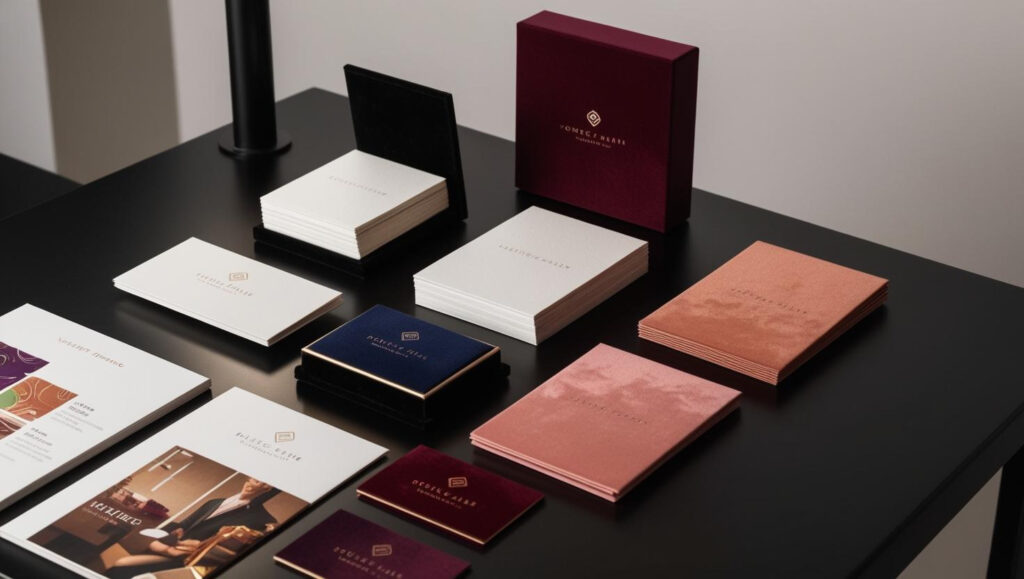
Business Cards
Velvet-laminated business cards stand out in professional settings. They feature a soft-feel lamination that creates a silky, suede-like texture.
This unique finish invites potential clients to touch and engage with the card. The added thickness—ranging from 16pt to 19pt—enhances durability while maintaining flexibility.
Also, the lamination protects against scratches and stains, ensuring the cards remain pristine over time. Using spot UV coating can further highlight logos or key details, adding to the overall appeal.
Packaging Solutions
Velvet lamination transforms packaging into a sophisticated experience. Brands can use matte soft-touch lamination to create an inviting feel that enhances luxury products, such as beauty items or specialty cosmetics.
The protective layer just preserves the packaging but also adds visual depth, making colors pop and enticing customers. This approach can boost brand perception, leading to increased sales and customer loyalty.
Imagine presenting your eyelash extension products in elegantly packaged boxes that entice clients even before they open them.
Marketing Materials
In marketing materials, velvet lamination creates a lasting impression. Brochures and flyers with soft-touch lamination enrich the texture, making them more memorable.
Clients are more likely to retain materials that feel premium. The soft-feel lamination improves readability and attractiveness, setting your brand apart from competitors.
Consider including velvet-laminated marketing materials in your promotional strategy; they can capture attention and convey a message of quality.
These benefits make velvet lamination particularly suitable for products like business cards, brochures, and luxury packaging.
It’s clear that this technique aligns well with industry trends among eyelash extension specialists and brand owners, focusing on customer experience and brand identity.
Are you considering adding velvet lamination to your printing process? Its combination of elegance and functionality may provide the edge needed in a crowded market.
Benefits of Velvet Lamination
Velvet lamination offers numerous advantages that set it apart from other lamination types. Key benefits include:
Benefit | Description |
|---|---|
Protection | Velvet lamination shields paper from scratches, creases, and stains, extending the life of printed materials. |
Luxurious Feel | It adds a soft, tactile quality, enticing clients and enhancing their experience. |
Color Enhancement | Velvet lamination can deepen the colors of printed materials, making them more vibrant and eye-catching. |
Flexibility | Unlike other lamination types, it preserves the paper’s flexibility, preventing rigidity while maintaining a refined touch. |
Comparison with Soft Touch Coating
Velvet lamination and soft-touch coating share similarities, especially in texture. Both provide a luxurious, tactile experience that attracts attention. But, they differ in certain aspects.
Feature | Velvet Lamination | Soft Touch Coating |
|---|---|---|
Texture | Velvety, reminiscent of suede | Soft feel, plush and subtle |
Appearance | Matte finish with richer color depth | Less color impact, maintains vibrancy |
Durability | Highly resistant to scratches and moisture | Durable but less strong |
Cost | Generally more expensive | Often more affordable |
Protective Qualities | Offers superior protection of prints | Provides decent protection |
Brands targeting luxury markets often prefer velvet lamination for its enhanced depth and richness in appearance, while those seeking a cost-effective yet appealing option might gravitate to soft-touch coating. In my experience, both finishes create memorable touchpoints, but the choice hinges on the specific goals of the project.
Tips for Using Velvet Lamination
Using velvet lamination elevates printed materials for eyelash extension specialists and brand owners. Here are some essential tips to effectively use this finishing technique.
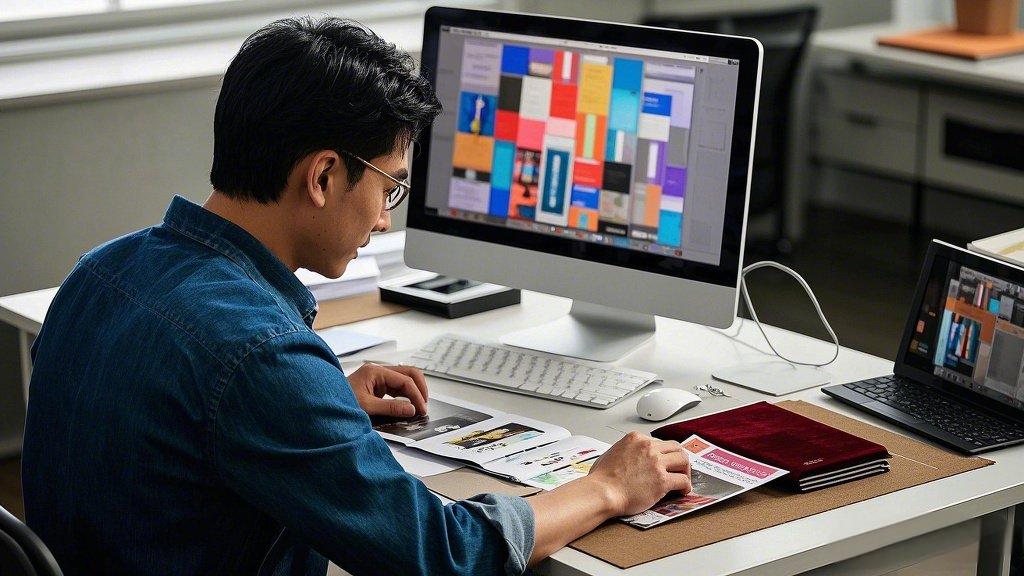
Artwork Preparation Guidelines
Preparing artwork for velvet lamination requires careful planning. Follow these guidelines:
Use High-Quality Images: Ensure images and graphics are high resolution. This improves print quality and enhances the overall impact.
Choose Appropriate Colors: Opt for rich, bold colors. Velvet lamination typically mutes colors, so select shades that maintain vibrancy even though this effect.
Define Embossing Areas: Identify areas for possible embossing. Combining velvet lamination with embossing creates a tactile experience that captures attention.
Maintain Adequate Margins: Set margins generously. Velvet lamination can slightly shrink during the process, so extra space prevents cutting critical design elements.
Printing Considerations
Consider these factors to maximize the benefits of velvet lamination:
Paper Type: Select cardstock with a sturdy weight. Thicker paper enhances durability and displays the preferred soft-feel lamination.
Test Samples: Request samples before final printing. This allows for assessing texture differences between matte soft-touch lamination and other finishes.
Focus on Application: Determine how the finished product will be used. If heavily handled, prioritize thicker laminates for added protection from scratches and stains.
Timing for Presentation: Plan printing timelines carefully. Velvet lamination often requires additional production time, especially for detailed designs.


 English
  العربية
  Deutsch (Sie)
  Español
  Français
  日本語
日本語  한국어
한국어  Italiano