
Mastering Blind Debossing: Elevate Your Design Aesthetics
Understanding Blind Debossing
Blind debossing, also known as blind stamping, is a printing technique that creates an indented impression on surfaces like paperboard. The process starts with creating a metal die, typically made from brass, magnesium, or copper. Manufacturers carefully machine the desired design into the die, which serves as the primary tool for production.
Key Features and Benefits
Blind debossing boasts several standout features:
Indented Design: This technique creates a sunken area, allowing users to feel the design. The texture enhances the printed items’ overall quality and sophistication.
No Ink: Blind debossing relies on pressure alone. By omitting ink or foil, the impressions reveal natural variations in the substrate, resulting in a subtle elegance.
Versatile Applications: Brands use blind debossing for various products, including business cards, stationery, and luxury packaging. This method adds value by distinguishing the brand and elevating its visual presentation.
Sustainable Choice: As it doesn’t require inks or foils, blind debossing presents an eco-friendly option for businesses focused on sustainability.

It requires careful selection of materials to achieve optimal results. The paper type and thickness significantly influence the final outcome.
Suitable Paper Types
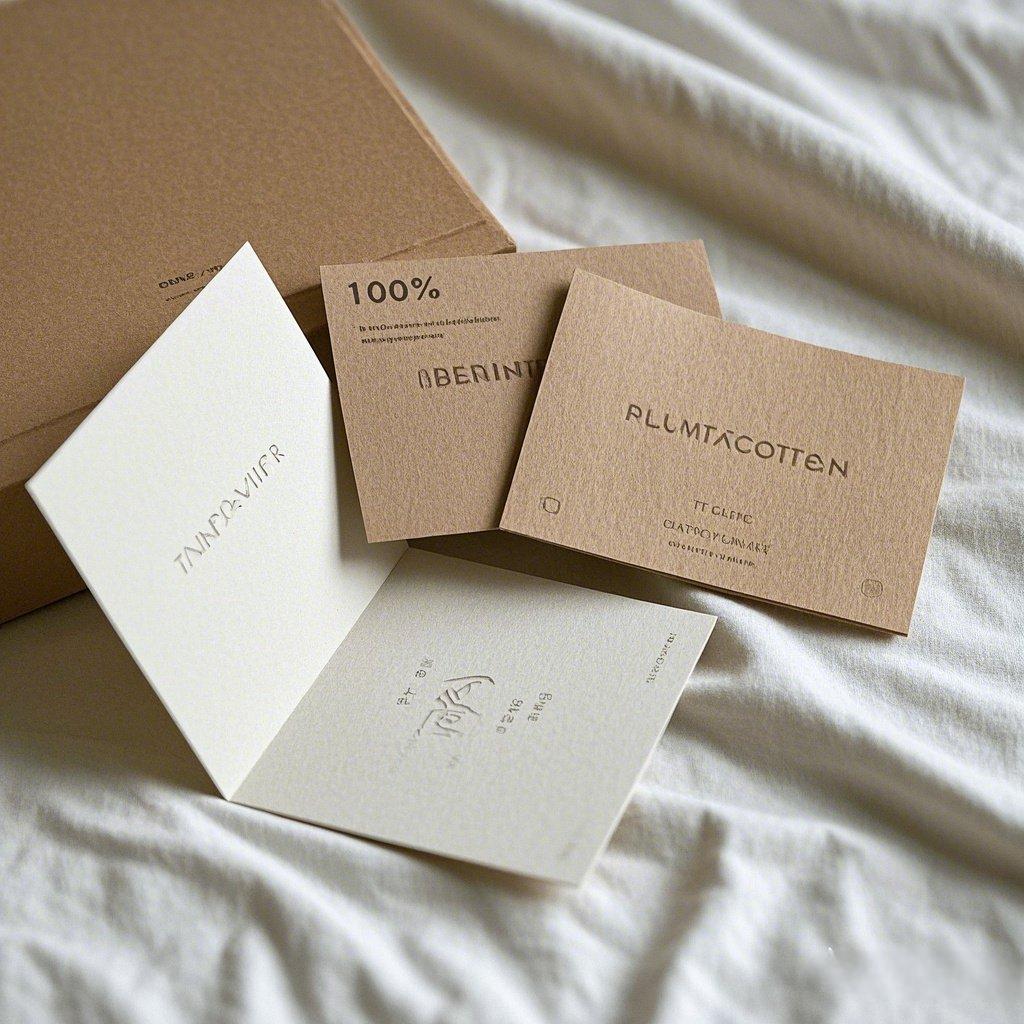
I prefer high-cotton content papers for blind debossing. These papers, such as 100% Cotton cardstock, offer a soft, tactile surface that showcases the debossing effect beautifully. Papers like textured cardstock add a luxury feel, ideal for high-end packaging and invitations. Some suitable paper types include:
Paper Type | Characteristics | Ideal Use |
|---|---|---|
100% Cotton Cardstock | Soft, durable, and warm to touch | Business cards, luxury stationery |
Textured Cardstock | Enhances tactile experience and visual appeal | High-end invitations, packaging |
Kraft Paper | Eco-friendly option with excellent texture | Sustainable branding materials |
Choosing Materials for Blind Debossing
Examples and Applications
Blind debossing enhances a variety of products across multiple industries, offering unique tactile experiences and visual elements.
Application | Industry | Benefit |
|---|---|---|
Wedding Invitations | Event Planning | Enhances elegance and sophistication |
Business Cards | Corporate Branding | Leaves a memorable tactile impression |
Luxury Packaging | Consumer Goods | Creates a feeling of exclusivity |
Stationery | Office Supplies | Personalizes and distinguishes products |
Hang Tags | Retail | Elevates customers’ perception of quality |
Also thickness plays a vital role in the debossing process. I find that papers with a thickness of 300gsm or more deliver pronounced debossed effects.
Thicker paper withstands the pressure applied during blind debossing, preventing distortion or bowing. Here’s what to keep in mind about thickness and texture:
Thickness: Use at least 300gsm to ensure clarity in the debossing design.
Texture: Choose textured papers to enhance sensory engagement, adding depth to the final product.
Pressing Pressure: Adjust based on paper thickness to achieve sharp indentations.
Selecting the right materials leads to exceptional finishing results. For anyone keen on quality, investing in suitable papers is essential. What applications have you used to elevate your blind debossing projects?
The Impact of Color and Contrast
Color and contrast play significant roles in blind debossing. The process doesn’t involve color application, so the paper’s natural hue becomes essential.
Darker papers create stronger shadows and highlight the indented design, enhancing the tactile experience.
Conversely, very light colors may diminish the visibility of the debossed areas, making it harder for users to appreciate the texture.
Select papers with varying textures to amplify the contrast between the raised and recessed sections. Consider these factors when choosing materials
Industry it fit for
Legend: ★ = Required; ○ = Optional

 English
  العربية
  Deutsch (Sie)
  Español
  Français
  日本語
日本語  한국어
한국어  Italiano