

Packaging isn’t what it used to be. Digital printing has changed everything. Now, making boxes and labels is faster. You can choose your own style. Quality is better, and small changes are easy. This isn’t just a new tool—it’s a new way to stand out.
In this guide, I’ll show you the key points of digital printing. If you want custom packaging, I’ll answer your real questions. You’ll see each step clearly, so you can decide with confidence.
What is Digital Printing
Digital printing means making prints directly from computer files—no printing plates needed. It works by first processing your image on a computer, then sending the data straight to a printer.
The printer uses either inkjet or toner technology to put the image onto paper or packaging. This process is fast, flexible, and perfect for making custom designs or short runs.
Technical Classification and Characteristics
- Inkjet printing is one of the most common. It works by spraying tiny drops of ink from special printheads onto the packaging surface. Inkjet printing gives very clear images and can show lots of detail. It’s fast and flexible, making it easy to create custom designs, even in small amounts. Over time, inkjet technology keeps improving. You can now print with more inks and a wider range of colors, so your packaging can look even more unique.
- Laser printing uses a different method. Here, a laser beam draws your design onto a drum inside the printer. This drum picks up toner powder and transfers it onto the paper or packaging. Laser printing is popular because it delivers steady, high-quality results and can print quickly. It’s a good choice when you need consistent quality for a large number of packages.
- Thermal transfer printing uses heat. The printer heats up a ribbon coated with ink and presses it onto the packaging material. This makes the ink stick tightly and creates images that are bright and won’t wear off easily. Thermal transfer is great for labels or packages that need to last a long time or be handled a lot.
- There are also newer digital printing methods, like electron beam printing and nano-imprint lithography. These use special technology to print with even more detail and accuracy. However, they are mostly used for very high-end or special packaging projects. For most custom packaging needs, inkjet, laser, and thermal transfer printing cover almost everything you need.
Advantages of Digital Printing in Packaging
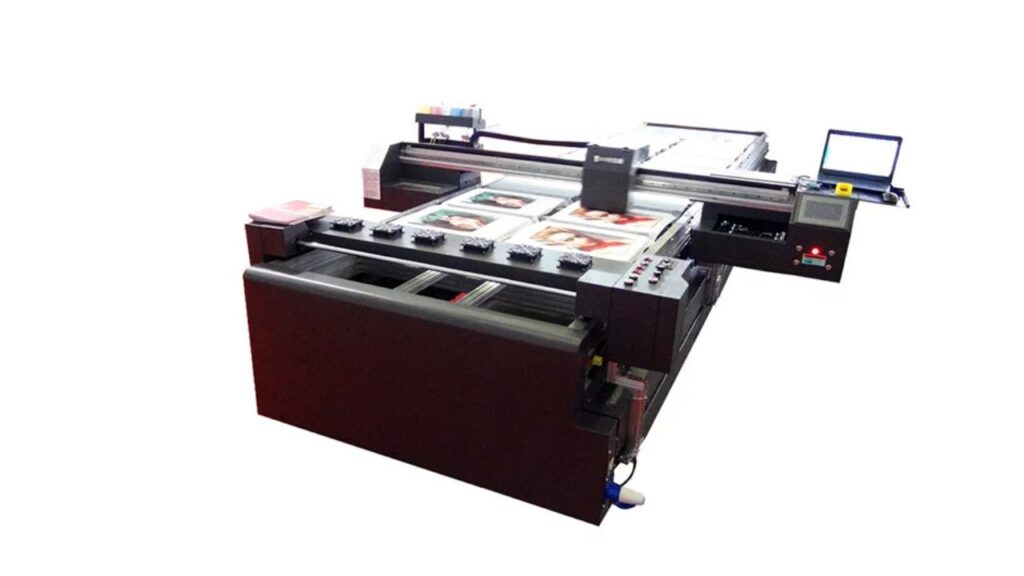
Now, let’s see why digital printing has become a top choice for packaging.
1. Endless Personalization Possibilities
Digital printing makes it easy to create special packaging for every customer or event. You can print small batches or lots of different designs without extra cost or effort. This helps brands stand out and keeps customers happy, because they get something made just for them.
For example, some brands use digital printing to add customer names or favorite colors right on the box. Others launch limited-edition or seasonal packaging for holidays or big events, making each product feel exclusive. Digital printing also lets brands test new ideas fast and connect with buyers in a more personal way, helping boost sales and brand loyalty.
2. Unmatched Speed and Flexibility
If you’re a brand owner or buyer, speed matters. Digital printing skips the plate-making step. You don’t have to wait hours just to start. Design changes are fast, even for small or mixed orders. You can order just what you need, so you don’t have to keep a big stock.
This saves money and space. With traditional printing, setup can take a few hours. Digital printing is ready in about 10–15 minutes. This means you can react to new trends or customer requests right away. Less waiting, less waste, and more control for your business.
3. Cost-Effective for Small Batches and Custom Orders
Digital printing is great for small orders. You don’t pay extra for plates or setup, so it’s cost-effective for short runs. The machines and inks can be pricey, but you save money by printing only what you need. This means less waste and lower storage costs.
Over time, these savings add up for your business. Digital printing has clear pricing—you pay by the job, not by the setup. For small and custom orders, it’s often cheaper than traditional printing.
Many people think digital printing is always more expensive, but that’s not true for small batches or special designs. It helps you manage costs and keep your orders flexible.
4. High-Quality, Vibrant Results
Digital printing gives you sharp images and bright colors. The dots are regular, and the ink spreads evenly, so every detail stands out.
This is important for high-end packaging that needs to look perfect on the shelf. Good color and clear prints help your product look more appealing and professional.
With digital printing, your packaging can really catch the eye and show off your brand’s quality. This extra visual impact adds value and helps your product stand out from the competition.
Diverse Applications of Digital Printing in Packaging
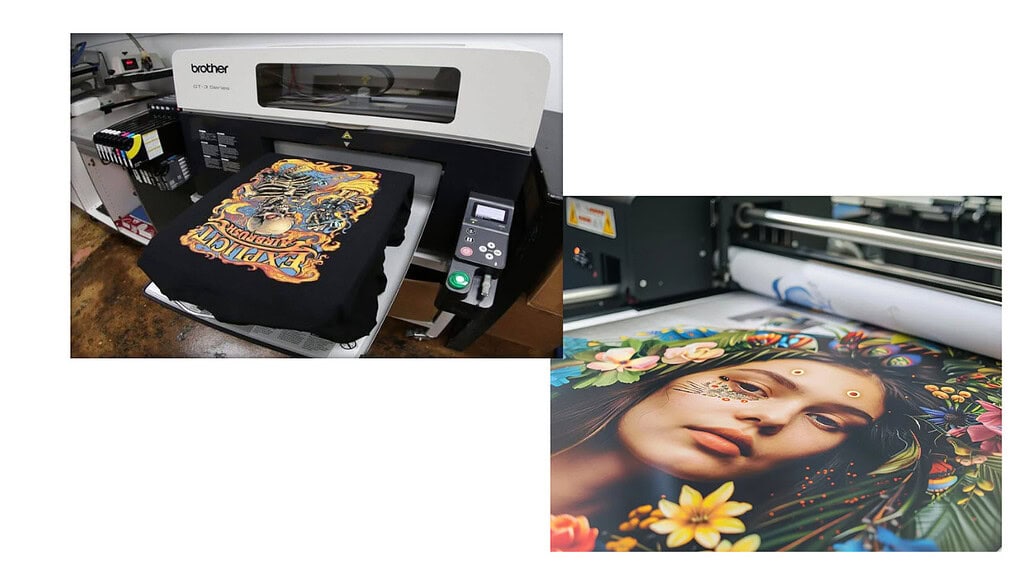
Beyond high quality, digital printing is also incredibly versatile. Let’s look at the many ways it can be used in packaging.
1. Packaging Design Innovation
Digital printing opens up new ideas for packaging design. You can create unique designs for every product or customer, not just one standard look. This goes far beyond what traditional printing can do. Thanks to high resolution and color accuracy, you can add complex patterns, fine details, and even textures to make your packaging stand out.
Digital printing can also work with smart features. For example, you can add color-changing inks that react to temperature, or print NFC tags for interactive experiences. These innovations make your packaging both beautiful and functional, helping your brand connect with today’s smart and picky consumers.
2. Applicability to Different Packaging Materials
Digital printing works well on many packaging materials.
On paper, like cartons and bags, digital printing gives strong colors and sharp images. Ink sticks well, so designs look bright and don’t fade easily.
For plastic packaging, digital printing can handle films, bottles, and containers made from different plastics. The process adapts to each type, so you get smooth, clear prints even on flexible or glossy surfaces.
With metal, like cans or foils, digital printing can add detailed graphics that make products look premium. Special inks also help protect against rust, boosting both looks and durability.
On special materials, such as fabric or glass, digital printing faces more challenges. The surface might be rough or slippery. To solve this, special inks and primers are used, making it possible to print vivid designs on almost any material.
This flexibility means your brand can choose the best packaging material—and still get great results every time.
3. Application Examples in Various Industries
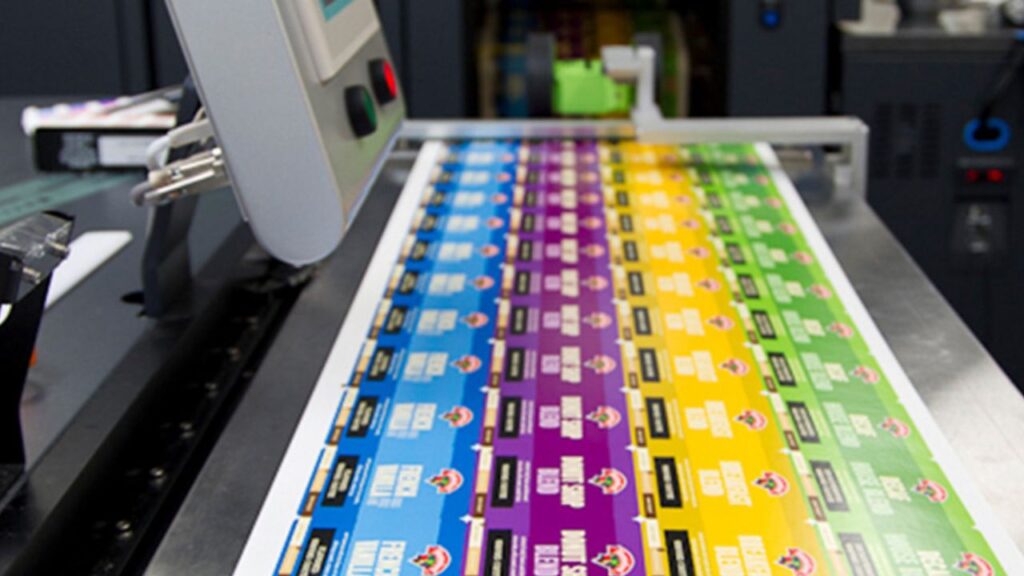
Digital printing is used in many industries, each with special needs and creative ideas.
- In the food and beverage industry, packaging must meet strict food-safety standards. Digital printing makes it easy to add clear labels, unique codes, or QR codes for tracing products. Brands can also create fun, personalized packaging for events or promotions—like bottles with customer names or special messages.
- For pharmaceuticals, safety is critical. Digital printing delivers sharp, easy-to-read information on every package, including barcodes and expiration dates. It also allows for tamper-evident designs, helping protect consumers and build trust.
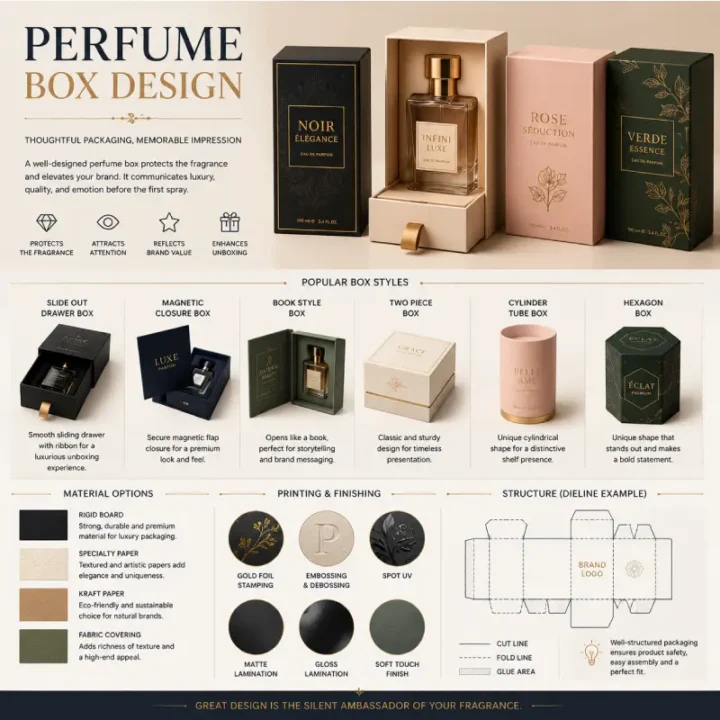
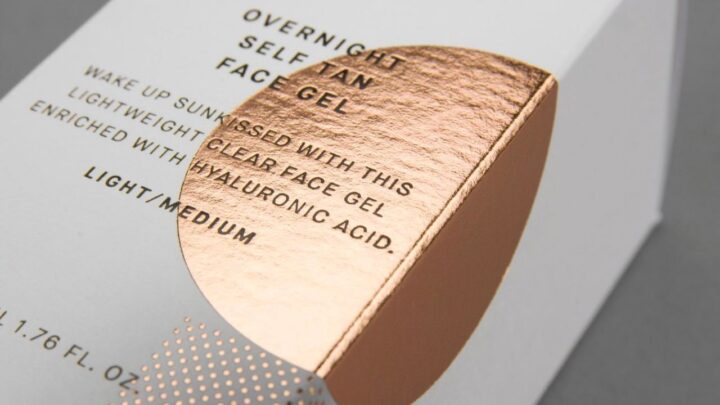
- Cosmetics packaging relies on eye-catching, high-quality prints. Digital printing lets brands offer personalized products, such as custom names on lipstick tubes or limited-edition designs for special launches. Some brands report higher sales and stronger customer loyalty thanks to these custom touches.
- In electronics, packaging needs to protect sensitive products and share detailed info. Digital printing can print directly onto anti-static bags and boxes, ensuring clear product details and compliance marks every time.
- Real client stories show the impact. A snack company used digital printing for a festival campaign, adding unique patterns to each bag—customers loved the collectible designs. A beauty brand offered custom-printed gift sets, boosting holiday sales. Feedback from clients often highlights the flexibility and wow-factor that digital printing brings, helping brands stand out and connect with their customers.
What Are the Limitations? (And How We Solve Them)
While digital printing offers significant advantages and drives innovation in packaging, it also faces certain challenges and technical limitations in real-world applications.
1. Cost Issues
The high cost of digital printing equipment and inks is a real challenge, especially for small and medium-sized businesses. However, Letai offers this type of digital printing machine and supports custom solutions—feel free to contact us for tailored options.
2. Technical Limitations
Digital printing still has some technical limits. For example, its speed and maximum size are not as good as traditional printing in some cases, and certain complex effects are harder to achieve.
3. Quality Control
Digital printing quality depends on several factors. Color management, the choice of inks and papers, and the operator’s skill level all play important roles.
To ensure stable quality, We use color-management systems, real-time monitoring, and data-driven adjustments during printing. These tools help keep colors accurate and prints consistent, meeting the demands of high-end packaging and brand standards.
Now that you’ve seen the speed and flexibility of Digital, find out how it compares to traditional methods in our full guide.
Conclusion
Digital printing is driving innovation in the packaging industry with its efficiency, flexibility, and personalization. Despite some cost and technical challenges, it is increasingly complementing traditional printing. Looking ahead, digital printing will play a bigger role in sustainable and smart packaging. Contact LETAI today for professional digital printing solutions!
The Versatility of Digital Printing: Its Role in Every Scenario
Digital printing is synonymous with speed, flexibility, and personalization. Its true power lies in its adaptability, serving every need from a startup’s first market test to complex, variable-data campaigns. The following comparisons highlight its strategic value in different business contexts.
- vs. Offset Printing: [Learn why for runs under 500 units, digital is the undisputed king of cost-effectiveness and speed.]
- vs. Screen Printing: [Explore how digital achieves photo-level detail and enables the Variable Data Printing that screen printing cannot match.]
- vs. Gravure Printing: [Discover how digital provides a “zero-risk” market validation path for new brands, a feat impossible with gravure’s high entry costs.]
- vs. Flexo Printing: [Understand the critical “cost crossover” point for scaling up, and learn when to transition from digital’s flexibility to flexo’s volume efficiency.]
- vs. UV Printing: [See how UV printing surpasses standard digital in durability and special material compatibility, offering a premium solution for high-touch applications.]
 English
  العربية
  Deutsch (Sie)
  Español
  Français
  日本語
日本語  한국어
한국어  Italiano