

Why Choose Screen Printing for Your Packaging?
Have you ever wondered why some packaging just looks and feels a bit more special? Screen printing has been used for years—not just in art and fashion, but also to make packaging stand out in stores. It’s a smart way to get bright, clear designs that last.
In this guide, I’ll show you how screen printing works, why it matters for your business, and how you can use it to help your products get noticed.
What is Screen Printing: What You Need to Know for Packaging
1. Definition and Origins of screen printing
Screen printing is a way to put designs and images on things by pushing ink through a mesh screen. The parts that shouldn’t get ink are covered, so only the right areas show the design.
This method started a long time ago, with roots in ancient China and Egypt, where people used simple tools to print patterns on fabric and paper. Over the years, screen printing has changed and grown, becoming popular in many countries and industries—especially for packaging, clothes, and art.
2. Key Components of High-Impact Packaging
The Screen:
The screen in screen printing is a thin mesh, often made from polyester or nylon. The size of the holes in the mesh and how tight it is pulled both change how much ink passes through and how clear the print looks. For example, a screen with smaller holes is good for detailed designs, while bigger holes work better for bold, simple images.
The Stencil:
The stencil acts like a template, blocking off areas where you don’t want ink to go. There are a few ways to make stencils. Some people use special films and lights to create detailed patterns, while others just cut shapes out or paint blocker onto the screen by hand. Each method works best for different types of designs and order sizes.
Ink:
Inks for screen printing come in different types. Water-based inks are easy to clean and good for softer prints. Plastisol inks are thicker, bright, and work well on many surfaces. Solvent-based inks dry fast and hold up well in tough conditions. Choosing the right ink helps make sure your packaging looks sharp, lasts long, and fits your needs
The Screen Printing Process: From Concept to Packaging Reality
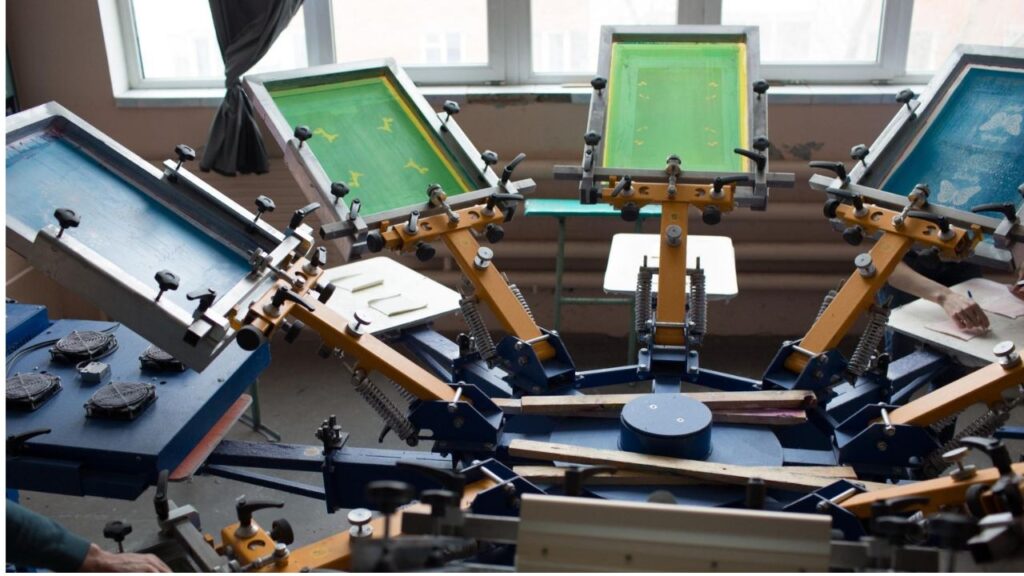
Now that you know the key parts—screen, stencil, and ink—you might be wondering how these all come together in real life. So, how does the screen printing process actually turn your ideas into eye-catching packaging? Let’s walk through each step and see how your design becomes a finished product.
1. Pre-printing Preparation
Design Creation
A good screen print starts with the right design. For best results, keep your design simple and bold. If you want to use more than one color, each color needs its own separate layer. Also, make sure your design has enough detail to show up clearly but not so much that it gets lost—think of clean lines and clear shapes.
Stencil Preparation
To make a stencil, there are two common ways. With the photo-emulsion method, the screen is coated with a special liquid, then your design is placed on top, and the whole thing is exposed to light.
The areas covered by the design stay soft and are washed away, leaving your image on the screen. With cut-vinyl stencils, the design is cut out from a thin sheet of vinyl and then stuck onto the screen, blocking the parts you don’t want to print. Both methods let you print sharp, clean images.
Screen Setup
The screen has to be pulled tight and fixed to a strong frame. This step is important because a loose screen can make prints blurry or uneven. Making sure the screen is tight and even helps each print look the same, from the first one to the last. Good setup means good results every time.
2. Printing Operation
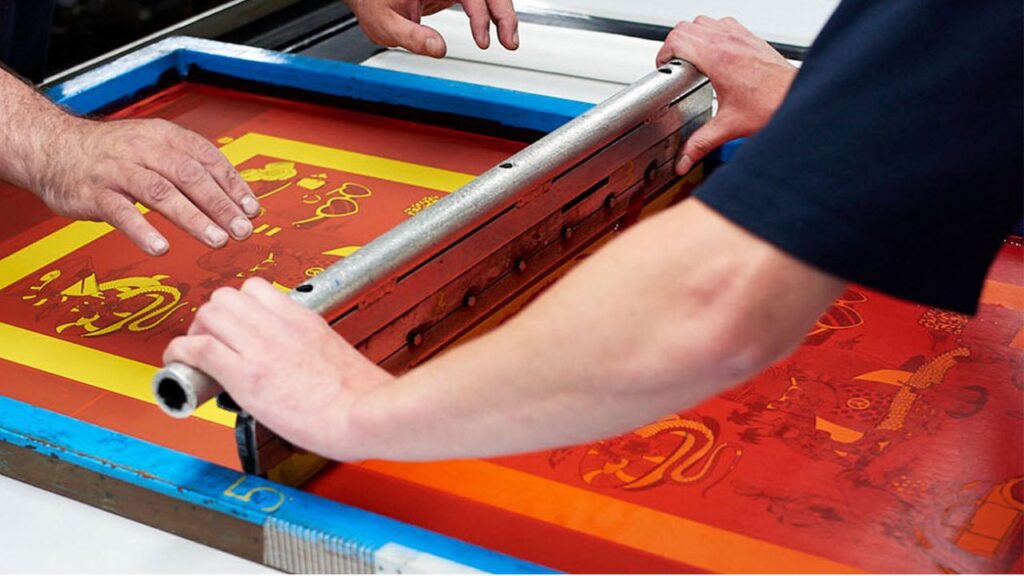
- Ink Application: Explain how ink is placed on the screen and then forced through the mesh onto the substrate using a squeegee. Discuss the proper angle, pressure, and speed of squeegee movement to ensure even ink distribution and good print quality.
- Printing on Different Substrates: Analyze the considerations for printing on various substrates, such as paper, fabric, plastic, and metal. Discuss how to adjust the ink type, screen mesh, and printing pressure according to the substrate’s texture, absorbency, and surface finish.
3. Post-printing Treatment
- Ink Application
To start printing, ink is poured onto the screen. A tool called a squeegee is then used to spread the ink across the screen. The right angle, steady pressure, and smooth movement help push the ink evenly through the mesh, making sure your design looks sharp and clear. If the squeegee is used too hard or too fast, the print can turn out messy—so careful handling is important for good results. - Printing on Different Substrates
Screen printing works on many surfaces—paper, fabric, plastic, even metal. Each material needs a little adjustment. For example, rough or absorbent surfaces like fabric may need more ink or a lower mesh count, while smooth materials like plastic or metal need special inks and a tighter screen. Adjusting the ink and pressure for each type of material helps your design stick well and look great no matter what you’re printing on.
Unique Advantages of Screen Printing for Custom Packaging
Let’s dive into the unique advantages that make screen printing a standout choice for custom packaging.
1. Standout Color and Special Effects
- Bold, Raised, and Textured Colors: Screen printing allows for the application of thicker layers of ink, creating raised, tactile designs that add depth and a premium feel to packaging.
- Specialty Inks: Metallic, fluorescent, and glow-in-the-dark inks allow your packaging to stand out, whether it’s catching a shopper’s eye on the shelf or glowing in low-light settings.
- High-Opacity Coverage: Unlike other printing methods, screen printing ensures vibrant, consistent colors even on dark or colored materials, making your design pop in any context.
Example: A high-end cosmetics brand uses metallic gold ink and a raised logo on dark matte packaging, giving their products a luxurious and unforgettable first impression.
2. Versatility Across Packaging Materials
- Compatible with Diverse Materials: Screen printing works seamlessly on paper, plastics, glass, metals, wood, and even fabric, offering unparalleled flexibility for various packaging needs.
- Handles Irregular Shapes: Whether it’s rigid boxes, curved bottles, or uniquely shaped containers, screen printing adapts to non-flat surfaces with ease—perfect for custom designs.
3. Premium Branding and Logo Presentation
- Crisp, High-Impact Logos: Screen printing produces sharp, vivid designs, ideal for showcasing your brand logo in a way that commands attention.
- Luxury Appeal: Its ability to create raised prints and rich, solid colors makes it the go-to method for boutique and high-end brands looking to elevate their packaging.
Screen Printing Applications in Packaging: Inspiring Examples
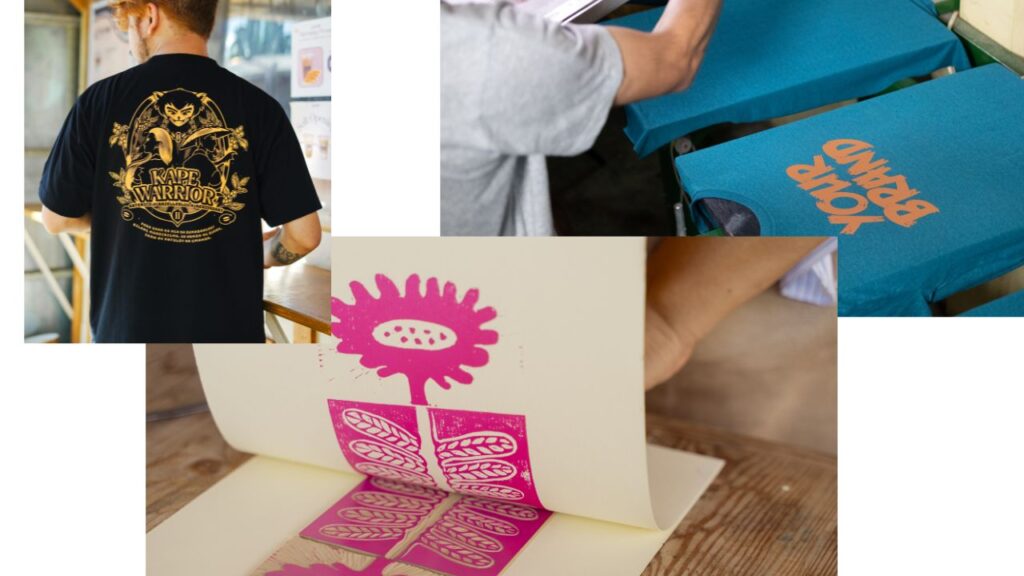
Now, let’s explore some inspiring examples of how screen printing is used to create standout packaging across various industries.
1. Premium Product Packaging
Screen printing is a powerful tool for elevating product packaging, whether it’s for cardboard boxes, bottles, or containers. Its ability to produce vibrant, textured, and high-quality prints makes it an ideal choice for premium brands looking to stand out.
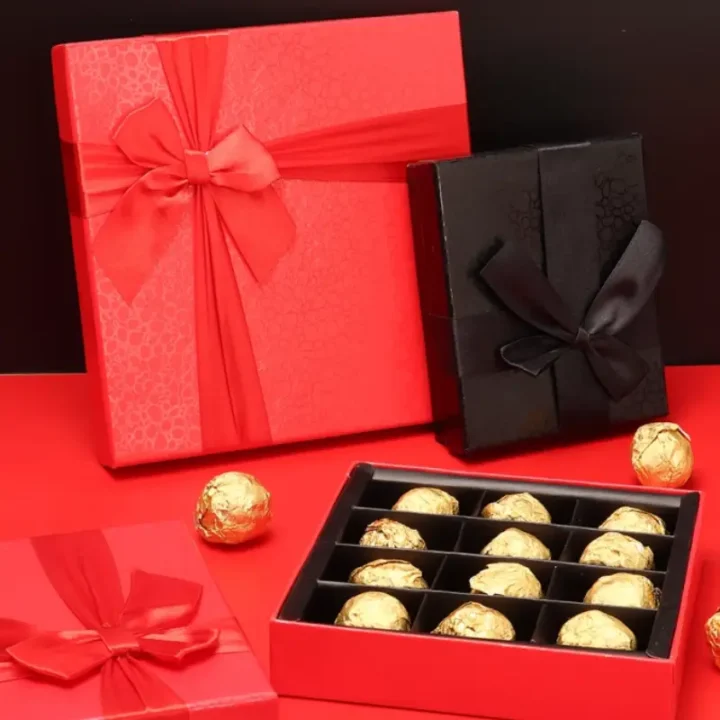
- Cardboard Boxes: Screen printing is perfect for rigid packaging like luxury gift boxes or subscription boxes. The ability to use specialty inks—such as metallics or high-gloss finishes—adds a touch of sophistication that enhances brand visibility and perceived value.
- Glass Bottles: For products like wine, spirits, or cosmetics, screen printing directly on glass bottles eliminates the need for labels. With its ability to handle curves and rigid surfaces, it creates seamless, durable designs that won’t peel or fade.
- Plastic Containers: Screen printing on plastic allows for bold designs that adhere well to the surface, making it ideal for beauty products, food containers, or health supplements.
2. Durable & Attractive Labels
Screen-printed labels bring a combination of durability and aesthetic appeal, making them a popular choice for products that need to stay vibrant and intact under tough conditions.
- Durability and Resistance: Screen-printed labels are resistant to fading, peeling, and harsh environments, making them ideal for products exposed to moisture, heat, or sunlight. They maintain their appearance over time, ensuring that your branding stays strong.
- Versatile Label Materials: Screen printing works on a variety of label materials, including vinyl, polyester, and textured papers. This flexibility allows for creative designs that cater to unique branding needs.
Overcoming Challenges in Screen Printing for Packaging
While screen printing offers numerous benefits for packaging, it’s essential to address and overcome potential challenges to ensure the best results. Let’s explore common obstacles and how to tackle them effectively.
1. Environmental Responsibility
Ink Waste and Emissions
Screen printing, while versatile, has an environmental footprint due to the use of solvent-based inks and the potential for ink waste. However, the industry is taking steps to address these issues:
- Eco-friendly Ink Alternatives: Water-based inks are gaining popularity due to their lower emissions and ease of cleanup. UV-curable inks are another sustainable option, as they cure quickly under UV light and produce minimal waste.
- Efficient Ink Usage: Implementing efficient ink management systems, such as precise ink measurement and reuse of excess ink, can significantly reduce waste.
2. Consistent Quality Control
Screen printing generates waste in the form of used screens, stencils, and ink containers. Proper waste management practices can mitigate the environmental impact:
- Recycling Used Materials: Screens can often be reclaimed and reused by removing the stencil and re-coating them. Ink containers can be cleaned and recycled to minimize landfill waste.
- Best Practices: Using biodegradable cleaning agents and setting up waste segregation systems for ink residues, screens, and other materials can help reduce overall waste.
The unique tactile experience of Screen Printing is just one possibility. Explore the full spectrum of options in our complete comparison guide.
Conclusion: The Value and Future of Screen Printing for Packaging
Screen printing blends vibrant colors, unique textures, and exceptional versatility, making it an ideal choice for custom packaging. With advancements in sustainability and technology shaping its future, now is the perfect time to unlock its potential. Contact Letai to create packaging that truly stands out!
The Unique Charm of Screen Printing: The Art of Texture and Color
Screen printing is celebrated for its incredible color vibrancy, thick ink texture, and broad material compatibility. To unlock its full potential, it’s crucial to understand where it creates unique value that other technologies simply can’t replicate.
- vs. Digital Printing: [See how screen printing’s inks create vibrant, opaque colors and a premium tactile feel—especially on dark materials—that digital printing cannot match.]
- vs. Offset Printing: [Explore its advantages with specialty inks like metallics and fluorescents, which contrasts with offset’s focus on fine photographic detail.]
- vs. UV Printing: [Discover the difference between screen printing’s natural, raised texture and the fine, durable, and precisely cured finish achieved with UV technology.]
 English
  العربية
  Deutsch (Sie)
  Español
  Français
  日本語
日本語  한국어
한국어  Italiano