
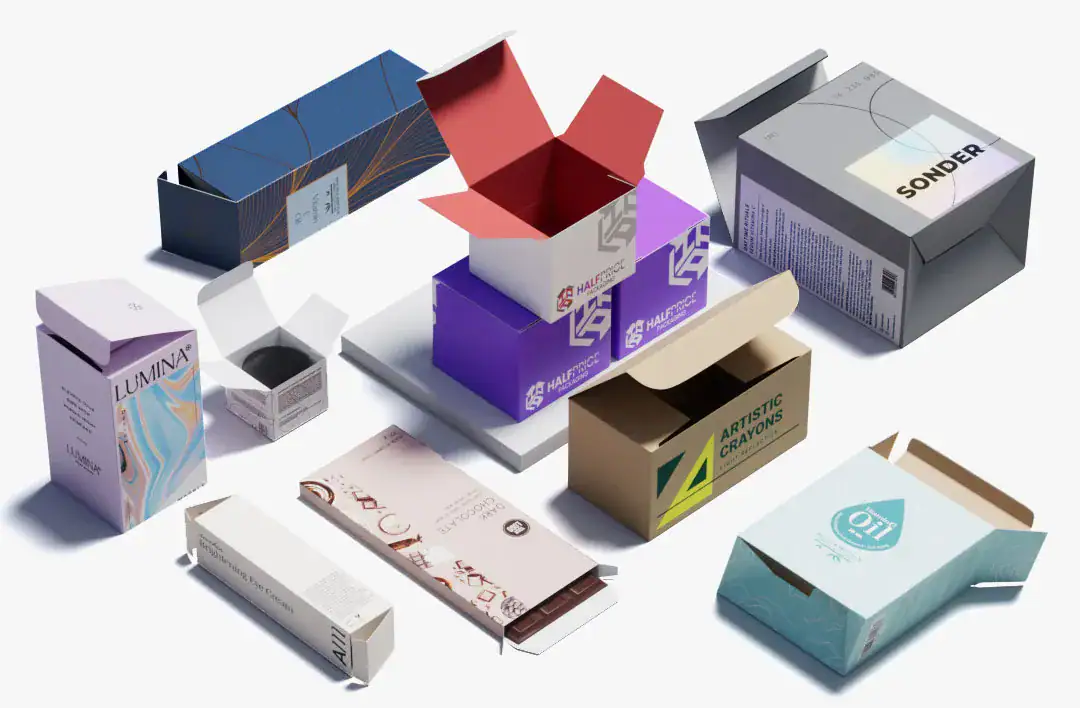
Packaging boxes are important for protecting products, increasing sales, and building a strong brand image. Poor packaging can lead to damaged products and losses. Good packaging can attract customers and boost sales.
Choosing the right types of boxes is essential for any business. The design, material, and structure of a box all play a key role in protecting products and attracting customers. In the following sections, we will explore different types of boxes.
An Analysis of Common Types of Boxes
Packaging boxes come in many forms, each designed to meet specific needs for different products and industries. Among the most common types are folding cartons, rigid boxes, and corrugated boxes.
1. Paperboard Folding Cartons: A Versatile Category of Box Types
Folding cartons are lightweight packaging boxes made from paper pulp, typically crafted by folding a single sheet of cardboard.
They are widely used due to their versatility, cost-effectiveness, and suitability for a variety of products. These cartons are easy to assemble and can be flat-packed for efficient storage and transportation.
Straight Tuck End Box vs. Reverse Tuck End Box: Two Essential Types of Folding Boxes
Straight Tuck Box (ST):
Both the top and bottom closure panels are attached to the same main panel and fold in the same direction (from front to back).
The protruding closure panels make nesting less efficient during production, which can lead to higher material waste. However, the symmetrical structure provides better strength and durability.
Applications:
- Windowed Packaging: Ideal for products that need a transparent window (e.g., toys, electronics) because the symmetrical structure maintains its shape even with cutouts.
- Upright Display: Frequently used for cosmetics and perfumes, as the strong and stable structure supports vertical positioning.
- Heavy or Fragile Items: Suitable for heavier products like small appliances, as the reinforced bottom panel provides extra support.
Advantages:
- High structural strength and stability.
- Excellent support for design customizations like cutouts and windows.
Disadvantages:
- Less material-efficient, leading to higher costs.
- More complex production due to non-nesting panels.
Reverse Tuck End Box (RT):
The top and bottom closure panels are attached to opposite panels of the box and fold in opposite directions (one forward, one backward).
The panels tuck neatly into the box body, allowing for better nesting during production. This improves material utilization and reduces printing costs, making it more cost-effective for large-scale manufacturing.
Applications:
- Flat or Lightweight Products: Commonly used for items like cards, small accessories, or lightweight cosmetics, where structural strength is less critical.
- Mass Production: Ideal for cost-efficient packaging in large orders, such as food products or retail items.
- Quick Assembly: Used for products requiring quick and easy packaging, such as daily essentials.
Advantages:
- Cost-effective due to better material utilization.
- Faster and simpler production process.
Disadvantages:
- Lower structural strength compared to ST designs.
- Limited design flexibility, as complex shapes can compromise its efficiency.
| Feature | Straight Tuck Box (ST) | Reverse Tuck Box (RT) |
|---|---|---|
| Structural Strength | High (symmetrical design, strong) | Medium (relies on locking design) |
| Printing Efficiency | Lower (requires more paper space) | Higher (optimized nesting reduces waste) |
| Cost | Slightly higher (lower material efficiency) | Lower (better material utilization) |
| Suitable Product Weight | Medium to heavy (e.g., electronics) | Light (e.g., cards, small items) |
| Design Flexibility | High (supports windows and cutouts) | Medium (simple shapes preferred) |
2)The Snap Lock Bottom Box (LB): A Secure Type of Box
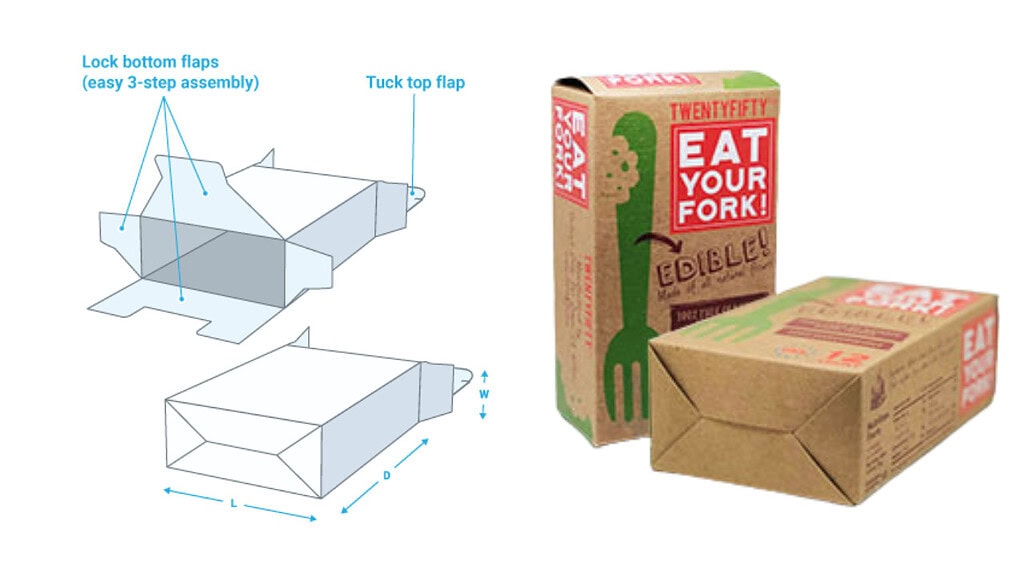
The Lock Bottom Box (LB), also known as the 1-2-3 Bottom Box, is a folding carton that uses a self-locking bottom structure to create a secure and stable base.
Advantages
- High Structural Strength
- The interlocking mechanism distributes weight evenly across the base, making it suitable for heavy products like glass jars, ceramics, or metal tools.
- Its compression resistance is superior to regular tuck-end boxes.
- Quick Assembly
- The “push-in-and-lock” mechanism enables fast bottom closure in just three steps.
- Ideal for automated packaging lines, reducing reliance on adhesives.
- Material Efficiency
- The locking design eliminates the need for extra reinforcements, maximizing paper utilization and keeping costs low.
- Stacking Stability
- The flat, locked bottom ensures even weight distribution during stacking, making it reliable for multi-layered storage or transport.
Common Use Cases
Lock Bottom Boxes are an excellent choice for industries that require reliable packaging for medium- to heavy-weight products. Typical applications include:
- Food and Beverage: Packaging for heavy items like glass sauce bottles, canned goods, or wine bottles.
- Retail and E-commerce: Boxes for ceramics, cosmetics, or small appliances, ensuring stability during shipping.
- Hardware and Tools: Secure packaging for metal tools, nails, screws, or other hardware products.
- Luxury Goods: Used for premium items that require both elegant presentation and sturdy design.
3)The Autolock Bottom Box (CB): An Auto-Locking Type of Box
The Crash Bottom Box (CB), also known as the Auto-Lock Bottom Box, is a folding carton designed for quick assembly and high-strength bottom support. It features a pre-glued bottom locking structure, making it ideal for heavy or fragile products.

Key Structural Features:
- Pre-Glued Bottom: The bottom is pre-applied with adhesive or locking tabs, enabling automatic closure when folded.
- Auto-Popup Mechanism: The bottom pops into place when the box is opened, improving convenience and efficiency.
- Reinforced Double-Layer Design: Some designs incorporate double-wall structures for enhanced compression resistance, making it ideal for fragile or precision items.
Advantages
- Efficient Assembly
- The pre-glued structure eliminates the need for tools or adhesives during packaging.
- The bottom locks automatically with a simple press or pop-up, making it ideal for high-speed assembly lines.
- High Load-Bearing Capacity
- The reinforced bottom and locking mechanism can support weights of 5-10 kg, making it suitable for heavy items like ceramics or glassware.
- Stacking Stability
- The tightly locked, flat bottom ensures stability during multi-layer stacking in logistics and storage, saving space and protecting contents.
Common Use Cases
1. Heavy and Fragile Product Packaging
- Applicable Products: Glass bottles, ceramic dishes, precision instruments, and lighting equipment.
- Example: Luxury wine brands often use CB boxes to protect glass bottles during shipping, preventing damage caused by collisions.
2. E-Commerce and Logistics
- Advantages: The auto-popup design simplifies sorting and packaging operations, while the sturdy lock bottom minimizes damage during shipment.
- Example: Widely used by e-commerce platforms for packaging electronics, home appliances, and other fragile goods.
3. Retail Display
- Customized Design: CB boxes with transparent windows or branded logos are popular for showcasing electronics, cosmetics, or luxury items.
- Example: Brands use CB boxes for premium gadgets, combining durability with attractive displays.
- Special Requirements: The pre-glued bottom ensures sealing and freshness, making it suitable for canned goods, baked items, and specialty foods.
- Example: CB boxes are used for premium baked goods, combining secure packaging with easy handling.
4)Tuck Top Gift Boxes (TT): A Premium Paperboard Box Type
Its shape closely resembles a mailer box; it is crafted from paperboard rather than corrugated material. This gives the tuck top box a more refined and premium appearance, making it ideal for upscale packaging needs.
Key Features of Tuck Top Boxes
- Versatile for Multiple Products
Tuck top boxes can accommodate a wide variety of products, making them suitable for industries like cosmetics, electronics, and retail. - Perfect for Displaying Multiple Items
Their spacious interior and sturdy construction make them excellent for showcasing several items in a single box. - Additional Design Space
The tucking flaps provide extra surface area for branding or aesthetic designs, enhancing the box’s visual appeal. - Double Walls for Extra Strength
The dual-wall structure ensures the box is robust enough to protect its contents, while also maintaining a sleek and polished look. - Easy to Assemble
Tuck top boxes are easy to fold and assemble, featuring snap-locking tabs at the bottom and friction locks at the top for secure closure.
5)Two-Piece Folding Boxes (TP): A Classic Type of Box for Gifts
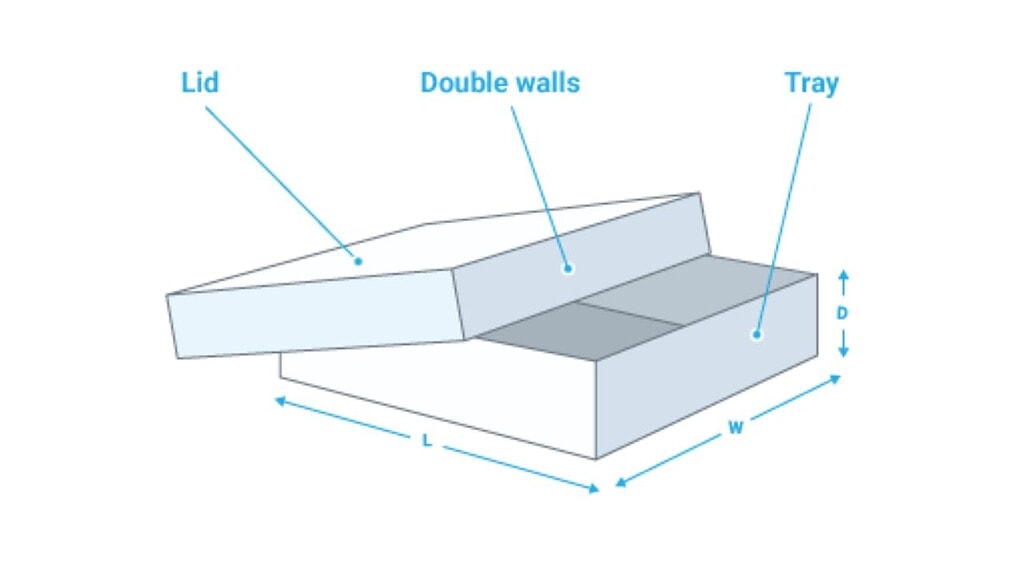
Two-Piece Boxes (TP) are premium packaging solutions made up of two separate components: a base (tray) and a lid (cover). The two parts fit together seamlessly through interlocking edges or friction-fit mechanisms, eliminating the need for adhesives or magnetic closures.
Key Structural Features:
- Dual-Layer Construction:
- Both the tray and lid are independently folded from paperboard, creating double-layered walls that enhance compression strength.
- Interlocking Design:
- The lid is secured to the base with raised edges or elastic tabs, ensuring a snug, secure fit.
- Some designs incorporate notches or recessed grooves for added stability.
- Paperboard Material:
- Typically crafted from white card paper (with a thickness of 0.5–0.8 mm) or specialty paper, which offers a refined and elegant appearance.
- Unlike corrugated cardboard, the focus is on aesthetics and lightness rather than heavy-duty strength.
Advantages and Disadvantages of This Type of Box
Advantages
- High Customization Flexibility:
- The separate base and lid allow for independent design customization.
- Supports special finishes such as die-cut shapes, foil stamping, embossing, UV printing, and more, making it ideal for luxury or holiday gift boxes.
- Eco-Friendly and Lightweight:
- Made from recyclable paperboard, it is more sustainable than plastic or magnetic packaging.
- Its lightweight design reduces shipping costs significantly.
- Convenient Assembly and User Experience:
- The friction-fit mechanism ensures easy assembly without tools.
- The smooth opening and closing experience enhances the unboxing interaction for customers.
- Showcase-Ready Presentation:
- When opened, the box exposes the entire interior, making it suitable for presenting multiple small items (e.g., makeup sets or jewelry).
Disadvantages
- Limited Load Capacity:
- Paperboard is less resistant to compression than corrugated cardboard, making it better suited for light- to medium-weight products (0.5–3 kg), such as perfumes or accessories.
- Poor Moisture Resistance:
- White card paper can warp or weaken when exposed to moisture.
- To address this, additional measures like moisture-resistant linings or sealed designs are required, which may increase production costs.
Use Cases
1. High-End Gift Packaging
- Applications:
- Luxury cosmetic gift sets (e.g., Dior lipstick + compact mirror).
- Jewelry or watch packaging with customized branding (e.g., embossed or foil-stamped logos).
- Features:
- Premium finishes like gold foil and embossing enhance the unboxing experience and brand value.
2. Electronic Accessories
- Applicable Products:
- Smartphone chargers, cables, earbuds, or small gadgets.
- Features:
- The tray includes compartments or dividers to securely hold components in place, minimizing movement during transit.
3. Food Gift Boxes
- Special Requirements:
- Tea sets, chocolate assortments, or other premium food items.
- Often features removable dividers to separate delicate items or combinations like tea leaves and teacups.
- Features:
- Requires moisture-resistant linings to protect contents from environmental factors.
2. Luxury Rigid Boxes: The Premium Category in Types of Boxes
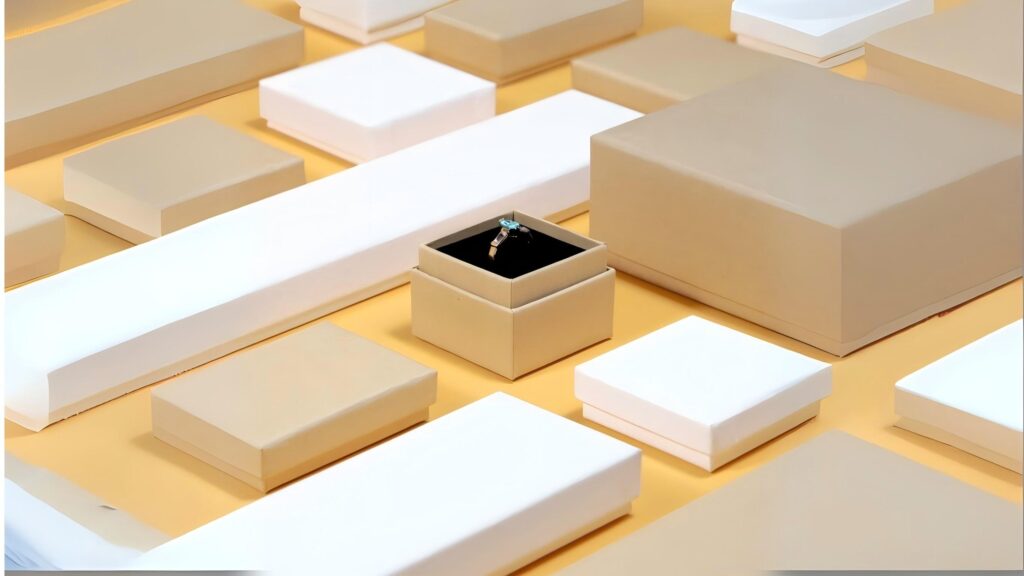
Unlike folding cartons or corrugated boxes, rigid boxes are made from thick chipboard wrapped in paper, fabric, or specialty finishes, offering unmatched durability and sophistication.
Commonly used for high-end products like jewelry, cosmetic, and gift sets, these boxes not only protect the contents but also elevate the brand image.
1) Lift-Off Lid Rigid Boxes: A High-End Type of Box
Unlike folding cartons or corrugated boxes, rigid boxes are made from thick chipboard wrapped in paper, fabric, or specialty finishes, offering unmatched durability and sophistication.
Commonly used for high-end products like jewelry, cosmetics, and gift sets, these boxes not only protect the contents but also elevate the brand image.
1. Rigid Material
Made from thick chipboard or specialty paper (e.g., pearlescent or embossed paper), instead of lightweight white card used in ordinary TP boxes, ensuring stiffness and a premium texture.
2. Precision Die-Cutting
Rigid boxes support intricate designs, such as custom shapes, embossing, foil stamping, and UV printing, making them ideal for high-end products.
3. Key Differences from Ordinary Two-Piece Boxes (Paperboard)
The two kinds of packaging sometimes function in nearly the same way. The difference is which is better here, and it can be compared for them.
| Feature | Rigid Two-Piece Box | Ordinary Two-Piece Box (Paperboard) |
|---|---|---|
| Material | Thick chipboard or specialty paper (≥0.6mm) | Standard white card paper (0.5-0.8mm thick) |
| Strength | High (resistant to compression and deformation) | Moderate (susceptible to dents under pressure) |
| Appearance | Smooth, no corrugation, supports precision printing | Slightly textured, with limited print detail |
| Load Capacity | 3-5 kg (e.g., electronics, cosmetics) | 1-2 kg (e.g., lightweight items, jewelry) |
| Applications | High-end gifts, luxury products | Everyday packaging for lightweight goods |
4. Key Advantages of This Type of Box
1. Luxurious Visual Appeal
- The smooth surface of rigid boxes accommodates high-end finishes like foil stamping, embossing, UV printing, and lamination (glossy or matte), elevating the perceived value of the product.
2. Superior Protection
- The double-wall structure and rigid material ensure excellent protection for delicate or valuable items, making it ideal for long-distance shipping of fragile goods like electronics or jewelry.
3. Eco-Friendly and Customizable
- Made from recyclable and biodegradable materials, rigid boxes are a sustainable option.
- The base and lid can be independently designed, allowing for creative combinations of colors, textures, and finishes.
4. Enhanced User Experience
- The snug fit of the lid and tray provides a premium unboxing experience, ideal for luxury products that require an elegant presentation.
5.Common Applications for This Type of Box
1. High-End Cosmetics
- Examples:
- Skincare gift sets (e.g., serums + mirrors).
- Perfumes in rigid boxes with embossed logos and velvet-lined trays.
- Features:
- The tray includes custom inserts to hold individual items securely, while the lid’s foil-stamped branding enhances the sense of luxury.
2. Electronics and Accessories
- Applicable Products:
- Smartphone accessories (e.g., chargers, cables).
- Small gadgets or headphones.
- Examples:
- Jewelry or watch boxes with magnetic closures or hidden inserts for certificates.
- Premium wine or chocolate gift boxes with intricate artwork.
4. Cultural or Collectible Items
- Applications:
- Packaging for collectible items like art prints, coins, or stamps.
2) The Drawer Rigid Box: An Elegant Type of Box
A Rigid Drawer Box is a premium packaging solution that combines a rigid outer frame with a sliding drawer mechanism. Known for its elegant design and excellent protection, this box type is widely used for high-end products.
1. Core Structural Features:
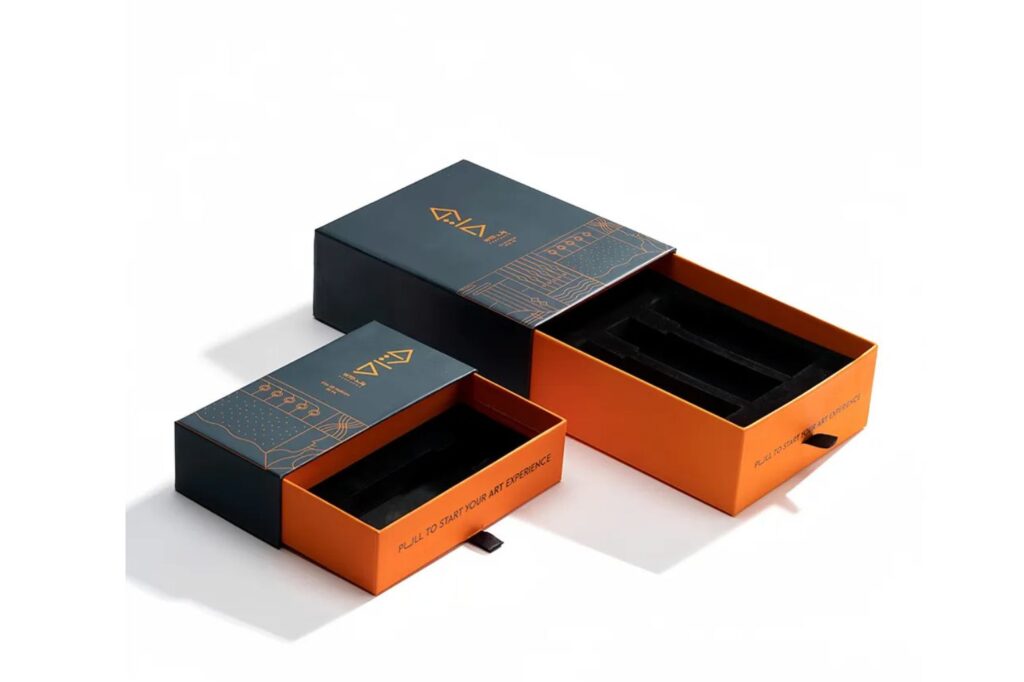
- Double-Layer Structure:
- The outer box is made from rigid paperboard (white card, black card) for strength and durability.
- The inner drawer slides seamlessly within the frame and can include foam or fabric inserts for added protection.
- Drawer Mechanism:
- Designed with sliding rails (metal or plastic) or friction-fit slots, allowing the drawer to be pulled out smoothly, often with a ribbon pull or tab.
- Decorative Components:
- Optional features include magnetic closures, embossed logos, gold foil accents, or ribbons to enhance the luxury appeal.
2.Key Advantages of the Drawer Box Type
1). Balance Between Display and Protection
- Transparent Display Options:
- Some designs include acrylic windows for showcasing products such as jewelry or watches.
- Shock Resistance:
- Rigid paperboard combined with EPE foam inserts or velvet linings protects fragile or valuable items during transportation.
2) Optimized User Experience
- Convenient Drawer Mechanism:
- Single-handed operation makes it easy to access contents, ideal for retail or personal use.
- Modular Storage:
- Dividers or custom inserts in the drawer allow for organized storage of small items, such as cosmetics or accessories.
3) Enhanced Brand Value
- Premium Materials:
- Options like pearlescent paper, leather-textured finishes, or gold foil stamping elevate the perceived value of the product.
- Customizable Features:
- Supports intricate designs, such as die-cut shapes, hidden hinges, or detachable inserts, to create a unique unboxing experience.
Applications for the Drawer Box Type
- Luxury Cosmetics
- Example: A perfume + compact mirror set, with a velvet-lined drawer and embossed logo on the frame.
- Features: Enhances the unboxing experience with a ribbon pull and magnetic closure.
2. Jewelry and Watches
- Example: A black rigid drawer box with gold foil branding, designed for rings, necklaces, or watches.
- Features: Includes foam inserts with pre-cut slots to prevent scratches and oxidation.
3. Electronics Accessories
- Example: A drawer box for chargers or headphones with EPE foam cushioning.
- Features: Protects against shocks during transport and provides a premium feel for retail customers.
4. High-End Gift Sets
- Example: Multi-layer drawer boxes for holiday gift sets (e.g., tea, cups, and greeting cards).
- Features: Each layer holds a different item, creating a sense of discovery during unboxing.
3) The Book Style Rigid Box: An Artistic Type of Rigid Box
The Book Style Rigid Box is a premium packaging solution inspired by the design of a hardcover book. It combines functionality and artistry, making it ideal for high-end packaging.
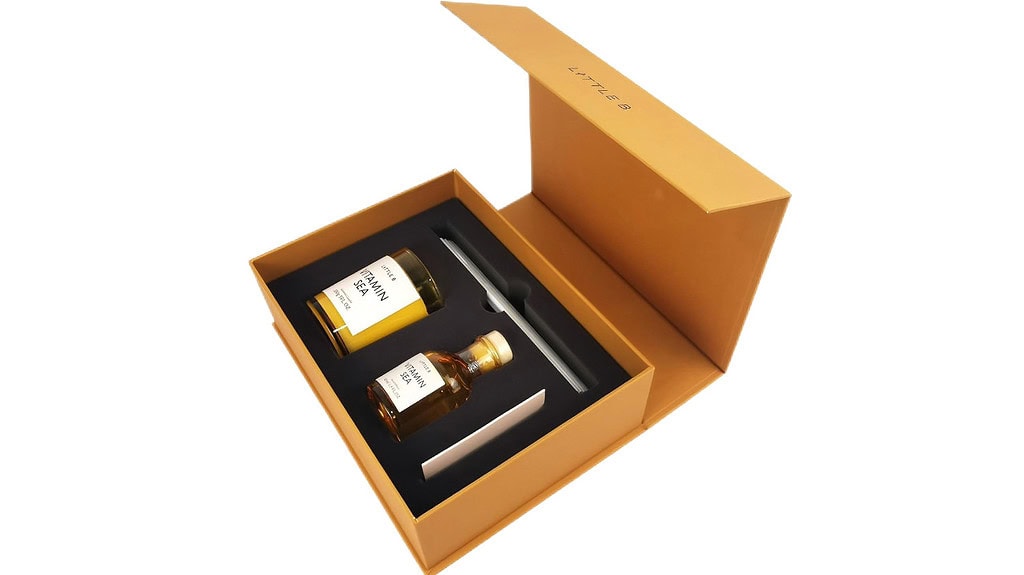
Core Structural Features:
- Book-Inspired Design:
- Mimics the appearance of a book with a cover and spine, offering a unique and elegant aesthetic.
- The box opens like a book, often with a hinge or sliding mechanism for enhanced usability.
- Dual-Layer Structure:
- Cover: Made from rigid paperboard (0.8–1.5mm thick), finished with lamination, foil stamping, or embossing for a luxurious feel.
- Inner Tray: Includes a custom paperboard insert or EPE foam layer to hold and protect the contents.
- Opening Mechanisms:
- Magnetic Closure: Magnetic elements are embedded in the cover for a secure and smooth opening experience.
- Tuck-In Tabs: Some designs use tongue-and-slot mechanisms for a simpler connection.
- Sliding Trays: Advanced designs may include a sliding drawer to simulate the feeling of flipping through a book.
II. Key Advantages of the Book Style Box
1. Enhanced Visual and User Experience
- Sense of Ceremony:
- The book-like design, combined with finishes like gold foil logos or textured patterns, elevates the product’s premium appeal (e.g., luxury perfumes or limited-edition collectibles).
- Interactive Design:
- Features like sliding trays or hidden compartments provide an engaging unboxing experience, leaving a lasting impression on customers.
2. Functional Excellence
- Protection:
- The combination of rigid paperboard and inner inserts provides excellent shock absorption and moisture resistance, ideal for fragile or high-value items (e.g., jewelry or electronics).
- Efficient Space Utilization:
- Customizable compartments or dividers accommodate irregularly shaped items, such as watches or eyewear.
3. Sustainability and Lightweight Design
- Eco-Friendly Materials:
- Supports FSC-certified paperboard and biodegradable inserts, meeting global sustainability standards like EU EN71-3.
- Lightweight Yet Durable:
- Weighs 40% less than wooden gift boxes, reducing shipping costs and carbon emissions.
III. Application Scenarios for This Type of Box
1. Luxury Goods and High-End Gifts
- Example:
- A luxury watch set, featuring a gold-embossed brand logo on the cover with a velvet-lined inner tray to securely hold the watch and authenticity certificate.
2. Cultural and Collectible Items
- Design:
- Mimics vintage books with antique-style covers and a faux leather lining, ideal for storing stamps, manuscripts, or limited-edition books.
3. Electronics and Accessories
- Functionality:
- Sliding inner trays with EPE foam inserts, designed to hold chargers, earbuds, or other small electronic accessories.
- Retail Display:
- The rigid cover protects items during transit, while the sleek design enhances their appeal in retail environments.
4. Wedding and Festive Gift Boxes
- Variation:
- A red, foil-embossed book-style box with ribbon accents, designed to hold rings, invitations, or small keepsakes, adding an element of ceremony to special occasions.
4) The Foldable Rigid Box: A Space-Saving Type of Box
This innovative box type is designed to save space during transportation and storage while retaining the high-end look and functionality of a rigid book-style box.

Comparison with Book-Style Rigid Boxes
| Feature | Foldable Rigid Box | Book-Style Rigid Box |
|---|---|---|
| Structure | Foldable panels connected by hinges | Fixed book-like structure with rigid walls |
| Storage | Ships flat; saves up to 80% storage space | Ships fully assembled; occupies more space |
| Weight | Lighter due to foldable design | Heavier due to permanent rigid construction |
| Assembly | Quick and intuitive folding | No assembly required |
| Appearance | High-end, customizable finishes | Luxurious, with more intricate design options |
| Cost Efficiency | Lower shipping and storage costs | Higher shipping costs |
| Applications | Luxury packaging with logistical constraints | High-end retail packaging for fixed setups |
3. Corrugated Shipping Boxes: The Most Common Type of Box for Shipping
Corrugated boxes are one of the most widely used packaging solutions, known for their durability, lightweight structure, and cost-effectiveness.
Made from corrugated fiberboard, these boxes consist of a fluted inner layer sandwiched between flat linerboards, providing excellent strength and cushioning for products.
1) The Corrugated Mailer Box: A Popular Type of Corrugated Box
Corrugated mailer boxes are foldable packaging containers made from corrugated cardboard, widely used for shipping and retail purposes.
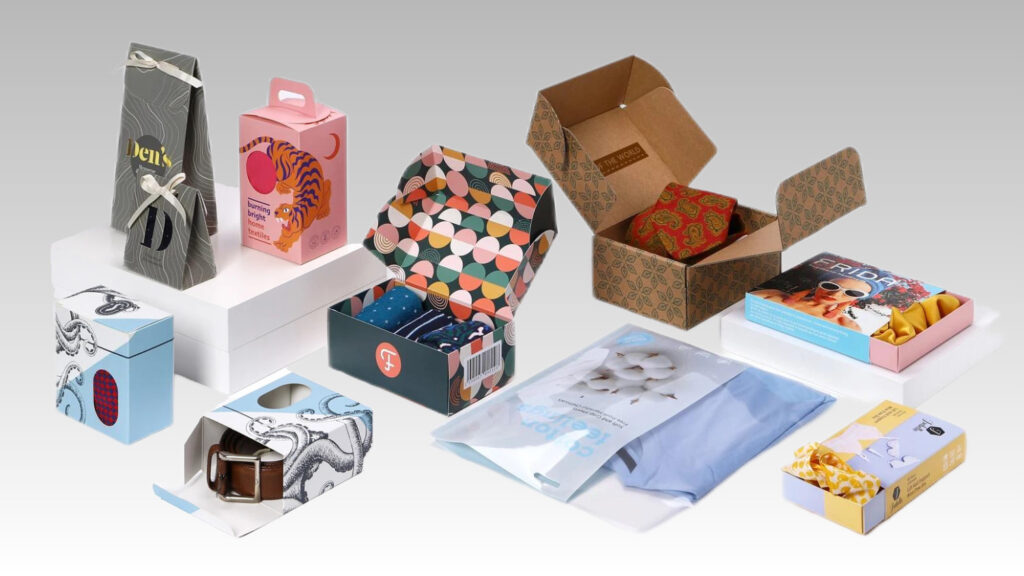
Core Structure:
- Corrugated Cardboard:
- Outer Layer: Provides abrasion resistance, typically made of 180–300g/m² white card or kraft paper.
- Fluted Layer (Wave): Acts as a cushioning layer to absorb shocks. The flute height determines the box’s compression strength.
- Inner Layer: Comes into contact with the product. Often treated with wax coatings or PE films for moisture resistance.
- Foldable Design:
- Includes tuck-in flaps, slots, or magnetic closures, allowing the box to be folded flat to reduce storage space by up to 70%.
- Additional Features:
- Can incorporate foam inserts, waterproof linings, or custom branding (e.g., logos or product details).
For different kinds of corrugated flutes is for different purpose please click here for details.
Common Applications for This Box Type
1. E-Commerce and Logistics
- Requirements: Low cost, high packing efficiency, and support for automated sorting systems.
- Example:
- B-Flute mailer boxes with foam inserts for clothing and accessories on platforms like eBay.
2. Electronics Packaging
- Features:
- BE Flute with waterproof coatings for shipping LCD screens, smartphones, and accessories.
- The compression strength of 300N+ ensures safe transit of fragile items.
3. Medical and Food Products
- Specifications:
- FDA-approved corrugated cardboard with aluminum foil linings for storing pharmaceuticals, tea, and perishable items.
- Ensures moisture and mold resistance.
4. Industrial and Tool Packaging
- Customized Variants:
- Includes thick EPE foam inserts and partition dividers, designed for precision instruments and automotive parts.
Conclusion: How to Choose From the Different Types of Boxes
The right packaging not only protects your products but also enhances brand image and customer experience. From folding cartons to rigid boxes and corrugated mailers, each type serves unique purposes across industries.
Need the perfect packaging for your business? Contact us today for tailored solutions and expert advice!

 English
  العربية
  Deutsch (Sie)
  Español
  Français
  日本語
日本語  한국어
한국어  Italiano