
What is UV Coating? Secret to Eye-Catching Print Results
What is UV Coating
UV coating, or ultraviolet cured coating, provides a durable, high-gloss finish on various printed materials. This technique just enhances visual appeal but also offers protection against damage.
Definition and Overview
UV coating involves applying a clear or colored coating compound to surfaces, often consisting of acrylic resin and photoinitiators. After application, ultraviolet light cures the coating, resulting in a hard, inert finish.
The process stands out due to its low-temperature requirements, typically below 200 degrees Fahrenheit, making it suitable for materials that could warp in high heat. This method is environmentally friendly because it’s solventless.

Applications of UV Coating
UV coating offers versatile applications across different sectors, significantly improving product quality and durability. This technology enhances performance and visual appeal, making it essential for both packaging and printing.
UV Coating for Packaging
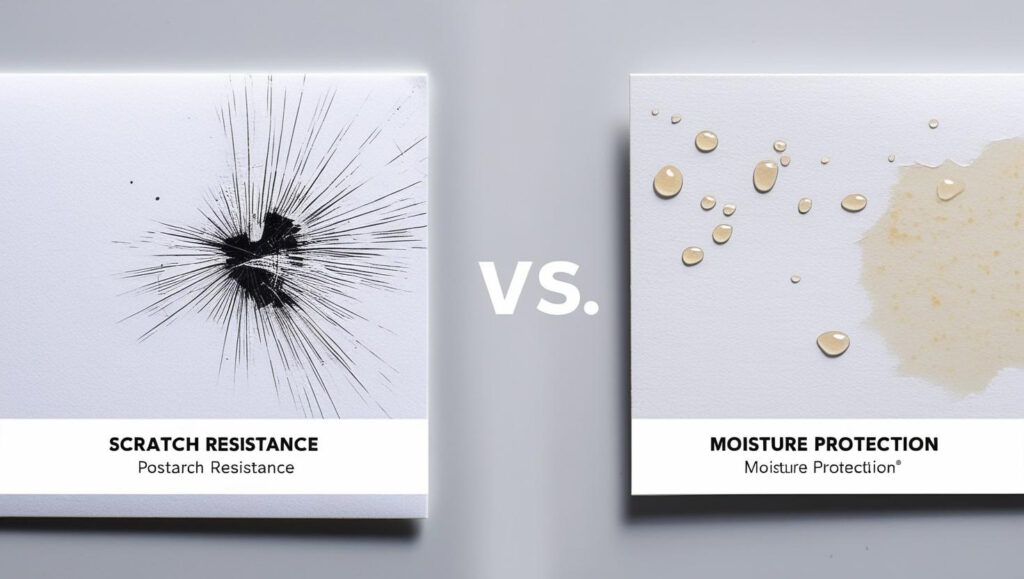
Packaging benefits greatly from UV coating technology. The coatings protect against moisture, scratches, and fading, preserving the integrity of packaging designs.
I’ve seen how brands use UV coatings in packaging to create a premium look that stands out on the shelves.
The process is versatile, allowing for full coverage or selective application, enhancing both aesthetics and functionality.
In a competitive market, the right packaging can make a significant difference in consumer choices.
UV Coating on Various Materials
The adaptability of UV coating extends to multiple materials, including plastics, metals, and wood. This technology excels in providing a durable finish that improves wear resistance.
For example, plastic parts coated with UV finish maintain their quality even under challenging conditions due to the low curing temperature involved.
It’s fascinating how UV coatings seal natural stones, protecting them from dirt and weather damage.
This multifaceted approach to material protection showcases the wide-ranging benefits of UV coating across different industries.
Feature | UV Coating | Traditional Coating |
|---|---|---|
Curing Method | UV light | Air drying or heat curing |
Temperature Requirements | Below 200°F | Can exceed 200°F |
Finish Options | Glossy, matte | Varies based on formula |
Environmental Impact | Low-VOC, solventless | Often contains solvents |
Drying Time | Immediate | Varies, often slower |
By integrating UV coating into packaging and printing processes, It enhance the durability and aesthetic quality of your products.
The remarkable properties of UV-finished items lead to reduced wear over time, solidifying its role in your brand’s strategy for success.
How UV Coating Works
The UV coating process begins with an even application of the liquid varnish. You can choose between a glossy or matte finish based on the desired aesthetic.
Once applied, the coating cures almost instantly under UV light, creating a strong and vibrant surface. The immediate drying prevents smudging and enhances color depth.

Advantages of UV Coating
UV coating offers several distinct advantages that can significantly impact the quality and longevity of printed materials. These benefits enhance durability, speed up production, and produce an eye-catching finish.
Property | Standard Coating | UV Coating |
|---|---|---|
Scratch Resistance | Moderate | High |
Moisture Resistance | Low | High |
Fading from Light Exposure | Moderate | Low |
Chemical Resistance | Low | High |
Enhanced Durability
UV cured coating forms a hard layer that protects printed materials from scratches, moisture, and fading. This protective shield ensures that items like business cards, postcards, and packaging maintain their quality over time.
Quick-Drying Properties
UV coating dries instantly when exposed to ultraviolet light. This rapid curing process eliminates the risk of smudging, allowing for immediate handling and processing.
High-Gloss Finish
The UV finish produces a stunning glossy appearance that enhances color vibrancy and visual impact. Prints with deep colors, such as rich blacks and vibrant blues, benefit from this sheen, creating a near-wet look that captures attention.
The high-gloss finish makes details stand out, perfect for photographic images and branding elements. By utilizing UV coating, brands can enhance their visual identity and create memorable marketing tools that grab consumer interest.
Disadvantages of UV Coating
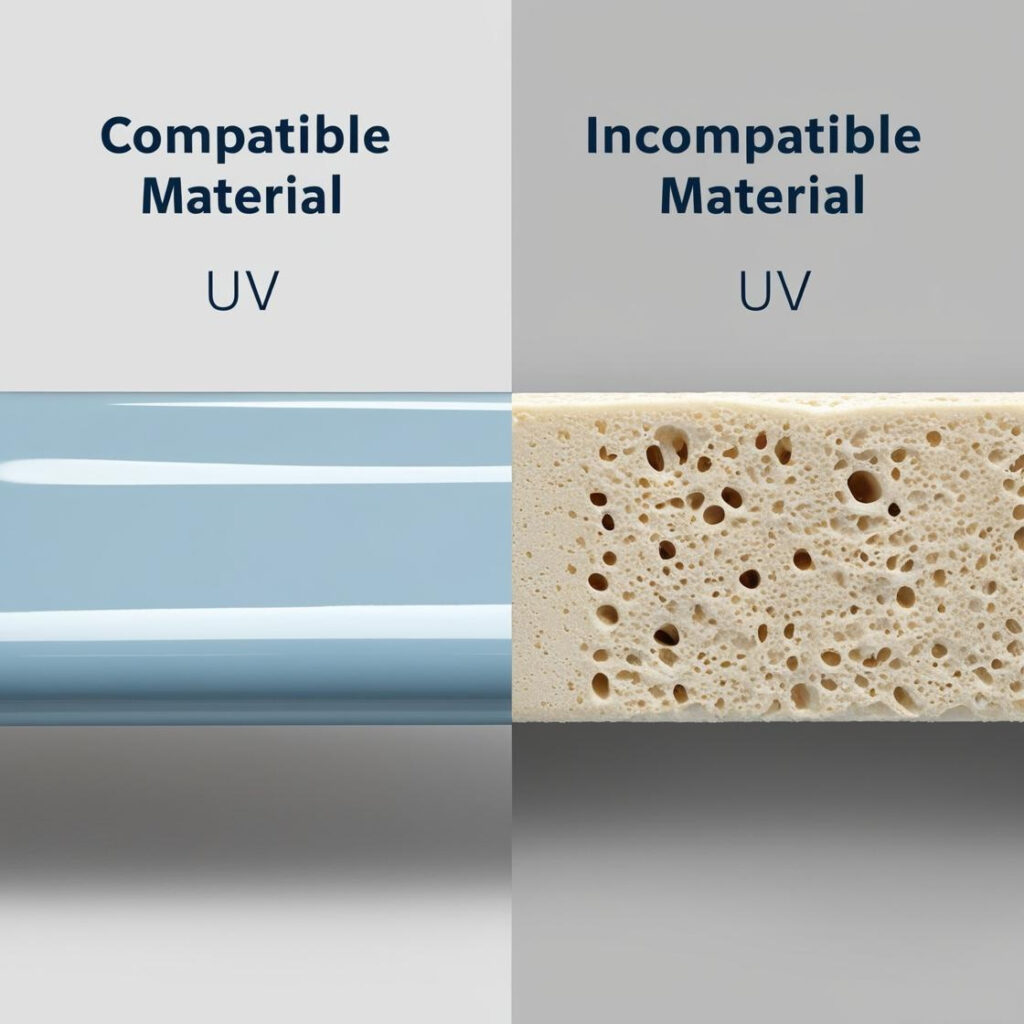
Compatibility Issues
UV coating offers notable advantages but also comes with significant drawbacks that can affect the quality and aesthetic of printed materials.
Limitations with Certain Inks
Certain inks pose challenges when paired with UV cured coating. Inks containing waxes, Teflon, or other high VOC (Volatile Organic Content) components can prevent proper adhesion.
This poor adhesion results in peeling or flaking, compromising the overall integrity of the print. Slower-drying inks heighten this risk, leading to unsightly blemishes or uneven coating.
Achieving a perfect finish becomes complicated when these issues are present, demanding careful selection of materials during the printing process.
Finding your way these disadvantages is essential for optimizing the benefits of UV coating.
By understanding these challenges, brand owners and printers can make informed decisions that enhance the quality of their printed materials without compromising visual appeal.
Conclusion
UV coating has truly transformed the way we approach printing and packaging. Its ability to enhance durability while providing a stunning finish makes it an invaluable tool for anyone looking to elevate their materials. I’ve seen firsthand how this process just improves visual appeal but also protects against everyday wear and tear.
While there are challenges to consider like substrate compatibility and ink adhesion, the benefits far outweigh the drawbacks. By understanding these factors, I believe brands can make informed choices that maximize the impact of their printed materials. Embracing UV coating could be a game-changer for your projects, ensuring they stand out and leave a lasting impression.
For more about coating click here for our ultimate guides.

 English
  العربية
  Deutsch (Sie)
  Español
  Français
  日本語
日本語  한국어
한국어  Italiano