
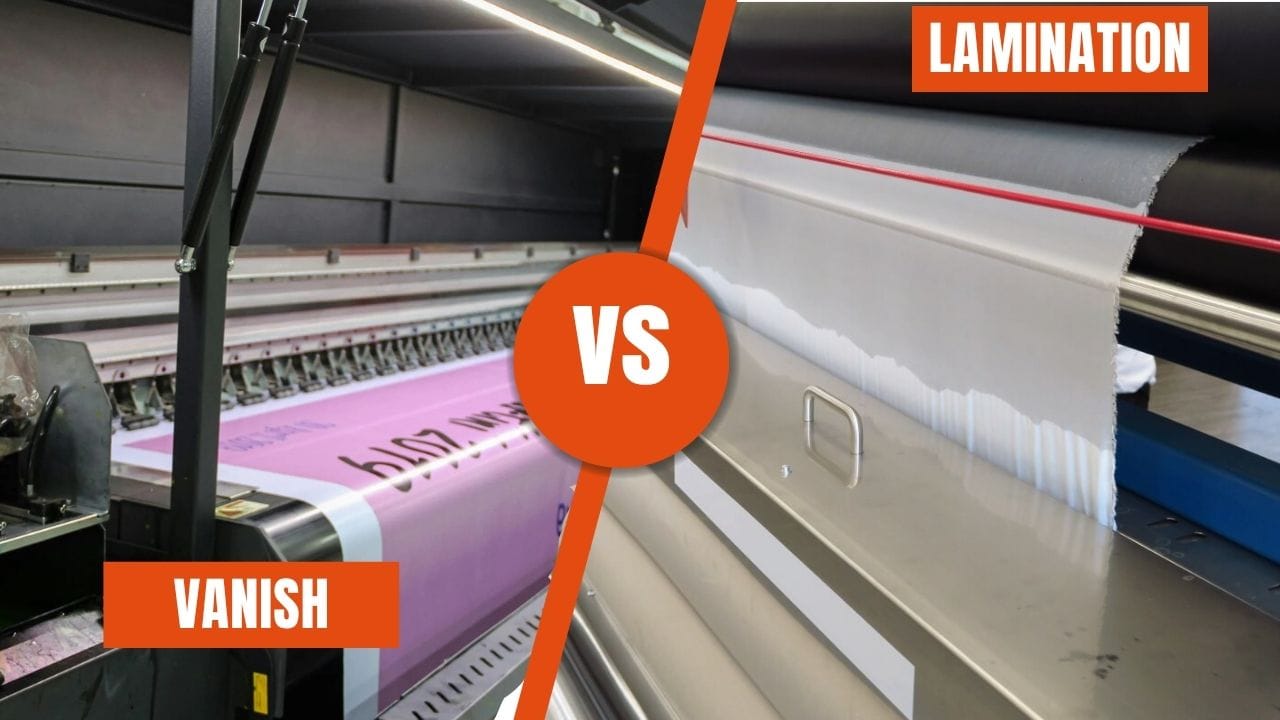
Lamination vs Varnish: A Strategic Guide to Protective Finishes
Ever wondered why some packaging looks pristine after months on shelves while others appear worn and faded? The secret lies in choosing the right protective finish.
1. Core Definitions: What is Lamination vs Varnish?
Varnish: A liquid coating applied post-printing. Protects and enhances printed materials. Available in matte, gloss, or specialty finishes. Examples include spot UV and soft touch applications.
Lamination: A process of bonding thin plastic film to printed surfaces. Typically uses polypropylene material. Creates a robust physical barrier. Provides superior durability and protection.
Varnish and lamination are the two primary protection methods for printed packaging. One applies a liquid layer. The other bonds a solid plastic film.
2. Primary Functions in the Lamination vs Varnish Showdown
Both processes share the same fundamental goal. Safeguarding ink from scratches, dirt, and general wear. Enhancing the visual appeal of your packaging simultaneously.
The key distinction lies in their form and composition. Varnish creates a thin liquid layer. Becomes part of the printed surface. Lamination applies a significantly thicker plastic film. Forms a protective barrier over the entire piece.
This fundamental difference drives all performance variations. Affects cost considerations. Determines application suitability between these two finishing methods.
Lamination or Varnish: A Quick-Decision Cheat Sheet
This table helps you make a quick decision based on your primary need. For details, read the sections below.
| If Your Priority Is… | Varnish is Your Best Bet | Lamination is Your Best Bet |
|---|---|---|
| Budget | ✔️ Most cost-effective | ✖️ Higher initial cost |
| Durability & Protection | Good (for scuffs & light wear) | ✔️✔️ Excellent (for moisture, tearing, heavy use) |
| Eco-Friendliness | ✔️✔️ Excellent (recyclable, often biodegradable) | Good (recyclable, but less biodegradable) |
| Premium Feel | Good (especially soft-touch) | ✔️✔️ Excellent (adds weight and a smooth, quality feel) |
| Design Flexibility | ✔️✔️ Excellent (spot effects are possible) | Good (full surface coverage only) |
Material & Mechanics: Why Varnish and Lamination Perform Differently
Understanding the fundamental material differences helps explain why these finishes perform so differently in real-world applications.
1. Material & Application: The Core Difference
Varnish: A thin, micron-level liquid coating. Uses water-based or UV-curable formulations. Applied through roll-coating or spray methods. Creates an integrated surface layer.
Lamination: A substantially thicker plastic film. Ranges from 20-50 microns in thickness. Bonded using heat-press or cold-press methods. Forms a separate protective shield over your print.
The thickness difference is significant. Varnish measures in microns. Lamination is 20-50 times thicker. This creates fundamentally different protection levels.
2. Protection & Durability: A Lamination vs Varnish Comparison
These material differences translate directly into dramatically different protective capabilities for your packaging.
Varnish: Guards against scuffing and minor surface wear. Provides basic ink protection for normal handling. Not resistant to water penetration. Cannot withstand chemicals or severe abrasion. Best for indoor, controlled environments.
Lamination: Offers robust protection against moisture infiltration. Resists chemical exposure and tearing. Withstands heavy handling and frequent use. Creates a moisture barrier that varnish cannot match. The go-to choice for restaurant menus, outdoor labels, and high-traffic applications.
Varnish protects against everyday wear. Lamination creates a fortress against harsh conditions. Choose based on your packaging’s expected environment and handling intensity.
The Varnish Toolkit: When to Choose Varnish
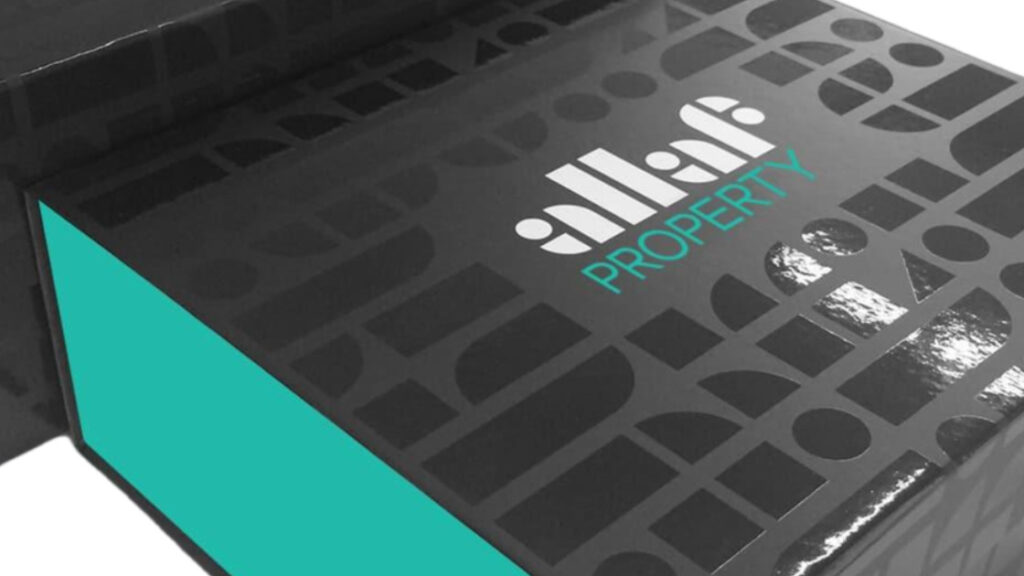
Each varnish type serves distinct business objectives, from budget considerations to luxury positioning.
Aqueous Varnish: The Budget-Friendly Workhorse
The most common and economical choice for everyday applications. Water-based formulation makes it eco-friendly and cost-effective. Available in matte or gloss finishes. Perfect for high-volume projects where basic protection meets budget constraints.
Best for: Cost-conscious projects, eco-friendly brands, standard retail packaging.
UV Varnish: The Durability Champion
Cured by UV light for superior durability and enhanced gloss levels. Often used for spot varnish effects to make specific design areas pop dramatically. Creates striking visual contrast when applied selectively over logos or key graphics.
Best for: Premium packaging, design-focused projects, high-wear applications.
Soft Touch Varnish: The Luxury Experience
Provides a unique, velvety texture that communicates luxury through tactile sensation. Creates an unmistakable premium feel that justifies higher price points. Transforms ordinary packaging into a sensory experience that customers remember.
Best for: Luxury brands, gift packaging, premium product launches.
The strategic choice: Aqueous for budget control, UV for durability and visual impact, Soft Touch for luxury positioning.
The Lamination Palette: When to Choose Lamination
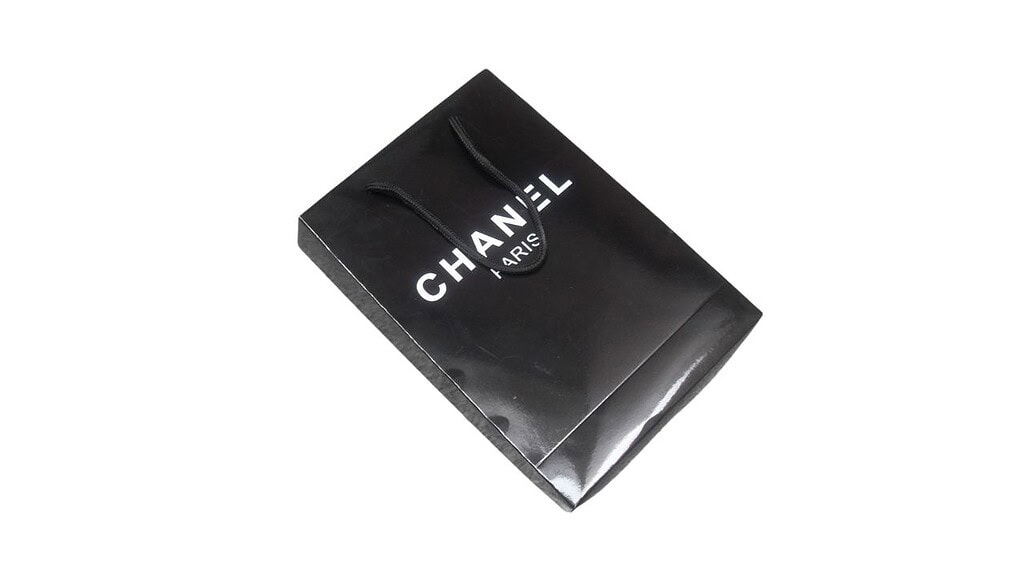
Different lamination finishes create distinct brand impressions and serve specific marketing objectives through visual psychology.
Gloss Lamination: The Attention Grabber
A shiny, reflective finish that makes colors appear more vibrant and eye-catching. Creates an energetic, dynamic brand impression that demands attention on retail shelves. Light reflection amplifies color saturation and visual impact.
Brand impression: Energetic, vibrant, accessible. Appeals to younger demographics and impulse purchases.
Best for: Consumer products, food packaging, children’s items, promotional materials.
Matte Lamination: The Premium Sophisticate
A non-reflective, sophisticated finish that reduces glare and eliminates fingerprint visibility. Often associated with premium, luxury products. Creates an elegant, understated brand impression that suggests quality and refinement.
Brand impression: Sophisticated, premium, exclusive. Communicates high-end positioning and attention to detail.
Best for: Luxury goods, professional services, high-end cosmetics, fine art reproductions.
Satin Lamination: The Balanced Professional
A semi-gloss finish that offers a balanced compromise between vibrancy and subtlety. Provides moderate light reflection without overwhelming shine. Creates a professional, versatile brand impression suitable for diverse applications.
Brand impression: Professional, versatile, approachable yet refined.
Best for: Corporate materials, professional services, mid-range products, business communications.
The brand strategy: Gloss for energy and impact, Matte for luxury and sophistication, Satin for professional versatility.
Lamination vs Varnish: A Cost vs. Value Analysis
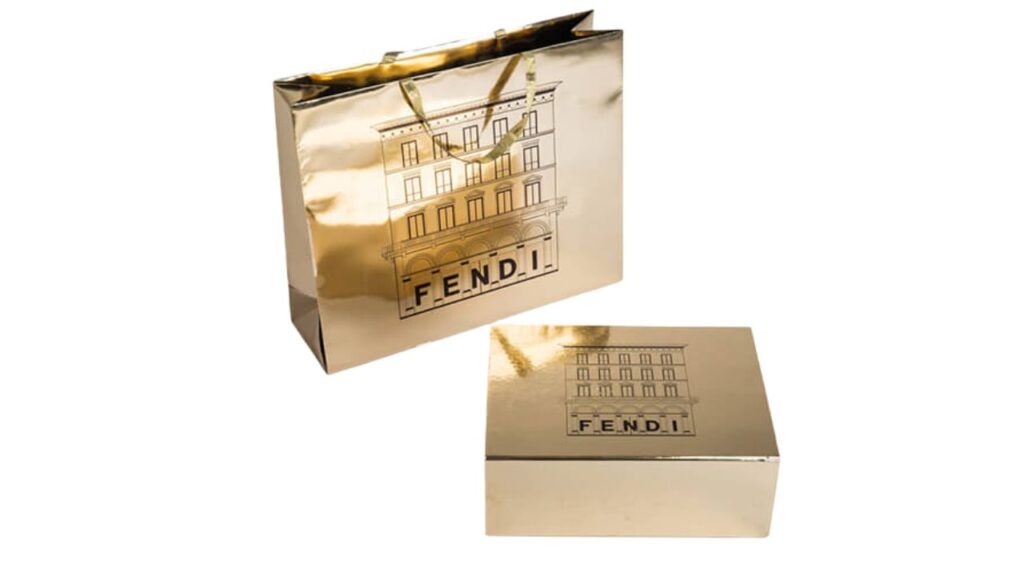
Understanding cost implications helps align your finishing choice with both budget constraints and long-term value objectives.
Varnish: The Cost-Efficient Solution
The more budget-friendly option across all applications. Standard aqueous finishes offer the lowest cost per unit. Lower material costs and simpler application processes reduce overall expenses. Ideal for large runs of cost-sensitive items where basic protection meets budget requirements.
Cost advantage: Minimal material expense, streamlined application, high-volume efficiency.
Best for: High-volume projects, tight budgets, standard retail packaging, promotional materials.
Lamination: The Value Investment
Higher unit cost due to plastic film material and more complex application processes. The increased expense represents an investment in superior durability and premium brand perception. ROI comes through extended product life and enhanced customer experience.
Investment rationale: Superior protection extends packaging lifespan. Premium feel justifies higher product pricing. Reduced replacement costs from damage.
Best for: Premium products, long-term use items, harsh environment applications, luxury positioning.
Lamination vs Varnish in Action: Real-World Scenarios
Drawing from our extensive experience across diverse industries, these real-world examples demonstrate strategic decision-making for optimal results.
1. When to Choose Varnish
Scenario: Budget-friendly projects, items with short lifespans like flyers and event brochures, or when you need spot effects for design contrast without full coverage costs.
Our Experience in Action: An art gallery approached us for cost-effective flyer finishing. We applied spot UV varnish selectively on featured artwork images. This made the art pop dramatically against the matte background. Achieved a premium visual impact without full lamination costs. The gallery saw immediate improvement in visitor engagement with their promotional materials.
Key insight: Spot varnish delivers maximum visual impact for minimal investment. Perfect for highlighting specific design elements while controlling overall costs.
2. When to Choose Lamination
Scenario: Items requiring high durability, like restaurant menus and user manuals, packaging for premium products, or materials exposed to moisture conditions, such like refrigerated goods.
Our Experience in Action: A luxury watch brand selected matte lamination for their packaging after experiencing shipping damage with previous unprotected boxes. The lamination resisted scratches throughout distribution. Created a smooth, premium tactile experience during unboxing. Reinforced their luxury positioning while eliminating costly package replacements.
Key insight: Lamination investment pays dividends through reduced damage costs and enhanced brand perception. Essential for high-value products requiring pristine presentation.
Sustainability Scorecard: The Eco-Impact of Lamination vs Varnish
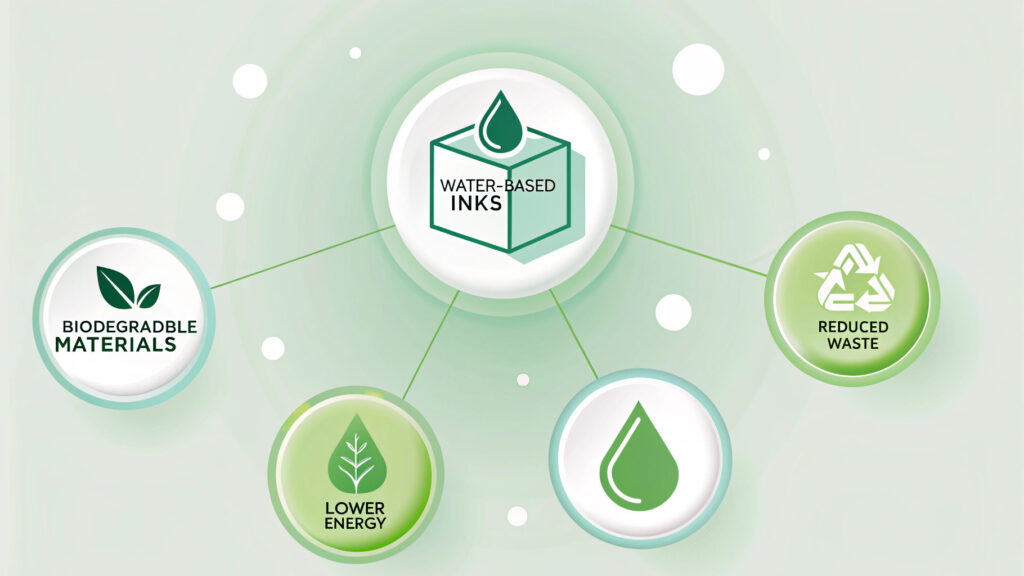
Sustainability increasingly influences packaging decisions, making environmental impact an important selection factor.
1. Recyclability & Environmental Impact
Varnish: Generally more eco-friendly. Water-based and UV varnishes keep paper widely recyclable through standard facilities. Plant-based varnishes offer even greener alternatives.
Lamination: Creates recycling challenges due to plastic-to-paper bonding. While recyclable, often requires specialized facilities not available everywhere.
2. Green Innovations in Finishes
Newer soy-based polymers and mono-material laminates improve sustainability profiles. Biodegradable films are becoming commercially viable.
Always ask about the latest eco-friendly options when considering finishing choices.
The sustainability verdict: Varnish offers immediate eco-friendliness. Lamination requires careful material selection for environmental responsibility.
Conclusion: Making the Final Choice in Lamination vs Varnish
Choose varnish for cost-effective protection and design flexibility. Choose lamination for maximum durability and premium positioning. The key is matching your finish to your product’s lifespan, handling requirements, and brand goals.
Ready to select the perfect finish for your packaging? Our finishing experts will help you balance cost, durability, and brand impact to make the right choice.
Contact us today for personalized recommendations – let’s find the ideal finishing solution for your specific project.
FAQ
Will lamination hurt my recyclability?
Standard lamination is harder to recycle, but we offer new recyclable films—ask us!
Can I have both spot shine and full protection?
Yes! We can combine spot varnish with lamination for the best of both worlds.
Is varnish enough for heavy-use packaging?
Yes! We can combine spot varnish with lamination for the best of both worlds.
For more want to learn about lamination, click here for ultimate guide.
For more, want to learn about the vanis, click here for ultimate guide.


 English
  العربية
  Deutsch (Sie)
  Español
  Français
  日本語
日本語  한국어
한국어  Italiano