
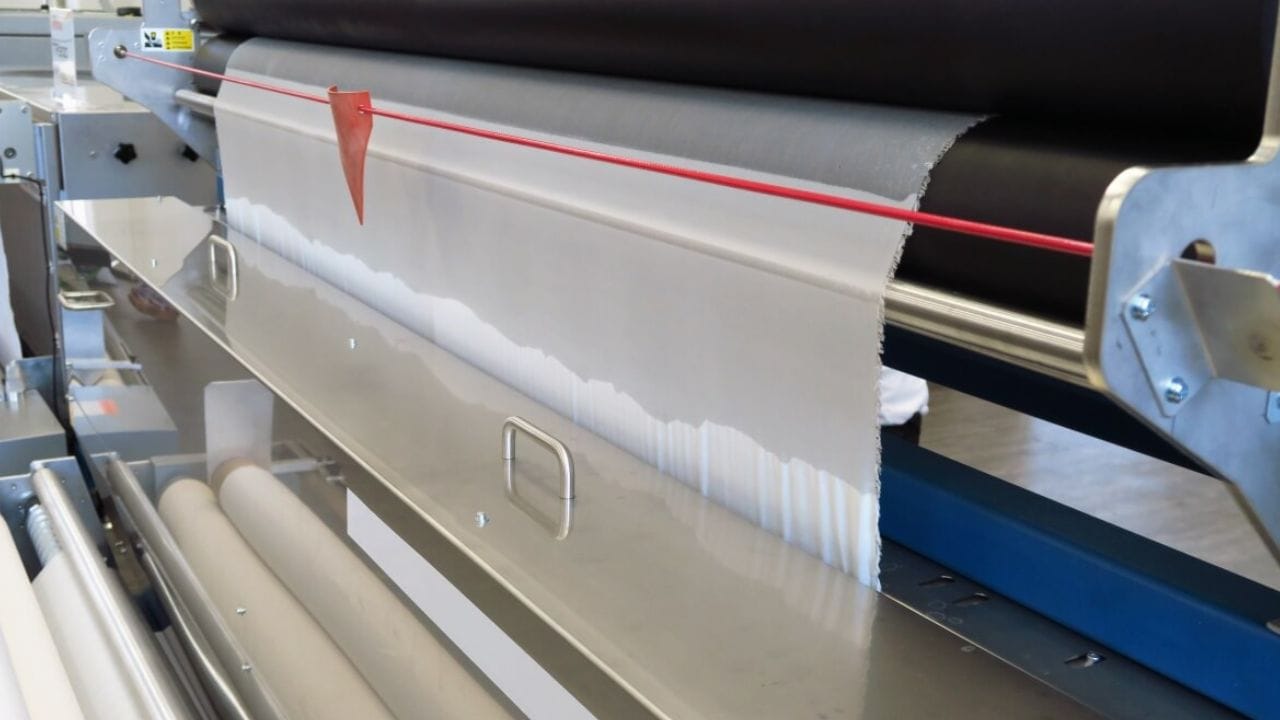
What is Lamination? Have you ever touched a really smooth phone case or picked up a shiny magazine cover? That nice feel and strong protection come from something called lamination. It’s a smart process that makes everyday items look better and last longer.
Lamination is the process of bonding two or more layers of material together using heat, pressure, or adhesives to create a stronger, more durable composite.
It is widely used to enhance strength, appearance, and protection in products like packaging, documents, and building materials.
Think of it like making a peanut butter sandwich – but instead of bread and peanut butter, we’re using materials like plastic film and paper.
Exploring What is Lamination Finishes: From High-Gloss to Velvet Soft-Touch
Lamination comes in several different styles. Just like you can choose different finishes for your phone case – shiny, matte, or textured – lamination finishes give your packaging or printed materials a completely different look and feel.
Let’s explore the most popular options.
Gloss Lamination

Gloss lamination gives surfaces a very shiny, reflective finish that makes colors look bright and vibrant. Think about those bright restaurant menus or colorful store flyers that catch your eye – that’s gloss lamination at work.
- Characteristics of gloss lamination
This type creates a high-shine surface that makes colors look much brighter and more vivid. When light hits gloss lamination, it reflects back strongly, which is why photos and graphics look so eye-catching. It’s like the difference between a regular photo and one that’s been polished to perfection.
Gloss lamination works great for promotional cards, flyers, and anything where you want people to notice your product right away. It’s also budget-friendly, so businesses can make their materials look expensive without spending too much money.
Matte Lamination

If gloss lamination is like a shiny sports car, then matte lamination is like a sleek luxury sedan – elegant and sophisticated. This finish gives materials a smooth, velvety feel that gives a feeling of high quality.
You’ll find matte lamination on expensive gift boxes, fancy book covers, and premium business cards that have a pleasant, smooth feel.
- Characteristics of matte lamination
Matte lamination creates a non-reflective surface that feels incredibly smooth under your fingers. Unlike gloss lamination, it doesn’t create any glare when light hits it, so you can read text easily from any angle.
It also hides fingerprints really well, which means those fancy gift boxes stay looking perfect even after people handle them.
The best part? Matte lamination gives everything a premium, expensive feel. When you touch a matte-laminated book cover or gift box, it feels soft and luxurious – like something that costs way more than it actually does. That’s why high-end brands love using it for their packaging.
Satin/Linen Lamination
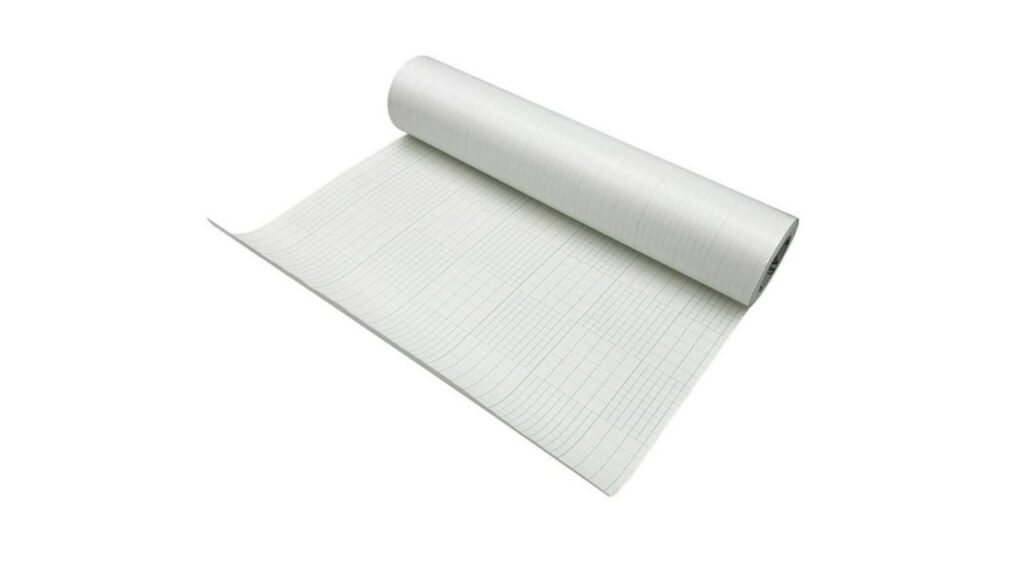
Satin lamination (also called linen lamination) is like the perfect middle ground between shiny and matte. Imagine the smooth feel of satin fabric or the gentle texture of linen cloth – that’s exactly what this finish brings to paper and packaging.
You’ll often see it on wedding invitations, fancy restaurant menus, and those special tags on boutique clothing that feel so nice you almost don’t want to throw them away.
- Characteristics of satin lamination
This finish creates a semi-gloss surface that’s not too shiny but not completely flat either.
The most interesting feature is the subtle texture it adds – when you run your fingers across it, you can actually feel tiny raised patterns, just like real fabric. This unique texture makes everything feel more expensive and interesting to touch.
Satin/linen lamination is perfect when you want something that stands out but isn’t too flashy. It’s ideal for invitations where you want people to feel how special the event is just by touching the card, or for boutique tags that make customers feel like they’re buying something really premium.
Soft Touch Lamination
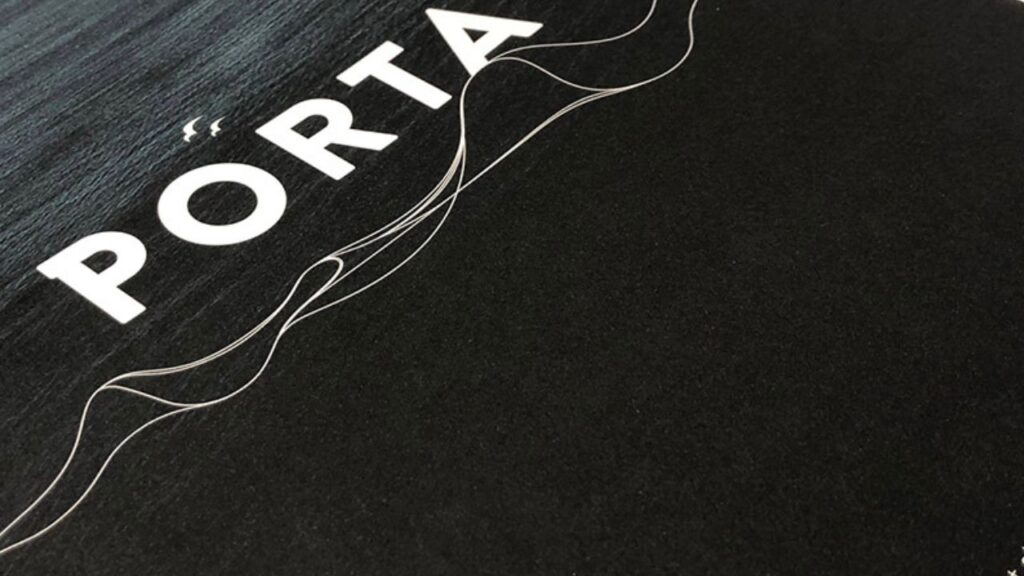
Soft touch lamination is the ultimate luxury finish – it’s like wrapping your product in velvet. This is what high-end brands use when they want customers to feel impressed the moment they touch the packaging.
Think about those expensive perfume boxes or VIP membership cards that feel impossibly smooth and soft.
- Characteristics of soft touch lamination
This finish creates a velvet-like texture that has a unique feel. It has low surface friction, which means your fingers glide across it effortlessly – like touching the softest fabric you’ve ever felt.
The premium feel is so noticeable that people often can’t help but keep touching it.
Brands love soft touch lamination because it instantly makes customers think “expensive” and “high quality.” It’s the kind of finish that makes people want to keep the packaging even after they’ve used the product inside. If you want your brand to feel luxurious and unforgettable, this is the way to go.
Anti-Scratch Lamination
Anti-scratch lamination is the most durable type of lamination. While other finishes focus on looks and feel, this one is all about protection.
You’ll find it on outdoor signs that face harsh weather, product labels that get handled roughly, and anything else that needs to survive tough conditions.
- Characteristics of anti-scratch lamination
This finish provides enhanced durability that can resist a lot of wear and tear. It resists abrasion, which means it won’t get scratched up easily even when people touch it constantly or when it rubs against other surfaces. Think of it like armor for your printed materials.
Anti-scratch lamination is perfect for things like outdoor restaurant menus, shipping labels, or any signage that needs to look good even after months of use. It keeps your important information readable and your graphics looking sharp, no matter what life throws at them.
What is Lamination Used for: A Strategic Decision Guide
| Lamination Type | Typical Applications | Texture / Appearance | Budget | Eco-Friendly | Durability |
|---|---|---|---|---|---|
| Gloss | Flyers, cards | Shiny, smooth | Low-Mid | Optional | Medium |
| Matte | Gift boxes, covers | Soft, low-glare | Mid | Optional | Medium |
| Soft Touch | Luxury packaging, VIP cards | Silky, premium | High | Optional | Medium |
| Anti-Scratch | Outdoor signs, labels | Smooth, durable | Mid-High | Optional | High |
| Eco-Friendly | Food packaging, green brands | Various | Mid-High | ★★★ | Medium |
Picking the right lamination finish doesn’t have to be confusing. It’s like choosing the right shoes for different activities. You wouldn’t wear flip-flops to a fancy dinner. You wouldn’t wear dress shoes to the beach.
The key is matching your lamination to what you actually need.
- What is Lamination Decision Factors
When choosing lamination, think about four main things.
First, what’s your purpose? Do you need protection from scratches? Do you want to look fancy? Do you need special features like water resistance?
Second, consider your substrate type. This is the material you’re laminating, and it needs to be strong enough. As a general rule, paper that is 157 gsm or heavier can be laminated, while thinner paper like 128 gsm is usually too soft and cannot be laminated.
Third, think about your environmental goals. There are now eco-friendly options that don’t hurt the planet. Finally, consider your budget. Find the right balance between basic and specialty finishes. - Example Use Cases of Lamination
Here’s how to match lamination to real situations. For premium gift boxes, matte lamination gives that delicate, expensive feel. It makes customers think “quality.”
If you’re making food packaging, you need to keep moisture and oil out. PE or PET extrusion lamination is both safe for food and better for the environment.
When you want promotional cards and flyers that grab attention, think about your budget. Gloss lamination makes colors pop at a reasonable price. If your brand wants the ultimate luxury feel, soft touch lamination creates that unforgettable tactile experience. - Case Studies of Lamination
Real businesses use these solutions every day. Food companies use extruded PE lamination to create a moisture barrier. This keeps snacks fresh and crunchy.
Marketing agencies choose matte lamination for premium business cards. These feel expensive and professional.
Outdoor advertising companies rely on anti-UV, anti-scratch lamination. This makes banners that survive harsh weather for months.
What is Lamination Core Processes: Thermal, Adhesive, and Extrusion
There are three main ways to do lamination. Each method works differently. Each one is best for different types of projects. Understanding these processes helps you pick the right one for your needs.
Thermal Lamination
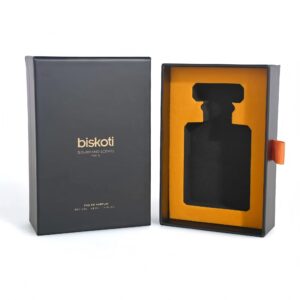
Thermal lamination is perfect for packaging boxes and posters. It gives materials a glossy or delicate touch. This process offers high cost performance. That’s why it’s widely used for large-scale production.
- Process Principle of Thermal Lamination
Thermal lamination uses heat and pressure to bond a plastic film to a substrate. Simply put, heat is used to tightly bind the film and paperboard. This improves both durability and appearance. Think of it like ironing a patch onto clothing. The heat makes everything stick together permanently. - Key Types of Lamination
There are two main types of thermal lamination. Hot lamination creates permanent bonding. It’s recommended for long-term use or premium packaging. The bond is so strong it will never come apart. Cold lamination is pressure-activated. It’s suitable for temperature-sensitive materials or small custom orders. This works well when heat might damage the materials.
Adhesive Lamination
Adhesive lamination is suitable for packaging that requires special functions. It works great for multi-layer structures. Think about moisture-proof and oil-resistant food bags. This process gives you more control over the final product.
- Process Principle of Adhesive Lamination
Adhesive lamination applies adhesives between layers. It’s mainly used to combine different materials. This helps achieve moisture and oil resistance. The adhesive acts like super-strong glue. It holds different materials together while adding protective properties. - Application Methods of Adhesive Lamination
There are two main ways to do adhesive lamination. Roll-to-roll lamination is efficient for mass production. Large machines process materials continuously. Sheet lamination is best for small batches or custom products. This gives you more flexibility for special projects.

Extrusion Lamination
Extrusion lamination is commonly used in food packaging. It’s also popular for daily chemical bags. Moisture and oil resistance is important for safety. This process creates the strongest barriers.
- Process Principle
Extrusion lamination extrudes melted plastic between layers. The plastic bonds as it cools. This process is best for packaging that requires high barrier properties. Think about waterproof and oil-proof performance. The melted plastic fills every tiny gap. This creates an almost perfect seal against moisture and oils.
Weighing the Pros and Cons: What is Lamination Business Case
Like any process, lamination has both benefits and drawbacks. Understanding these helps you make smart decisions. Let’s break down what lamination can do for you. We’ll also look at potential challenges.
Key Benefits of Lamination
Lamination brings three major advantages to your products.
First is durability. Lamination significantly extends product life and wear resistance. Your materials will stay in good condition much longer. They’ll survive daily handling without damage.
Second is aesthetics. Lamination achieves a high-end or personalized look. Your products instantly appear more expensive. Customers notice the difference immediately. They associate quality finishes with quality brands.
Third is functionality. Lamination adds practical features like moisture and oil resistance. Your packaging protects contents better. Food stays fresh longer. Important documents don’t get damaged by spills.
Potential Drawbacks
Lamination does have some challenges. The biggest is cost. Specialty laminations cost more than basic options. Choose based on your budget and real needs. Don’t overspend on features you don’t actually need.
Another challenge is recycling. Some laminations complicate the recycling process. Different materials bonded together are harder to separate. The good news? Eco-friendly films are now available. These solve many recycling problems.
There’s also an environmental impact to consider. Traditional lamination can create waste. However, water-based or peelable eco-lamination is now recommended. These options reduce environmental harm significantly.
What is Lamination Eco-Friendly Trends

The packaging world is going green. More customers want sustainable options. More companies are responding with eco-friendly solutions. Here are the latest trends that actually work.
Sustainable Materials
Biodegradable films are becoming popular. PLA and starch-based materials work great for eco-conscious packaging. These films break down naturally over time. They don’t sit in landfills forever.
Water-based adhesives are replacing chemical-heavy options. These adhesives work just as well. They’re much safer for the environment. They’re also safer for workers who handle them.
This is just one part of creating exceptional packaging. Read our Ultimate Guide to Post-Printing Technologies to learn about the complete system, from blueprint to finished product.
Conclusion: Integrating Lamination into Your Product Strategy
Lamination is more powerful than most people realize. It’s not just about making things look shiny. It’s about creating packaging and materials that work better in the real world.
Key Takeaways
Lamination enhances three critical areas for your business. It improves durability so your materials last longer. It upgrades appearance so your brand looks more professional. It adds functionality like moisture protection and scratch resistance. These benefits work for both packaging and promotional materials.
The choice of lamination type and process depends completely on your specific needs. A luxury gift box needs different lamination than outdoor signage. Food packaging has different requirements than business cards. There’s no one-size-fits-all solution. That’s actually good news. It means you can get exactly what you need.
Ready to Find Your Perfect Finish?
Choosing the right lamination can feel like a big decision, but you don’t have to make it alone. Our team of packaging experts is here to guide you every step of the way.
We’ll help you select the perfect finish that protects your product, elevates your brand, and fits your budget.
Contact us today for a free consultation and to request a sample pack of our most popular finishes. Let’s create packaging that your customers will love to see and touch!
FAQ
Q1: Will lamination affect the color or appearance of my packaging?
A: Gloss lamination enhances color vibrancy; matte or soft touch reduces glare for a premium look. We’ll show you samples for comparison before production.
Q2: Which finish is most durable against scratches and handling?
A: Anti-scratch and gloss laminations are best for high-use or outdoor packaging. Matte and soft touch are more tactile but slightly less scratch-resistant.
Q3: Can you offer eco-friendly lamination options?
A: Yes! We provide biodegradable films, water-based adhesives, and easy-peel solutions. Let us know your sustainability goals.
Q4:What is lamination best usage between gloss, matte, and soft touch?
A: Tell us your product type, target customer, and brand style. We’ll recommend and sample the best options for your needs and budget.
Q5: Can I recycle my packaging if it’s laminated?
A: Some lamination films can complicate recycling. We offer recyclable and peelable options—ask us for the most eco-friendly choices.
Q6: Can you provide samples of different lamination finishes?
A: Yes, we offer sample experiences for various lamination finishes to help you make the best decision.
If you have an interest about learning about lamination Vs vanish click here for ultimate guide .
 English
  العربية
  Deutsch (Sie)
  Español
  Français
  日本語
日本語  한국어
한국어  Italiano