
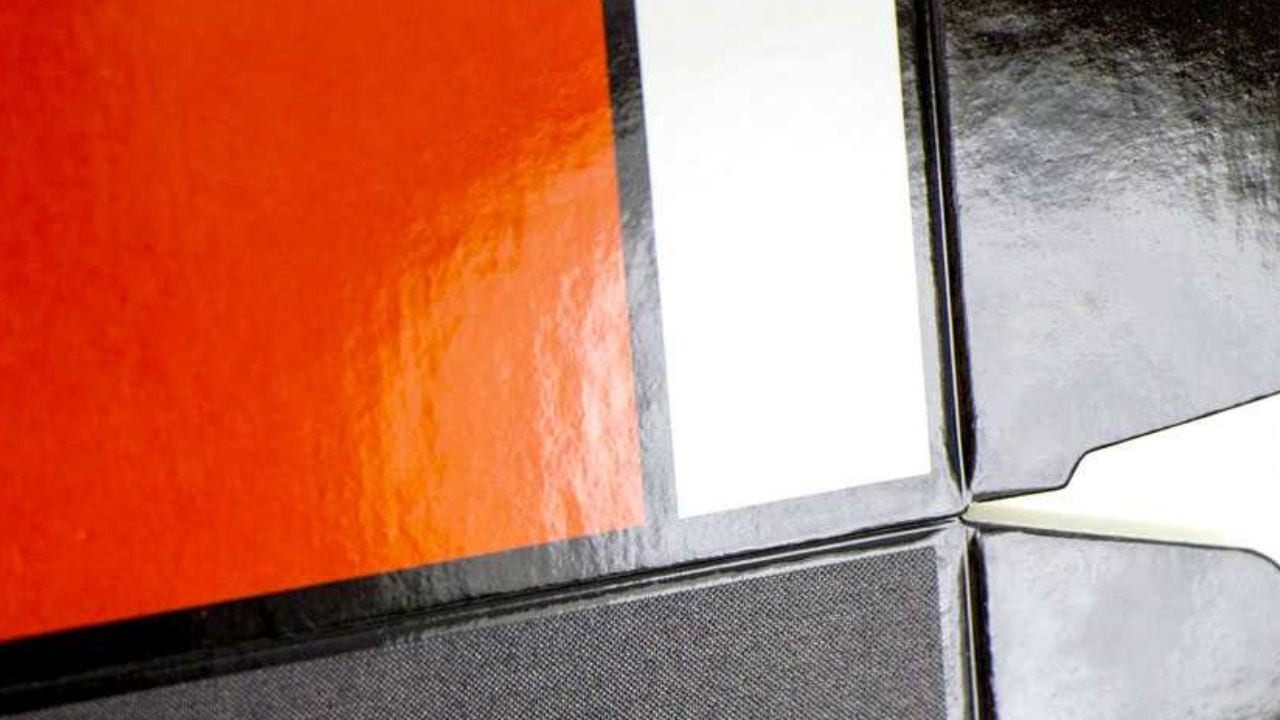
What is Aqueous Coating?
Picture this: you’re holding two business cards. One feels a bit cheap and looks dull. The other has a smooth, professional finish that just feels better in your hand. That small difference, the one that makes you want to keep the card? That’s often the magic of aqueous coating.
Aqueous coating is a water-based, eco-friendly print finishing solution applied as a transparent protective layer to enhance durability and aesthetics of paper products. It utilizes water as the primary dispersing medium instead of solvents, delivering scratch resistance and a matte/satin finish while reducing environmental impact through low VOC emissions and recyclability.
When to Choose Aqueous Coating: Key Applications and Scenarios
So, when is aqueous coating the right call for your project? I always suggest it in a few key situations.
It’s a perfect choice if you have budget constraints, because it’s very cost-effective for large print jobs like promotional flyers. It’s also my go-to for eco-friendly projects, as it helps you meet sustainability goals without a high price tag.
Finally, it’s great for items meant for short-term use, like single-use packaging or seasonal marketing materials that don’t need to last forever.
But what if you need something tougher? For things that need to be extra shiny or water-resistant, like outdoor signs or restaurant menus, I’d point you toward UV coating or lamination.
| Need / Scenario | Aqueous Coating | UV Coating | Lamination |
|---|---|---|---|
| Budget-friendly | ✔ Best choice | ✖ Higher | ✖ Highest |
| Eco-friendly / recyclable | ✔ Yes | ✔ Yes | ✖ Unless special films |
| Short-term use | ✔ Ideal | ✔ Good | ✔ Good |
| Durability (moisture/scuff) | ✖ Moderate | ✔ Better | ✔✔ Best |
| Substrate flexibility | ✔ Paper/card | ✔ Paper/card/rigid | ✔ Most |
| Print compatibility | ✔ Most inks | ✔ Most | ✔ Most |
Evaluating Aqueous Coating: Core Advantages and Limitations
Here’s why I recommend aqueous coating so often. First, its eco-friendliness is a huge plus. It’s water-based and safe, meeting tough standards in both the US and Europe.
It also offers amazing cost-efficiency, often being 20-40% cheaper than other coatings. And for me in the production industry, its print compatibility is key—it works great with almost any paper or ink.
Now, to be honest, it’s not perfect for every single job. Its durability is good for light handling, but it’s less resistant to water and heavy scratching than a UV or laminated finish.
The drying time is also a bit slower than UV, which can be a factor in rush jobs. Lastly, its gloss intensity is a little softer and more muted compared to a high-gloss UV finish.
Sustainability and Aqueous Coating: An Eco-Friendly Finishing Choice
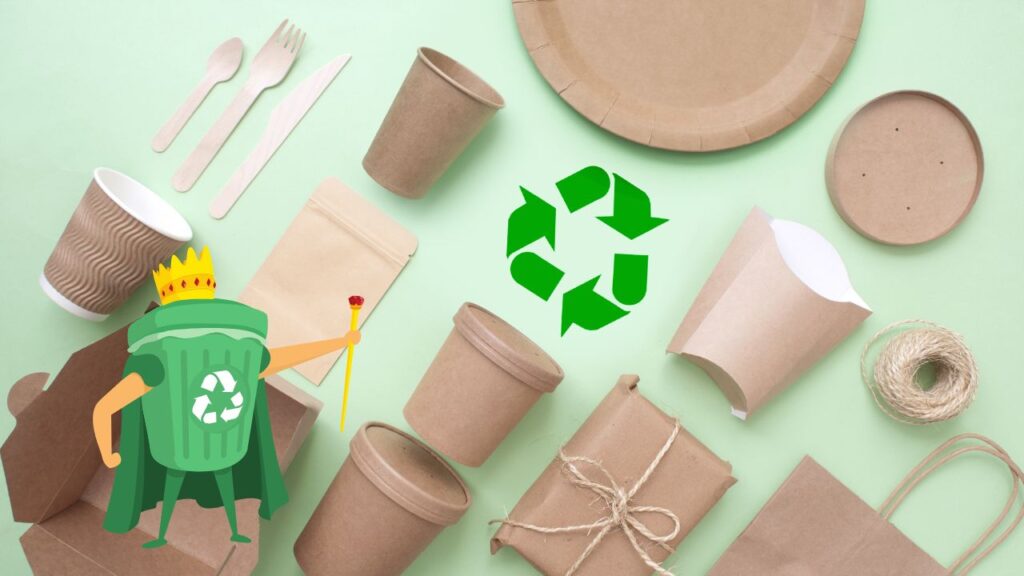
For brands that care about their impact, this is a big deal. The recyclability of aqueous coating is a major benefit; the paper can be recycled without any special steps. There are even biodegradability options made from plant-based resins, which are fantastic for green packaging.
You might wonder about water and energy use. It’s a fair question. The process does use water and low heat, but the systems are very efficient and designed to minimize waste. From what I’ve seen, it’s a responsible process that keeps getting better for our planet.
Creative Finishes: Exploring Types of Aqueous Coatings

Here’s where you get to be creative. The coating dries fast with just a little heat, which keeps production simple. You get to choose the look you want.
- Want your colors to really pop? Go with a Gloss Aqueous Coating.
- Looking for a more elegant, soft look? Matte Aqueous Coating is perfect.
- Can’t decide? Satin Aqueous Coating is a beautiful balance between the two.
You can also choose how it’s applied. Flood coating covers the entire page for all-over protection. But if you want to make a logo or a specific word stand out, we can use spot coating to highlight just that detail.
Common Industry Applications of Aqueous Coating
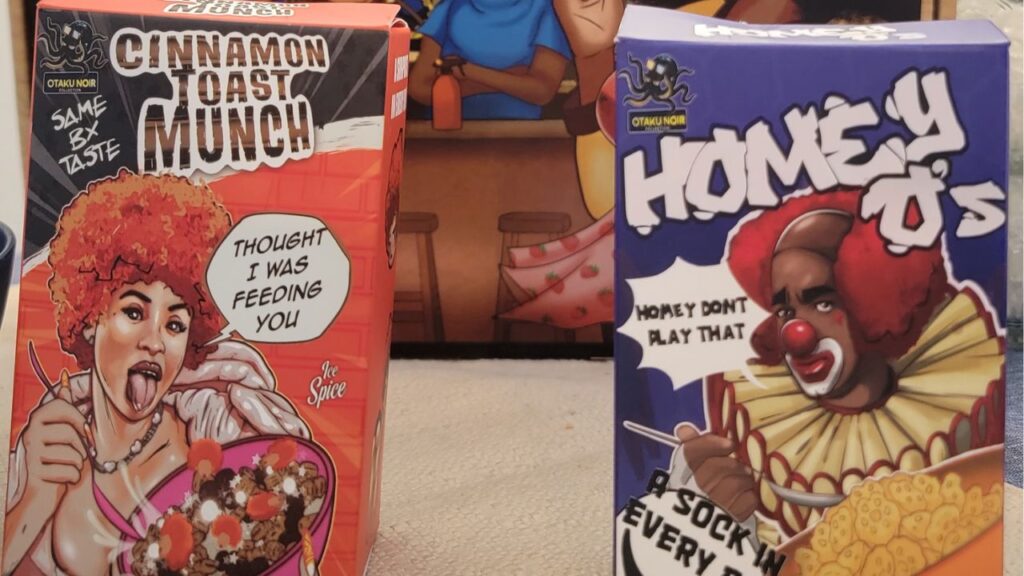
I’ve worked with so many brands, and aqueous coating is a problem-solver in many industries.
In the packaging sector, it’s a star. We produce it on food packaging like cereal boxes all the time because it’s non-toxic and FDA-compliant. For e-commerce brands, it’s a smart way to protect shipping boxes and inserts without breaking the budget. And for retail packaging, it adds that touch of class that gets a product noticed.
I always tell my packaging clients: don’t forget your inserts and promo materials! Aqueous coating makes them look professional without the premium price.
Aqueous Coating in Action: Real-World Case Studies
Let me tell you about two projects that show its power.
One client needed 10,000 event flyers and was on a tight budget. We used a Gloss Aqueous Coating and achieved a 35% cost savings compared to UV. The client was thrilled—big impact, small budget.
Another project that made me proud was for a food company. We created recyclable food cartons with a Matte Aqueous Coating. The result was beautiful packaging that met all the environmental rules. It was a win-win.
Substrate Compatibility: Best Materials for Aqueous Coating
This is where aqueous coating really shines. In my experience, it works on almost any kind of paper & cardstock, from thin flyers to thick luxury boxes. It’s also great for corrugated board used in shipping.
However, here’s something I learned the hard way: don’t try to use it on plastic films or metal or foil surfaces. It just won’t stick properly. But don’t worry—if you’re using those materials, I have other solutions that work perfectly. Just ask.
This is just one part of creating exceptional packaging. Read our Ultimate Guide to Post-Printing Technologies to learn about the complete system, from blueprint to finished product.
Conclusion: Why Aqueous Coating is a Smart Finishing Strategy
So, what’s the bottom line? After years in this business, I keep coming back to aqueous coating because it just makes sense. It’s a smart mix of cost, functionality, and sustainability.
Here’s my honest advice: try aqueous coating first for most of your paper projects. It works 90% of the time and saves you money. Just remember to ask for a sample to test if you’re using a special kind of paper. Trust me, it’s worth that one extra step.
FAQ: Your Questions, Answered
Q: Will aqueous coatings make my packaging recyclable?
A: Yes, paper with aqueous coating can be recycled in standard facilities.
Q: Can I use aqueous on plastic or foil?
A: I don’t recommend it. It sticks best to paper and card.
Q: Is it food-safe?
A: Yes, the aqueous coatings I use are all compliant and safe for food packaging.
Q: Is it good for products that get wet or are used outdoors?
A: For those situations, I would suggest a UV or laminate finish for extra protection.
Do not know how to choose between Aqueous and UV coating click herer for our guide.

 English
  العربية
  Deutsch (Sie)
  Español
  Français
  日本語
日本語  한국어
한국어  Italiano