
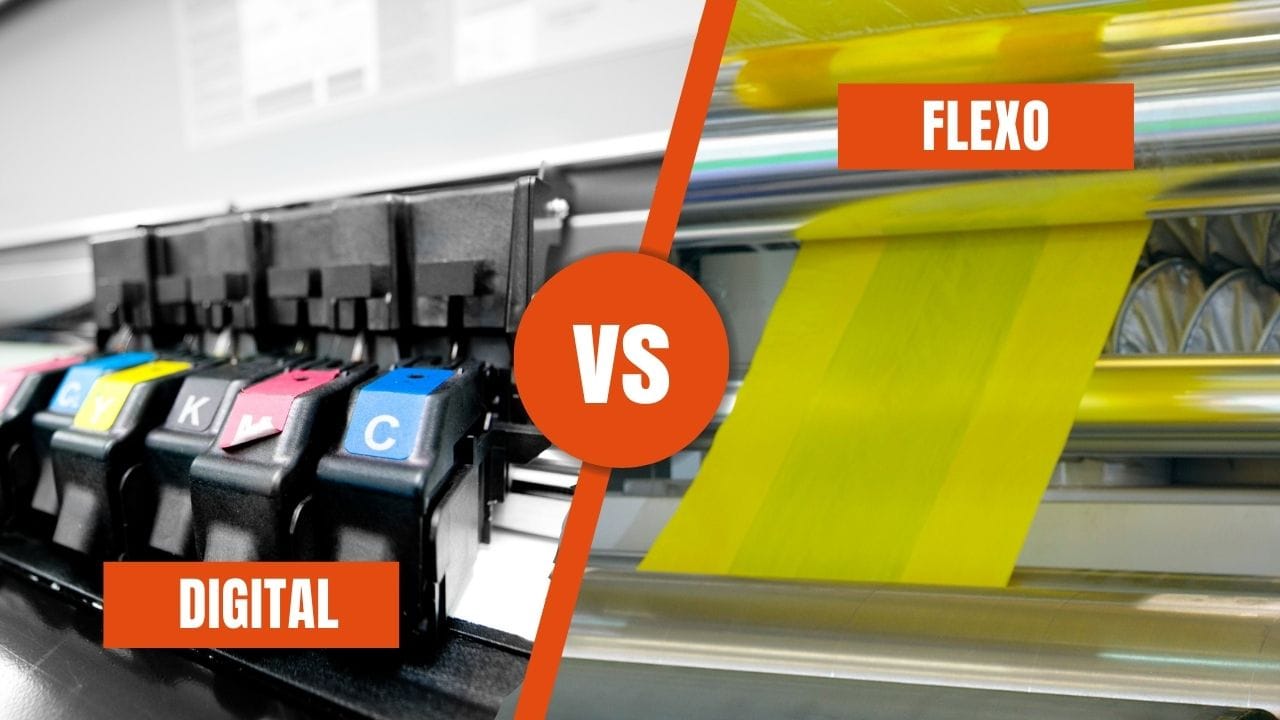
The Strategic Importance of Your Printing Decision Digital vs Flexo Printing
Choosing between digital and flexo printing plays a critical role in your labeling, packaging, and manufacturing success. Your decision affects cost, speed, and design quality. Each technology caters to different project scales. They also handle different substrate types and industry requirements.
Making the wrong choice can waste thousands in setup costs. It can delay product launches. It can also result in poor-quality packaging that damages your brand reputation.
A Practical Guide to Making the Right Choice
This guide provides detailed analysis of principles, processes, costs, and applications. You’ll learn exactly when to choose each technology for your printing projects.
You’ll get practical information to help you make informed decisions. We cover your budget constraints, timeline requirements, and quality expectations.
Quick Decision Matrix: Digital Printing vs. Flexo Printing
| If Your Core Business Need is… | …And Your Project Features are… | Your Best Choice is |
|---|---|---|
| Market testing & risk control | Small batch launch (1-2,000 units), designs may change, need fast turnaround | Digital Printing |
| Scalable production & cost efficiency | Mass production (>5,000 units), fixed design, lowest unit cost and long-term color consistency | Flexo Printing |
| High personalization & customization | Each package is different (e.g., variable QR codes, customer names, serial numbers, different flavor designs) | Digital Printing |
| Printing on special materials | Flexible films (snack bags), flexible packaging, corrugated boxes, or other non-flat surfaces | Flexo Printing |
| Pursue photo-level print quality | Design contains complex images, fine text, or smooth gradients with very high detail requirements | Digital Printing |
| Achieve precise brand color | Strict Pantone matching required, and color must remain absolutely consistent for months or years | Flexo Printing |
Understanding the Core Technologies: How Digital and Flexo Work
Digital Printing: The Direct-to-Substrate Process
Digital printing uses a direct-to-substrate process. It applies ink using digital files without physical plates. This means instant file-to-print capability.
Inkjet technology works by spraying ink directly onto your packaging material through tiny nozzles. The nozzles create precise patterns based on your digital design. Toner-based systems use electrostatically charged toner that sticks to the substrate. Heat then fixes the toner in place.
The key advantage: upload your design file and start printing immediately. No plates to make. No setup delays. Perfect when you need labels or packaging fast.
Key components include the digital printer and ink cartridges or toner cartridges. That’s it. Simple setup means you can start production within minutes of receiving your artwork files.
For more about digital printing click here for ultimate guide for digital printing.
Flexo Printing (Flexography)
Flexo printing uses a relief printing process. It transfers ink to packaging materials through flexible photopolymer plates. This requires plate creation and setup investment. But it delivers ultra-low costs at larger production scales.
The core mechanism works like a sophisticated stamp system. Raised images on flexible plates get inked by an anilox roller. A doctor blade ensures uniform ink coverage across the plate. Pressure from an impression cylinder transfers the ink to your packaging substrate.
This process requires more setup time and cost. But once running, flexo printing produces thousands of labels or packages at extremely low per-unit costs. Perfect for large production runs where consistency and cost efficiency matter most.
Key components include photopolymer plates, anilox roller, doctor blade, and impression cylinder. Each component requires precise calibration for optimal results.
For more about flexo printing click here for ultimate guide for flexo printing.
Digital vs Flexo Printing: A Direct Process Comparison
| Aspect | Digital Printing | Flexo Printing |
|---|---|---|
| Prepress Setup | Instant (no plates; direct file upload). | Time-consuming (plate creation, press calibration). |
| Ink Application | Direct (inkjet nozzles or toner). | Indirect (anilox roller → plate → substrate). |
| Color Management | CMYK + extended gamut via digital software. | CMYK + spot colors (Pantone) with separations. |
| Substrate Compatibility | Flat, smooth surfaces (paper, coated films). | Versatile (flexible packaging, corrugate, non-porous materials). |
| Production Speed | Fast for small runs; slower for large volumes. | High-speed for medium to large runs. |
The Visual Impact: A Deep Dive into Quality and Design
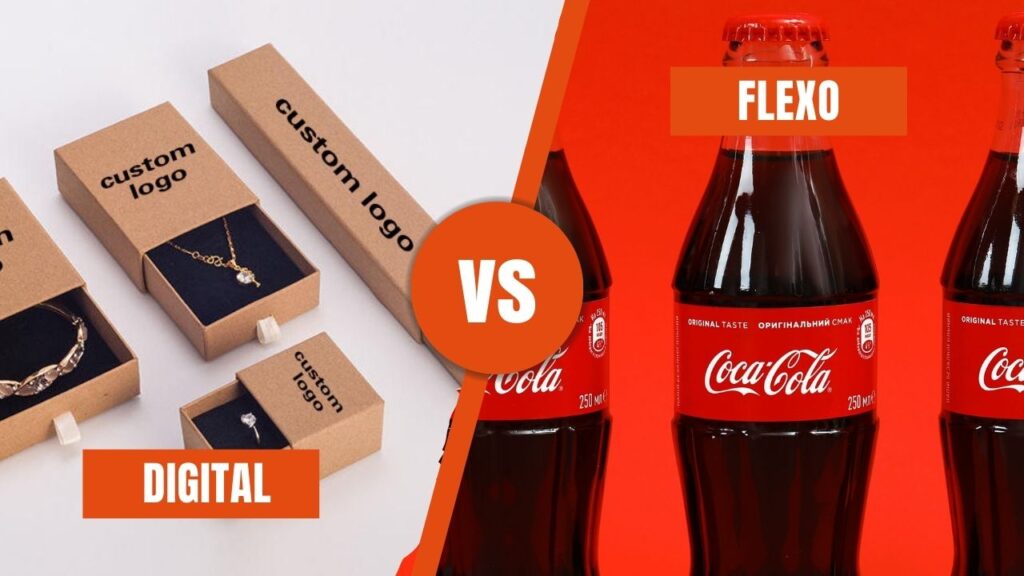
Resolution and Detail: Digital’s Precision vs. Flexo’s Boldness
Digital Printing
Digital printing delivers photo quality sharpness for fine graphics and detailed images. Small text stays perfectly readable. Complex logos maintain crisp edges.
Perfect for cosmetic labels with detailed ingredient lists. Ideal for food packaging featuring appetizing product photography. Essential for pharmaceutical labels where warning text must be crystal clear.
Variable data printing lets you personalize each package. Print individual customer names. Add unique QR codes. Include sequential numbering. No additional setup costs required.
Flexo Printing
Flexo printing excels with solid colors and bold logos across large quantities. Creates vibrant, consistent color blocks that make your brand stand out on retail shelves. Less suitable for tiny details or complex photographic images.
Fine text tends to blur together. Detailed graphics lose sharpness. But when your design focuses on bold brand elements, flexo delivers excellent results at scale.
Smart brands design specifically for flexo’s strengths. Bold typography. Simple logos. Solid color areas all work perfectly.
Color Consistency: Achieving Brand Integrity with Digital and Flexo
Digital Printing
Digital printing provides good color consistency for short runs and variable jobs. Slight batch variations possible when reprinting weeks or months later.
Works well for limited edition packaging and seasonal campaigns where perfect color matching across different production runs isn’t critical.
Flexo Printing
Flexo printing delivers superior brand consistency across large-scale production. Once plates are made and press calibrated, thousands of packages have identical colors. This consistency extends across multiple production runs over months or years.
Critical for established brands needing exact color matching across different retailers and markets. Pantone color matching ensures brand colors stay true regardless of production volume or timing.
Texture and Finish: The Critical Role of Tactile Experience
Digital Printing
Digital printing produces a smooth finish that feels clean and professional. Surface remains relatively flat, creating modern appearance.
Specialty effects possible with extra finishing steps. Spot UV coating for glossy highlights. Lamination for durability. However, these require additional processing steps and costs.
Flexo Printing
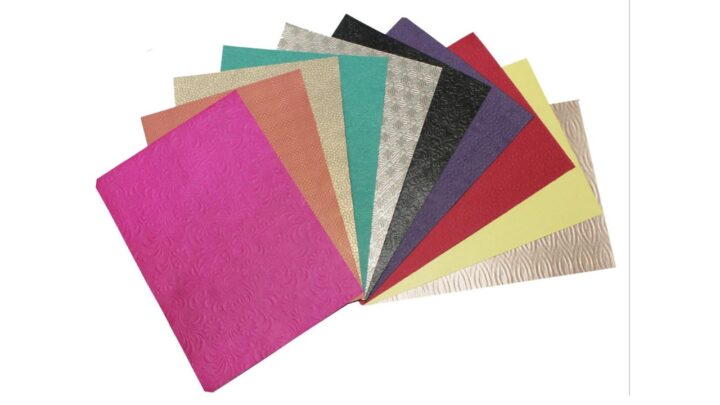
Flexo printing creates subtle texture naturally through raised plate elements. These transfer slightly more ink, creating tactile variations customers can feel.
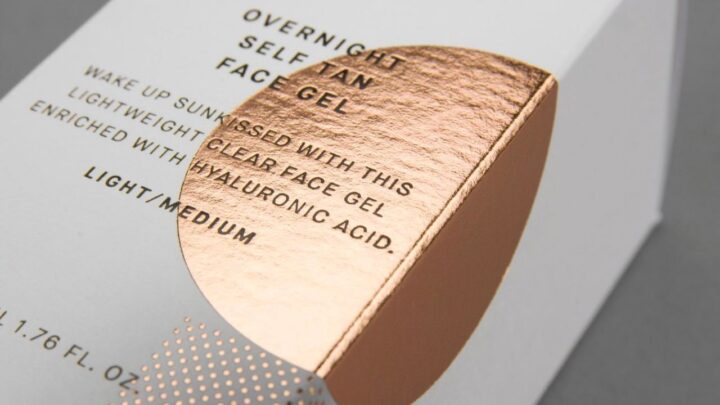
Highly compatible with embossing/debossing and tactile coatings. These effects integrate within the printing process. Add raised textures, metallic finishes, or soft-touch coatings without switching equipment or suppliers.
Ideal when packaging needs premium tactile effects that justify higher product pricing and create memorable customer experiences.
The Financial Bottom Line: A Digital vs Flexo Cost Analysis
Setup Costs: The Initial Investment
Digital Printing
Digital printing keeps startup costs minimal. No physical plates needed. Upload your design file and start printing immediately.
We know every dollar counts before your product is proven. That’s why for all new launches, we guide you to digital printing. Zero plate fees. Ultra-low minimums. Your first batch may be just 500 or 1,000 pieces.
Need to change a word, color, or ingredient after seeing real customer feedback? Just update the file. You never risk your cash flow on inventory or inflexible plates.
Flexo Printing
Flexo printing requires higher upfront investment. Plate creation costs range from $100-300 per color. Press setup adds additional time and labor costs. Complex multi-color designs can reach $800-1000 in total setup fees.
However, these setup costs become negligible when spread across large production runs. Each color requires its own plate. Precise registration between colors adds complexity.
Unit Costs: How Volume Drives the Price-Per-Piece
Digital Printing
Digital printing maintains stable per-unit cost regardless of quantity. This typically ranges from $0.10-$2.00 per piece. Size and design complexity affect the final cost.
This predictable pricing makes budgeting simple. Perfect for brands that prefer steady costs over bulk discounts.
Flexo Printing
Flexo printing delivers extremely low per-unit cost for large batches. Small runs might cost $0.50-$1.50 per piece. Large runs often reach $0.05-$0.25 per unit.
When your product takes off, we proactively analyze your order history. We act as your “cost crossover calculator.” We’ll tell you: “Based on your monthly 5,000-unit orders, digital costs X per unit. If we invest Y in flexo plates, your cost drops to Z per unit. After producing N pieces, the savings pay for the plates.”
Finding the Crossover Point: Cost-Effectiveness by Run Size
Small Runs (1-1,000 units) – Market Testing
Digital printing is most efficient for small quantities. You launch with minimal risk. Get real user data. Keep your cash healthy.
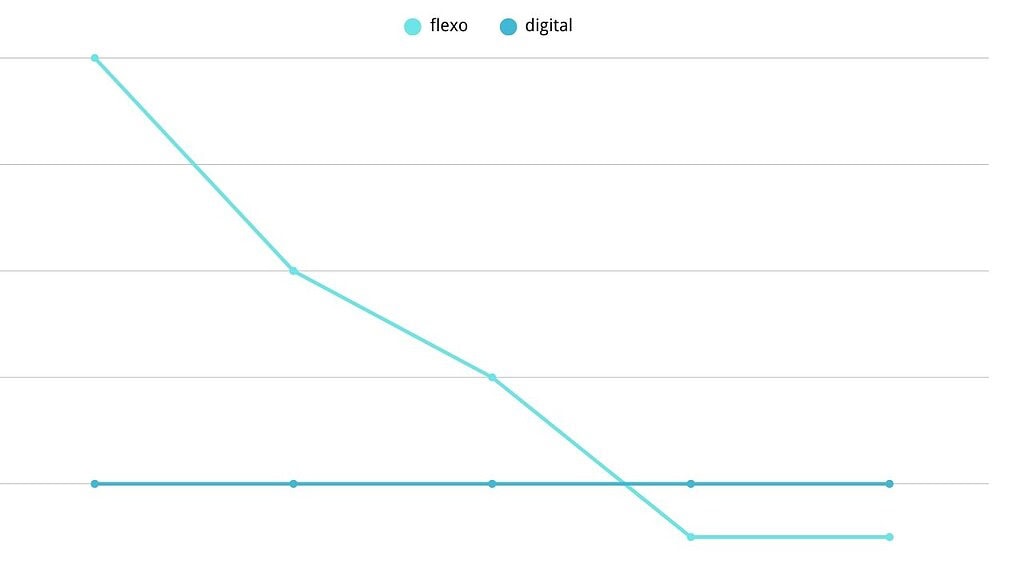
The cost crossover typically happens around 1,000-2,000 units.
Large Runs (5,000+ units) – Scaling Up
Flexo printing becomes most cost-effective for thousands of units. At 10,000 units, flexo printing often costs 50-70% less per piece than digital printing.
The shift to flexo is never a gamble. It’s a data-backed, profit-driven decision we help you calculate.
The Strategic Transition: Protecting Your Brand When Scaling Up
When it’s time to switch, our tight color management system guarantees consistency. Your packaging’s look and feel stay perfectly consistent when moving from digital to flexo.
We plan production so the transition happens before your digital inventory runs out. No disruption. No missed sales.
Production Speed and Turnaround
Digital Printing
Setup Time: Minutes. Print files upload directly to the press. No physical preparation required.
Printing Speed: Fast for small batches. Ideal for urgent orders or test runs. Ready in days, not weeks.
Perfect when you need packaging quick turnaround for product launches. Essential for seasonal campaigns with tight deadlines. Also ideal when testing market response requires immediate production capability.
Rush orders become manageable with digital printing. Upload your final artwork in the morning. Have finished packages ready for shipping within 24-48 hours.
Flexo Printing
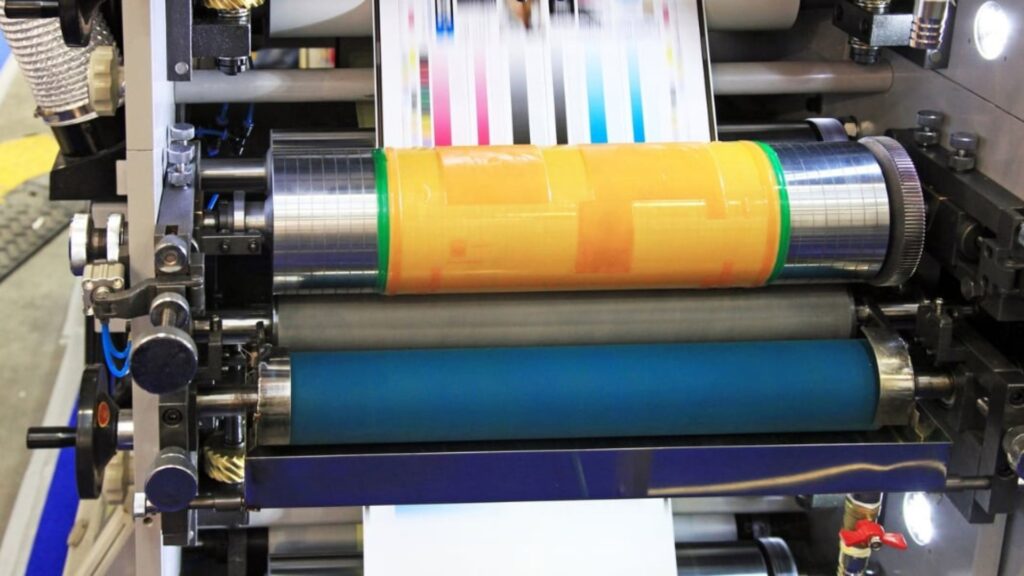
Setup Time: Longer process requiring plate mounting and press calibration. Color registration and ink matching take additional time before production begins.
Printing Speed: High speed for ongoing, large-scale orders. Once running, flexo presses produce thousands of units per hour.
Best for planned production schedules where consistent delivery matters more than immediate turnaround. Ideal when you can forecast demand and schedule production weeks in advance.
The trade-off: longer initial setup time delivers faster per-unit production once running. Perfect for established products with predictable order patterns.
FlexiCreative Capabilities: A Comparison of Flexibility and Customization
Variable Data Printing: The Key Advantage of Digital
Digital Printing
Perfect for unique content on every pack. Print individual customer names, unique QR codes, batch numbers, expiration dates, or promotional codes. Each package can be completely different without additional setup costs.
Ideal for personalized gift packaging, limited edition collections with sequential numbering, or direct-to-consumer campaigns featuring customer names.
Flexo Printing
Not practical for variable data. Each version needs a new plate. Works best when printing identical content across thousands of units.
Better suited for consistent brand messaging where every package looks exactly the same.
Substrate Versatility: Matching the Material to the Method
Digital Printing
Great for paper, coated films, and some rigid packaging. Works well with labels, folding cartons, and lightweight flexible materials.
Perfect for cosmetic boxes, food labels, and pharmaceutical packaging where substrate requirements stay within digital printing’s capabilities.
Flexo Printing
Unbeatable for flexible packaging, soft films, and corrugated cartons. Handles challenging substrates that digital printing can’t manage effectively.
Essential for snack food pouches, beverage labels, shipping boxes, and industrial packaging requiring specialized materials.
Design Iterations: The Cost and Speed of Changes
Digital Printing
Instant changes. Update your file, print the new version immediately. No penalties for design modifications.
Want to test 5 designs at once? Digital is your tool. Perfect for A/B testing different packaging concepts, seasonal variations, or market-specific customizations.
Analyzing the Environmental Footprint
Digital Printing
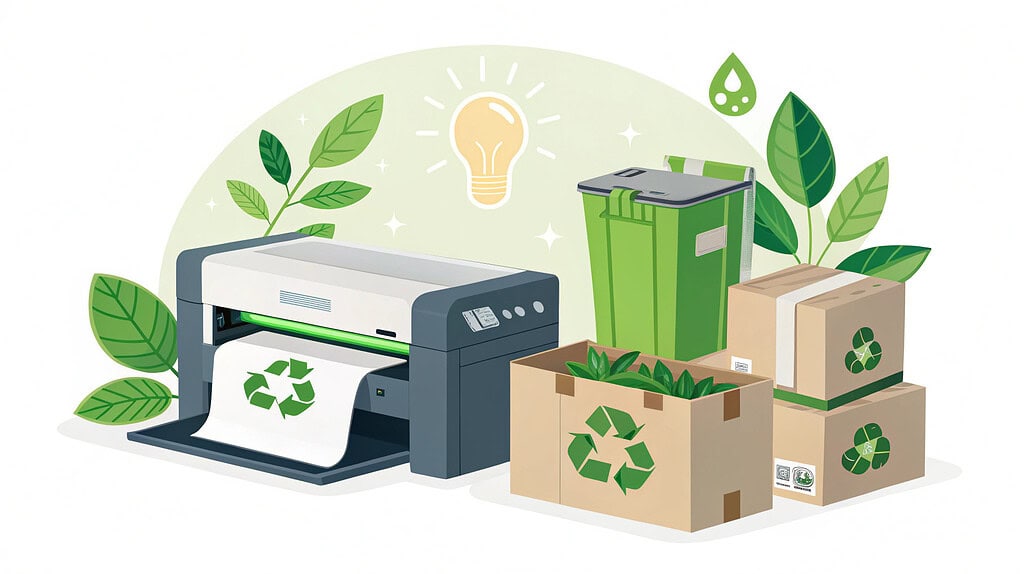
Supports eco-friendly options. Recycled materials and water-based inks available upon request.
Minimal waste during production. No plates or heavy setup materials required. Print only what you need, reducing overproduction and excess inventory.
Perfect for brands prioritizing sustainability with smaller production runs.
Flexo Printing
Also offers sustainable options. Water-based or low-VOC inks available on request for environmentally conscious brands.
Plate waste and more setup materials required initially. However, the process becomes highly efficient for large runs, reducing per-unit environmental impact at scale.
Better environmental efficiency when producing thousands of units due to optimized material usage across large volumes.
The Future of Packaging: Hybrid Solutions and Innovations
Combined Techniques
Use flexo for base color and digital for variable data. Print your brand logo and primary colors with flexo’s consistency. Add QR codes, batch numbers, or special edition text with digital precision.
Digital varnish or finishing can enhance flexo jobs. Add spot UV highlights, personalized text overlays, or premium effects without compromising base print quality.
This staged approach lets you leverage both technologies’ strengths. Consistent brand colors from flexo. Variable content flexibility from digital.
Technological Advances
New digital flexo plates and AI-driven color management make transitions smoother and faster than ever.
Advanced color matching systems ensure perfect consistency when moving between digital and flexo production. Automated plate creation reduces setup time and costs.
These innovations make hybrid solutions more practical for growing brands. Switch between technologies seamlessly as your volume requirements change.
Conclusion
Digital printing offers zero-risk market testing with instant flexibility and low minimums. Flexo printing delivers unbeatable cost efficiency and premium effects for large-scale production.
We guide you through the smart transition from digital to flexo as your business grows, protecting your cash flow early and maximizing profits later.
Ready to choose the right printing technology for your brand? Contact us today for a free consultation and cost analysis based on your specific packaging needs.
Frequently Asked Questions (FAQ) for Custom Packaging Clients
Q1: What’s the best option for small batch, custom packaging?
A: Digital printing is ideal for small runs and multiple SKUs, with fast setup, flexible quantities, and easy design changes.
Q2: Can I get a physical sample before bulk production?
A: Absolutely. We can provide digital-printed samples that accurately reflect the final product, so you can check quality and colors before confirming your order.
Q3: What happens if my order grows from 500 to 10,000 units?
A: As your volume increases, we’ll suggest switching to flexo printing to optimize cost without sacrificing quality. We ensure the transition is seamless and your brand look stays consistent.
Q4: Can you mix printing methods for one project?
A: Yes. We can use flexo for the base design and digital for variable data (like QR codes or batch numbers), achieving the best of both worlds.
Q5: Are eco-friendly inks and materials available?
A: Yes, we offer recycled substrates, water-based or low-VOC inks for both processes. Share your sustainability goals and we’ll recommend suitable options.
Q6: How do you guarantee my brand colors?
A: We use advanced color management and Pantone matching for both digital and flexo printing. Proofs and samples are available for your approval.
Q7: How quickly can you deliver my packaging?
*A:
- Digital printing: Samples and small orders can be ready in 3–7 days.
- Flexo printing: Standard runs typically ship in 10–15 days.
We’ll always confirm your timeline before production.

 English
  العربية
  Deutsch (Sie)
  Español
  Français
  日本語
日本語  한국어
한국어  Italiano