
Have you ever noticed how kraft paper seems to pop up everywhere—from shopping bags to creative DIY prHave you ever noticed how kraft paper seems to pop up everywhere–from shopping bags to creative DIY projects, and even in construction sites?
Kraft paper isn’t just about wrapping things up; it plays a big part in many industries, big and small.
Whether you run a business or just want to make smart choices as a shopper, knowing a bit more about kraft paper can really help.
In this guide, we’ll break down everything you need to know about kraft paper, including how it stacks up against regular paper. Stick around to find out what makes kraft paper so useful!
What is Kraft Paper?
1. Definition and Origins
Kraft paper is a strong type of paper mainly made from softwood trees, like pine. The word “kraft” actually comes from German and means “strength,” which tells you a lot about what makes this paper special.
It was first made in the late 1800s in Germany and quickly became popular in different industries because it was tougher than regular paper.
At first, kraft paper was mostly used for packaging and wrapping, but over time, people found even more ways to use it.
2. Composition and Key Characteristics
Kraft paper is made from long-fiber wood pulp. Usually, this pulp comes from softwood trees like pine.
Long fibers give kraft paper its strong and tear-resistant quality. Sometimes, makers add coatings to make it water-resistant. They may also treat it so it’s easier to print on.
Most kraft paper is brown. It has a natural, slightly rough feel. Some types are smooth, or even white, if they are bleached.
Thickness and strength can change, depending on how it’s made. Heavy kraft paper is used for packaging. Lighter kraft paper works well for wrapping or crafts.
Now, let’s take a quick look at how kraft paper is actually made.
The Production Process of Kraft Paper
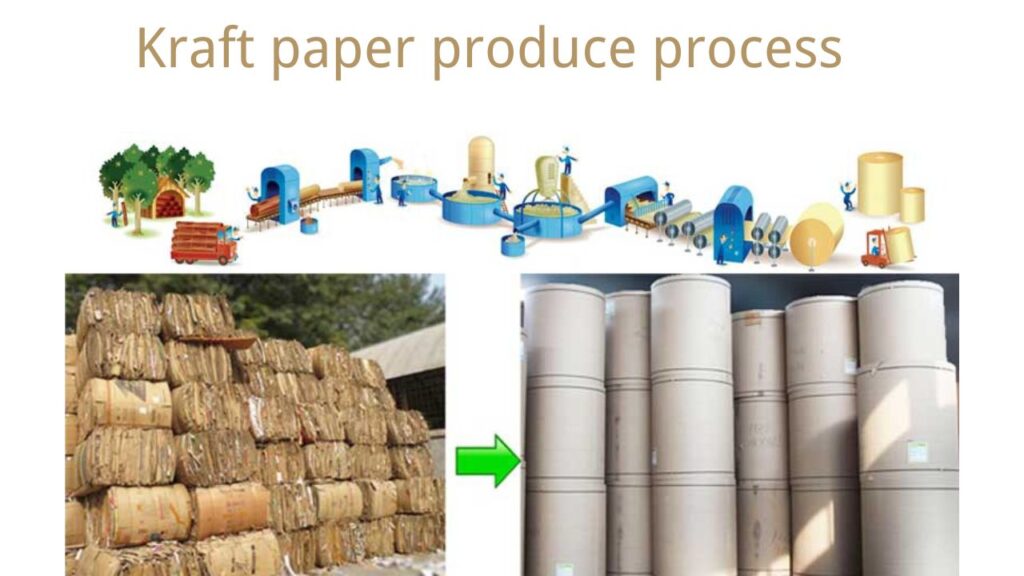
Making kraft paper starts with turning wood into pulp. Factories choose good-quality softwood, then break it down using a mix of sodium hydroxide and sodium sulfide.
This step is important–the quality of the pulp affects how strong and even the paper will be.
Next, the pulp goes onto big machines that shape it into sheets. The water is drained out, then the sheets are pressed and dried.
Sometimes, the paper gets extra treatments at the end. It might be smoothed out, coated to resist water, or even embossed with a pattern. Each step helps make kraft paper work for different needs.
Customization Options and Flexibility
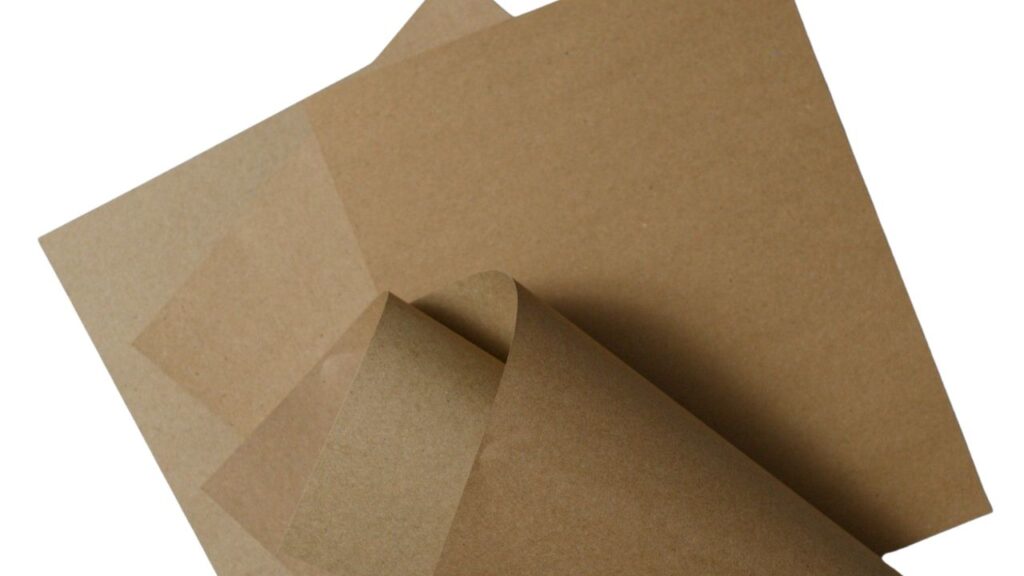
Kraft paper isn’t just strong–it’s also easy to customize for all kinds of uses.
1. Custom Sizes & Thickness:
Kraft paper can be made in lots of sizes and thicknesses. You can choose how thick or thin you need it, and pick the right size for your product.
This way, whether you’re packing something heavy or wrapping something small, there’s a kraft paper that fits just right.
2. Printing & Surface Treatments:
You can print almost anything on kraft paper–logos, colors, or patterns–using methods like offset, flexo, or digital printing.
There are also special finishes you can add, such as lamination for a shiny look, embossing for texture, or foil stamping for a bit of shine. These options help your brand stand out and make your packaging look more professional.
3. Functional Add-ons:
Kraft paper can do more than just wrap things. You can add grease-proofing for oily foods, moisture resistance for items that need to stay dry, or food-grade coatings if you’re packaging snacks.
There are even biodegradable options if you want to be more eco-friendly. This way, your packaging works better for your product and meets your needs.
Kraft Paper vs. Regular Paper
So, how does kraft paper stack up against regular paper? Let’s break it down in a simple way.
| Aspect | Kraft Paper | Regular Paper |
|---|---|---|
| Composition | Made from long-fiber wood pulp (usually softwood), making it strong and tough. | Often made from short-fiber pulp, recycled paper, or chemicals, making it smoother and lighter. |
| Strength & Durability | High tear and tensile resistance; suitable for heavy-duty applications. | Less durable and more prone to tearing; best for light-use scenarios like writing or printing. |
| Appearance & Texture | Natural brown color and rough texture, giving it a rustic look. | Wide range of colors and smooth texture, ideal for fine printing and writing. |
| Water Resistance | Can be treated for good water resistance. | Generally more absorbent and less resistant to moisture. |
Diverse Applications of Kraft Paper
Kraft paper’s versatility makes it a standout material across a wide range of industries.
From its strength and durability to its rustic aesthetic, kraft paper has found its way into packaging, arts, crafts, and even industrial and construction uses.
1. Packaging Industry
Kraft paper is a staple material in the packaging industry. Its strength, versatility, and eco-friendly nature make it ideal for various uses.
From daily necessities to luxury packaging, kraft paper offers durability and aesthetic appeal. Below are its key applications:
Daily and Shipping Packaging
Kraft paper is widely used for everyday and shipping needs. Its toughness ensures products are well-protected during transportation.
Grocery Bags: Durable kraft paper bags can carry heavy items without tearing. They are reusable, recyclable, and biodegradable, making them a sustainable choice.
Shipping Envelopes: Kraft paper envelopes are ideal for mailing documents and small goods. Their flexibility and tear resistance ensure items remain safe in transit.
Cardboard Boxes: Corrugated kraft paper is the backbone of shipping boxes. It provides excellent strength, ensuring products remain intact even in harsh conditions.
Food Packaging
Kraft paper is highly valued for food packaging. Its natural properties make it safe and functional.
Fresh Produce: Breathable kraft paper helps keep fruits and vegetables fresh by reducing moisture buildup.
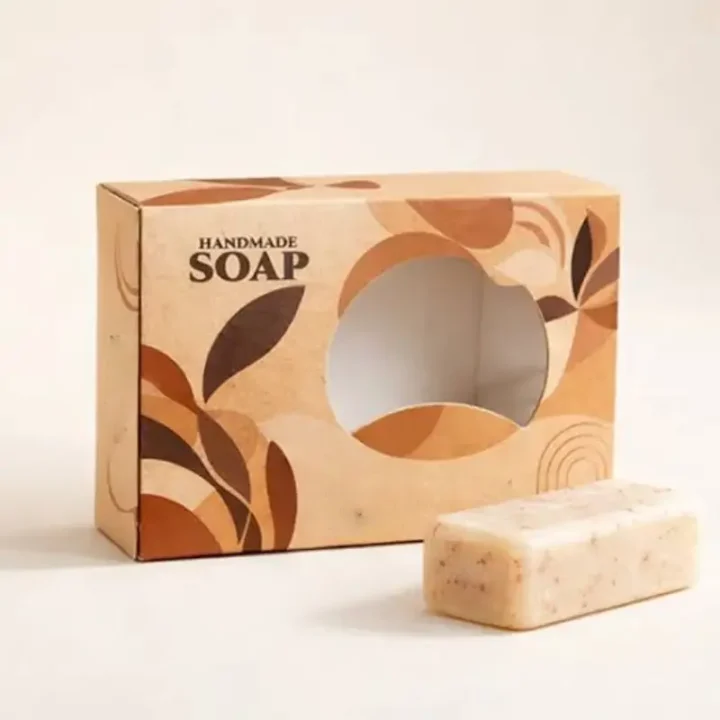
Baked Goods: Kraft paper wraps are perfect for bread, pastries, and baked items. They balance moisture resistance with a rustic, appealing appearance.
Food-Safe Coatings: With food-grade or grease-resistant coatings, kraft paper becomes ideal for oily or moisture-heavy foods.
Luxury Packaging
Kraft paper is increasingly used in premium and luxury packaging. Its sustainable appeal and unique texture align with modern branding.
Elegant Aesthetics: Kraft paper can be enhanced with embossing, foil stamping, or lamination. These finishes create a refined, sophisticated look.
Eco-Friendly Branding: Luxury brands often use kraft paper to showcase their commitment to sustainability. It appeals to environmentally conscious consumers.
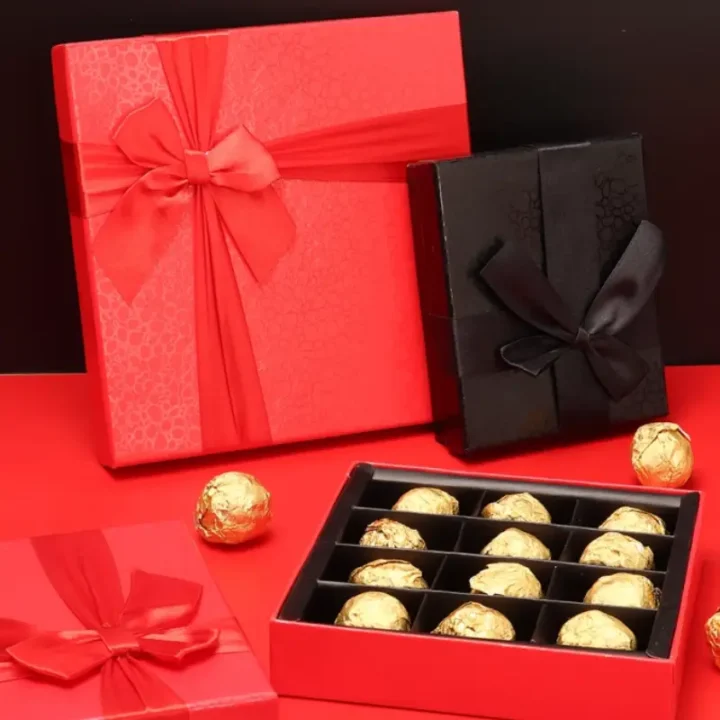
Custom Designs: Kraft paper works well with ribbons, inserts, and metallic accents. These elements enhance the unboxing experience, making it ideal for gift boxes and exclusive products.
Kraft paper packaging combines strength, functionality, and sustainability. Its adaptability makes it a preferred choice across industries, from everyday use to high-end branding.
2. Arts and Crafts
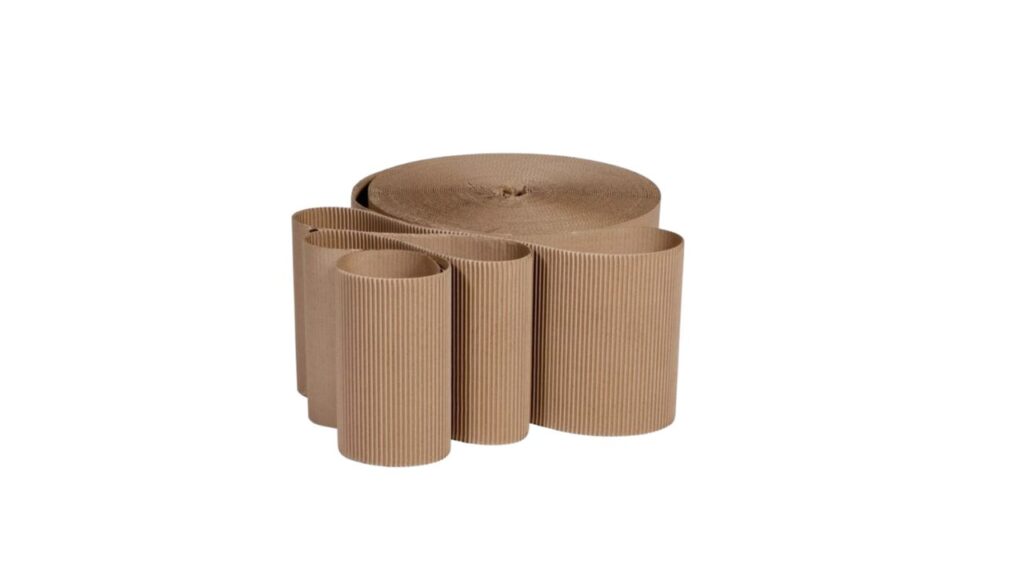
Kraft paper is a favorite material in the world of arts and crafts. Its natural texture, durability, and versatility make it ideal for a wide range of creative projects.
Whether for professional artists or hobbyists, kraft paper adds a distinctive touch to handmade creations. Below are its key uses in this space:
Handmade Cards and Invitations
Kraft paper is widely used for crafting personalized cards. Its rustic and organic look creates a warm, handmade feel.
Perfect for wedding invitations, thank-you cards, and seasonal greetings.
Works well with embellishments like stamps, calligraphy, and dried flowers.
The sturdy surface ensures compatibility with markers, paints, and other decorative tools.
Scrapbooking
Kraft paper is a popular choice for scrapbooking enthusiasts. Its neutral tone complements photographs and embellishments while adding a vintage charm.
Serves as a durable base for layering various materials.
Its rough texture provides a contrast to glossy photos or metallic accents.
Can be cut, folded, or embossed to create unique layouts.
Paper-Mache and Sculptures
Artists often use kraft paper for paper-mache projects. Its strength and flexibility make it easy to mold into various shapes.
Ideal for creating lightweight sculptures, masks, and props.
Absorbs glue and paint evenly, ensuring a smooth finish.
The affordability of kraft paper makes it accessible for large-scale projects.
Unique Textures and Appearance
Kraft paper stands out because of its natural beauty. Its earthy brown tone and coarse texture give projects a raw, authentic look.
Adds depth and character to drawings and mixed-media artwork.
Can be crumpled, torn, or layered to create interesting effects.
Suitable for both minimalist designs and highly detailed creations.
Kraft paper’s flexibility and aesthetic qualities make it a must-have for arts and crafts. Its rustic charm and ability to adapt to diverse creative needs continue to inspire artists and crafters alike.
3. Industrial and Construction Uses
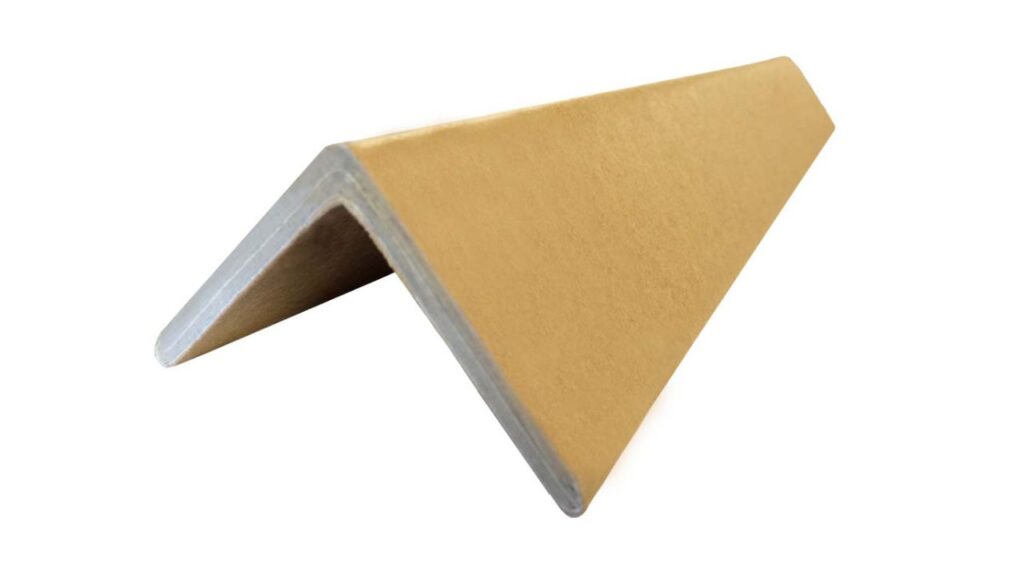
Kraft paper is a vital material in industrial and construction applications. Its strength, durability, and adaptability make it suitable for protecting materials and enhancing building processes.
Below are its key uses in these sectors:
Industrial Uses
In the industrial sector, kraft paper is valued for its protective and functional properties.
Component Protection: Kraft paper is often used as a separator between delicate or fragile components. It prevents scratches, abrasions, and damage during storage or transportation.
Metal Wrapping: Its moisture-resistant variants are used to wrap metal parts, minimizing the risk of corrosion.
Industrial Packaging: Kraft paper is used for heavy-duty wrapping of equipment, machinery, or bulk goods, ensuring they remain secure during transit.
Masking in Manufacturing: During processes like painting or surface treatments, kraft paper acts as a masking layer to protect surrounding areas.
Construction Uses
In construction, kraft paper serves as a functional material for moisture control and structural support.
Vapor Barrier: It prevents moisture from seeping into walls, ceilings, or floors. This helps reduce the risk of mold and structural damage.
Insulation Backing: Kraft paper is often attached to fiberglass insulation. It improves moisture resistance and makes installation easier.
Underlayment: It is placed beneath flooring to create a smooth surface. It also reduces noise and provides a layer of protection.
Concrete Curing: Kraft paper is used to cover curing concrete. It retains moisture, ensuring proper hardening and preventing cracks.
Kraft Paper and Sustainability
Beyond its versatility and strength, kraft paper’s true value lies in its alignment with sustainability goals in an increasingly eco-conscious world.
1. Environmental Benefits
Kraft paper is widely regarded as an eco-friendly material, thanks to its renewable sourcing and recyclability. Its production process and end-of-life options make it a sustainable choice for businesses and consumers.
Renewable Raw Materials: Kraft paper is primarily made from wood pulp, sourced from softwood trees like pine. These trees grow relatively quickly and are often harvested from responsibly managed forests.
Recyclability and Biodegradability: Kraft paper is fully recyclable and biodegradable. Even if disposed of improperly, it breaks down naturally without leaving harmful residues in the environment.
Energy Efficiency: The kraft pulping process is more energy-efficient compared to other methods. It allows for the recovery and reuse of chemicals, reducing waste and energy consumption.
Certifications for Sustainability: Many kraft paper products carry certifications like the Forest Stewardship Council (FSC). These certifications ensure that the wood used comes from sustainably managed forests, supporting environmental conservation and ethical forestry practices.
Conclusion
In conclusion, kraft paper stands out for its strength, versatility, and eco-friendly benefits, making it the preferred choice in many industries.
At Letai, we are dedicated to providing high-quality, customizable kraft paper solutions to meet your unique needs.Whether you’re looking for packaging, printing, or creative applications, Letai is here to help you find the perfect kraft paper product.
Choose sustainability and reliability–let’s work together for a greener future. Contact Letai today and let us become your trusted kraft paper partner!
 English
  العربية
  Deutsch (Sie)
  Español
  Français
  日本語
日本語  한국어
한국어  Italiano