
Core Definitions of Matte vs Gloss Lamination
Lamination is a process that bonds a thin plastic film to printed materials. This plastic film might be made from polypropylene or PET (polyethylene terephthalate). The goal is to make your printed pieces stronger, protect them better, and make them look more appealing.
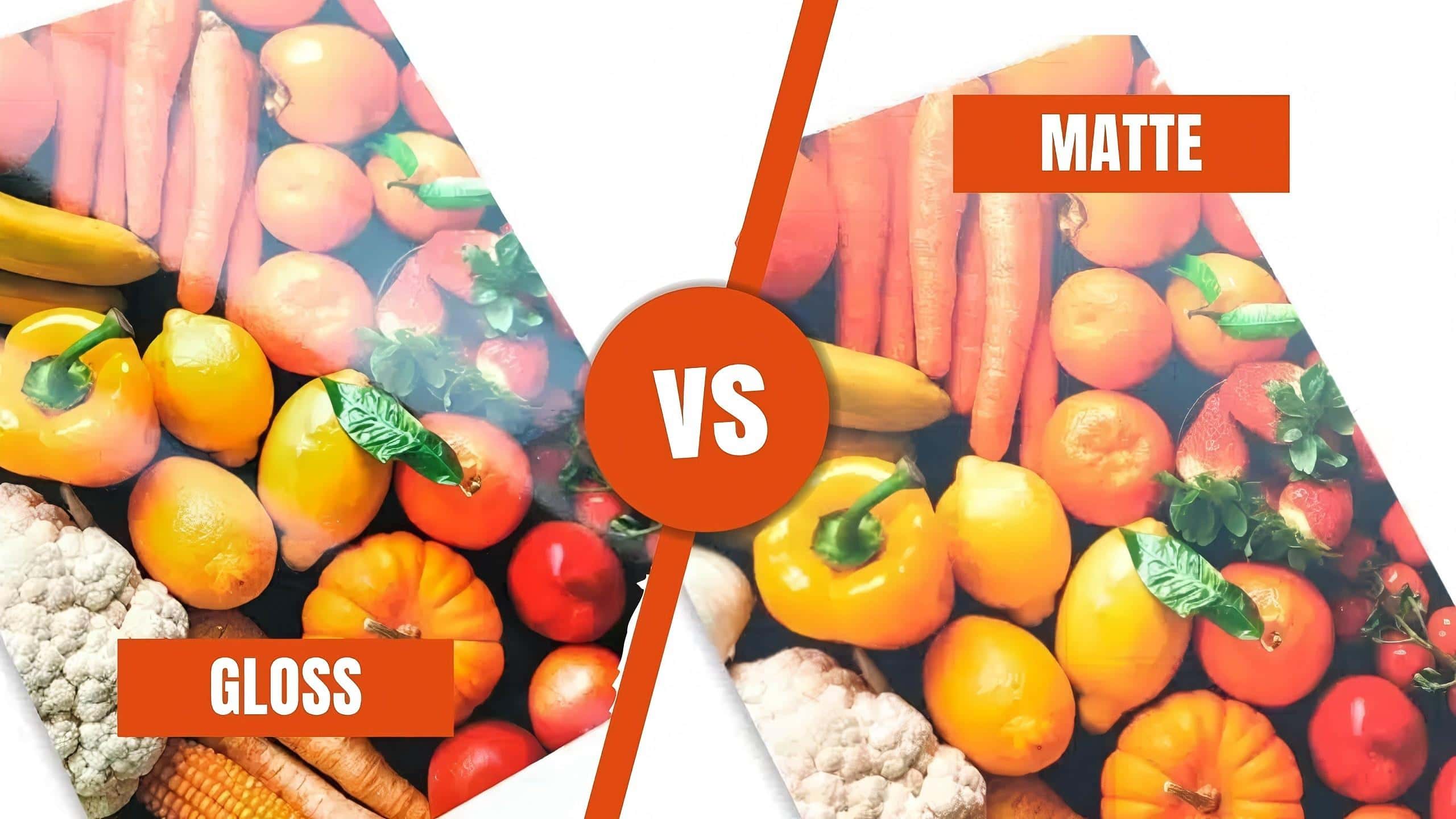
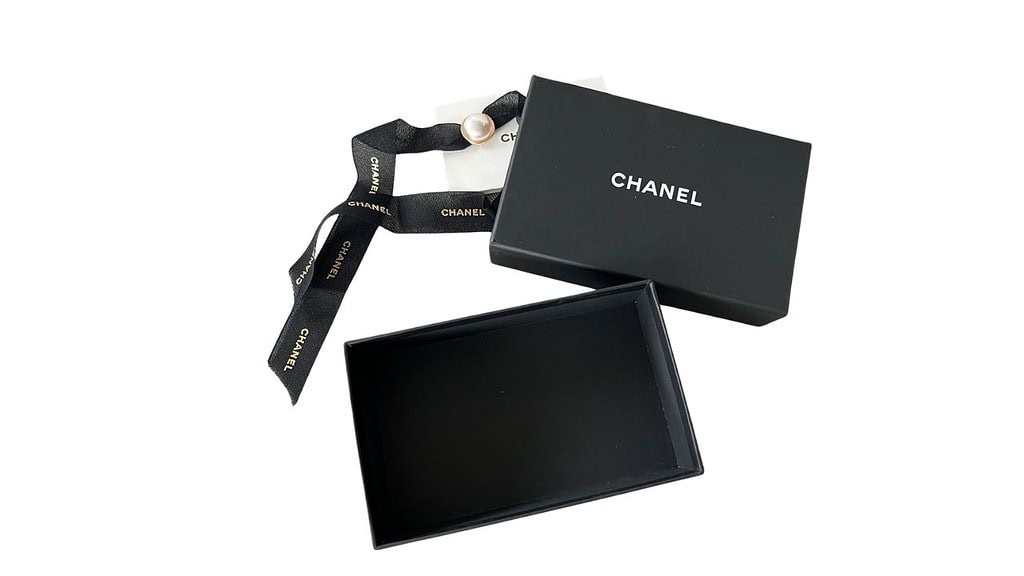
Matte lamination uses a non-reflective, textured plastic film. This finish reduces glare and creates a soft, muted look. When you touch it, the surface feels smooth but not slippery.
Gloss lamination uses a highly reflective, smooth plastic film. This finish makes colors look more intense and creates a shiny surface. Everything appears brighter and more vivid under gloss lamination.
The main difference is simple: matte feels soft and reduces glare, while gloss makes colors pop and adds shine.
Core Purpose
Both matte and gloss lamination protect your printed materials from scratches, moisture, and everyday wear. The plastic layer acts like a shield for your prints.
However, they create very different experiences. Matte lamination is elegant and hides fingerprints and small marks. Gloss lamination is bright and eye-catching, making everything look more vibrant.
The real decision comes down to the look and feel you want to create for your audience.
Matte vs. Gloss Lamination: Quick Comparison
| Need/Scenario | Matte Lamination | Gloss Lamination |
|---|---|---|
| Glare-free readability | ✔✔ Best | ✖ Prone to glare |
| Color vibrancy | ✖ Softer | ✔✔ Most vibrant |
| Hides fingerprints | ✔✔ Best | ✖ Shows smudges |
| Water/scratch resistance | ✔ Good | ✔✔ Best |
| Luxury, vintage, organic | ✔✔ Best | ✖ |
| Modern, playful, bold | ✖ | ✔✔ Best |
| Writeability | ✖ (not recommended) | ✖ (not recommended) |
| Sustainability | ✔ Ask for options | ✔ Ask for options |
Visual and Aesthetic Impact
1. Color and Image Performance
Each lamination type changes how your colors and images look in completely different ways.
Matte lamination softens colors to create an elegant, understated look. Think of how colors look softer and more refined – like looking at artwork through frosted glass. This finish also reduces glare, which means text and images stay readable under all kinds of lighting.
You won’t get annoying reflections when someone tilts the paper or stands under bright lights. This makes matte lamination great for text-heavy materials, vintage designs, or luxury packaging where you want a sophisticated feel.
Gloss lamination does the opposite – it boosts color vibrancy and contrast for bold visuals. Colors become more intense and photos look more striking.
It’s like turning up the brightness and saturation on a TV screen. However, gloss can create glare under bright lights, which might make reading harder in some situations. This finish works perfectly for image-heavy materials or high-energy designs where you want maximum visual impact.
2. Design Compatibility
Different design styles work better with different lamination finishes.
Matte lamination fits perfectly with minimalist designs, natural themes, or luxury packaging. The soft, non-reflective surface matches clean, simple layouts and premium brand positioning.
Matte also works excellently with embossing or debossing because the textured surface enhances these tactile effects. You can feel the raised or sunken areas more clearly on matte surfaces.
Gloss lamination shines with modern designs, playful layouts, or retail materials. The bright, reflective surface matches energetic brands and contemporary styles. Gloss pairs wonderfully with spot UV coating or foil stamping because these special effects create extra shine and depth that really pop on the glossy surface.
Think of it this way: matte feels premium and natural, like high-end stationery or luxury product packaging. Gloss feels energetic and modern, like magazine covers or promotional materials.
Match your lamination finish to your brand personality and design goals for the best results.
Protection & Practicality: How Matte and Gloss Lamination Perform
1. Protection Capabilities
Both finishes protect your materials, but they handle different challenges better.
Matte lamination excels at hiding fingerprints and smudges. When people touch matte surfaces, marks don’t show up as easily because of the textured, non-reflective finish. It also resists light spills reasonably well. However, matte is less water-resistant than gloss and less scratch resistant. With heavy use, you might start to see wear marks on the surface.
Gloss lamination has the opposite strengths and weaknesses. It shows fingerprints easily because the smooth, shiny surface makes every mark visible. But here’s the good news – those marks wipe clean much easier than on other surfaces.
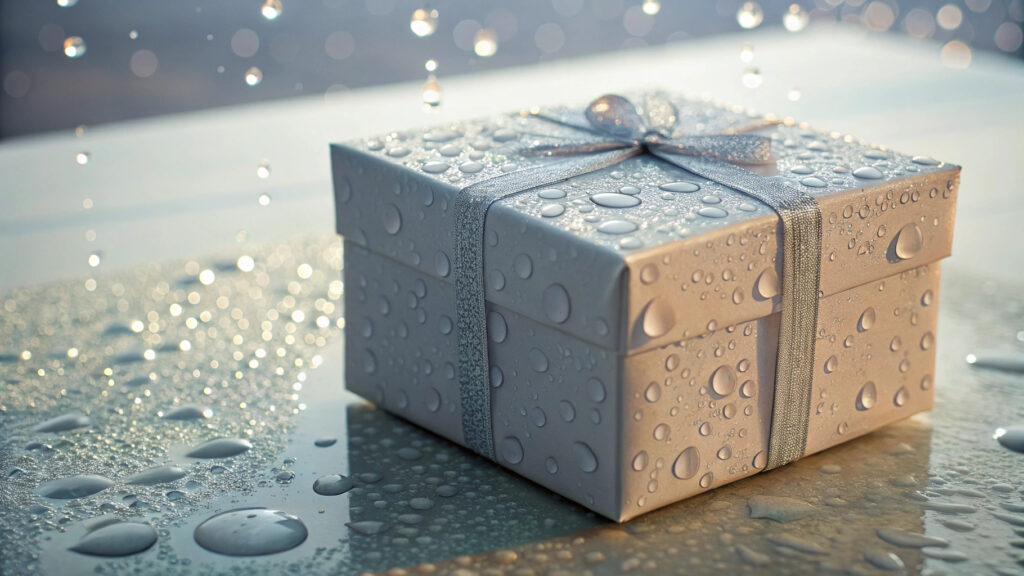
Gloss offers excellent water and scratch resistance, making it ideal for tough environments where materials get handled roughly or exposed to moisture.
The choice depends on your priorities: matte hides marks but shows wear over time, while gloss resists scratches and water but shows every fingerprint. Choose based on how people will handle your materials and what environment they’ll be used in.
2. Practical Usability
Think about how people will actually use your laminated materials.
Matte lamination works great for high-touch items like restaurant menus, business cards, or instruction sheets. Since marks are less visible, these items still look clean even after lots of handling. Matte is also ideal for glare-free readability in bright spaces like offices with fluorescent lights or outdoor areas with direct sunlight.
Gloss lamination is perfect for items that need to stand out visually, like product labels, promotional flyers, or point-of-sale displays. The shiny surface catches light and draws attention. Gloss is also the best choice for moisture-prone environments or outdoor uses where materials might get wet or face harsh conditions.
The decision is straightforward: matte is practical for frequent handling where you want things to look clean and be easy to read. Gloss shines for maximum visual impact and situations where you need serious protection from water and scratches.
Choosing the Right Tool: Ideal Applications for Matte and Gloss Lamination
1. Matte Lamination Use Cases

Matte lamination works best when you want to create an upscale, sophisticated, or natural impression.
Luxury packaging relies heavily on matte finishes. Cosmetics boxes and perfume cases use matte lamination to create that exclusive, high-end look that suggests premium quality. The soft, non-reflective surface feels expensive and refined in customers’ hands.
Stationery items benefit from matte’s practical advantages. Business cards with matte lamination resist smudges and look professional even after being handled frequently. Notebooks and planners use matte finishes because they don’t create glare when people write or read under different lighting conditions.
Printed materials like books and reports choose matte lamination for readability. The non-reflective surface means people can read comfortably under fluorescent office lights, bright desk lamps, or near windows without annoying glare.
Food packaging for organic and artisanal products often uses matte lamination to reinforce the natural, premium brand image. The soft finish suggests quality ingredients and careful craftsmanship.
Matte is the go-to choice for luxury, natural, and professional products where you want to convey sophistication and quality.
2. Gloss Lamination Use Cases
Gloss lamination dominates when you need maximum visual impact and serious protection.
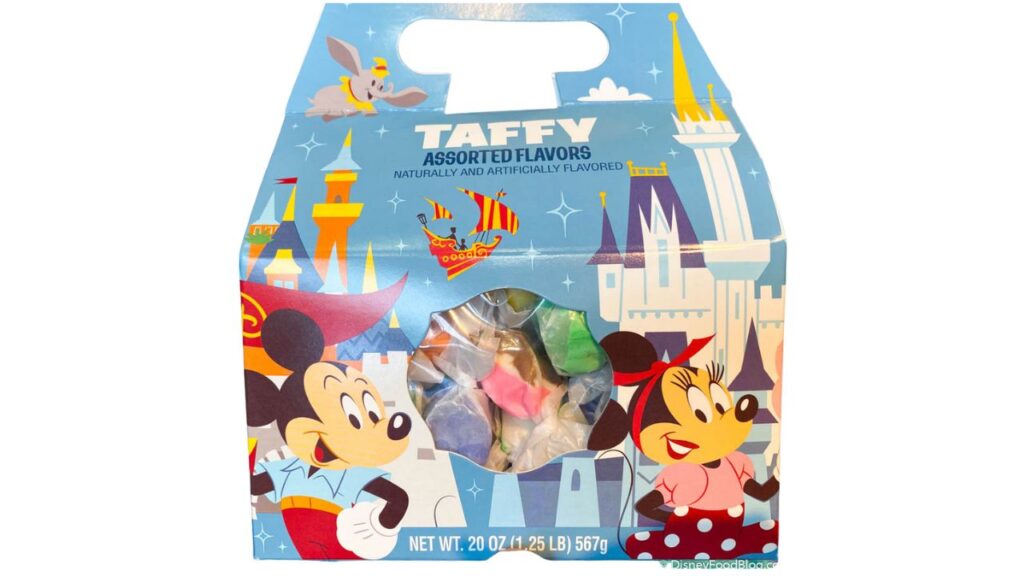
Retail packaging uses gloss to make products jump off the shelf. Toy boxes with gloss lamination make colors look incredibly vibrant and exciting to kids and parents. Snack bags use gloss to make food photography look appetizing and to protect the packaging from handling in stores.
Marketing materials almost always benefit from gloss lamination. Posters need that extra color pop to grab attention from across a room. Brochures use gloss to make product photos look professional and appealing. Point-of-purchase displays rely on gloss to create eye-catching graphics that drive sales.
Outdoor materials like banners and signs choose gloss for its water-resistant properties and bold graphics that stay visible in bright sunlight. The protective coating helps these materials last longer in harsh weather conditions.
Industrial applications use gloss lamination for stickers and tags that need to be scratch-resistant and long-lasting. Warehouse labels, shipping tags, and equipment stickers all benefit from gloss’s superior durability.
Gloss wins in situations where bright colors, shine, and toughness are essential for success.
The Bottom Line: Analyzing Cost and Key Limitations
1. Cost Comparison
Good news for your budget – both matte and gloss lamination cost almost the same amount.
Both finishes have similar material costs, though matte can be 5 to 10 percent more in some markets due to the special texturing process needed to create the non-reflective surface. However, this small difference rarely affects project budgets significantly.
The total cost depends much more on film thickness and lamination method than on whether you choose matte or gloss. Thicker films cost more regardless of finish type. Large commercial lamination runs cost less per piece than small desktop jobs, again regardless of the finish.
2. Limitations
Every finish has trade-offs, so understanding the downsides helps you make better choices.
Matte lamination limitations center on visual impact. Colors become subtler and may mute bright graphics that were designed to be bold and attention-grabbing.
The textured surface can also blur fine details or make small text harder to read clearly. If your design relies on sharp, crisp details or vibrant colors, matte might work against you.
Gloss lamination creates different problems. Glare can reduce readability when people try to read materials in direct sunlight or under bright lights. The shiny surface also shows fingerprints and smudges easily, which means glossy materials need regular cleaning to look their best.
Conclusion
Ultimately, the choice between matte and gloss lamination is more than just a finishing touch; it’s a strategic decision that shapes your brand’s voice and your product’s first impression.
Understanding how each finish affects color, durability, and feel empowers you to create a final piece that doesn’t just protect, but also persuades and captivates.
Ready to See the Difference for Yourself?
Theory is one thing, but the true test is in your hands. If you’re still weighing the options, let the experts at Letai help. Contact us today to request complimentary matte and gloss samples, and let’s work together to ensure your final product looks and feels exactly as you envisioned.

 English
  العربية
  Deutsch (Sie)
  Español
  Français
  日本語
日本語  한국어
한국어  Italiano