
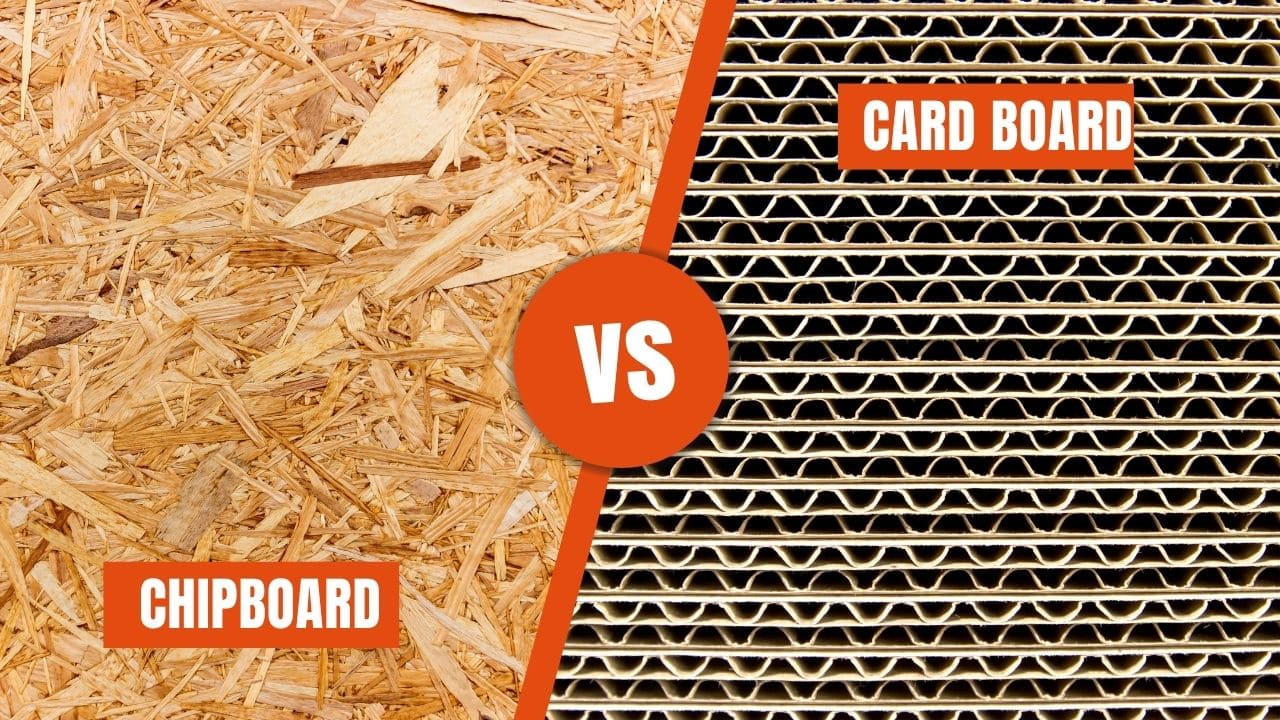
Walk into any store. You’re surrounded by dozens of boxes, packages, and displays. Most people call it all “cardboard.” But there’s actually a big difference between what you’re looking at. Some packages are made from chipboard. Others from cardboard. Choosing the wrong one for your product could cost you money. Or hurt your brand image.
Importance of the Chipboard vs cardboard
The difference between chipboard and cardboard isn’t just technical jargon. It matters for your bottom line. These two materials show up everywhere. In packaging, printing, and manufacturing. From the cereal box on your breakfast table to the shipping box that brought your latest online order.
Industries like retail, food, and logistics rely on both materials daily. But each serves different purposes. The material you choose affects three key things. Cost, durability, and how well your product works.
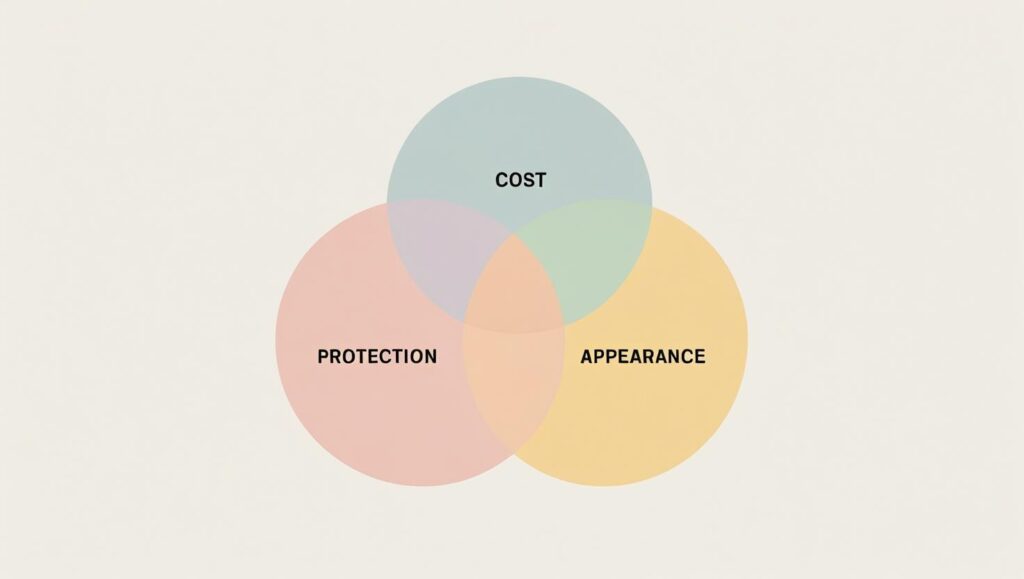
For custom packaging clients, getting this choice right is crucial. You need to find the sweet spot between appearance, cost, and protection. Pick chipboard when you should use cardboard? Your product might arrive damaged. Choose cardboard when chipboard would work fine? You’re throwing money away on unnecessary strength.
Objective of the Guide
This guide breaks down everything you need to know. What chipboard and cardboard are. How they’re different. When to use each one. We’ll give you a detailed look at definitions, key features, real-world uses, and the main differences.
By the time you finish reading, you’ll know exactly which material works for you. Which one fits your product. Which matches your brand goals. Which stays within your budget. No more guessing. No more hoping you made the right choice.
Fundamental Definitions and Core Characteristics
- Chipboard
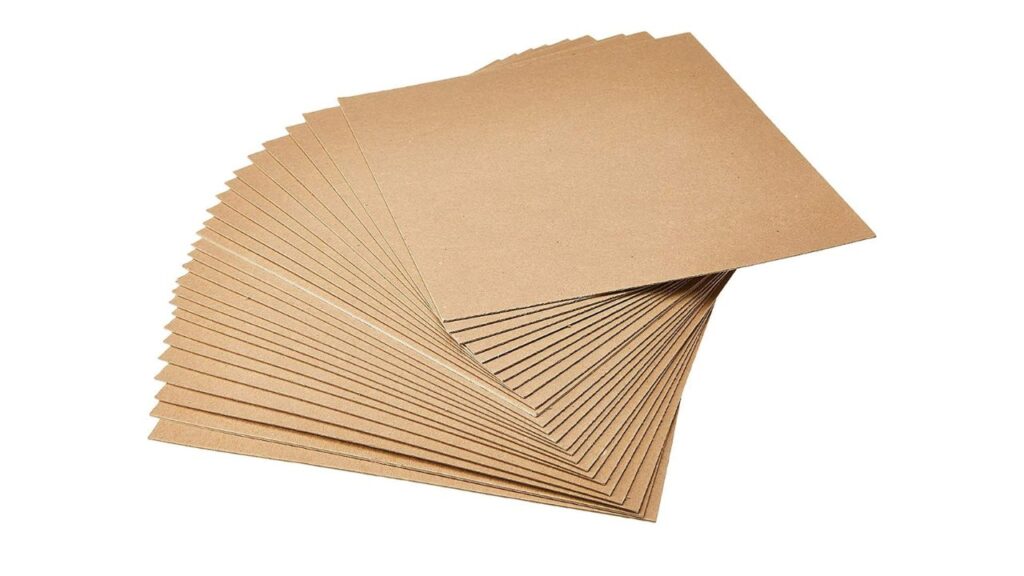
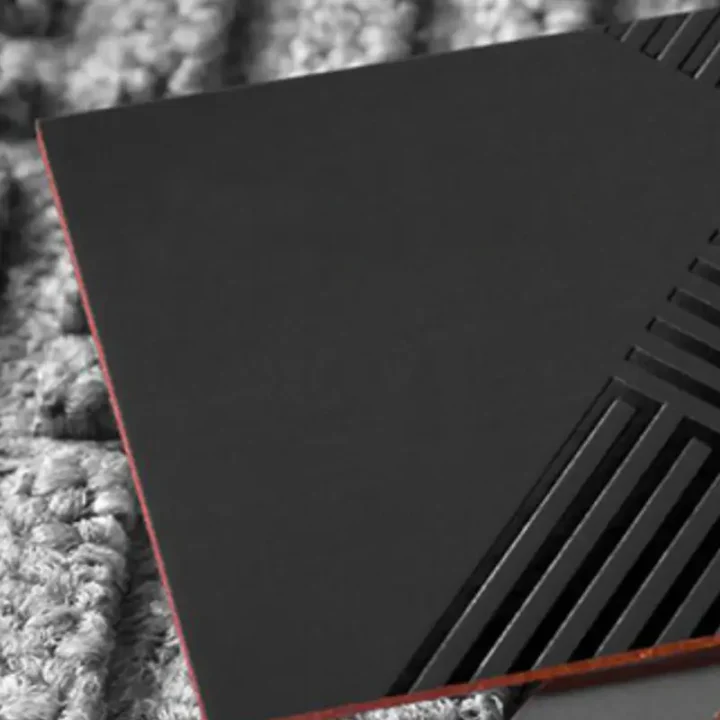
Definition: Chipboard is a dense, rigid paperboard made from wood pulp or recycled fibers. It’s typically uncoated and non-corrugated. Think of it as a solid, flat sheet of compressed material.
Composition: The manufacturing process is straightforward. Manufacturers take wood fibers or recycled paper materials. Then they press these fibers together under high pressure. This creates a solid, compact sheet. No air pockets. No layers. Just one dense piece of material.
Key Traits: Chipboard has three main characteristics that set it apart. First, it’s rigid but not corrugated. This means it’s stiff and holds its shape well. But it doesn’t have the wavy middle layer you see in shipping boxes.
Second, it has a smooth surface. This makes it great for printing. You can get clean, sharp text and images. Colors look good on chipboard. But here’s the catch – it’s not moisture resistant. Water can damage it quickly.
Third, chipboard is what we call “thin but strong.” It’s not thick like shipping cardboard. But it can still hold its shape and support reasonable weight.
Real-World Applications: You see chipboard everywhere, even if you don’t realize it. Gift boxes use chipboard. Book covers rely on it. Cereal boxes are often made from chipboard. Product packaging for electronics frequently uses it too.
But chipboard isn’t meant for demanding shipping. It works great when products don’t face rough handling. When they stay dry. When they don’t need to survive being dropped or crushed. That’s where chipboard shines.
Want to see premium gift boxes made with chipboard? Check out our [Custom Chipboard Gift Box Case Studies]
- Cardboard
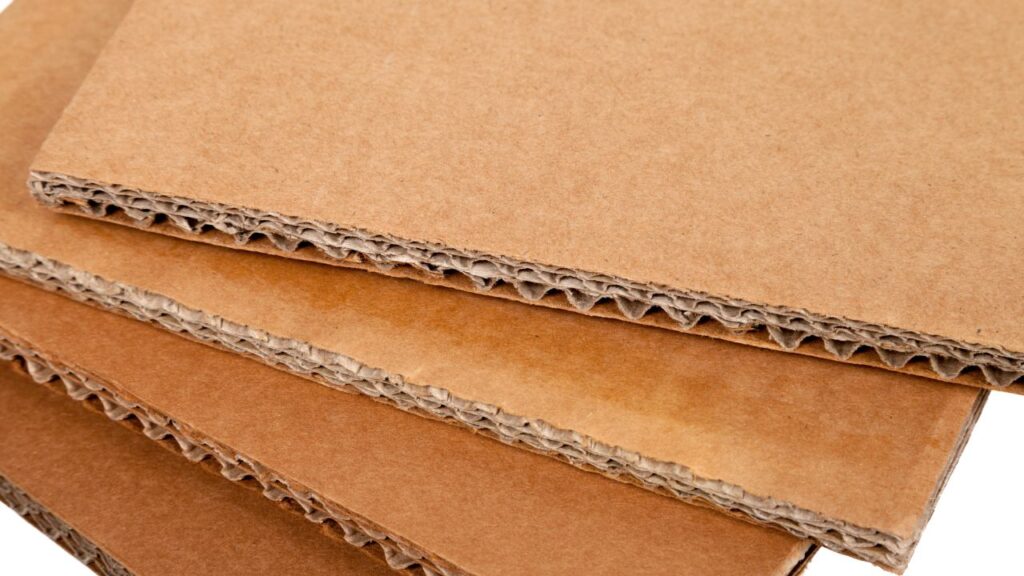
Definition: Cardboard is a broad term for heavy-duty paper-based materials. Most of the time, it’s corrugated for extra strength. When people say “cardboard,” they usually mean the thick, sturdy material used for shipping boxes.
Composition: Corrugated cardboard is built like a sandwich. It has multiple layers working together. The outside layers are flat sheets. The middle layer is fluted – that’s the wavy, zigzag core you see when you look at the edge of a box. These layers get glued together to create one strong piece.
The fluted core is what makes cardboard special. Those waves act like tiny pillars. They give the material its strength without adding much weight. More layers mean stronger cardboard. Some heavy-duty boxes have double or triple walls.
Key Traits: Cardboard gets its power from that corrugated structure. The wavy middle layer creates structural rigidity. It can handle much more weight and impact than flat materials. Stack boxes on top of each other? Cardboard handles it. Drop a package? The corrugation absorbs the shock.
Many cardboard types can also be coated for moisture resistance. This makes them useful for food packaging or shipping in wet conditions. The coating creates a barrier that chipboard simply can’t match.
Real-World Applications: Cardboard is what most people imagine when they think of shipping boxes. Thick and protective. Strong enough to survive rough handling by delivery services. Amazon boxes, moving boxes, appliance packaging – that’s all corrugated cardboard.
You’ll also find cardboard in types of corrugated flutes that vary based on what needs protection. Heavy items need thicker cardboard. Delicate electronics need different flute patterns than books or clothing.
.
Side-by-Side Comparison
| Aspect | Chipboard | Cardboard (Corrugated) |
| Structure | Solid, non-corrugated single layer | Multi-layer, with a fluted core |
| Thickness/Density | Thin but strong; good for display | Thicker, with wavy layers for strength |
| Strength | Rigid, but lacks shock absorption | Excellent strength and shock absorption |
| Moisture Resistance | Poor (unless laminated) | Moderate to high (can be coated) |
| Weight | Lightweight | Heavier, ideal for heavy loads |
| Cost | Lower (simple structure) | Higher (more materials, more durable) |
| Printability | Smooth, ideal for detailed printing | Textured, best for bold designs |
Applications and Use Cases
- Chipboard Applications
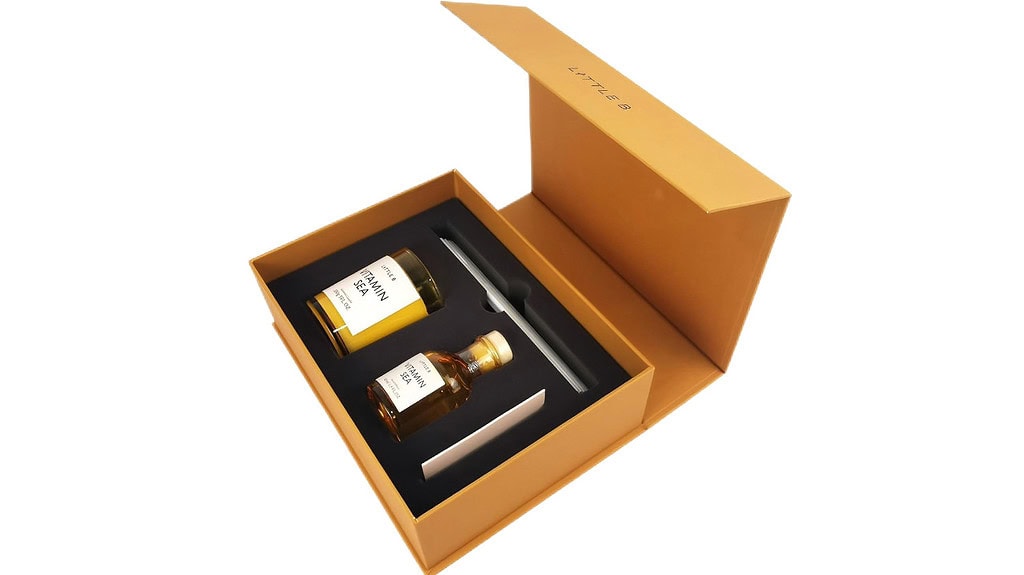
- Packaging: Chipboard shines in custom luxury gift boxes and folding cartons for light products. Think jewelry boxes, phone case packaging, or custom cosmetic boxes. The smooth surface looks professional and premium. But it only works when the product inside is lightweight and won’t face rough handling.
- Printing: High-end printed items love chipboard. Business cards, book covers, and presentation folders all use it. The flat, smooth surface takes ink beautifully. Colors stay sharp and vibrant. Text comes out crisp and clean. That’s why premium brands choose chipboard when appearance matters most.
- Crafts: Chipboard is a crafter’s dream. It’s easy to cut with basic tools. Great for making models, prototypes, and DIY projects. Art students use it for mounting work. Hobbyists rely on it for scrapbooking and card making.
- The Sweet Spot: Chipboard is perfect for lightweight packaging and products needing a premium printed appearance. When your brand image depends on looking polished and professional, chipboard delivers. Just don’t expect it to survive a cross-country shipping journey.
- Cardboard Applications
- Heavy-duty Packaging: Shipping boxes and pallet containers are cardboard’s bread and butter. When packages need to travel long distances, get stacked high, or survive rough handling, cardboard steps up. It’s built for the real world of logistics and shipping.
- Industrial Uses: Electronics packaging and machinery shipping rely heavily on cardboard. These products are expensive and can’t afford damage. The corrugated structure provides the cushioning and strength needed to protect valuable items during transport.
- Retail Display: Shelf-ready packaging and point-of-purchase displays use cardboard’s strength advantage. Store employees can handle these packages roughly. Customers can pick them up and put them down repeatedly. The material holds up to constant use.
- Protective Solutions: Custom presentation boxes and dividers often use cardboard when they need extra durability. Internal separators, custom inserts, and product organizers all benefit from cardboard’s structural strength.
- The Bottom Line: Cardboard is best for shipping, stacking, and protecting heavy or fragile items. When failure isn’t an option and your product needs to arrive in perfect condition, cardboard is your reliable choice.
Strengths and Limitations
Chipboard
Advantages: Chipboard brings three major benefits to the table. First, it’s cost-effective. You get professional-looking packaging without breaking your budget. Second, it’s easy to print on. The smooth surface takes colors beautifully and text stays sharp. Third, it’s recyclable. Your customers can toss it in their recycling bin without guilt.
Limitations: But chipboard has clear weaknesses. Poor moisture resistance tops the list. A little water can ruin the whole package. It’s also not built for heavy items or long-distance shipping. The material simply can’t handle the stress of rough handling or weight.
Best Use: Chipboard works perfectly for decorative packaging or retail products that won’t face rough handling. Think custom retail packaging that goes straight from shelf to customer’s hands. Or luxury product boxes that create a premium unboxing experience.
Need a quick quote and material sample comparison? Request our [Chipboard vs Cardboard Budget & Sample Pack].
Cardboard
Advantages: Cardboard delivers where chipboard falls short. It’s strong enough to handle heavy products. The corrugated structure absorbs shocks and impacts. You can customize it for specific protection needs. And like chipboard, it’s fully recyclable.
Limitations: This strength comes with trade-offs. Higher cost is the biggest one. Cardboard also takes up more space and weighs more. That affects shipping costs and storage requirements.
Best Use: Cardboard is essential when your priority is protection. Especially during transport and storage. When your product absolutely must arrive undamaged, cardboard is worth the extra cost.
Key Considerations for Selection
Project Requirements
Start with the basics. How much does your product weigh? Is it fragile? Will boxes need to stack on top of each other? How far will packages travel? These factors determine whether you need chipboard’s elegance or cardboard’s strength.
Brand and Display Needs
Think about where customers first see your product. Is it on a store shelf or arriving at their door? Premium brands often choose custom luxury packaging regardless of protection needs. Mass market products focus more on cost efficiency.
Moisture Exposure
Will your packaging face humidity, rain, or condensation? Choose moisture-resistant packaging solutions or lamination if needed. This single factor can eliminate chipboard from consideration entirely.
Cost Analysis
Chipboard works great for small batches and visual appeal. Cardboard makes sense for volume production and maximum protection. Calculate the total cost including potential damage, not just material price.
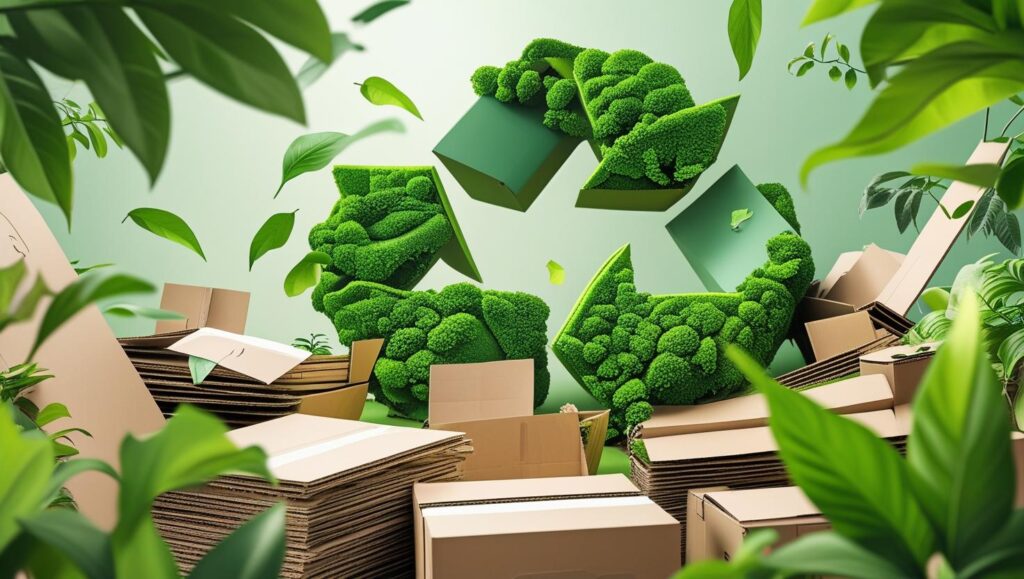
Sustainability Goals
Both materials are recyclable. But if environmental impact matters to your brand, check the recycled content percentage. Some customers care deeply about this factor.
Unsure how to balance these factors? Send us your product details for [1-on-1 Material Selection Advice]
Our Recommendation Process
We recommend a quantitative analysis of your product and scenario rather than subjective choice. When you provide product samples or detailed specifications – size, weight, fragility, and value – we analyze two critical areas.
Protection Analysis: How heavy is your product? Does it need to be stackable? What shipping environment will it face? We calculate the required burst strength and edge crush strength to ensure your product arrives safely.
Brand Requirements: Will this be shelf display or shipping packaging? Is your brand positioning commodity or luxury? This determines your print quality needs and tactile requirements.
The right choice isn’t always obvious. But with the right data, the decision becomes clear.
Solution Proposals and Testing
Material and Structure Combinations
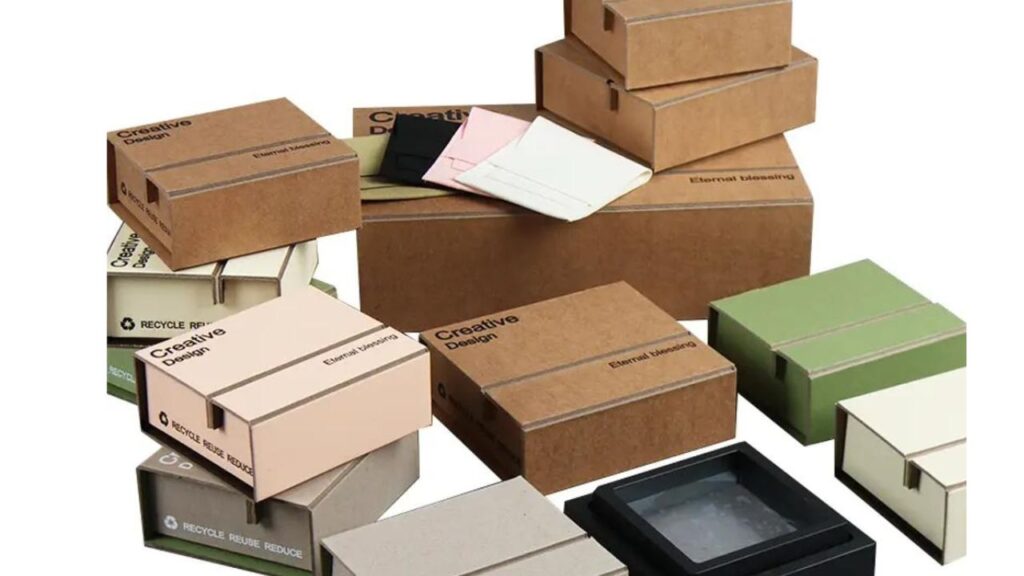
Smart packaging decisions require comparing real options. Not just chipboard versus cardboard, but complete solutions that match your specific needs. Here are proven combinations that work in the real world.
Option A: All-Corrugated Solution
This approach uses corrugated shipping boxes for everything. The outer box, inner dividers, and protective inserts all use cardboard materials.
Pros: Maximum protection for fragile items. Excellent stacking strength. Handles rough shipping without issues. Easy to source and manufacture. Reliable performance in all weather conditions.
Cons: Higher material costs. Bulkier packaging increases shipping expenses. Less refined print quality compared to chipboard. Can look too industrial for premium brands.
Best for: Heavy products, long-distance shipping, items that need maximum protection.
Option B: Chipboard Outer with Corrugated Insert
This hybrid combines a chipboard outer box with custom corrugated inserts for protection. You get premium appearance with tested protection where it matters.
Pros: Lower overall cost than all-corrugated. Premium appearance for brand positioning. Sharp print quality on the outer box. Targeted protection for the product itself.
Cons: More complex manufacturing process. Two different materials to source. Potential moisture issues with the chipboard exterior.
Best for: luxury retail packaging that still needs shipping protection, medium-weight products, brand-conscious companies.
Option C: Coated Chipboard with Foam Inserts
Uses moisture-resistant chipboard with custom foam protection inside. This works for products that need cushioning more than structural strength.
Pros: Excellent print quality throughout. Good moisture resistance with coating. Lightweight for shipping cost savings. Professional appearance.
Cons: Limited protection against crushing forces. Foam inserts add cost and environmental concerns. Not suitable for very heavy items.
Best for: Electronics, cosmetics, lightweight luxury goods.
Real Sample Testing
Numbers and descriptions only tell part of the story. Seeing and testing real packaging builds confidence in your material choice. We provide physical samples for every serious project.
Visual and Tactile Tests: Hold both options in your hands. Feel the difference in weight and rigidity. See how the printing looks under store lighting. Check how easy they are to open and close.
Drop Tests: We drop sample packages from typical handling heights. This shows you exactly how each material responds to real-world impacts. You’ll see which option protects your product better.
Crush Tests: Apply weight to stacked samples. This reveals how packages perform in warehouses and delivery trucks. Some combinations that look strong actually fail under pressure.
Moisture Tests: Expose samples to humidity and water drops. This is crucial if your products face any chance of moisture exposure during shipping or storage.
The testing process eliminates guesswork. You’ll know exactly how your packaging performs before committing to large orders. That confidence is worth the small investment in sample testing.
Printing and Finishing Recommendations
Chipboard Printing Capabilities
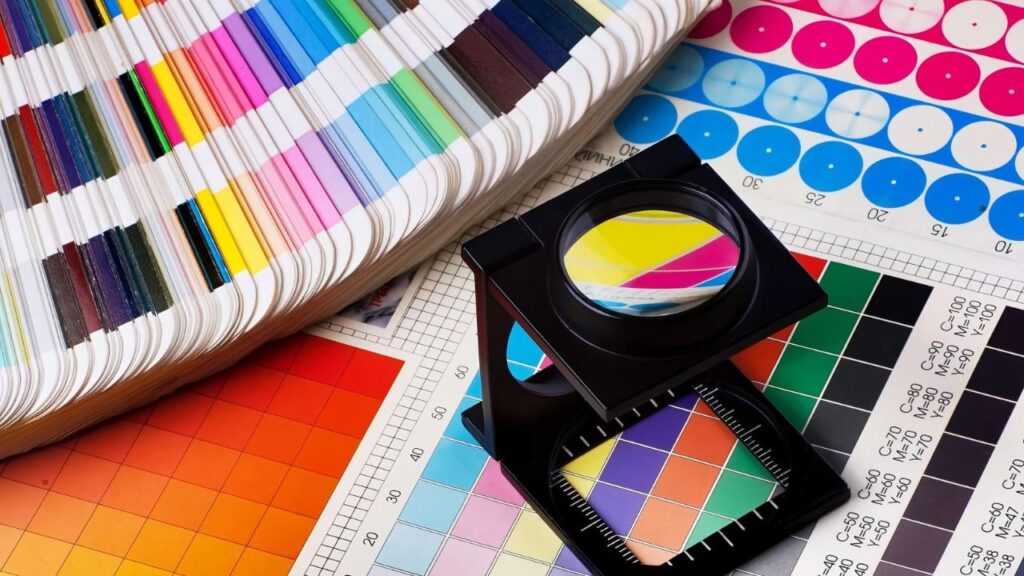
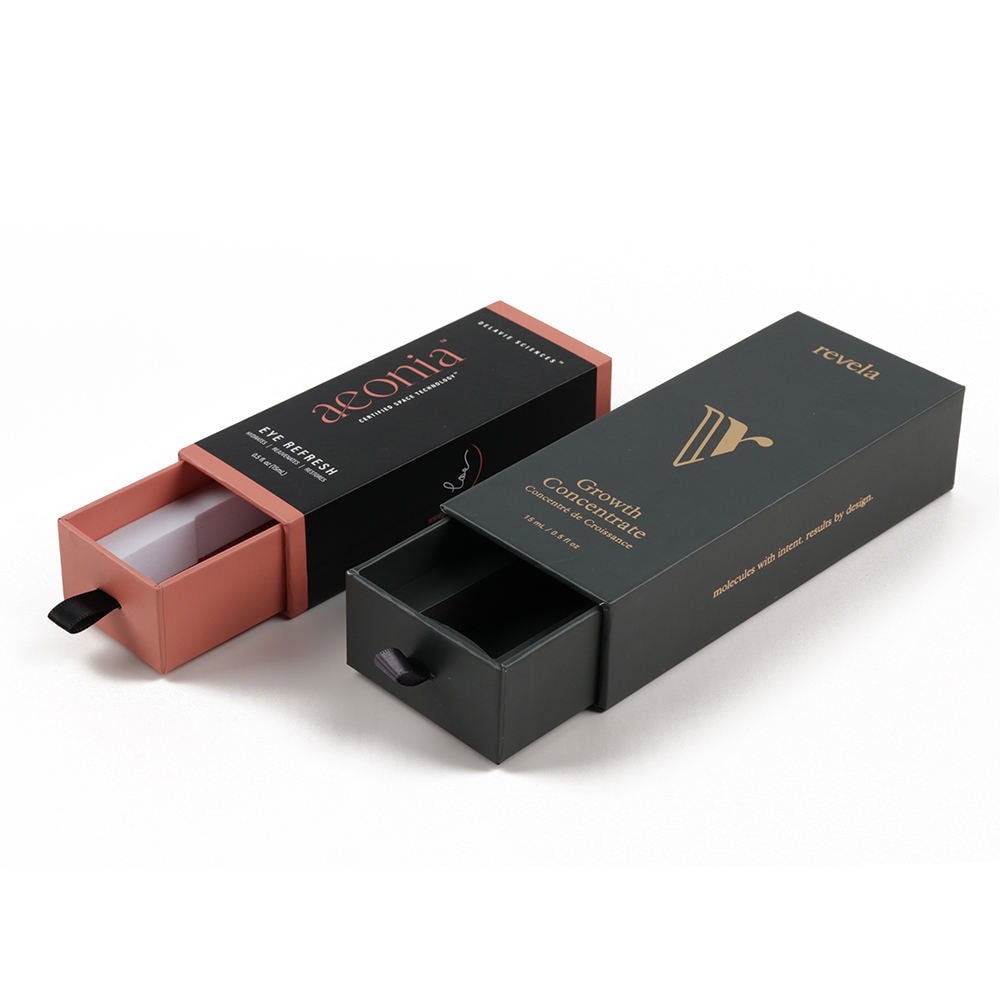
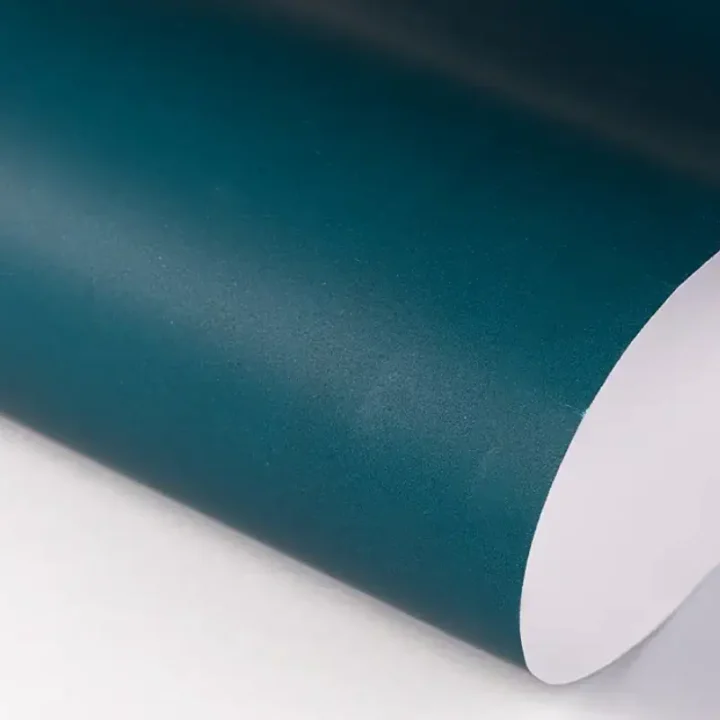
Chipboard is a printer’s dream material. The smooth, dense surface accepts ink beautifully and holds fine details without bleeding. This makes it perfect for premium finishing techniques that elevate your brand.
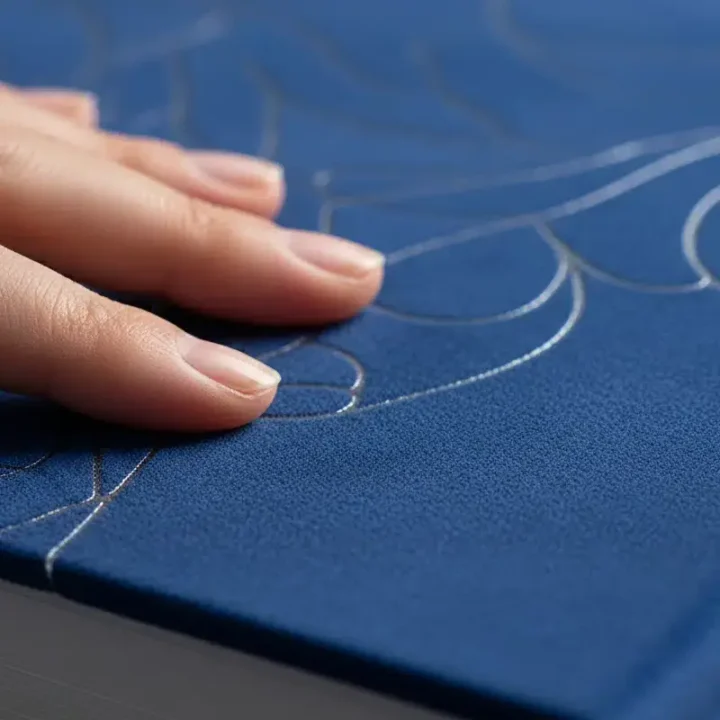
Foil Stamping: Foil stamping on custom boxes works exceptionally well on chipboard. The flat surface creates clean, sharp foil edges. Gold, silver, and colored foils all adhere properly. You get that luxury look that customers associate with high-end products.
UV Coating: Spot UV creates stunning contrast effects on chipboard. The coating adds shine and texture exactly where you want it. Logo areas pop off the surface. Text becomes more readable and eye-catching.
Embossing and Debossing: The dense structure of chipboard holds embossed shapes perfectly. You can create raised logos, textured patterns, or recessed designs. The material won’t crack or tear during the embossing process.
Premium Print Quality: Four-color process printing looks crisp and vibrant. Gradients stay smooth. Small text remains readable. Photos reproduce with excellent detail and color accuracy.
Cardboard Printing Limitations
Cardboard can handle basic printing, but the corrugated surface creates challenges. The fluted core underneath can show through thin inks. Fine details may not print as sharply as on chipboard.
Basic Printing: Standard one to four-color printing works fine on cardboard. Company logos, product names, and handling instructions all print clearly. But don’t expect photo-quality results.
Advanced Finishes: Foil stamping and embossing are possible on cardboard, but they cost more and may look less refined. The corrugated surface makes it harder to achieve perfectly smooth foil application. Embossing can crush the flutes if not done carefully.
Print Planning: When using cardboard for branded shipping boxes, keep designs simple and bold. Large text works better than small details. Solid colors perform better than gradients.
Matching Finishes to Brand Level
Choose finishes that match your brand positioning and visual needs. Luxury brands benefit from chipboard’s premium finishing capabilities. Mass market products can use cardboard’s basic printing to keep costs down.
Premium Brands: Use chipboard with multiple finishing techniques. Combine foil stamping with embossing for maximum impact. Luxury packaging design requires this level of sophistication.
Mid-Market Brands: Consider the chipboard-with-corrugated-insert approach. Get premium printing on the visible surfaces while maintaining protection and reasonable costs.
Value Brands: Focus on clear, bold printing on cardboard. Good design can still look professional without expensive finishing techniques.
The key is matching your finishing investment to your brand’s price point and customer expectations.
Common Misconceptions
Chipboard vs. Cardstock Confusion
Many people think chipboard and cardstock are the same thing. They’re not. Chipboard is much thicker and stronger than regular cardstock. Cardstock bends easily and tears under pressure. Chipboard holds its shape and resists tearing much better.
The “Cardboard” Umbrella Problem
Here’s where things get confusing. “Cardboard” is actually an umbrella term that covers many different materials. Corrugated boxes are one type of cardboard. But chipboard is technically another type of cardboard too. When most people say “cardboard,” they mean the corrugated stuff with wavy layers. But the industry uses “cardboard” for any thick, paper-based material.
Strength vs. Structure Misunderstanding
This trips up a lot of people. Chipboard feels rigid when you hold it. It’s stiff and doesn’t bend easily. But rigidity doesn’t equal load capacity. A chipboard box might feel strong, but it can’t handle heavy weight or stacking pressure like corrugated cardboard can. The corrugated structure – those wavy layers – is what gives real structural strength. Chipboard’s rigidity is more about holding its shape, not carrying heavy loads.
Conclusion
Key Takeaways
The choice between chipboard and cardboard comes down to what your product actually needs. Chipboard excels in lightweight, decorative applications where cost and printability are key. It’s your go-to material when appearance matters most and protection requirements are modest.
Cardboard is best for heavy-duty, protective packaging due to its strength and durability. When your product needs to survive the real world of shipping, handling, and stacking, cardboard delivers the protection you can’t get from chipboard.
Final Recommendations
For Visual Appeal and Lightweight Use: Choose chipboard with lamination for moisture protection. This combination gives you premium appearance with reasonable durability. Perfect for custom retail packaging and luxury gift boxes that don’t face rough handling.
For Logistics and Protection: Use corrugated cardboard matched to your product’s specific needs. Heavy items need thicker walls. Fragile products need custom inserts. Long-distance shipping requires extra strength.
The Smart Next Step
Always consult suppliers for samples, testing, and the right balance of cost, sustainability, and performance. The few dollars spent on real samples can save you thousands in damaged products or unhappy customers.
Don’t guess when you can test. The right packaging choice becomes obvious when you see how your actual product performs in real materials.
Contact Letai’s packaging consultants today. Just share your product details, and we’ll provide tailored material recommendations and free sample quotes. Let’s create packaging that’s not just protective, but a true showcase for your brand!

 English
  العربية
  Deutsch (Sie)
  Español
  Français
  日本語
日本語  한국어
한국어  Italiano
