
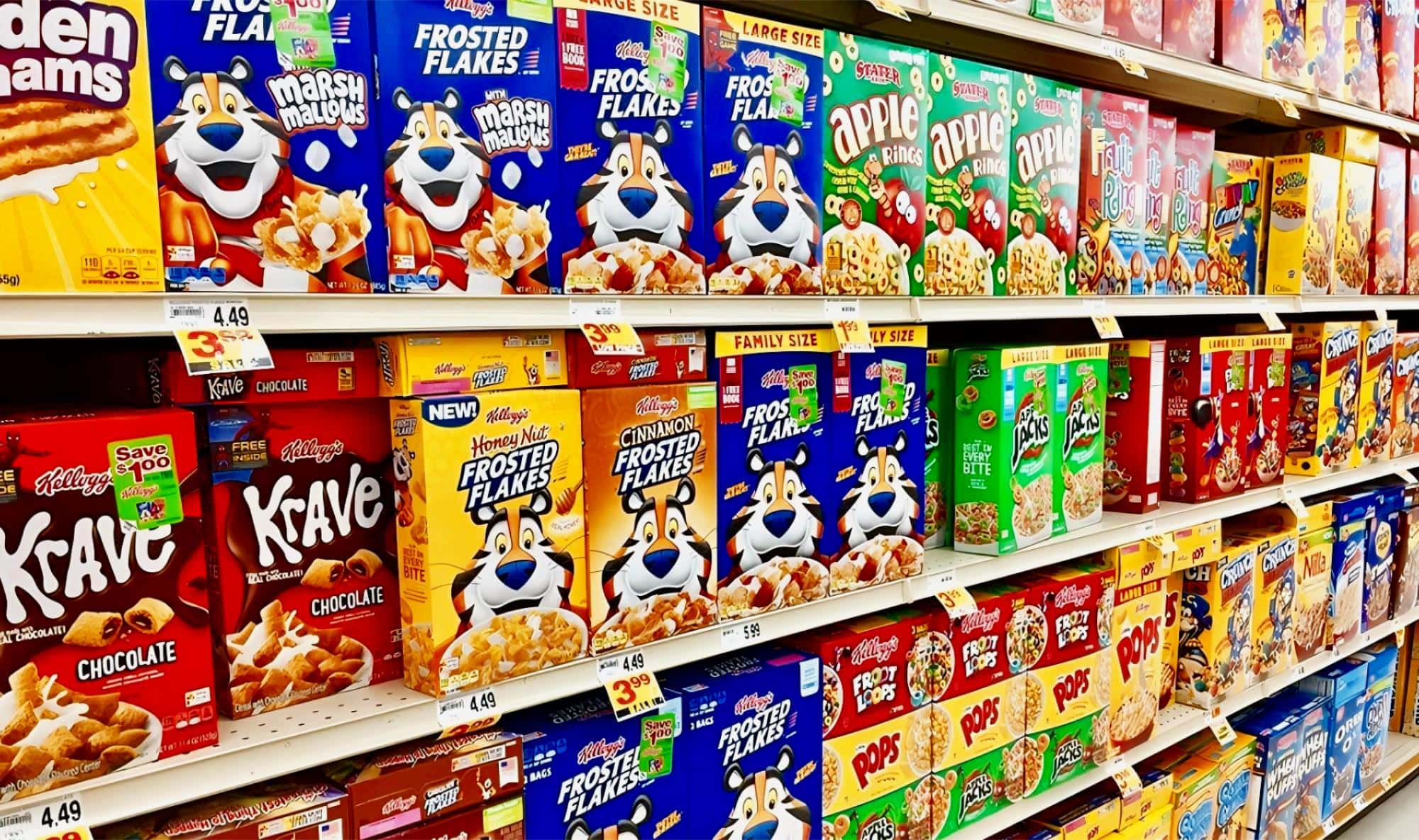
When you walk down the cereal aisle at the store, all the boxes can look pretty much the same. It can be hard to pick which one to buy. But actually, the cereal box dimensions and look of the box can really make a difference. Sometimes a box looks big, but there isn’t much cereal inside.
Or maybe a colorful box just grabs your attention. In this article, we’ll talk about how cereal box size and design work, and what makes them different. That way, next time you buy cereal, you’ll know what to pay attention to.
Unraveling the Cereal Box Dimensions
Understanding these differences in cereal box sizes can help explain why certain cereals are packaged the way they are. Let’s take a closer look at the most common sizes you’ll find on store shelves and the reasons behind them.
Common Cereal Box Sizes and Why They’re Different
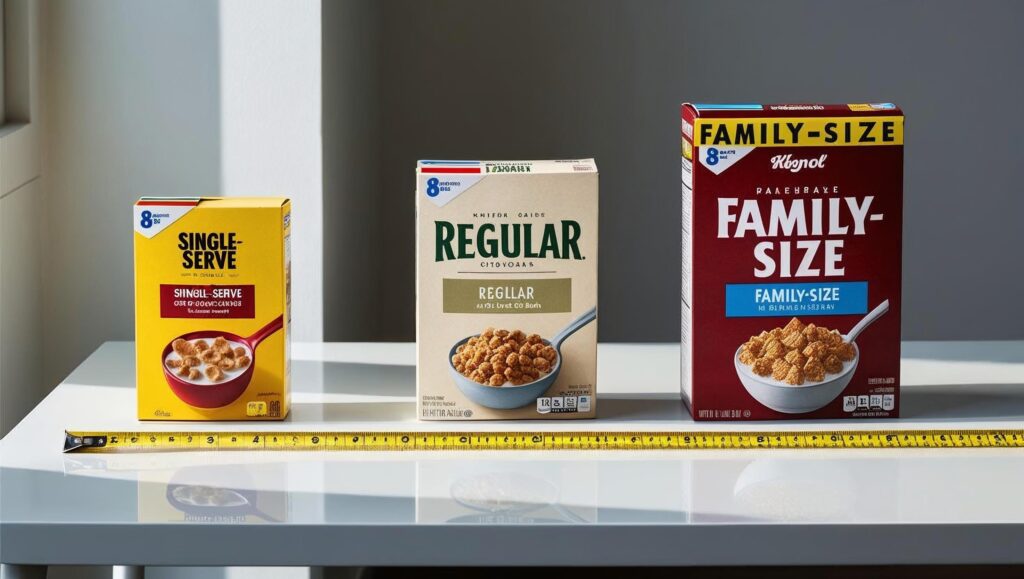
Cereal boxes come in a few main sizes: regular, family-size, single-serve, and sometimes special or promotional boxes. By checking different websites and blogs, we can see some general patterns:
Single-Serve Boxes: These are the smallest, usually about 3–4 inches (L), 1–2 inches (W), and 5–6 inches (H).
| Brand & Product | Dimensions (inches) | Net Weight (oz) |
|---|---|---|
| Kellogg’s Froot Loops (Single-Serve) | 4 × 1.5 × 5.5 | 1.5 |
| General Mills Cheerios (Single-Serve) | 3.5 × 1.5 × 5 | 1.0 |
| Post Cocoa Pebbles (Single-Serve) | 3.5 × 1.25 × 5 | 0.88 |
Regular Boxes: The most common size, often around 7–8 inches (L), 1.5–2.5 inches (W), and 10–12 inches (H).
| Brand & Product | Dimensions (inches) | Net Weight (oz) |
|---|---|---|
| Kellogg’s Corn Flakes | 7.75 × 1.75 × 12 | 12 |
| General Mills Cheerios | 7.75 × 1.75 × 11.5 | 12 |
| Post Honey Bunches of Oats | 7.75 × 2 × 11.5 | 12 |
| Quaker Life Cereal | 7.75 × 2 × 11.5 | 13 |
Family-Size Boxes: Bigger for families, usually about 9–10 inches (L), 2.5–3.5 inches (W), and 13–15 inches (H).
| Brand & Product | Dimensions (inches) | Net Weight (oz) |
|---|---|---|
| Kellogg’s Frosted Flakes (Family Size) | 9.125 × 2.75 × 13.5 | 24 |
| General Mills Cheerios (Family Size) | 9 × 2.5 × 13.5 | 18 |
| General Mills Cinnamon Toast Crunch (Family Size) | 9 × 2.5 × 13.5 | 19.3 |
| Quaker Oatmeal Squares (Family Size) | 9 × 2.75 × 13.5 | 21 |
Other Types: Some brands offer mini packs or jumbo value packs with different sizes.
When you compare these, you’ll notice some trends. Kid cereals often come in bright, easy-to-hold boxes, while adult or healthy cereals use taller, slimmer boxes.
Brands also change box sizes for things like sales or special promotions. These size choices depend on who the cereal is for, the type of cereal, and how the brand wants to look on the shelf.
How to Measure Cereal Box Size
When people talk about cereal box dimensions, they usually use three numbers: length (L), width (W), and height (H). To measure a box, you just need a ruler or tape measure.
Make sure you measure each side—L, W, and H—for a full picture of the box’s size. Getting these numbers right is important, especially if you need to compare different boxes or order packaging.
If you want to see the exact steps or tips for measuring a box, check out our easy guide here.
Structure and Function Analysis of Cereal Boxes
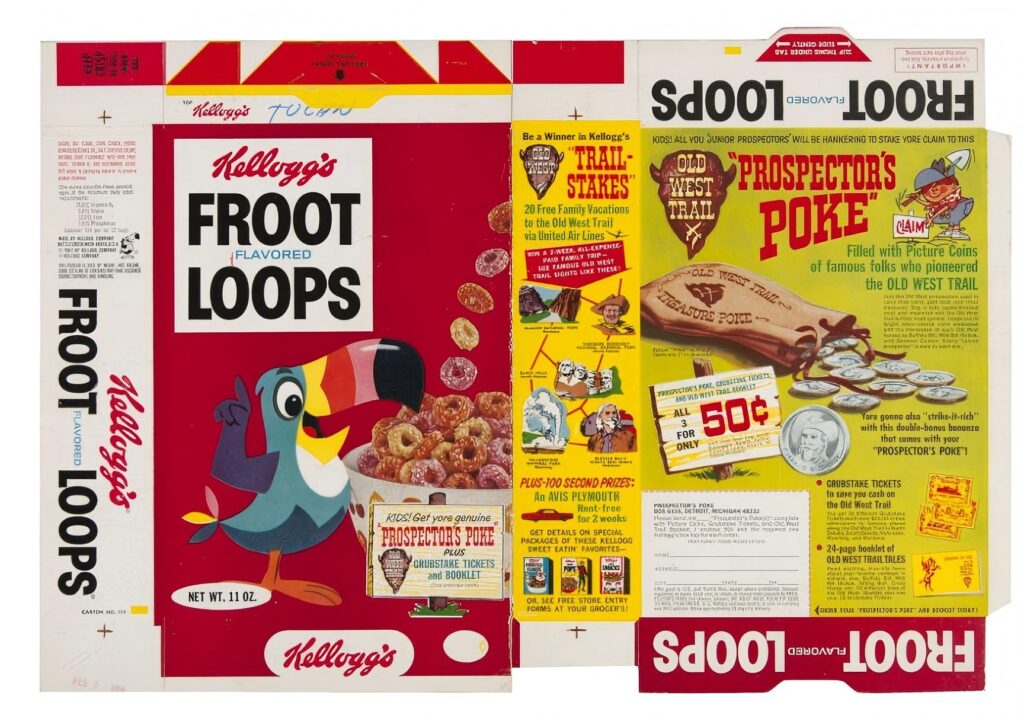
To better understand how cereal boxes work, it’s helpful to break down their structure and see what each part does.
What Makes Up a Cereal Box
A cereal box is more than just a simple container. Here’s a quick look at its main parts:
- Outer Box: The cardboard shell that holds everything together and protects the cereal.
- Front Panel: Where you see the brand, cereal name, and eye-catching designs.
- Side Panels: Usually show nutrition facts, ingredients, or promotions.
- Back Panel: Sometimes has games, fun facts, or more info about the cereal.
- Top Cover: Opens and closes the box.
- Bottom Seal: Keeps the box sturdy and closed.
- Inner Bag (Lining): Keeps the cereal fresh and safe from air and moisture.
- Special Features: Some boxes have resealable tabs or small windows to show the product inside.
Key Factors Influencing Cereal Box Design
When you pick up a box of cereal, you might not realize how much thought goes into its design. Every detail on the box—like colors, pictures, words, and even the size—can make a difference in what you notice and what you choose to buy.
How Packaging Design Elements Affect Choices
Color: The colors on a cereal box matter a lot. Bright colors like red, yellow, or orange quickly catch your eye, which is why you see them on many kids’ cereals. Green is often used for healthy or organic cereals to show freshness and natural ingredients.
I’ve seen that even small color changes can make a product stand out or blend in on the shelf.(Take Kellogg’s Froot Loops as an instance. Its packaging flaunts a medley of vivid, multi – colored loops against a predominantly bright yellow background.)
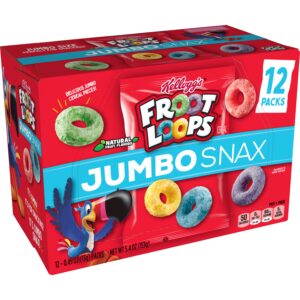
Pattern: Pictures on the box—like real cereal photos or fun cartoons—help you imagine what’s inside. Kid cereals often use cartoon mascots, while adult cereals might show photos of whole grains or fruit to highlight health benefits. Good images make the cereal look more tasty and trustworthy.
For granola cereals like Nature Valley Granola, high-quality, life-size images of actual granola clusters, nuts, and dried fruits are prominently displayed.
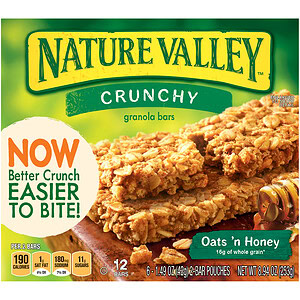
Font: The words on the box aren’t just for information. Big, round, playful fonts feel friendly and are used for kids’ products. Simple or classic fonts give a sense of quality and trust, which works well for “premium” or healthy cereals.
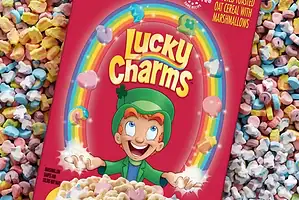
The right font helps people quickly know what kind of cereal they’re looking at. (Lucky Charms employs a rounded, whimsical font. The letters seem to dance across the box, exuding a hand-drawn, friendly charm. )
Cereal box dimensions: Big boxes often feel like a better deal, especially for families. Small boxes can feel more special or “high-end.” From my supermarket experience, I’ve noticed that large boxes get picked up for value, while small, neat boxes look fancier and can attract people looking for something new or special.
Cost: Packaging isn’t free—fancier boxes cost more to make, which can make the cereal itself more expensive. Brands have to balance design, protection, and price. Sometimes, a plain box is chosen just to keep costs down and offer a lower price to shoppers.
Other Things That Matter to Shoppers
Ingredient Healthiness: People are paying more attention to what’s in their cereal. Words like “low sugar,” “high fiber,” and “organic” are big selling points. I’ve seen many customers specifically check the box for these labels before buying.
Brand Factor: A well-known brand or a trusted logo makes people feel safer about their choice. Good packaging can make a brand look even more reliable and appealing. Over time, people come to trust certain brands just because they recognize the box.
Selection and Consideration of Cereal Box Materials
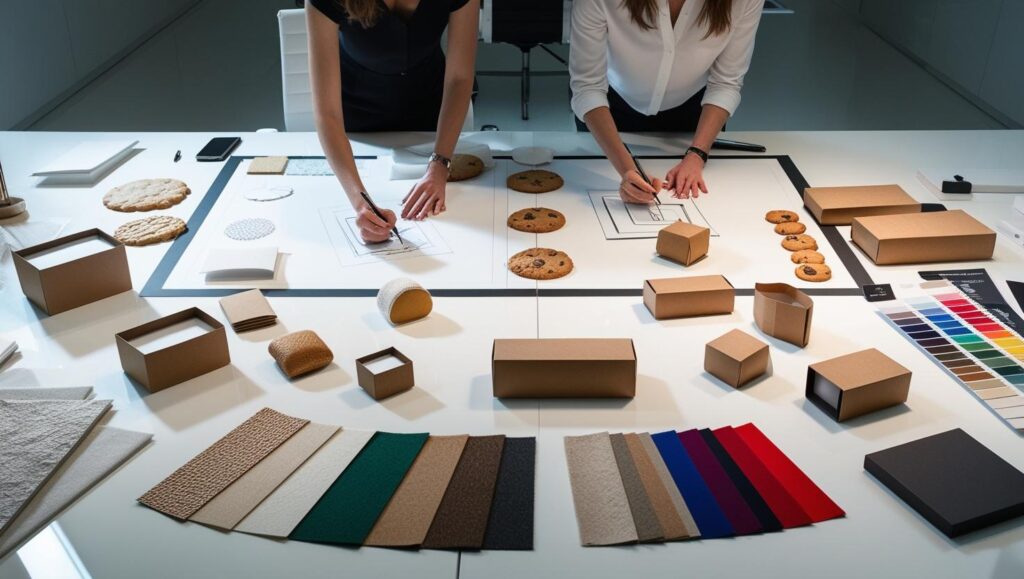
Most cereal boxes are made from a few main materials:
- Cardboard: This is the most common. It’s strong, easy to print on, and gives a solid feel. Cardboard boxes are great for showing off colorful designs and protecting the cereal inside.
- Kraft Paper: Kraft paper looks more natural and feels eco-friendly. It’s also good at absorbing moisture, but it’s not as sturdy as regular cardboard. Many brands use Kraft paper if they want to highlight their commitment to the environment.
- Corrugated Cardboard: This type has a wavy layer inside, making it extra strong. It’s usually used for bigger or heavier packs, but not as commonly for regular cereal boxes.
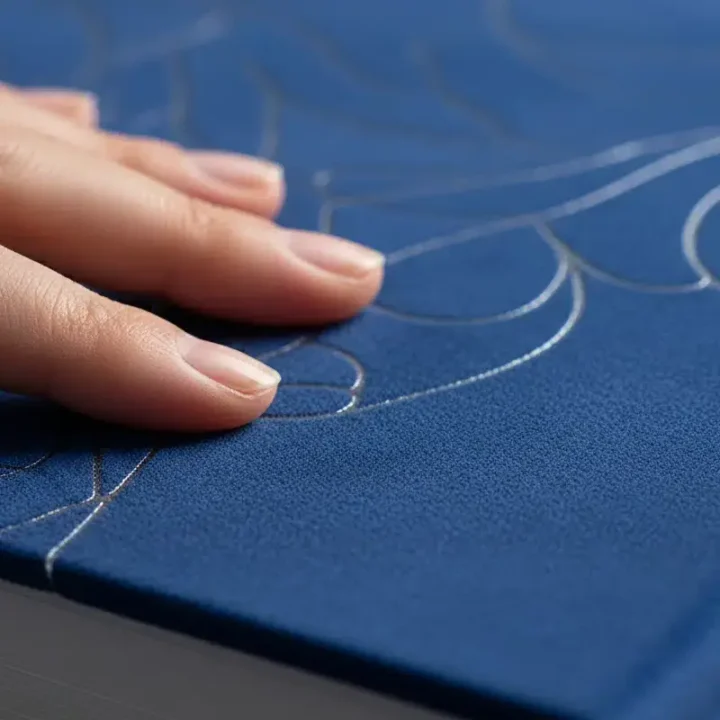
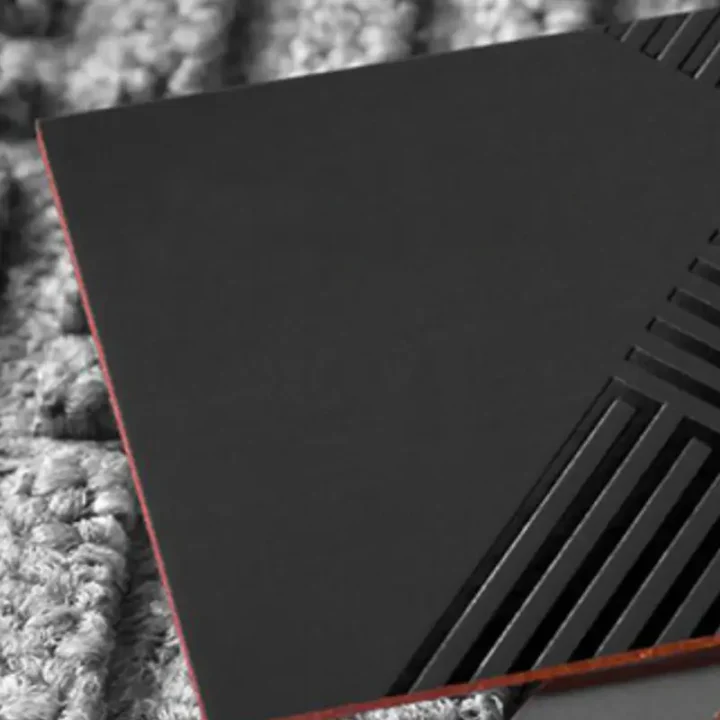
- Hardboard: Hardboard is thicker and feels more premium. High-end or gift cereal packs sometimes use this to make the box feel special and luxurious.
Every material has its own strengths and weaknesses. Cardboard is great for printing and protection, kraft paper is best for brands that care about the environment, and hardboard is perfect for a “deluxe” look. But not all are equal for protecting cereal or showing off bright designs.
How to Choose the Right Material
When picking the right box material, here’s what brands usually think about (and what I’ve seen in my work):
Product Protection: The box needs to keep cereal safe from getting crushed, and protect it from moisture and air. Cardboard works well for most cereals, but extra-strong or moisture-proof boxes might be needed for special products.
Brand Image: Higher-end brands sometimes use thicker, fancier materials to make the box feel more special. Eco-friendly brands often pick kraft paper to show they care about the planet.
Environmental Concerns: More people want recyclable or biodegradable packaging. I’ve noticed that boxes marked as “recyclable” or “eco-friendly” often get more attention from shoppers who care about the environment.
Cost: Fancier materials cost more, which can make the cereal more expensive. Brands have to balance looking good and keeping prices fair.
In the end, brands pick materials that protect the cereal, fit their image, meet environmental needs, and don’t cost too much. It’s all about finding the right balance.
Key Points and Strategies for Cereal Box Dimension Design
Before diving into specific strategies, it’s important to highlight the key points that should guide the design of cereal box dimensions.
Summary of Design Key Points
- Fit the Product: The box size must match the cereal’s shape, particle size, and weight. A compact design helps prevent the cereal from moving around and breaking during transport.
- Optimize Shelf Space: Well-designed box dimensions make the best use of shelf space, allowing more products to be displayed and helping the cereal stand out among competitors. In my own experience, right-sized boxes get better shelf placement and more attention from shoppers.
- Coordinate Design Elements: The box must have enough space for clear graphics, easy-to-read text, and important information like branding and nutrition facts. A good layout ensures that shoppers can quickly see what matters most.
- Enhance User Convenience: Easy-to-open, easy-to-pour, and resealable boxes improve the customer experience. Small design details—like a wide opening or a sturdy top flap—really make a difference in how people use the product at home.
Strategies to Adapt to Market and Consumer Demands
- Follow Market Trends: Keep an eye on what consumers want, like more portable boxes for busy people or family-size packs for larger households. Adjust box sizes and styles quickly as preferences change.
- Target Different Groups: Design different box sizes and packaging for kids, adults, or families. For example, use small, fun boxes for children’s cereals and bigger, value packs for families.
- Control Logistics Costs: Choose dimensions that are easy to stack, store, and transport. Efficient packaging saves space in trucks and on shelves, lowering shipping and storage costs for both manufacturers and retailers.
Conclusion
In summary, designing cereal box dimensions involves balancing size, structure, materials, and visual appeal—all while considering consumer needs and market trends. As the industry moves forward, there are exciting opportunities for more sustainable materials, innovative designs, and personalized packaging solutions.
Let’s keep pushing for smarter, greener, and more consumer-friendly cereal box designs—so we can offer better choices and experiences for everyone.

 English
  العربية
  Deutsch (Sie)
  Español
  Français
  日本語
日本語  한국어
한국어  Italiano