
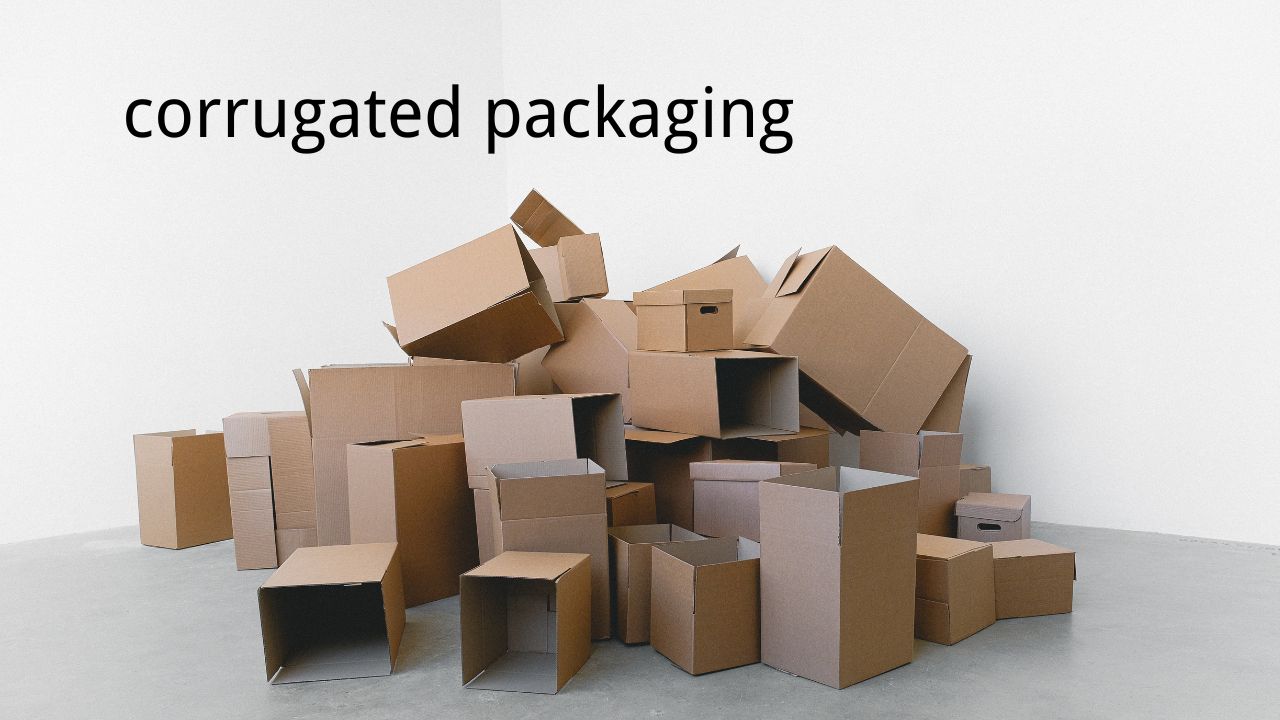
Ever wonder how your online orders arrive safe and sound? Corrugated packaging—those familiar, wavy cardboard boxes—helps keep products protected and easy to move.
In this post, you’ll learn what corrugated packaging is, how it’s made, where it’s used, and why it matters for both business and the environment. Keep reading to see why these boxes are so important in our everyday lives!
What is Corrugated Packaging?
- Definition and Basic Structure
Corrugated packaging is a type of box made from layers of thick paper. In the middle, there’s a wavy layer called the “corrugated medium,” and it’s placed between flat sheets called “linerboards.” - This wavy layer helps the box stay strong and last longer, so it can protect what’s inside—even if it gets bumped or stacked with other boxes. That’s why you see corrugated boxes used so often for shipping and moving things safely.
- Origins and Evolution
Picture this: years ago, people just needed a strong box to ship their things, and corrugated packaging was the answer. Fast forward to today, and things have really changed. Now, you can get boxes made in all shapes, sizes, and colors to fit your brand and products perfectly. - Thanks to better machines and smarter ways of making boxes, getting packaging that’s made just for you has never been easier. Thinking about a custom box? You’ve got more options than ever!
The Manufacturing Process of Corrugated Packaging
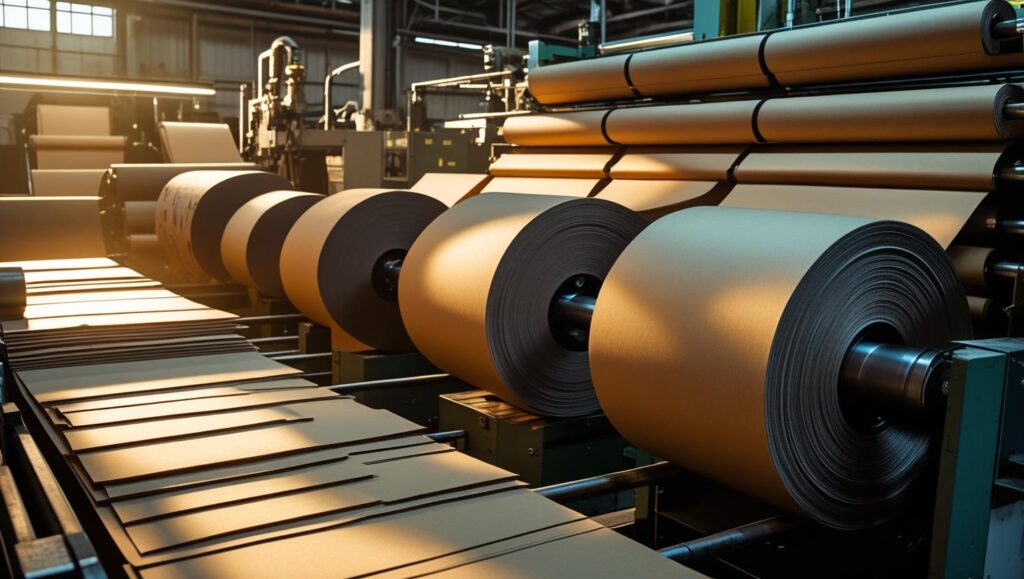
So, how do these sturdy boxes actually get made? Let’s take a quick look at the process behind corrugated packaging.
- Raw Material Selection
The first step is choosing paper. Most boxes use kraft paper. It’s strong and tough. Some use recycled paper. This helps the environment. The quality of the paper fibers matters. Strong fibers make a stronger box. Weak fibers can break more easily. More brands now pick recycled paper. It’s better for the planet and still works well. - Corrugation and Assembly
The wavy layer in the middle, called the corrugated medium, starts as flat paper. Machines shape it into waves, then glue it between flat sheets called linerboards. This creates a strong, sandwich-like board.
There are a few ways to put these layers together. A single-face board has one wavy layer and one flat sheet. Single-wall has one wavy layer between two flat sheets—this is the most common type. Double-wall has two wavy layers and three flat sheets, making it even tougher.
Triple-wall has three wavy layers and four flat sheets for the most strength. The more layers, the better the box can handle heavy items or rough shipping. You can pick the type that fits how much protection your product needs.
What is Corrugated Packaging Types
Now that we’ve covered how boxes are made and customized, let’s look at the different types of corrugated packaging you can choose from.
Based on Wall Construction
- Single-Face Corrugated: This type has one layer of corrugated medium glued to one linerboard. It’s thin and flexible, making it ideal for use as protective padding or as an inner layer in more complex packaging.
- Single-Wall Corrugated:Constructed with one layer of corrugated medium sandwiched between two linerboards, single-wall corrugated is the most common type of box. It’s typically used for lightweight packaging, such as for small electronics or consumer goods.
- Double-Wall and Triple-Wall Corrugated: These types add extra strength by including two or three layers of corrugated medium and additional linerboards. Double-wall and triple-wall corrugated packaging are used for heavy-duty applications, providing extra protection for large or fragile items like furniture, industrial equipment, or bulk shipments.
Specialty Corrugated Packaging
Die-Cut Corrugated Boxes:
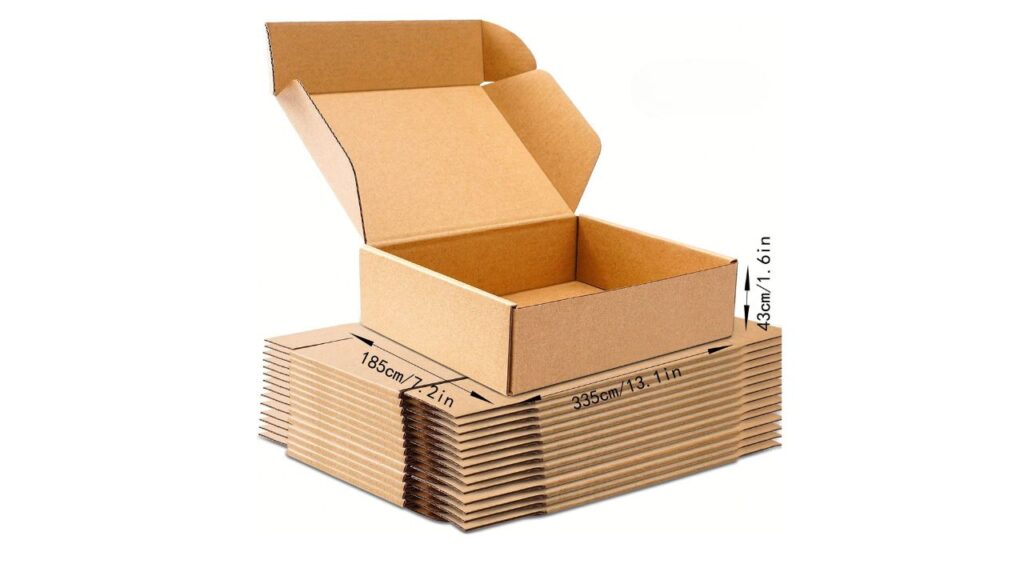
Die-cut corrugated boxes use a custom die for precise shapes and sizes. They fit your product perfectly. Ideal for high-end or irregularly shaped items. Handles, windows, or compartments can be added. This boosts protection and gives a premium look.
Corrugated Displays:
Corrugated displays grab attention in stores. They can be printed in full color and shaped creatively. Great for showcasing products and driving sales. Lightweight and cost-effective. Easy to assemble, move, and recycle. Perfect for promotions and seasonal campaigns.
Common Types of Corrugated Flutes
- A Flute: Highest thickness, excellent cushioning, used for fragile or heavy items.
- B Flute: Good crush resistance, strong for retail packaging and food boxes.
- C Flute: Balanced strength and cushioning, commonly used for shipping cartons.
- E Flute: Thin, lightweight, great for high-quality printing and retail displays.
- F Flute: Ultra-thin, very smooth surface, ideal for small boxes and detailed printing.
Design Tip: Corrugated flutes impact strength, cushioning, and print quality—select the right type based on your product’s protection and branding needs.
For a more detailed comparison of corrugated flute types and their applications, read our in-depth guide here.
Design Considerations & Customization Options for Corrugated Packaging
Choosing the right corrugated packaging starts with understanding both your product’s needs and the available board types:
- Product Size & Weight:
Select flute types based on your product’s protection needs. For heavier or fragile items, A Flute or double/triple-wall constructions provide extra cushioning and strength. For lighter goods, B Flute or E Flute can offer sufficient support with less material. - Transportation Environment:
If your packaging will face rough handling or varying climate conditions, opt for flutes with higher durability and moisture-resistant coatings. C Flute is often a balanced choice for general shipping, while E Flute suits controlled environments. - Stacking Requirements:
Consider the compression strength of each flute. B Flute and C Flute are popular for their stacking strength in retail and shipping. Use double-wall designs for heavy stacking or palletized shipments. - Brand Image & Printing:
For vivid graphics and premium branding, E Flute and F Flute provide smooth surfaces ideal for high-quality printing. These are perfect for retail displays and consumer-facing packaging. - Customization & Special Features:
Corrugated packaging can be tailored in size, shape, and style. Add die-cut windows, handles, or compartments for a better customer experience. Enhance performance with special coatings for water, grease, or food safety as needed. - Sample & Prototyping:
Always request a prototype to test the box’s fit, print quality, and durability before mass production. This ensures your packaging meets both practical and branding requirements.For getting samples.
Tip: Match your flute type and box design to your product’s weight, shipping route, and branding goals. A proper combination of corrugated flute and customization ensures optimal performance and a strong brand impression.
Corrugated Packaging Testing Methods

To ensure the strength and reliability of corrugated packaging, several key tests are commonly used:
- BCT (Box Compression Test):
Measures how much compressive force a box can withstand before collapsing. This test simulates stacking pressure during storage and transportation, helping determine if the box can safely handle the required load. - ECT (Edge Crush Test):
Evaluates the strength of the board by measuring its resistance to crushing along the edge. ECT values are crucial for predicting a box’s stacking strength and are often used to specify the right board grade for shipping cartons. - Drop Test:
Assesses a box’s ability to protect its contents by dropping it from set heights and angles. This simulates real-world handling and transport conditions, revealing how well the packaging absorbs impact and prevents product damage.
Regular testing using these methods ensures that corrugated packaging meets performance standards, protects your products, and withstands the rigors of distribution.
Diverse Applications of Corrugated Packaging
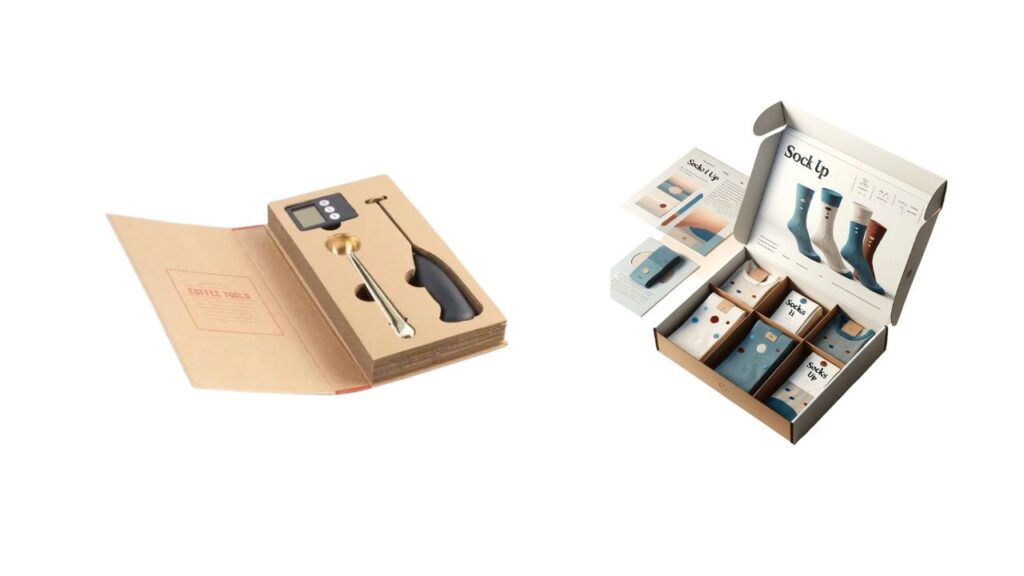
Corrugated packaging isn’t just about shipping boxes—it plays a vital role across many different industries and settings. Thanks to its versatility, strength, and customizability, it has become a go-to solution for packaging, protecting, and displaying a wide variety of products.
- E-commerce and Shipping
Corrugated packaging is essential for e-commerce. It protects products during transit. Boxes absorb shocks and resist crushing. They shield items from dust, moisture, and impacts. Small parcels and bulk shipments both rely on corrugated solutions. The material’s strength keeps goods intact from warehouse to doorstep.
Corrugated packaging adapts to many shipping methods. Custom sizes fit everything from electronics to clothing. Proper design different kinds of inserts prevents movement inside the box.
This reduces damage and returns. Clear branding on the box can also enhance the unboxing experience. In e-commerce, safe and reliable packaging is critical for customer satisfaction.
- Food and Beverage Industry
Corrugated packaging must meet strict hygiene standards. Food-safe liners keep products clean. Moisture resistance is vital for chilled or wet foods. Special coatings or wax can protect the box.
Tamper-evident designs improve safety. Seals or locking tabs show if a box was opened.
Fresh produce uses vented corrugated boxes. These help fruits and vegetables stay fresh. Beverages rely on sturdy trays to prevent breakage. Processed foods use strong cartons for stacking and shipping.
- Industrial and Heavy-Duty Packaging
Corrugated packaging is strong enough for big, heavy products. It protects machinery, equipment, and parts during shipping. Double-wall or triple-wall boxes handle rough handling and stacking. Thick layers absorb shocks and reduce vibration. This keeps products safe from impacts and drops. Corrugated packaging is also easy to customize for odd shapes or extra support. It’s a reliable choice for industrial shipping and storage. - Retail and Point-of-Sale Packaging
Corrugated packaging isn’t just for shipping—it’s also used to catch shoppers’ eyes in stores. Custom-printed boxes and displays show off logos, colors, and product details. Bright designs and clear branding help products stand out on the shelf. Corrugated displays can be shaped and printed for special promotions or seasonal sales. This packaging doubles as a marketing tool, making products more appealing and boosting brand visibility right at the point of sale.
Corrugated Packaging and Sustainability
As corrugated packaging supports so many industries, its impact on the environment becomes especially important. Let’s take a closer look at how corrugated materials contribute to sustainability and responsible packaging.
Environmental Benefits
Corrugated packaging is eco-friendly for several reasons. It’s made mostly from renewable paper fibers. Most boxes use recycled content and are fully recyclable after use. The paper industry also plants new trees to support ongoing production. All the material is under FSC certificate .
Manufacturing corrugated boxes uses less energy and water than many other packaging materials. The recycling process is well established, making it easy for consumers and businesses to participate.
Choosing corrugated packaging helps cut down on plastic waste. It offers a natural alternative to plastic wraps and containers. By switching to corrugated, companies can reduce their environmental footprint and support a more sustainable future.
Conclusion
Corrugated packaging is strong, versatile, and eco-friendly. It protects products across many industries and is easy to recycle. As packaging trends move toward sustainability, corrugated solutions truly stand out.
Interested in learning more? Reach out to LETAi—we’re here to help you find the best packaging solution for your needs.

 English
  العربية
  Deutsch (Sie)
  Español
  Français
  日本語
日本語  한국어
한국어  Italiano