
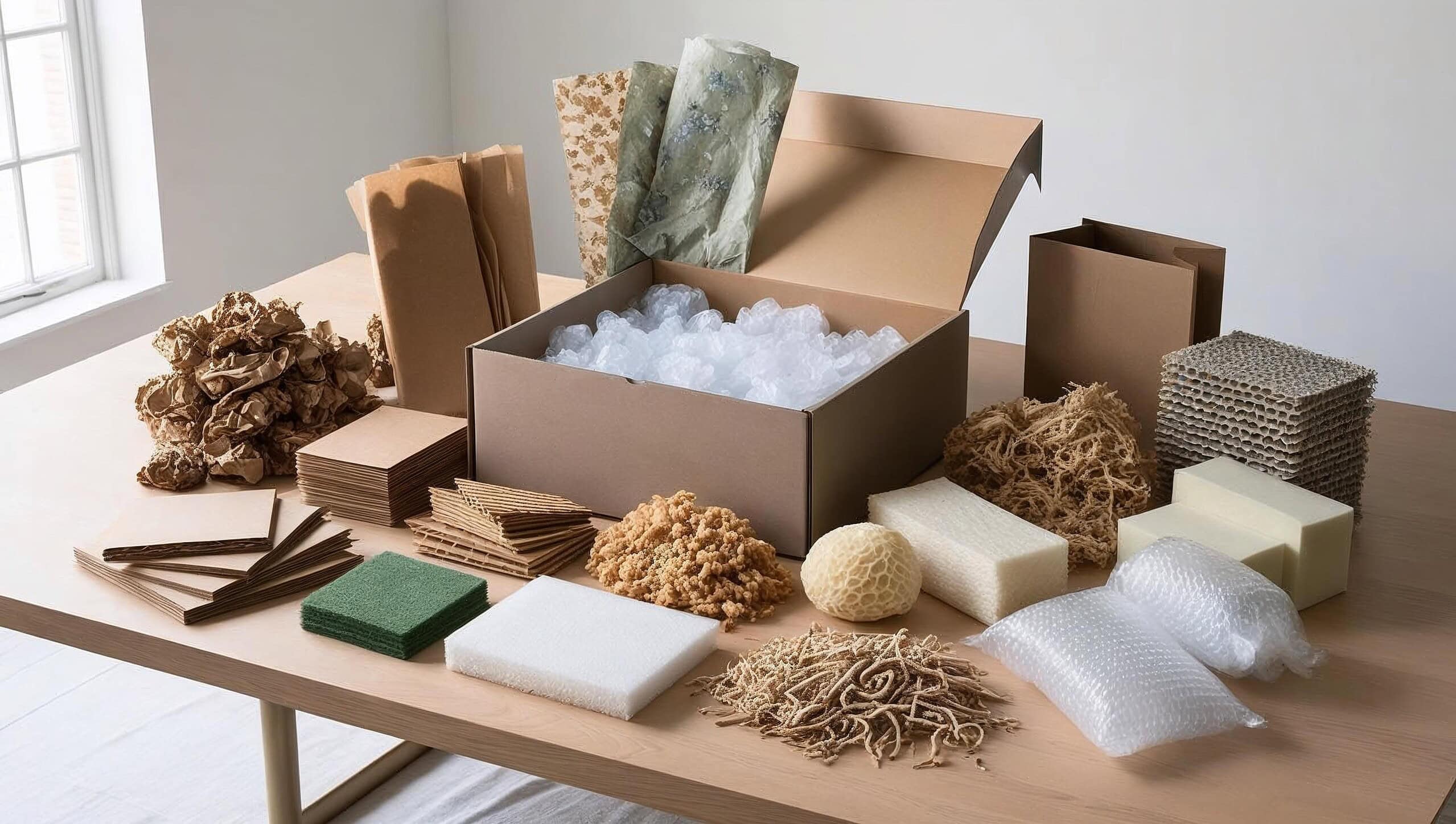
Do packaging Filler choices leave you worried about waste, cost, or your brand’s image? The wrong filler can mean damaged goods and disappointed customers. How can you choose a Packaging Filler that protects products and supports your brand’s values? Let’s find out.
Overview of Packaging Filler Materials
Packaging filler materials—like crumpled paper, bubble wrap, foam peanuts, or air pillows—are what you find inside a package to keep things from moving around or breaking on the way. They don’t just protect your products; the right filler can also make your packaging look tidy, show off your brand, and give customers a great feeling when they open the box.
Analysis of Common Types of Packaging Filler Materials
Paper-based fillers are among the most popular choices for packaging, not just because they’re practical, but also because they can add style and sustainability to your packaging. Let’s look at a few common types and see how they work in different scenarios.
Kraft Packaging Filler Paper
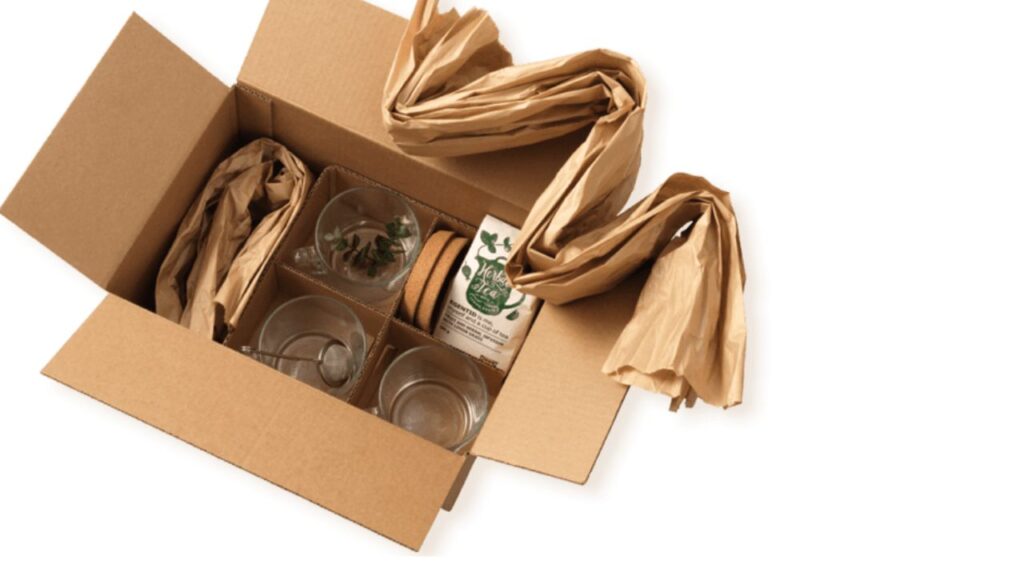
Kraft packaging paper is thin but tough. When you fold or crumple it, it becomes a soft cushion that’s great for protecting things like clothes or books in the box. It adds a simple, clean feel to your packaging and builds a sense of excitement when customers open it. Plus, it’s friendly to the environment.
Custom-Made Glassine Paper
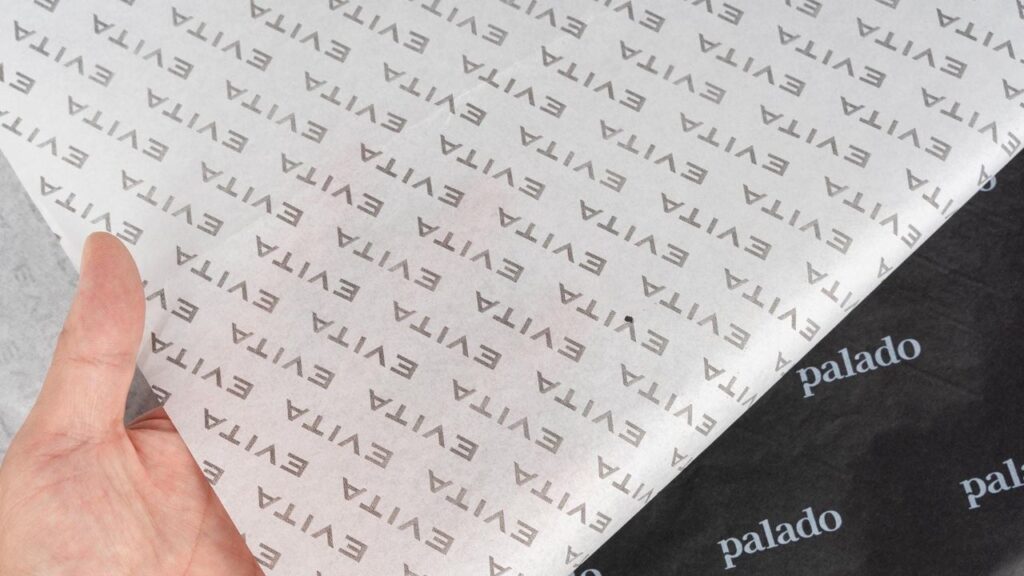
Custom-made glassine paper is a favorite for high-end brands. Think about opening a box of delicate lingerie or designer accessories—often, they’re wrapped in soft, branded tissue. This not only makes the product feel more special and keeps fabric smooth, but also helps show off your brand. Just keep in mind, glassine paper looks nice but doesn’t offer much real protection if things get bumpy.
Honeycomb Paper
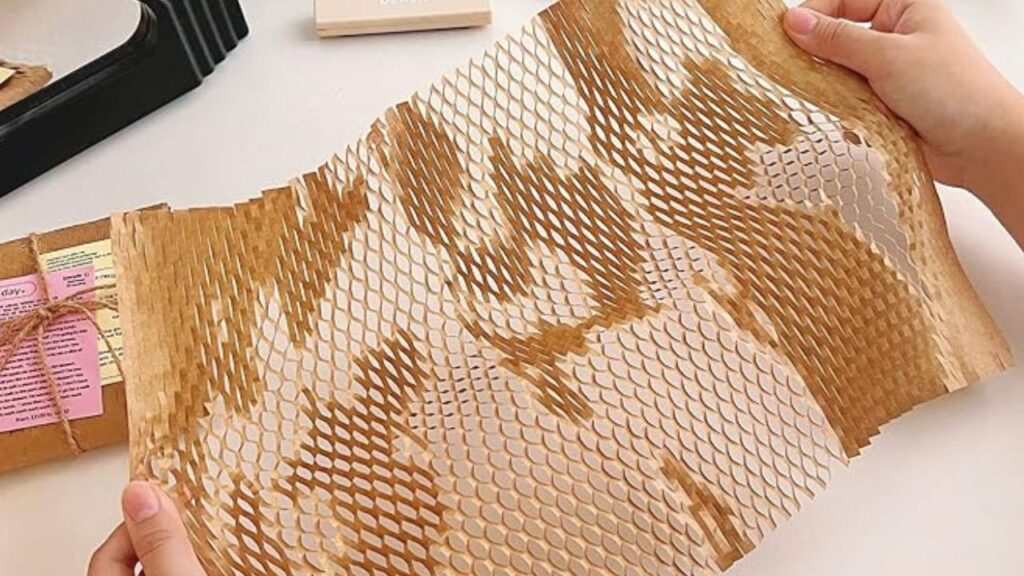
Honeycomb paper stands out because of its unique hexagonal structure. It stretches to fit around fragile items like glassware or crafts, offering great cushioning while saving space.
It’s also biodegradable and recyclable, which is great for the planet. And it gives your packaging a creative, textured look. The only catch? There aren’t many color choices, and it’s a bit harder to customize for your brand.
Cardboard Filler Materials
Cardboard fillers are especially useful when you need strong support and a tidy way to organize things inside a box. Whether it’s keeping bottles from clinking together or making a product look extra professional, these options do the job well. Let’s look at some common types:
Cardboard Dividers
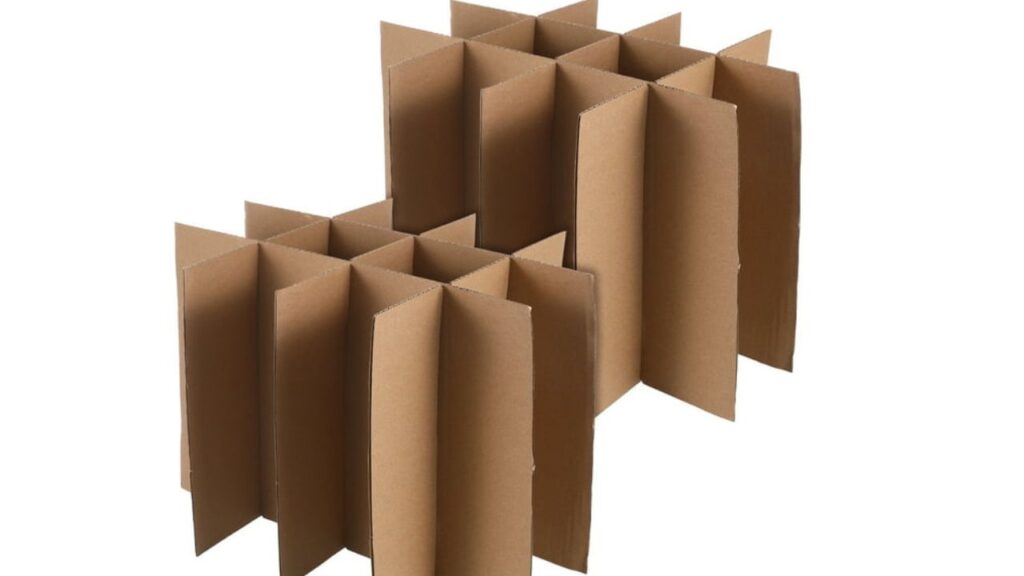
Cardboard dividers (sometimes made from lightweight wood) are like little walls inside your shipping box. They separate and hold products in place—imagine a big box with several bottles of cosmetics or glass jars, each safely in its own space.
Dividers are great for stopping items from colliding and breaking, especially when shipping fragile things. The only downside is they’re not very pretty, so they don’t really boost the look of your packaging.
Internal Inserts
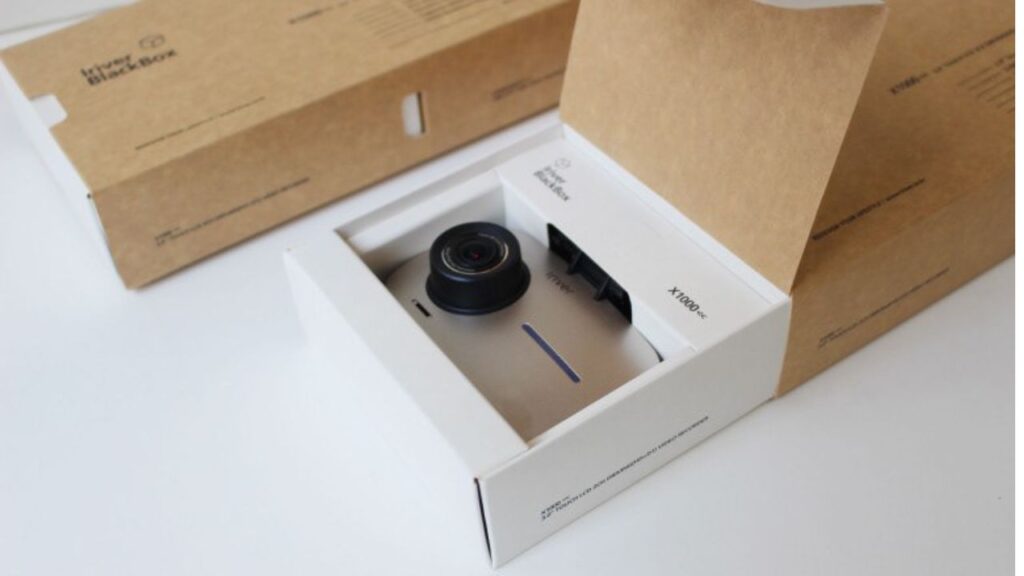
Internal inserts are custom-made to fit your product and its accessories perfectly, just like the neat trays you see inside a smartphone box. They keep everything stable and organized, and they make the unboxing experience feel more premium.
Inserts are perfect for products with lots of parts, high-end electronics, or anything that needs to look impressive and stay safe during shipping.
Molded Pulp (Paper Pulp)
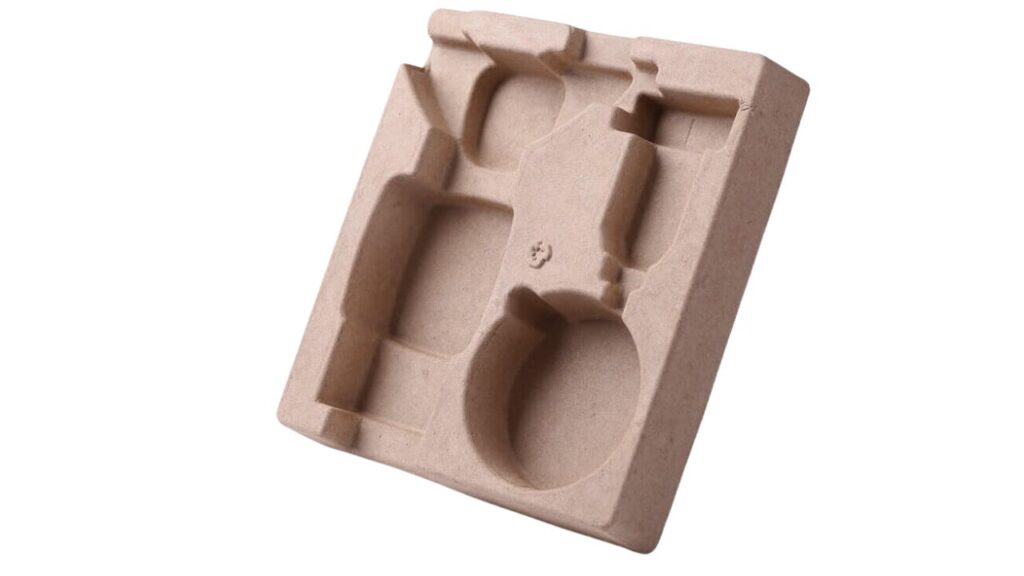
Molded pulp, sometimes called paper pulp, is another popular void filler. It’s made by shaping recycled paper into sturdy forms—kind of like the trays that hold eggs or protect electronics in their boxes. Molded pulp fits the shape of your product, giving it both support and cushioning.
It’s eco-friendly, biodegradable, and great for fragile items like glassware or electronics. Plus, it can be stacked up for easy storage. The only thing to keep in mind is that it usually comes in neutral colors and doesn’t have the sleek look of plastic, but it’s a top pick for brands that care about the environment.
Wooden Filler Materials
Wood isn’t just for boxes—it can also be a charming void filler! One of the most popular wooden fillers is wood wool.
Wood Wool
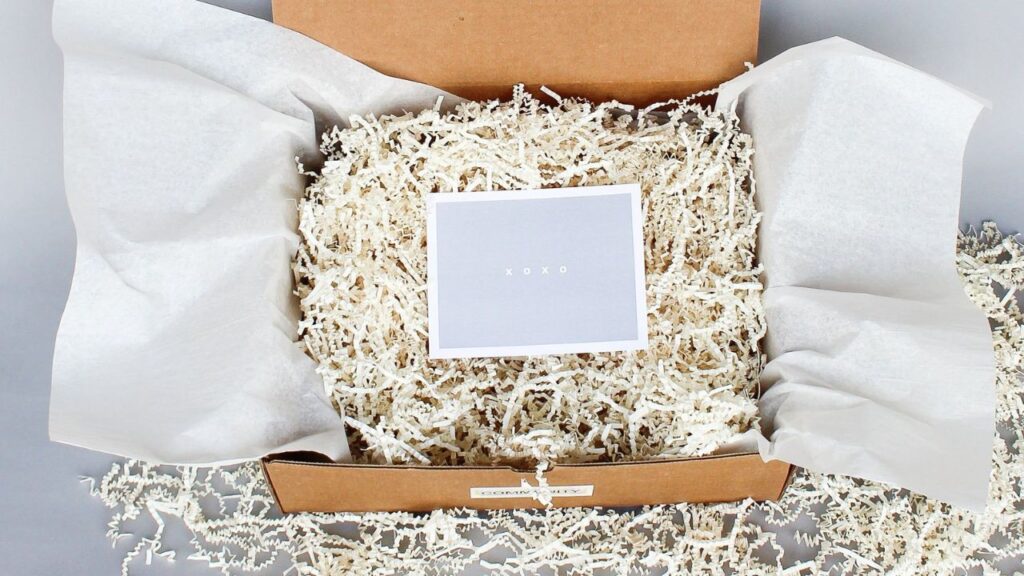
Wood wool is made by shaving and curling wood into fine, springy strands. It even has its own unique, natural woody scent. You’ll often see wood wool used in the packaging of high-end candles, handmade soaps, or artisanal gifts. It adds a rustic yet luxurious touch, making products look warm, natural, and special when you open the box.
But a quick tip: that woody smell, while pleasant for most, might not be a good match for everything, especially clothing or items that easily pick up scents. So, it’s best to consider what you’re packing before choosing wood wool as your filler.
Foam packaging Filler Materials
Foam fillers are super common for protecting fragile products, but some types are a lot friendlier to the environment than others. Let’s look at the main options:
Biodegradable Foam (Eco-friendly Packaging Peanuts)
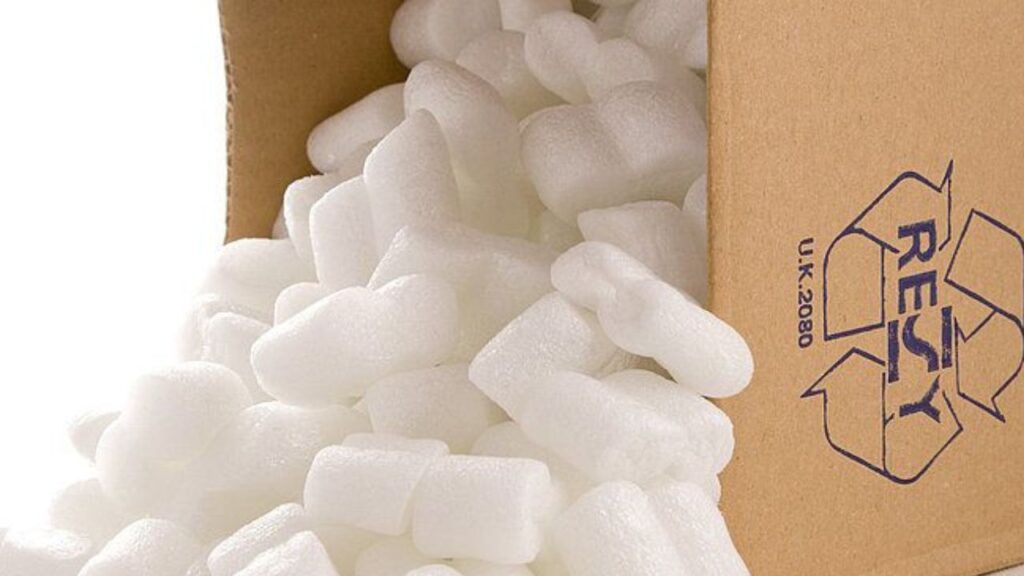
You’ve probably seen those little white foam peanuts in packages before. Traditional ones are made from polystyrene, which isn’t great for the planet—they don’t break down and can be harmful if they end up in the environment.
But now, there are biodegradable foam peanuts made from things like corn waste and other plant-based materials. These eco-friendly versions are lightweight, non-toxic, and break down naturally, which is a huge win for sustainability.
They’re great for protecting fragile items of all shapes and sizes, especially if you need to fill lots of gaps quickly. However, they’re not easy to customize (like shaping them for your exact product), and they tend to cost more than regular foam.
Foam Sheets
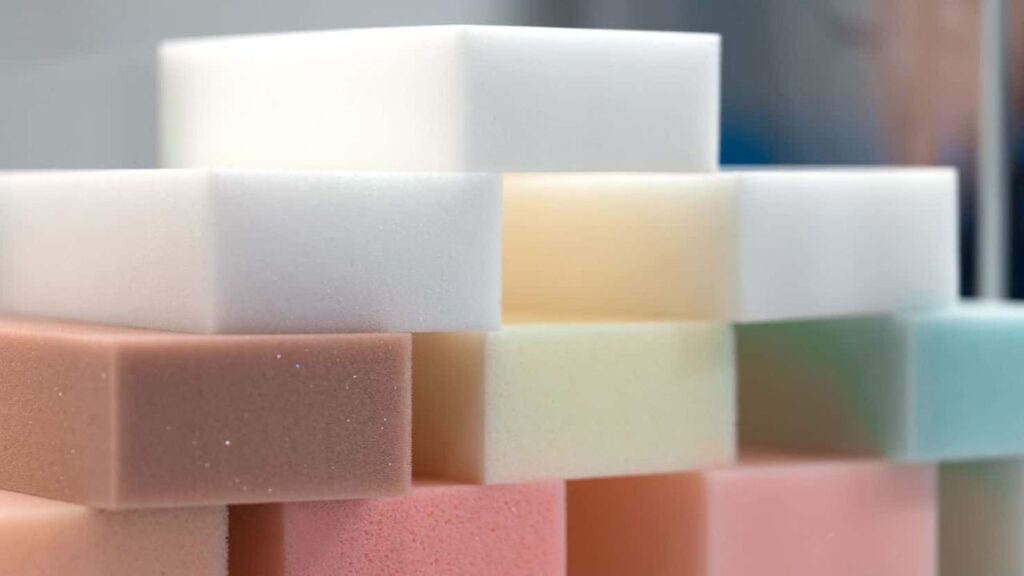
Foam sheets are like soft mats that line the inside of your shipping boxes. They’re perfect for wrapping up glassware, ceramics, or anything that could get scratched or broken during transit. Foam sheets do a great job of absorbing shocks and keeping things safe.
The downside is they’re not very eco-friendly, and since they’re often a bit bulky, they can add to your shipping costs. So, while they work well, it’s good to weigh the pros and cons for your brand.
Plastic Void Filler Materials
Plastic fillers are everywhere in packaging because they’re lightweight and do a good job of protecting products. However, they come with some environmental concerns. Here are two common types:
Bubble Wrap
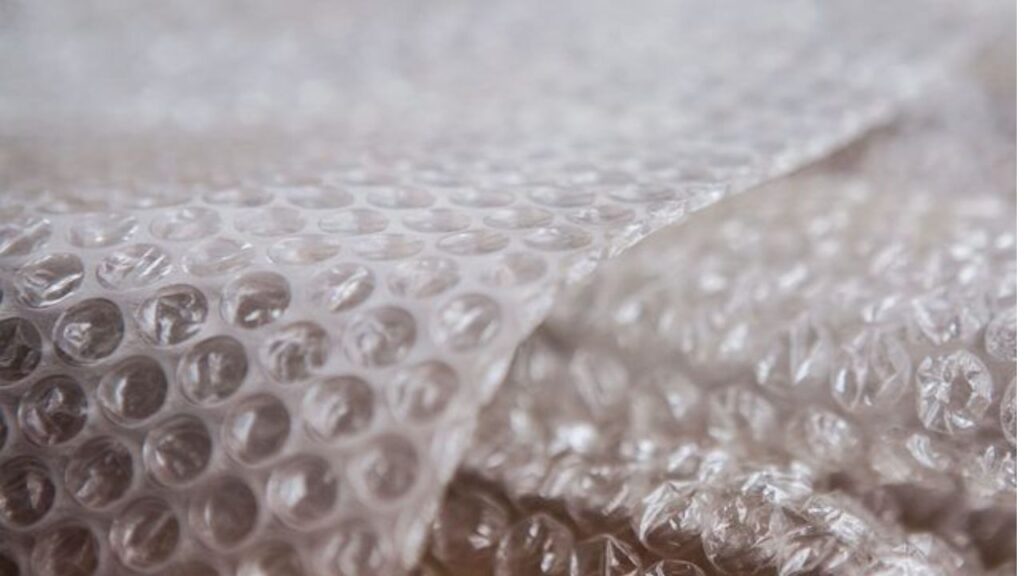
Bubble wrap is a classic! It’s cheap, easy to use, and you’ll find it in packages for everything from small gifts to electronic gadgets. Those tiny air bubbles do a great job of cushioning items and keeping them safe from bumps and drops.
But bubble wrap is made from single-use plastic, which isn’t good for the environment. It’s also not very customizable—you basically get what you get, and it’s hard to make it fit perfectly around every product.
Air Pillows
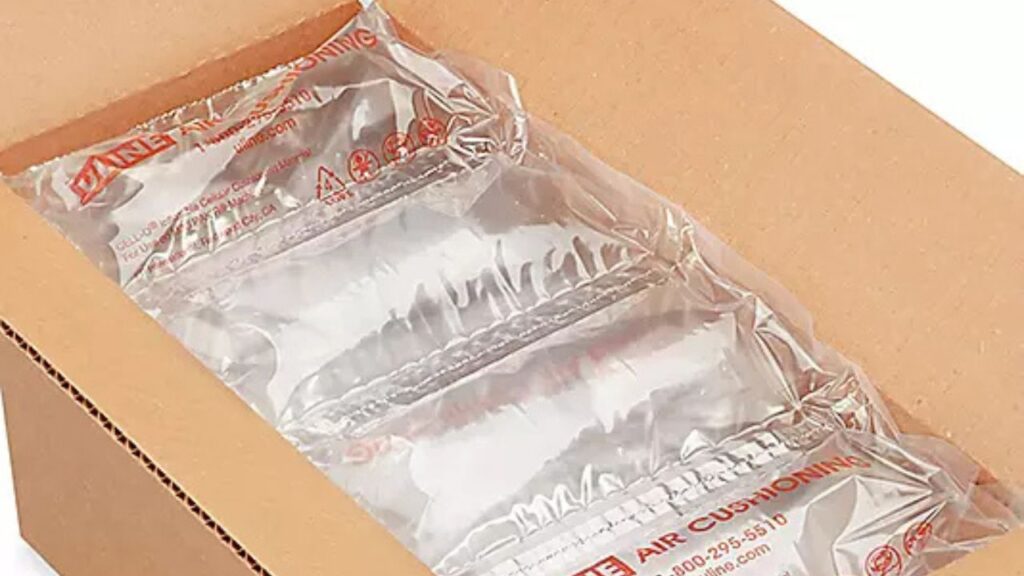
Air pillows are those inflatable plastic pouches you see filling extra space in larger packages. They’re great for separating products and making sure things don’t shift around during shipping. Plus, they take up almost no space before you inflate them, which is handy for storage.
You’ll often see air pillows used for shipping big items or lots of products at once. The downside? Regular air pillows are still made from plastic, so they’re not eco-friendly. There are some made from plant-based, biodegradable plastics, which are much better for the environment.
However, air pillows aren’t the best choice for packaging small items, since they work better for filling bigger gaps.
Selection Strategies for Packaging Filler Materials
Choosing the right packaging filler isn’t just about what looks good—it’s really about what your product needs to arrive safely and make a great impression. Here’s how to think it through:
Considering Product Characteristics
Every product is different, so it’s important to match your filler material to what you’re shipping. Factors like size, shape, weight, and fragility all play a part:
- Small & Fragile Items: If you’re sending something delicate and breakable—like jewelry, glass ornaments, or small electronics—fine cushioning materials work best. Options like tissue paper, honeycomb paper, or biodegradable foam peanuts fill in tiny spaces and gently protect the item from bumps.
- Large & Heavy Objects: For bigger or heavier products (think: cast-iron cookware or bulky electronics), you’ll want something sturdy that can handle the weight. Cardboard dividers, molded pulp inserts, or thick foam sheets help support the product and keep it from moving around in the box.
- Odd Shapes or Multiple Parts: Products with unusual shapes or lots of accessories—like a phone with its charger, earbuds, and manual—do well with custom inserts or molded pulp trays. These fillers are shaped to fit each piece perfectly, keeping everything organized and protected.
Let’s look at a few quick examples:
- Electronic devices: Phones or tablets usually come with custom internal inserts and sometimes foam sheets to keep all the parts snug and scratch-free.
- Glassware: Fragile glass bottles or jars are often packed with honeycomb paper, foam sheets, or cardboard dividers to stop them from bumping into each other.
- Textiles: Clothing and fabrics are often wrapped in kraft paper or tissue paper, which cushions them gently and keeps them looking fresh.
In short, think about what your product needs most—cushioning, support, separation, or a little bit of everything—and let those needs guide your choice of filler material.
Also for packaging inserts you can click here we have have the total guide for the packaging inserts for you .
Weighing Environmental Protection Requirements
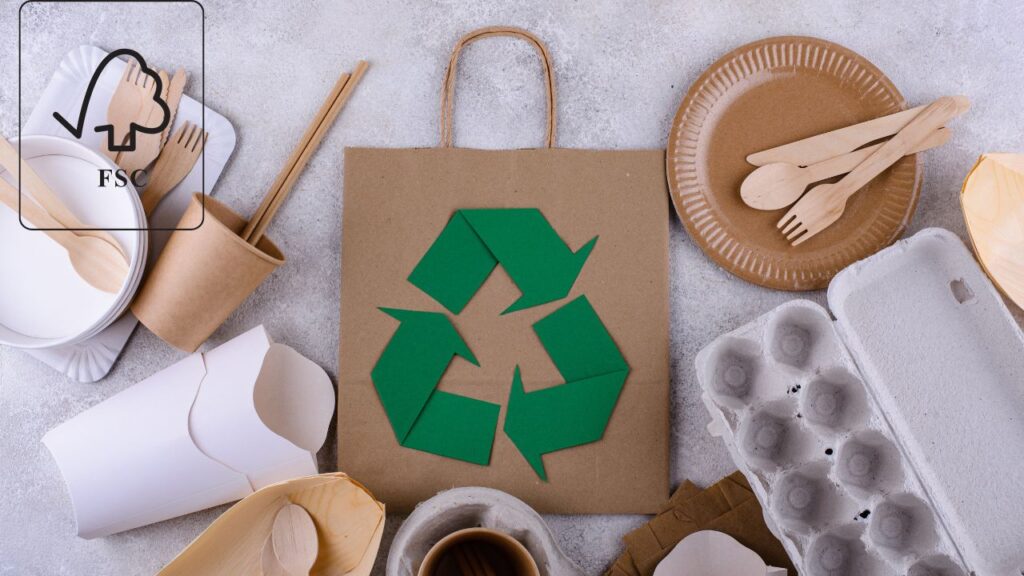
Nowadays, both businesses and customers care more about eco-friendly packaging than ever before. The type of filler material you use can have a big impact on your brand’s green image—and on the planet.
- Traditional Non-Degradable Fillers: Materials like regular plastic foam or air pillows are cheap and easy to use, but they stick around in landfills for a really long time. They don’t break down, and if they end up in the environment, they can cause pollution.
- Eco-Friendly Fillers: Paper-based fillers (like honeycomb paper, kraft paper, or molded pulp) and bio-based options (such as biodegradable foam peanuts made from corn) are much kinder to the environment. They break down naturally, are often recyclable, and usually come from renewable resources.
As people become more environmentally aware, companies are starting to switch to these greener options—even if they cost a little more. Choosing eco-friendly fillers not only helps the planet but can also boost your brand’s reputation with eco-conscious shoppers.
Of course, there’s a balance to strike: greener materials can be pricier, so it’s important to weigh the environmental benefits against your overall costs.
Combining with Cost Budgets
Let’s face it—budget is always a big factor when picking packaging fillers. The price tag isn’t just about the material itself; you also have to think about shipping costs.
- Material Costs: Traditional plastic fillers and foam sheets are generally cheaper upfront. Eco-friendly fillers like molded pulp or biodegradable foam tend to cost more because of their manufacturing process and raw materials.
- Transportation Costs: Bulky materials (like foam sheets) might be lightweight, but they take up a lot of space, which can drive up your shipping costs. On the other hand, fillers like air pillows save storage space before inflation, and paper-based fillers can often be packed more efficiently.
Tips for Cost-Effective Choices:
- If your budget is tight, try to prioritize materials that are recyclable or reusable, like cardboard inserts or kraft paper, which are often both affordable and green.
- Use the right amount of filler—enough to protect your product, but not so much that it adds unnecessary weight or volume.
- For products that aren’t super fragile, simple paper-based fillers can be a great balance between cost and protection.
In the end, it’s all about finding the right mix: protect your product, keep costs under control, and, whenever possible, make choices that are better for the environment.
Summary
Choosing the right packaging filler materials isn’t just about protecting your products—it’s also about reflecting your brand’s values, meeting customer expectations, and balancing cost with sustainability. Whether you need eco-friendly paper fillers, sturdy cardboard inserts, or high-performance foam and plastic solutions, making thoughtful choices ensures your products arrive safely and leave a great impression.
Still not sure which filler is best for your products? Contact us today for expert advice and customized packaging solutions tailored to your needs. Let’s work together to protect your products and the planet, while making your brand stand out!
 English
  العربية
  Deutsch (Sie)
  Español
  Français
  日本語
日本語  한국어
한국어  Italiano