

Aqueous Coating vs UV Coating: A Head-to-Head Comparison
Ever wondered why some products feel cheap while others scream premium quality? The coating on your packaging often makes that crucial difference. It affects durability during shipping. It influences customer perception at point of sale. It can even impact your profit margins.
1. Aqueous Coating
Definition: Water-based liquid coating that dries through evaporation. Creates a protective film on printed surfaces.
Aqueous coating is like thin liquid plastic that air-dries naturally. Contains water, acrylic resins, and gloss agents. Provides basic protection with subtle shine or matte finish. Eco-friendly and budget-friendly option.
2. UV Coating
Definition: Chemical-based coating that hardens instantly under UV light. Forms ultra-durable surface through cross-linking.
UV coating works like liquid glass that becomes rock-hard in seconds. Contains 100% solid polymer resins with no water. UV lamps trigger instant hardening. Creates extremely glossy, scratch-resistant finish that feels thick and premium.
Both coatings protect printed materials but deliver very different results. Their performance, cost, and environmental impact vary significantly. Understanding these differences helps you choose the right option for your needs and budget.
Aqueous vs UV Coating: A Quick-Decision Guide
| Need / Scenario | Aqueous Coating | UV Coating |
|---|---|---|
| Budget | ✔ Best value | ✖ Higher cost |
| Eco-friendly | ✔ Recyclable, biodegradable | ✔ Recyclable |
| Food packaging | ✔ FDA-compliant | ✔* Some types only |
| Fast turnaround | ✖ Slower drying | ✔ Instant cure |
| Super high gloss | ✖ Moderate | ✔ Ultra-gloss |
| Design highlights | ✖ Full surface only | ✔ Spot coating possible |
| Flexibility/folding | ✔ No cracking | ✖ May crack on folds |
| Durability | ✖ Good | ✔✔ Best |
Behind the Scenes: Comparing Aqueous and UV Coating Formulation and Curing
Formulation Basics: Aqueous Coating vs UV Coating
| Aspect | Aqueous Coating | UV Coating |
|---|---|---|
| Base Material | Water-based (60% water) | Solvent-free, 100% solid resins |
| Key Components | Acrylic polymers, water | Special resins for instant hardening |
| VOC Emissions | Low (water-based) | Zero (solvent-free) |
Curing Mechanisms for Aqueous coating vs UV coating
Aqueous Coating:
Air drying or low-heat evaporation at 50-70°C. Takes 1-5 minutes to fully cure. Requires basic drying equipment for large production runs. Water evaporates naturally or with gentle heat assistance.
UV Coating:
Instant curing via UV light from lamps or LEDs. Hardens in less than 1 second. No drying time needed. Sheets can be processed immediately after coating application.
Aqueous needs a short air or heat drying step. UV dries instantly under UV lamps. This makes UV ideal for fast production schedules. Aqueous works fine when time isn’t critical. UV eliminates production bottlenecks completely.
Performance Showdown: Durability and Appearance of Aqueous vs UV Coatings

1. Protection Capabilities
Aqueous Coating:
Resists minor scuffs and fingerprints effectively. Not suitable for wet or harsh environments. Very flexible – perfect for folded brochures, menus, and boxes. Won’t crack when materials bend or fold.
UV Coating:
Superior abrasion resistance, mar resistance, and chemical resistance. Water-resistant and handles heavy use well. Hard finish can crack on folds unless materials are pre-scored. Excellent for high-traffic applications.
For tough, high-wear jobs, UV delivers best protection. For flexible or folded packaging, aqueous prevents cracking issues.
2. Gloss and Appearance
Aqueous Coating:
Available in gloss, matte, satin, or soft touch finishes. Gloss looks nice but less intense than UV. Provides subtle, refined appearance. Good for elegant, understated designs.
UV Coating:
Creates glass-like, ultra-high gloss or dramatic spot effects. The most shine and contrast possible. Can achieve mirror-like reflectivity. Perfect for eye-catching premium looks.
Choosing the Right Finish: Ideal Applications for Aqueous and UV Coatings
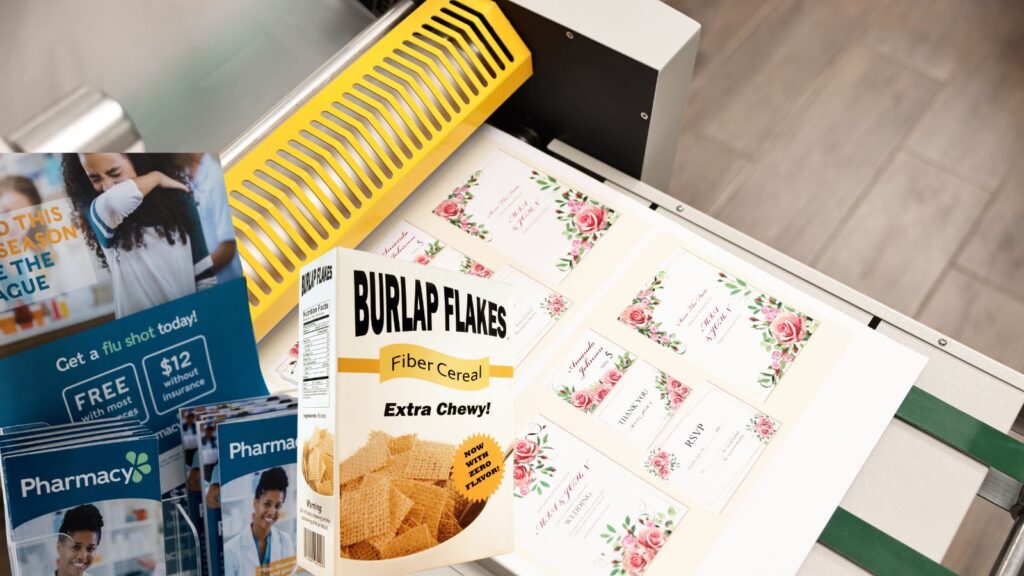
Choosing the right coating depends heavily on your specific application requirements. Consider your budget constraints, environmental conditions, and performance expectations. The material flexibility needs and visual impact goals also influence the decision.
1. Ideal Uses for Aqueous Coating
Budget-Friendly Projects: Flyers, postcards, and promotional prints where cost matters most.
Food Packaging: Cereal boxes, food cartons requiring FDA-compliant coatings for safety.
Folded Materials: Menus, brochures, multi-page documents that need flexibility without cracking.
Eco-Conscious Prints: Recyclable packaging and marketing collateral for green initiatives.
Aqueous is the top pick for affordable, environmentally friendly, food-safe, and flexible packaging needs.
2. Ideal Uses for UV Coating
High-Wear Items: Outdoor labels, retail displays facing heavy handling and weather exposure.
Luxury Packaging: Cosmetic boxes, premium product labels using spot UV for logo enhancement.
Durable Prints: Restaurant menus, high-touch items requiring more scratch resistance.
Design Contrast: Spot UV applications for visual highlights and tactile effects that demand attention.
Use UV for premium positioning, high-durability requirements, or visually striking packaging with brand highlights.
A Cost and Efficiency Comparison of Aqueous Coating vs UV Coating
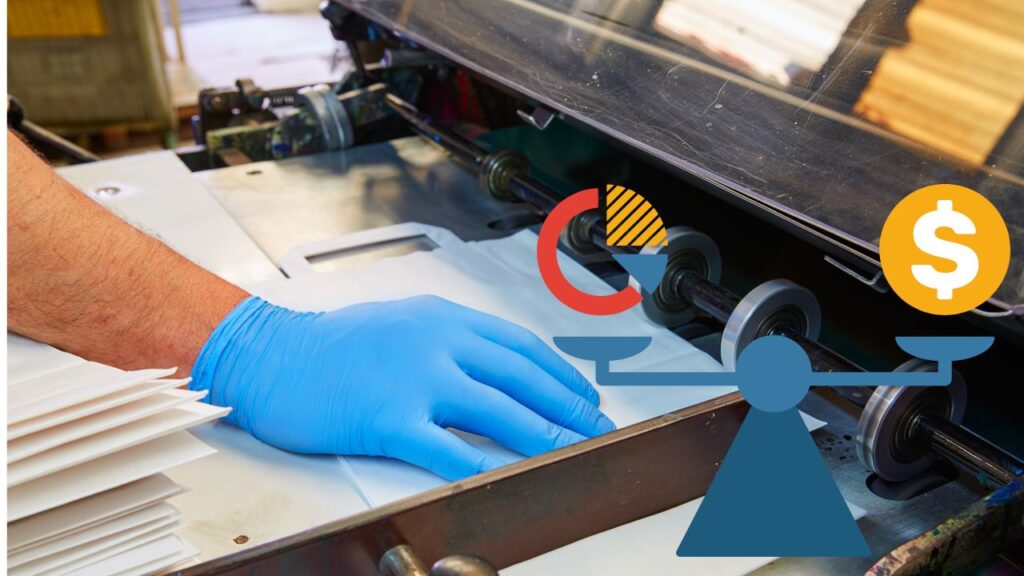
1. Cost Comparison
Aqueous Coating:
Typically runs 20-40% cheaper than UV coating. No special equipment investment needed. Lower setup costs make it attractive for smaller budgets. Material costs stay predictable and manageable.
UV Coating:
Higher upfront cost due to specialized resins and UV equipment requirements. However, the investment pays off for high-volume, high-durability applications. Premium positioning often justifies the extra expense.
From our experience, budget-conscious projects perform well with aqueous coating. For premium products or heavy-use applications, clients find UV coating worth the additional investment. The key is matching cost to your project’s value proposition.
2. Production Efficiency
Aqueous Coating:
Slower drying can create bottlenecks on large production runs. Requires extra time for drying in offset printing workflows. Planning around drying time becomes crucial for tight deadlines.
UV Coating:
Instant curing eliminates waiting time completely. Perfect for fast-paced, high-volume production schedules. No workflow delays from drying processes.
When speed drives your timeline, UV coating proves unbeatable in production efficiency. Aqueous coating still delivers adequate speed for most standard projects. The difference becomes critical only when deadlines are extremely tight or volumes are massive.
Aqueous Coating vs UV Coating in Action: Real-World Case Studies
From our years of experience serving diverse clients, these examples demonstrate how each coating performs in practice. These cases illustrate the decision-making process and outcomes we’ve seen across different industries and project requirements.
1. Aqueous Coating in Action
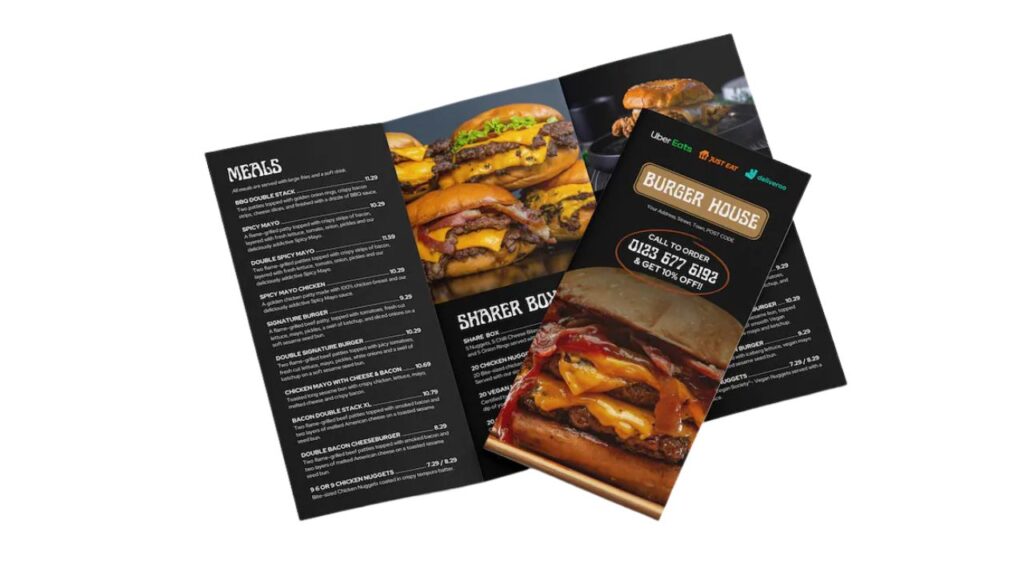
Project: 10,000 foldable restaurant menus for a restaurant chain expansion.
Challenge: Needed a cost-effective coating that wouldn’t crack when folded. Required food-safe compliance for dining environments. Tight budget with high volume demands.
Solution: Applied aqueous coating with matte finish for durability and elegant appearance.
Result: No cracking on folds after months of use. Cost stayed within budget parameters. FDA-compliant coating met all safety requirements. Perfect solution for high-volume food service applications.
2. UV Coating in Action
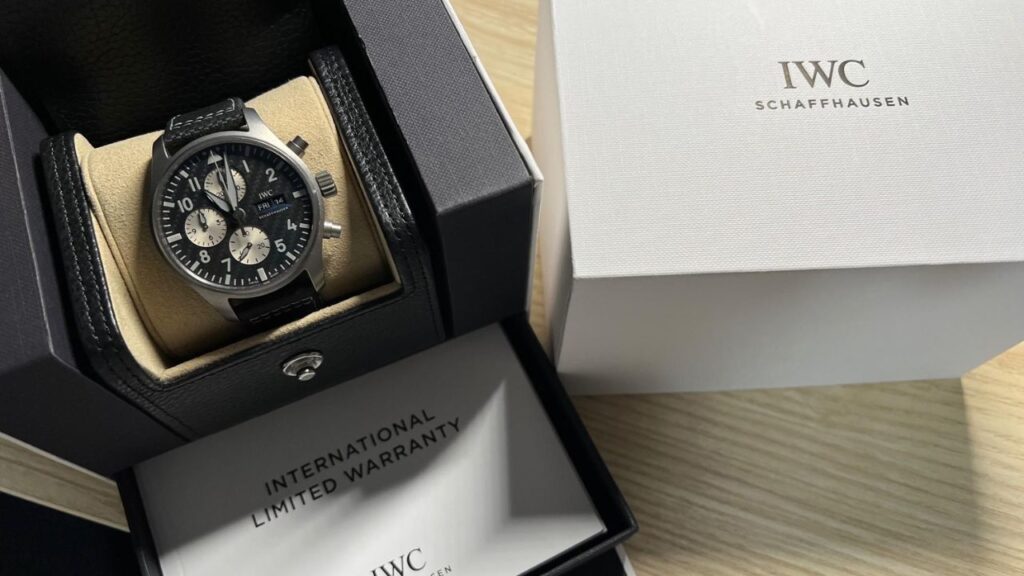
Project: Luxury watch packaging with spot UV on brand logo and product imagery.
Challenge: Premium brand needed packaging that conveyed luxury positioning. Required scratch resistance during shipping and retail handling. Logo needed much visual impact on shelf.
Solution: Applied spot UV coating selectively on logo and key design elements.
Result: Ultra-high gloss created stunning brand impact that justified premium pricing. Scratch resistance maintained pristine appearance through distribution. Spot UV made the brand pop against competitors while packaging withstood all handling demands.
Sustainability and Safety: The Environmental Impact of Aqueous Coating vs UV Coating
1. Eco-Friendliness
Aqueous Coating:
Biodegradable and fully recyclable. Safe for food packaging applications. Low VOC emissions with non-toxic, non-flammable properties.
UV Coating:
Recyclable with low emissions during production. Less biodegradable than aqueous. Some uncured UV can irritate skin during handling – no issue in finished packaging.
Both coatings are recyclable and environmentally responsible. Aqueous offers the greener choice for biodegradability and food safety applications.
2. Regulatory Compliance
Aqueous Coating:
Meets food safety standards for direct food contact applications like cereal boxes and food cartons.
UV Coating:
Some formulations are food-safe – requires specific types for food packaging applications.
Both coatings can achieve food compliance when properly specified. We recommend the safest choice based on your specific packaging requirements.
Conclusion: Making the Final Choice Between Aqueous and UV Coating
Aqueous: Cost-effective, environmentally friendly, and flexible – ideal for everyday projects, short-term applications, or folded materials.
UV: Durable, ultra-gloss finish with versatile applications – perfect for premium products, high-wear items, or design-driven projects.
Choose aqueous coating for most budget-conscious or eco-focused projects. Select UV coating when you need standout visuals and maximum durability.
The main difference: Aqueous prioritizes cost and sustainability, while UV delivers premium appearance and long-lasting performance.
Ready to elevate your next printing project? Our coating experts are standing by to help you choose the perfect finish for your specific needs and budget. Whether you’re looking for cost-effective aqueous coating or premium UV finishing, we’ll guide you to the right solution.
Contact us today for a free consultation and quote – let’s bring your vision to life with the ideal coating solution.
Want to learn more about the Aqueous Coating click here for our guide book for Aqueous Coating.
Want to learn more about the UV Coating click here for our guide book for UV Coating.
FAQ
Will UV coating affect recyclability?
No, both UV and aqueous are recyclable with standard paper waste.
Can I choose a matte look with UV?
Yes, matte UV is available—ask for samples if you want a non-gloss finish.
 English
  العربية
  Deutsch (Sie)
  Español
  Français
  日本語
日本語  한국어
한국어  Italiano