
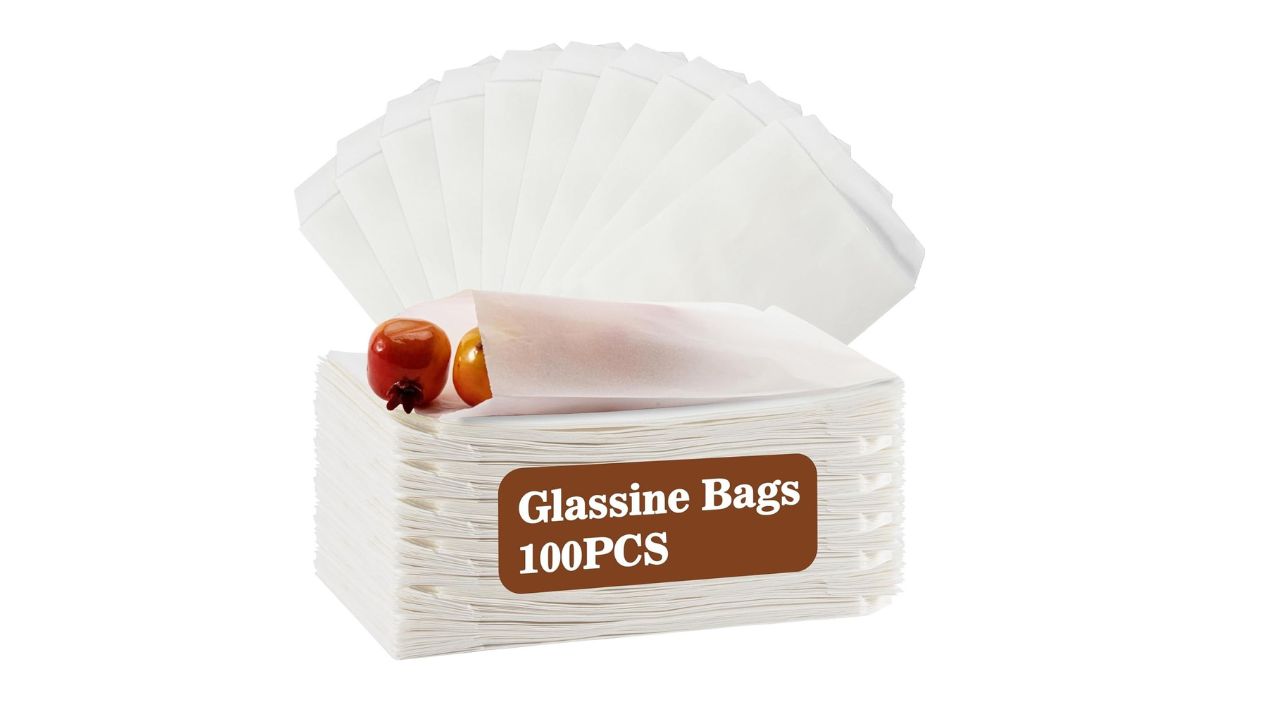
Ever held a cookie in a smooth, see-through paper bag and wondered what makes the packaging feel so special? That’s likely glassine paper—it may sound fancy, but you’ve probably touched it more times than you think.
In today’s post, we’re diving into what makes glassine paper unique, how it’s made, where it shows up in real life, and why more brands are choosing it for a greener future. Curious to know if glassine could be the right pick for your product? Let’s take a closer look together!
What is Glassine Paper?
1. Definition and Origins
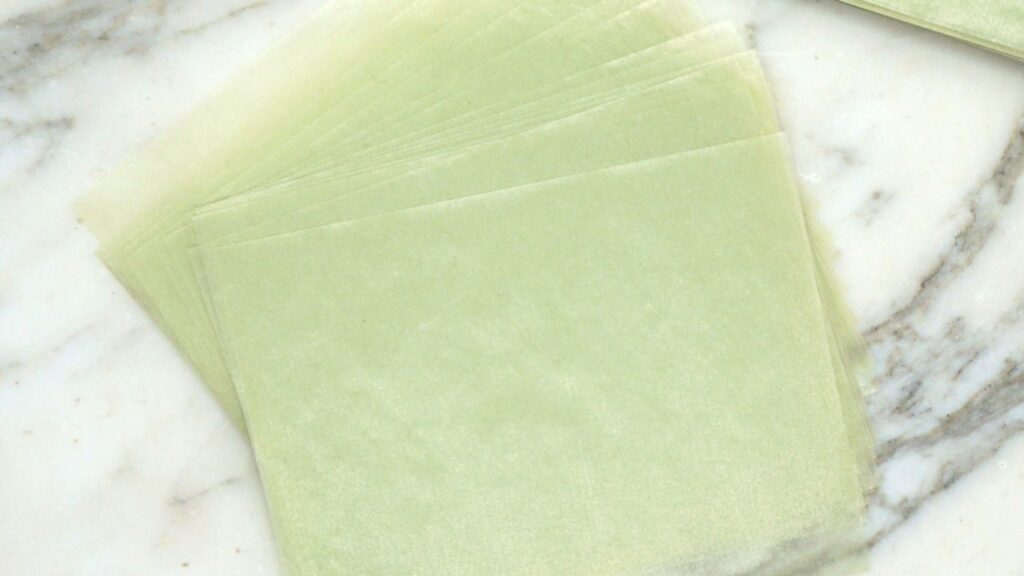
Glassine paper is a smooth, glossy, and semi-transparent paper known for its waxy feel and glass-like look. It is made by supercalendering, a process that gives the paper its signature shine and smoothness.
Unlike wax paper or parchment paper, glassine is not coated but naturally resistant to air, water, and grease. Its unique properties make it popular for packaging, food wrapping, and protecting items like stamps, stickers, and artwork.
2. Chemical and Physical Properties
Glassine paper starts out as regular wood pulp, but it goes through extra steps and sometimes gets special additives to make it stronger or more water-resistant. What really sets it apart is its smooth, shiny surface and how light can pass through it, giving it that almost see-through look.
It’s also pretty sturdy for how thin it feels, and it doesn’t let grease or moisture soak in easily. That’s why you’ll often see it used for wrapping food, protecting stickers, or lining envelopes.
So, how does ordinary wood pulp turn into this smooth, shiny paper? Let’s take a quick look at how glassine is made.
The Manufacturing Process of Glassine Paper+
1. Fiber Selection and Preparation
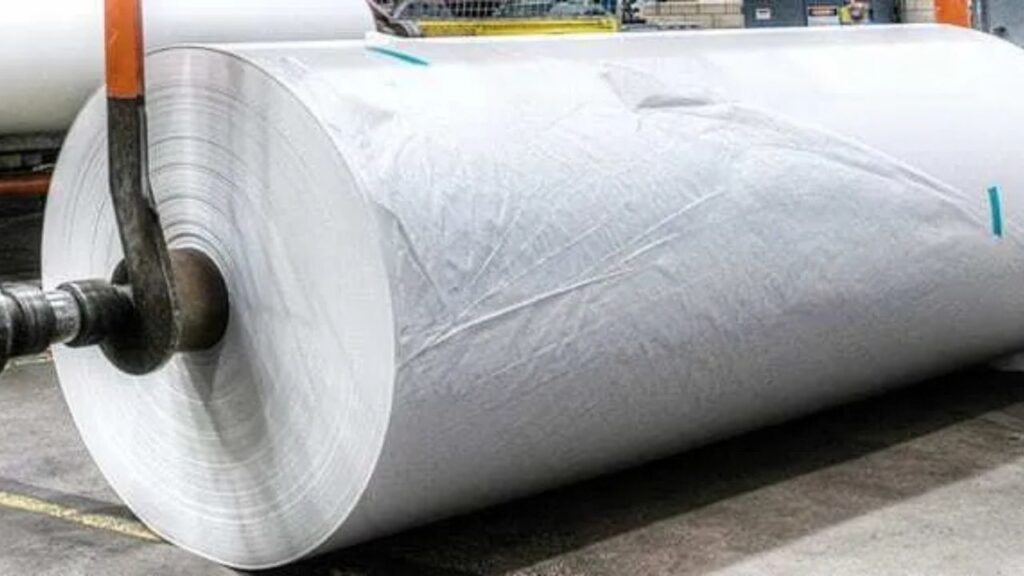
It all starts with picking the right wood pulp, because the quality of the fibers decides how good the glassine paper will be. First, the wood is soaked, refined, and bleached to get clean, smooth fibers ready for the next steps. This careful preparation sets the foundation for making strong, shiny glassine paper.
2. Special Treatments and Finishing
The next step is special treatment. The most important is supercalendering. The paper is pressed between hard rollers. This makes it extremely smooth. It also increases translucency.
Sometimes, the paper gets extra finishes. Sizing or light coatings can be added. These improve water resistance. They also make the paper stronger. Each treatment is important. Together, they give glassine its unique look and feel.
Diverse Applications of Glassine Paper
Thanks to these unique properties, glassine paper is used in a wide range of industries and everyday products.
1. Packaging Industry
In packaging, glassine paper is known for being useful in many ways. Because it doesn’t let water or oil pass through easily, it’s great for wrapping food like pastries, chocolate, and sandwiches.
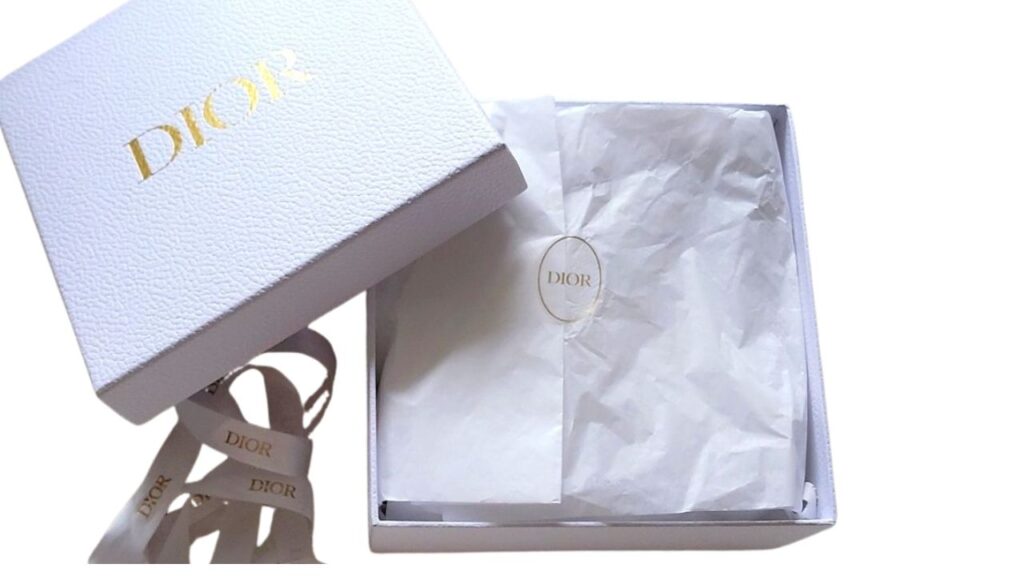
For things that are easy to scratch—like jewelry or nice makeup—glassine’s smooth and shiny surface helps keep them safe, and it also looks good. That’s why people use glassine for both simple and fancy packaging.
2. Arts and Crafts
In arts and crafts, glassine paper is valued for its versatility. Its see-through quality makes it great for handmade envelopes, layering in scrapbooks, and adding texture to paper art.
Artists and crafters like how it works with light and color, helping them create interesting and unique effects in their projects.
3. Industrial and Technical Uses
Glassine paper isn’t just for everyday products—it’s also important in many industrial and technical settings. In printing, it’s often used as a release liner for stickers and labels because its surface doesn’t stick to adhesives.
Its resistance to moisture and ability to insulate also make it useful for things like electrical parts or as a separator during manufacturing. These features help glassine paper handle tough jobs behind the scenes.
Thickness/Weight (GSM) Choices:
From our experience as a manufacturer, thickness matters. Light items like baked goods or stationery work well with 30–40 GSM glassine. This option is flexible and cost-effective. For jewelry or crafts, 40–60 GSM gives more strength and protection. It balances durability and flexibility.
Premium cosmetics or other sensitive goods benefit from glassine above 60 GSM. This adds extra protection and a premium feel. The right choice keeps products safe and packaging professional. Not sure which to use? Let us provide samples and advice for your needs.
Colors & Printing:
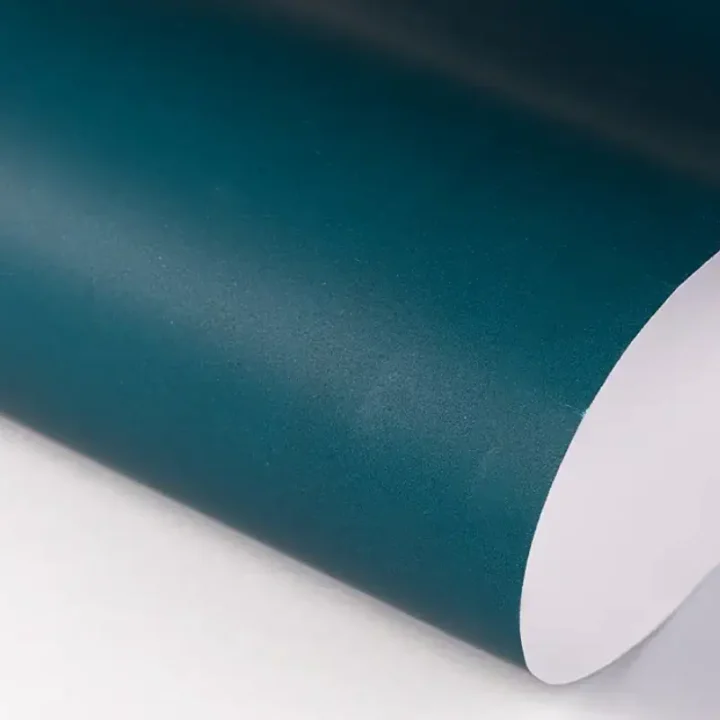
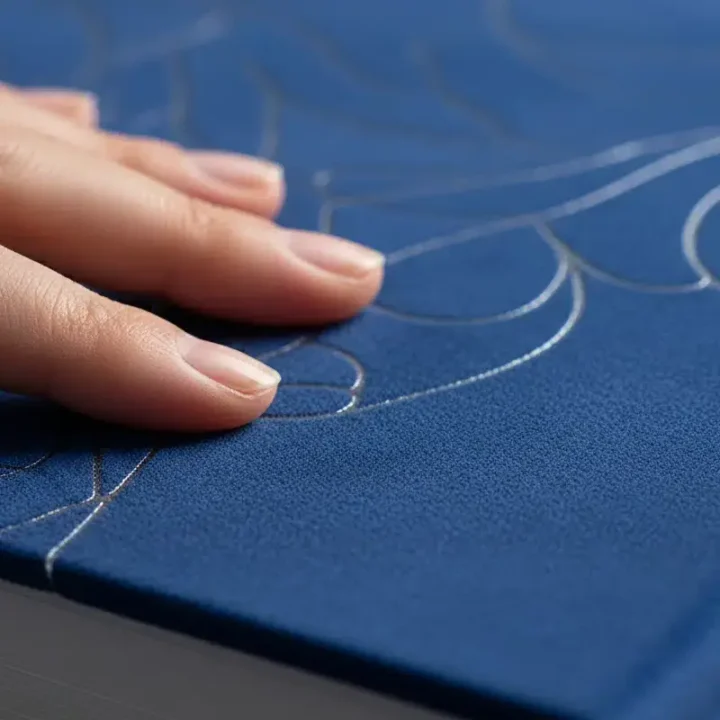
In addition to standard clear (natural) glassine, we can also provide colored glassine options to help your packaging stand out. Custom printing is available as well—we regularly print logos, patterns, or brand messages directly onto the glassine paper according to each client’s needs.
For printing, we offer several methods:
- Flexographic Printing (Flexo): This is a popular choice for large runs and simple designs. Flexo delivers solid, consistent colors and works well for repeating patterns or basic logos.
- Offset Printing: Offset is ideal for more detailed artwork or when you need higher image quality. It’s suitable for medium to large quantities and allows for more color accuracy and fine details.
- Digital Printing: If you need smaller quantities or highly customized designs, digital printing is a flexible and cost-effective option. It’s great for trial runs, personalizations, or multi-version prints.
The results depend on your chosen method: flexo gives bold, clear graphics; offset achieves detailed, vibrant images; and digital allows for fast turnaround on short runs with complex designs.
We’re happy to recommend the best option based on your project requirements, quantity, and budget.
Combinations with Other Packaging Materials:
Glassine paper pairs well with other packaging materials to enhance both protection and presentation. It can be used as an inner wrap inside boxes to keep products safe from moisture or grease, or combined with cardboard sleeves for a clean, layered look.
Many brands also use glassine bags or sheets inside larger cartons to separate and protect individual items. These combinations not only improve product safety but also add a touch of elegance to your packaging.
Glassine Paper and Sustainability
Beyond its versatility and appearance, glassine paper’s sustainability is another key advantage worth considering.
1. Environmental Impact
While glassine paper offers many practical benefits, its production has environmental implications. The use of wood pulp raises concerns about deforestation, and the manufacturing process consumes energy and generates waste. Although recyclable, its specialized treatments can pose challenges during the recycling process, affecting its overall environmental footprint.
2. Sustainable Alternatives and Improvements
While glassine paper is useful in many ways, its production does have some environmental impact. Since it’s made from wood pulp, there are concerns about sourcing and deforestation.
The manufacturing process also uses energy and creates some waste. Glassine is recyclable, but certain treatments—like added colors or coatings—can make recycling more difficult, which is something to keep in mind when considering its overall sustainability.
Comparison With Other Materials
| Material | Eco-Friendliness | Key Advantages | Key Disadvantages |
|---|---|---|---|
| Glassine Paper | Biodegradable, renewable; recyclable (with some limits) | Smooth, grease-resistant, see-through | Some treatments make recycling harder; resource-intensive to produce |
| Plastic Film | Not biodegradable; made from fossil fuels | Very durable, moisture-proof, flexible | Hard to recycle; environmental pollution |
| Kraft Paper | Biodegradable, recyclable; renewable | Strong, natural look, easy to recycle | Not as grease- or moisture-resistant, rougher texture |
| Silicone Paper | Partially recyclable (coating limits recycling) | Non-stick, heat-resistant, good for baking | Not biodegradable; coating makes recycling difficult |
Conclusion
Glassine paper is versatile and unique. It’s smooth, grease-resistant, and biodegradable. Fits packaging, art, and industry. Production and recycling matter. Choose wisely. Letai offers samples and custom solutions. Contact us to upgrade your packaging.
 English
  العربية
  Deutsch (Sie)
  Español
  Français
  日本語
日本語  한국어
한국어  Italiano