
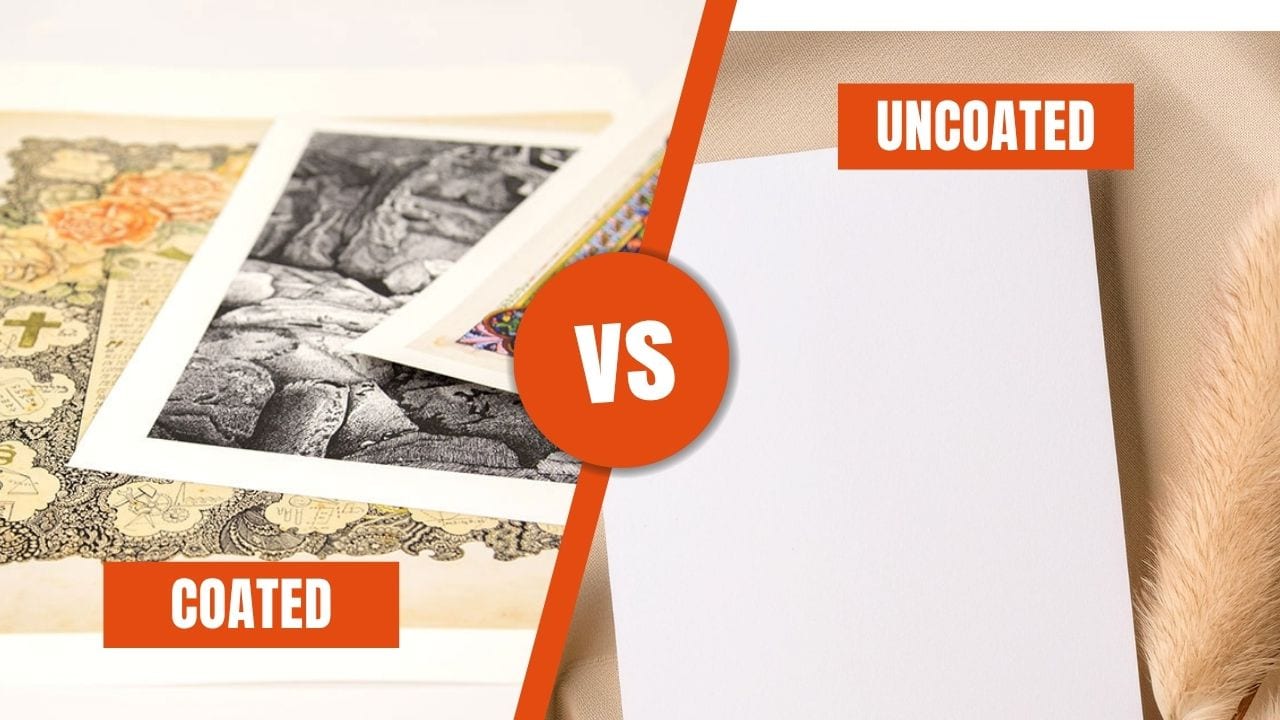
Coated Paper vs Uncoated Paper: A Head-to-Head Comparison for Print Projects
When choosing paper for your project, you need to understand the basic difference between coated and uncoated paper. It’s really about smooth and shiny versus natural and writable.
Coated paper has a thin layer applied to one or both sides. This layer contains clay, polymer, or mineral coating. The coating creates a smooth, non-porous surface. Think of it like putting a protective shield on regular paper. This shield makes the surface much smoother and less absorbent.
Uncoated paper doesn’t have any surface treatments. It keeps the porous, natural texture that comes from its wood pulp base. The paper fibers stay exposed. This gives uncoated paper its characteristic rough feel and absorbent qualities.
The easiest way to tell them apart is by touch. Coated paper feels smooth and sometimes slippery. Uncoated paper feels slightly rough and natural. Coated paper often has a slight shine, while uncoated paper looks more matte and flat.
This fundamental difference affects everything else about how these papers work. It changes how they print, how they feel, how much they cost, and what jobs they’re best for.
Coated vs Uncoated Paper: A Quick-Decision Cheat Sheet for Print Needs
| Need/Scenario | Coated Paper | Uncoated Paper |
|---|---|---|
| Color vibrancy | ✔✔ Best | ✖ Muted colors |
| Text readability | ✔ Good (matte/silk) | ✔✔ Best, no glare |
| Writeability | ✖ Poor | ✔✔ Excellent |
| Durability | ✔ Moisture-resistant | ✖ Absorbs moisture |
| Eco-friendly/recycled | ✔ Ask for options | ✔✔ Easiest |
| Budget | ✖ Higher | ✔✔ Lowest |
| Premium finishes | ✔ Gloss, matte, satin | ✖ Limited |
| Flexibility/folding | ✖ Can crack | ✔✔ Flexible |
The Science Behind Coated Paper vs Uncoated Paper: How They Are Made
1. Material Makeup
Both coated and uncoated paper start with the same basic ingredient. The difference comes from what happens next in the manufacturing process.
The base substrate is identical for both types. Both use wood pulp as their foundation. This pulp can be chemical or mechanical. Chemical pulp gives stronger, higher-quality paper. Mechanical pulp costs less but creates weaker paper. The choice depends on what the final paper needs to do.
Adding layers creates a big difference. Coated paper gets a mineral-based coating applied on top of the base pulp. This coating contains materials like clay, calcium carbonate, or polymer compounds. Uncoated paper gets no additional layers. It stays as pure wood pulp.
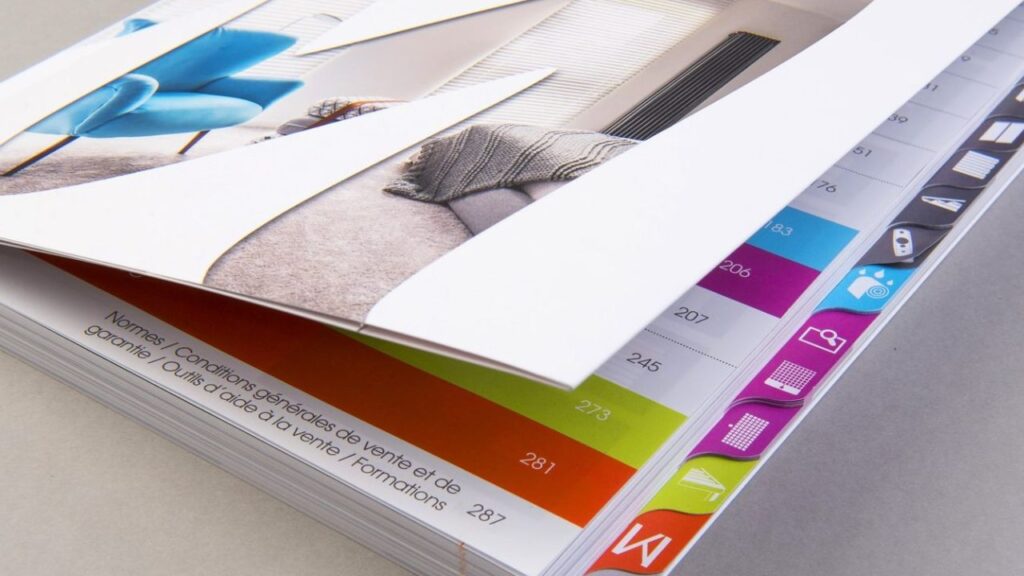
Surface texture changes dramatically because of this coating. Coated paper becomes smooth and non-porous. The coating fills in all the tiny gaps between pulp fibers. This creates an even, flat surface. Uncoated paper stays porous and textured. You can actually see the individual pulp fibers on the surface.
Think of it like the difference between a smooth painted wall and natural wood. Both start with the same base material. But the coating completely changes how the surface looks and feels.
This manufacturing difference affects everything else about these papers. It changes how ink sits on the surface, how colors look, and how the paper handles moisture.
Coated Paper vs Uncoated Paper: A Visual Showdown of Print Quality and Finishes
1. Print Quality Factors
| Aspect | Coated Paper | Uncoated Paper |
|---|---|---|
| Color Vibrancy | High: bright, bold images | Muted: colors appear softer |
| Sharpness | Crisp details, fine lines | Softer: slight ink spread |
| Gloss Options | Shiny, matte, or satin finish | Natural matte only |
| Ink Drying | Slower (resists absorption) | Faster (absorbs ink quickly) |
2. Finish Variations for Coated Paper vs Uncoated Paper
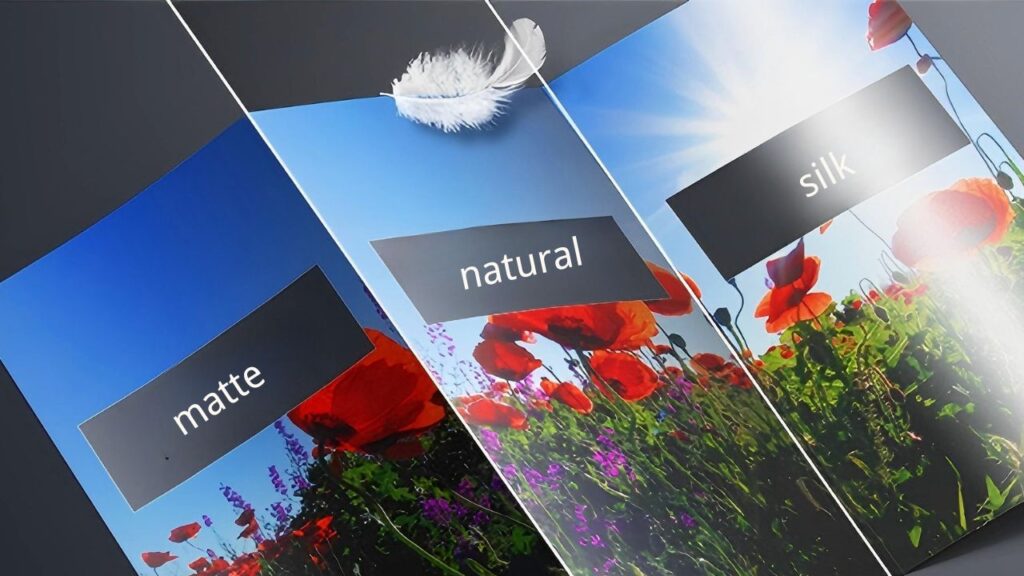
The coating process opens up many finish options that change how your paper looks and feels.
Coated paper comes in three main finishes. Gloss creates a reflective surface that makes images pop. Colors look more vivid and saturated. This finish grabs attention and works great for magazines, product catalogs, and marketing materials where you want maximum visual impact.
Matte gives you a non-reflective, soft look. This finish reduces glare and makes text easier to read. It feels more sophisticated and elegant. You’ll see matte coated paper on high-end brochures, art books, and premium packaging where you want a refined appearance.
Satin or silk finishes sit between gloss and matte. They give you balanced shine and feel. You get some reflection for good color reproduction, but not so much that it becomes distracting. This works well for corporate materials, annual reports, and products that need to look professional but not flashy.
Uncoated paper has a natural finish. This creates a warm, organic texture that feels authentic and approachable. The rough surface makes it perfect for writing and comfortable reading. You see this on letterhead, books, forms, and any materials where people need to write or read for extended periods.
Choose gloss when you want eye-catching images. Pick matte or silk for elegance and sophistication. Go with natural, uncoated paper for a minimalist, writable effect that feels personal and authentic.
Coated Paper vs Uncoated Paper: Durability and Practical Use Comparison
1. Durability and Resistance
Each paper type handles different challenges better than the other.
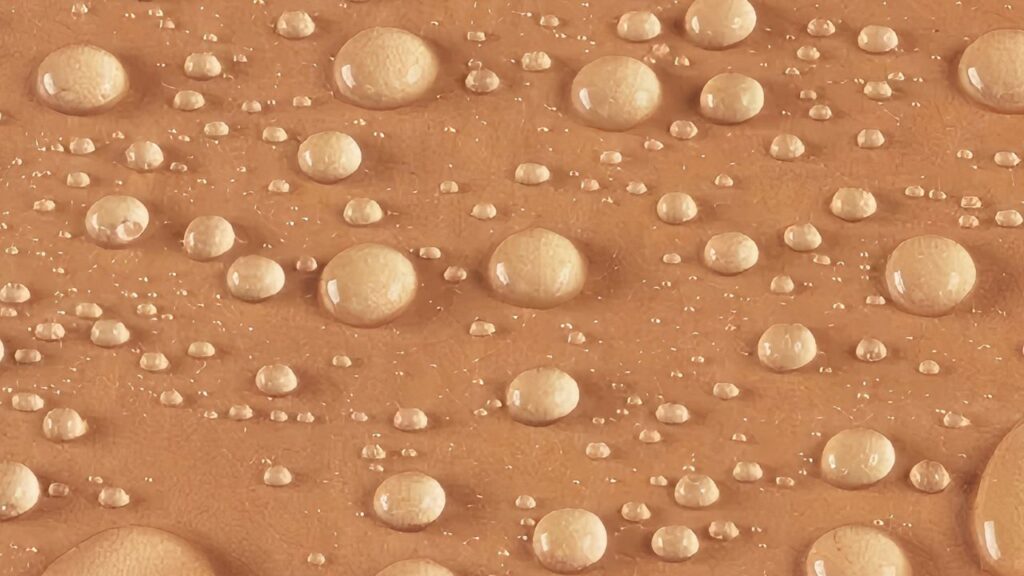
Coated paper is stronger against spills and damage. The coating acts as a protective barrier that resists moisture, stains, and scuffs. If you spill coffee on coated paper, it’s more likely to bead up and wipe away cleanly. The smooth surface also resists scratches and fingerprints better than uncoated paper.
However, coated paper has one weakness. It can crack when folded sharply. The coating layer doesn’t bend as easily as the paper underneath. For clean folds, you need to score the paper first. This creates a controlled crease line that prevents cracking.
Uncoated paper takes the opposite approach. It absorbs moisture and stains more readily because of its porous surface. A coffee spill will soak right in and leave a permanent mark. But uncoated paper is much more flexible and less likely to crack. You can fold it repeatedly without damage.
Uncoated paper also ages naturally. Over time, it develops a soft patina that many people find appealing. This aging gives documents character and warmth.
Choose coated for strength against spills and surface damage. Pick uncoated when you need flexibility and don’t mind some natural aging.
2. Practical Usability
The coating dramatically changes what you can actually do with the paper.
Coated paper has some limitations for everyday use. It’s not suitable for handwriting because ink may smudge on the smooth surface. Ballpoint pens often skip, and pencils don’t grip well. However, coated paper excels at specialty finishes. You can add UV coating, foil stamping, embossing, and other premium effects that look stunning.
Uncoated paper shines for hands-on activities. It’s excellent for writing, stamping, or direct marking. Pens glide smoothly, pencils work perfectly, and rubber stamps create crisp impressions. The porous surface grabs ink and holds it securely.
The trade-off is that uncoated paper is limited to natural or muted finishes. You can’t achieve the same high-gloss effects or specialty treatments that work on coated paper.
Pick coated for maximum print impact and special finishes. Choose uncoated for forms, letters, or anything that needs to be hand-written. Think about how people will actually use your printed material when making this choice.
Coated Paper vs Uncoated Paper: Ideal Applications for Print Projects
1. Coated Paper Use Cases
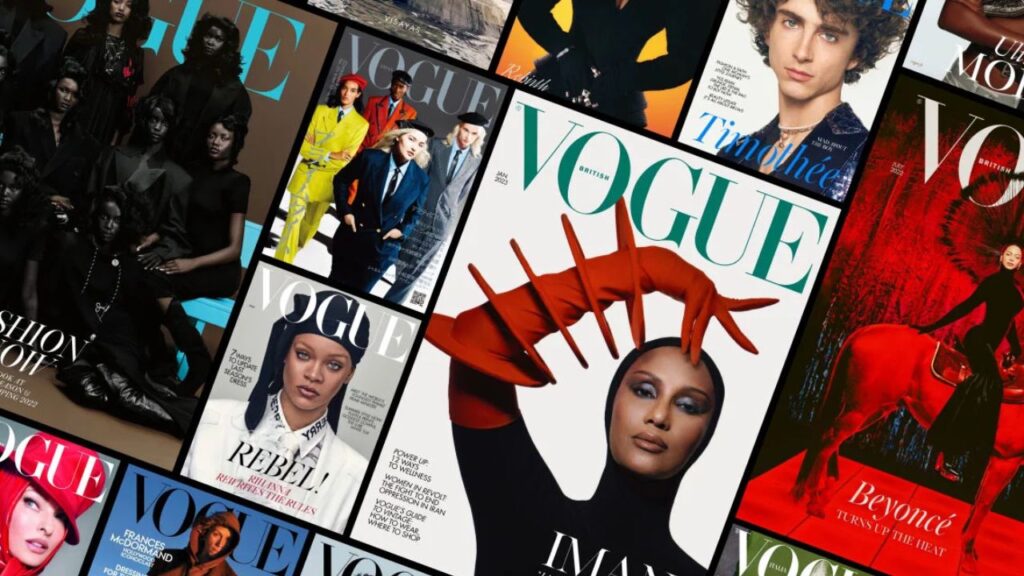
Coated paper works best for marketing, packaging, and any print that needs to “wow” your audience.
Publishing relies heavily on coated paper for visual impact. Magazines use it to make photos look crisp and colors pop off the page. Catalogs need coated paper to show products accurately with sharp details. Coffee table books use heavy coated paper to create that premium, gallery-quality feel that makes images look stunning.
Marketing materials almost always benefit from coated paper. Posters need the color vibrancy to grab attention from across a room. Brochures use coated paper to make product photos look professional and appealing. Product flyers rely on sharp visuals to convince customers, and coated paper delivers those crisp, eye-catching results.
Packaging uses coated paper when brands want a premium look with protection. Cosmetics boxes need that smooth, luxurious feel that suggests high quality. Electronics packaging uses coated paper to protect products while showcasing them with sharp graphics. Luxury boxes for jewelry, watches, or high-end products rely on coated paper’s sophisticated appearance and durability.
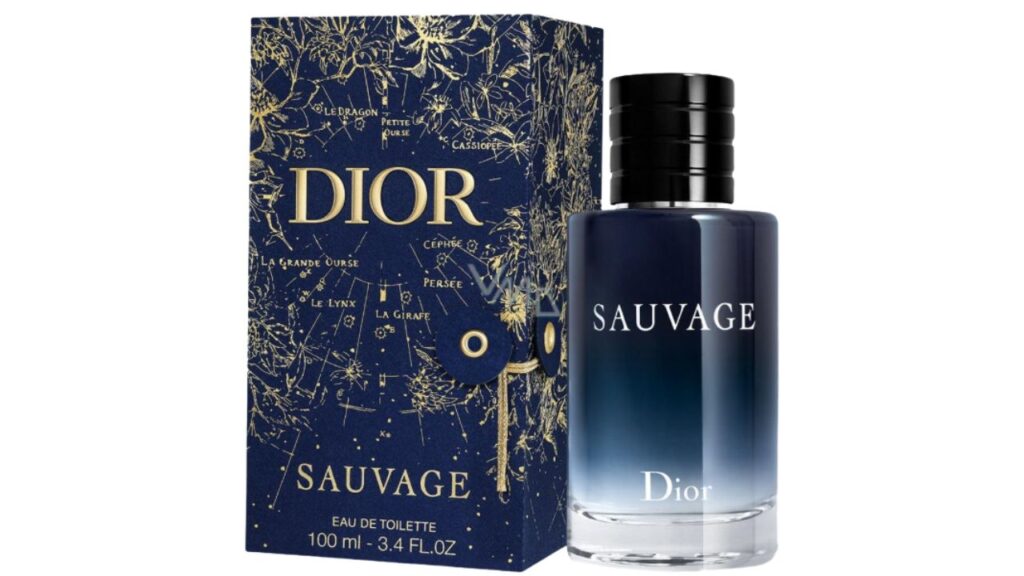
The common thread is visual impact. When you need your printed material to impress, persuade, or protect, coated paper delivers.
2. Uncoated Paper Use Cases
Uncoated paper excels for writing, comfort reading, and eco-friendly packaging where natural appeal matters.
Stationery depends on the uncoated paper’s writeable surface. Business cards on uncoated stock feel more substantial and professional while accepting ink from pens. Letterheads need to work with handwritten notes and signatures. Envelopes must be writeable for addresses and return information.

Books often choose uncoated paper for reader comfort. Novels use uncoated paper because there’s no glare when reading under different lighting. Textbooks benefit from the non-reflective surface that reduces eye strain during long study sessions. Journals need uncoated paper so people can actually write in them with any pen or pencil.
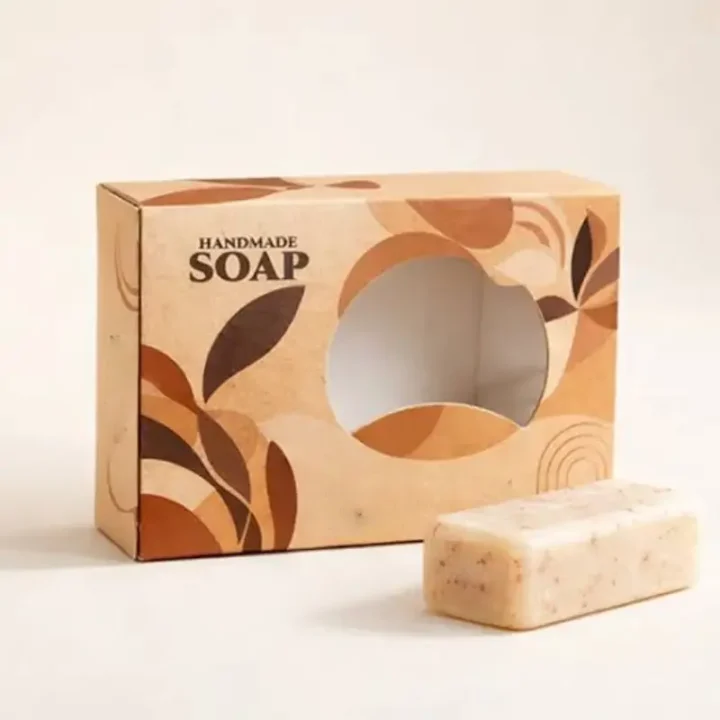
Packaging uses uncoated paper when brands want a natural, authentic look. Kraft boxes give that rustic, eco-friendly appearance that appeals to environmentally conscious customers. Food bags often use uncoated paper for a wholesome, organic feel. Eco-friendly packaging relies on uncoated paper’s natural appearance to reinforce sustainability messages.
Forms and labels require uncoated paper’s practical advantages. Invoices need space for handwritten notes and signatures. Receipts must be writable for customer information. Shipping labels need to accept stamps, handwriting, and adhesive labels without problems.
The key is functionality over flash. When people need to interact with your printed material by writing on it, or when you want that authentic, natural feel, uncoated paper is the right choice.
Coated Paper vs Uncoated Paper: Cost vs. Investment Analysis
Understanding the price difference helps you make smart decisions based on your budget and project goals.
Coated paper costs 15 to 40 percent more than uncoated paper. This higher price comes from several factors. The coating materials themselves cost money – clay, polymers, and mineral compounds add significant expense. The processing steps are more complex, requiring special coating machines and longer drying times. Glossy or premium grades cost even more because they need multiple coating layers and extra finishing steps.
However, this extra cost delivers premium results. The superior print quality, color vibrancy, and professional appearance often justify the higher price for marketing materials, packaging, and high-end publications.
Uncoated paper offers lower cost because of its simpler production process. Without coating steps, manufacturing is faster and uses fewer materials. This makes uncoated paper ideal for bulk runs like newspapers, direct mail pieces, and book printing where you need large quantities at reasonable prices.
The cost difference becomes more significant on large print runs. For 10,000 brochures, that 15-40 percent difference can mean hundreds or thousands of dollars.
Link cost to value and project type when making decisions. Choose coated when print quality and visual impact justify the premium price. Pick uncoated for budget-friendly bulk projects or when the natural feel aligns with your brand message. Consider your audience’s expectations and your project’s goals to determine which option delivers better value for your specific needs.
Conclusion: Coated Paper vs Uncoated Paper—How to Choose
Coated paper excels in delivering vibrant color and durability for marketing and packaging, while uncoated paper provides a natural, writable finish ideal for books and stationery. Your final choice depends on balancing the need for visual impact against functional requirements like writability, budget, and environmental goals.
Contact our paper experts today to request your free, customized paper sample kit.
FAQ
Can I recycle coated paper?
Yes, but it’s slightly more complex than uncoated. For eco goals, ask about recycled or FSC-certified coated papers.
Will a pen or a marker work on coated paper?
Not well—use uncoated for anything that needs to be written or stamped.
Does coated paper cost more?
Yes, typically 5–15% higher, but the print quality and finish can justify the investment.
Can I get premium finishes on uncoated paper?
Limited—uncoated is best for natural or minimalist looks.
 English
  العربية
  Deutsch (Sie)
  Español
  Français
  日本語
日本語  한국어
한국어  Italiano