
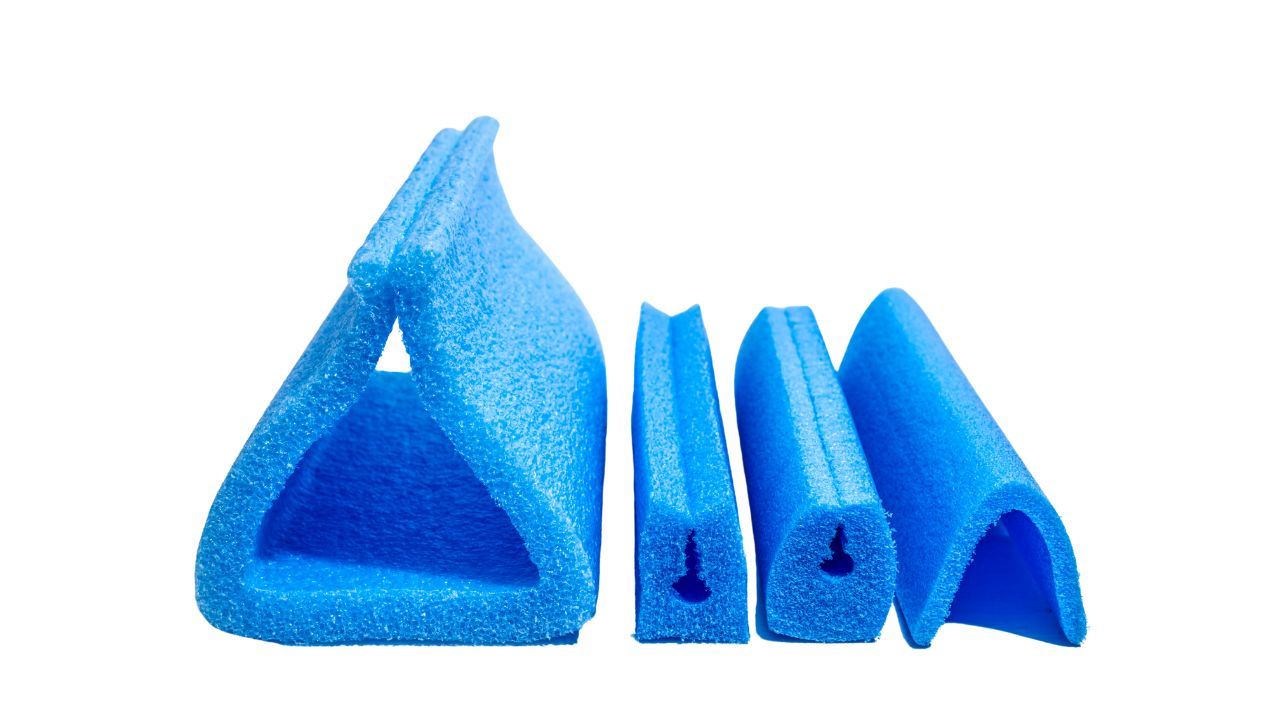
Ever wonder why so many products arrive safe and sound, even after a long trip? Foam packaging is the secret. It’s not just soft–foam keeps things safe, stops bumps, and even helps with insulation.
In this guide, we’ll break down the different types of foam, their real uses, and what to know about sustainability. Whether you’re a business owner, a buyer, or just curious about packaging, you’ll find tips here to help you make better choices.
Understanding the Fundamentals: Key Types of Packaging Foam
So, what exactly is foam packaging, and why do so many businesses rely on it?
Defining Packaging Foam: A Look at its Structure and Composition
Foam packaging is made from plastic with lots of tiny air bubbles inside. These bubbles are spread throughout the material, kind of like a sponge. This setup makes foam very light. It also means foam can take a hit and bounce back, so it’s great for protecting fragile items.
Plus, the trapped air helps keep heat out or in, so foam works well for insulation too. That’s why you see it used for electronics, food, and many other products.
2. The Evolution of Packaging Foam
Foam packaging started as a simple way to protect items during shipping, but it has come a long way. Over time, new materials and better production methods made foam lighter, stronger, and safer. Today, it’s used in almost every industry, from electronics to food, thanks to these big improvements.
A Detailed Classification of Packaging Foam Types and Materials
As foam packaging has evolved, so have the materials used to make it. Let’s explore the main types you’ll see today.
| Foam Type | Main Features | Properties | Typical Uses |
|---|---|---|---|
| Polystyrene (PS) | Lightweight, closed-cell | Good insulation, water-resistant, but fragile and hard to recycle | Electronics, takeout containers, packaging for fragile items |
| Polyethylene (EPE) | Soft, flexible, closed-cell | Impact-resistant, waterproof, recyclable, eco-friendlier | Gift packaging, furniture wrap, e-commerce goods |
| Polypropylene (EPP) | Strong, lightweight, stable cells | High compression resistance, resilient, recyclable, chemical-resistant | Auto parts, sports gear, medical & aerospace packaging |
| Polyurethane (PU) | Soft (open-cell) or rigid (closed-cell) | Soft type: cushioning, breathable; Rigid type: strong, thermal/sound insulation | Furniture, mattresses, toys (soft); insulation panels, equipment (rigid) |
| Specialized Foams (Charcoal, Antistatic) | Functional additives | Charcoal: adsorbs odor/heat. Antistatic: protects electronics from static. | Air purification, electronics, heat insulation, sensitive device packaging |
1. Polystyrene (PS) Foam: A Common Type of Packaging Foam
• Composition and Structure:
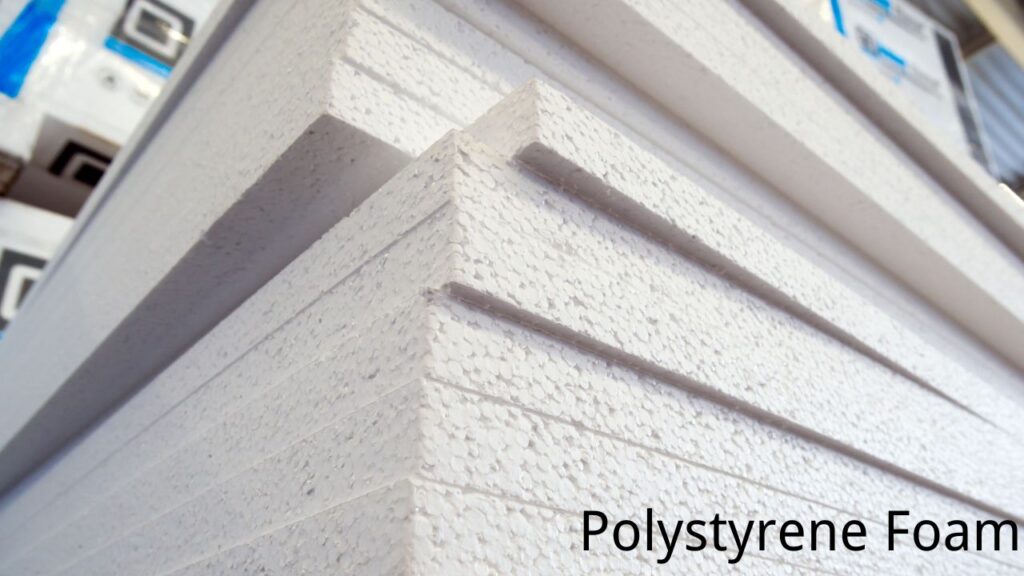
Polystyrene foam is made from polystyrene beads that expand when exposed to heat or certain chemicals. As these beads grow, they fuse together and form a closed-cell structure, which means lots of tiny, sealed air pockets are trapped inside the foam.
This unique structure makes the material very light. It also gives PS foam its basic cushioning ability, as the air pockets help absorb shocks and protect items during transport.
• Properties:
PS foam keeps heat in and cold out. It works well for thermal insulation. It doesn’t soak up much water, so it stays dry even in damp places. The foam is very light, which makes it easy to handle and transport. But it’s not very strong. It tears and breaks with little force. Recycling is also a problem.
Most PS foam ends up as waste because it’s hard to process. This makes it less eco-friendly than some other materials.
• Applications:
PS foam shows up everywhere in daily life. It’s a lifesaver for shipping electronics like TVs and computers, keeping them safe from bumps. Fragile items–glassware, ceramics, even small appliances–count on PS foam for protection.
When you order takeout or grab a bubble tea, those sturdy, thermal containers are often made from PS foam. It really does a great job at keeping food warm or cold during delivery. While it’s not the most eco-friendly choice, there’s no denying that PS foam makes transporting goods and enjoying hot meals much easier and safer for everyone.
2. Polyethylene (EPE) Foam: A Flexible Packaging Foam Type

• Composition and Structure:
EPE, also known as pearl cotton, is made from low-density polyethylene. It’s produced by a physical foaming process, not by adding chemicals. This method creates a structure filled with many tiny, separate cells. Each cell is independent and closed, which makes the material soft, lightweight, and flexible. The fine-celled structure also helps EPE absorb shocks and protect items during transport.
• Properties:
EPE stands out for its excellent flexibility–you can bend or twist it, and it won’t break. It has strong impact resistance, so it can absorb shocks and protect items much better than PS foam.
EPE is also waterproof, thanks to its closed-cell structure, so it doesn’t soak up water. Unlike PS foam, EPE is more environmentally friendly. It can be recycled and reused, which reduces waste and makes it a better choice for sustainable packaging.
• Applications:
EPE is widely used to package high-end gifts, giving them both protection and a touch of elegance. It’s a common material for wrapping furniture and glassware, guarding against scratches and bumps during transport.
In e-commerce, EPE has become a favorite for wrapping all kinds of products, from electronics to cosmetics, because it’s lightweight and reliable. Its flexibility and cushioning make it ideal for keeping valuable items safe in transit.
3.Polypropylene (EPP) Foam: A High-Performance Types of Packaging Foam
• Composition and Structure:
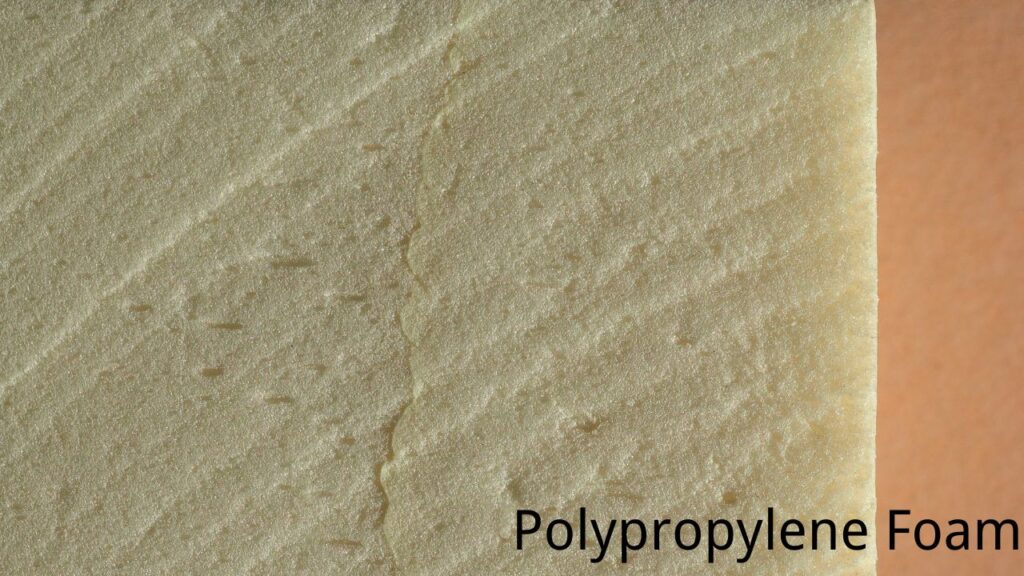
EPP, or expanded polypropylene, is made from polypropylene resin. During production, the resin is expanded to form a foam with a very uniform and stable cell structure. This means the tiny air pockets inside are evenly distributed and well-protected.
Thanks to this design, EPP foam is both strong and light–it offers a high strength-to-weight ratio. This makes it ideal for protecting items that need both durability and lightweight packaging.
• Properties:
EPP has outstanding compression resistance, so it can handle heavy pressure without losing its shape. It bounces back well after impact, showing excellent resilience. The material is also resistant to many chemicals, so it won’t easily break down or react.
Most importantly, EPP is fully recyclable, making it a top choice for eco-friendly packaging. Its high performance and sustainability set it apart from many other foams.
• Applications:
EPP is widely used for packaging automotive parts, where both strength and protection are essential. It also safeguards high-end sports equipment, helping absorb shocks and prevent damage. In the medical field, EPP is chosen for packaging delicate devices that need reliable cushioning and hygiene. Its light weight and durability make it perfect for aerospace components too, ensuring sensitive parts stay safe during transport and handling.
4. Polyurethane (PU) Foam: A Versatile Packaging Foam
• Composition and Structure:
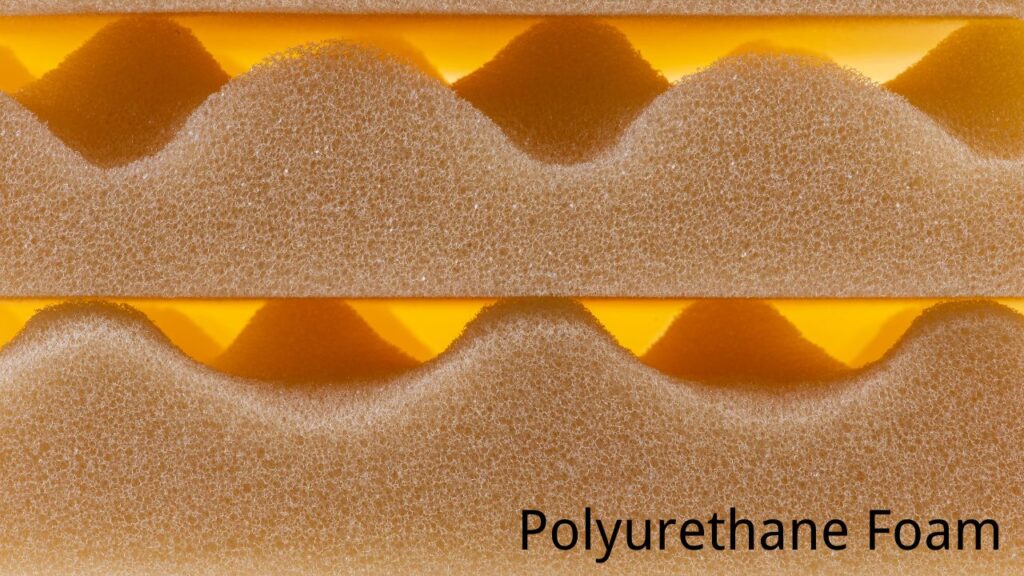
PU foam is made by reacting polyols with isocyanates. This chemical reaction forms a foam that can be tailored for different needs. The structure of PU foam can vary a lot. Soft PU foam has an open-cell structure, which makes it flexible, bouncy, and good for cushions and mattresses.
In contrast, rigid PU foam has a closed-cell structure. This type is strong, sturdy, and excellent for insulation because the closed cells trap air and block heat or cold. The difference in cell structure is what gives PU foam its wide range of uses, from soft comfort to hard protection.
• Properties:
- Soft PU foam is prized for its excellent cushioning and flexibility. It easily adapts to pressure and shape, making it perfect for comfort-focused products like furniture, mattresses, and shoe insoles. Its open-cell structure allows for good air flow, giving a soft, breathable feel.
- Rigid PU foam, on the other hand, stands out for its high strength and durability. Thanks to its closed-cell structure, it offers great thermal insulation, keeping heat in or out as needed. It also provides effective sound-proofing, making it a top choice for building insulation panels and protective packaging where both strength and environmental control are important.
• Applications:
- Soft PU foam is everywhere in our daily lives. It’s what makes sofas and chairs comfortable, providing that plush padding you sink into. It also keeps toys safe and snug in their packaging, thanks to its flexibility and gentle cushioning.
- Rigid PU foam is the tough protector. It’s used to package large, heavy equipment, making sure everything arrives in one piece. In buildings, it acts as a powerful insulator–keeping rooms warm in winter and cool in summer. You’ll also find it lining the walls of fridges and freezers, locking in the cold and saving energy. Rigid or soft, PU foam quietly makes life more comfortable and efficient.
5. Specialized Types of Packaging Foam
• Charcoal Foam:
Charcoal foam mixes carbon materials with polymer matrices. This gives it strong adsorption, heat resistance, and electromagnetic shielding. It is used for air purification. Also for heat dissipation in electronics. And for high-temperature insulation packaging. Provides protection and purification. Offers stability where regular foam cannot.
• Antistatic Foam:
Antistatic foam is widely used to package sensitive electronic components. Its special antistatic properties help prevent electrostatic discharge, which can easily damage delicate circuits and chips. By safely dissipating static electricity, antistatic foam ensures electronic parts stay protected during storage and transport.
Beyond differences in material and function, foam packaging can also be classified by its shape and structure–these morphological types further expand its range of uses.
Beyond Materials: Common Shapes and Forms of Packaging Foam
1. Roll-Based Foam: Flexible Types of Packaging Foam

• Foam Wrap Rolls:
Foam wrap rolls are very flexible. These rolls are usually made from PE or EVA foam. They come in a roll-up form. Easy to cut and use. Perfect for wrapping irregularly shaped items. They fill empty spaces in packages. This prevents movement during shipping.
Also protect small and delicate objects from scratches and bumps. Their flexibility absorbs vibration. Helps ensure safe delivery, even for awkward shapes.
• Self-adhesive Foam Rolls:
Self-adhesive foam rolls have a sticky backing on one side. They typically use PE or EVA foam with a sticky backing for easy application. They can be applied directly to surfaces without extra tape. Wrap them around pipes or cylindrical products for a secure fit.
The foam stays in place and prevents shifting. It provides cushioning, absorbs impact, and protects items from scratches or damage. Very efficient and convenient for storage or transport.
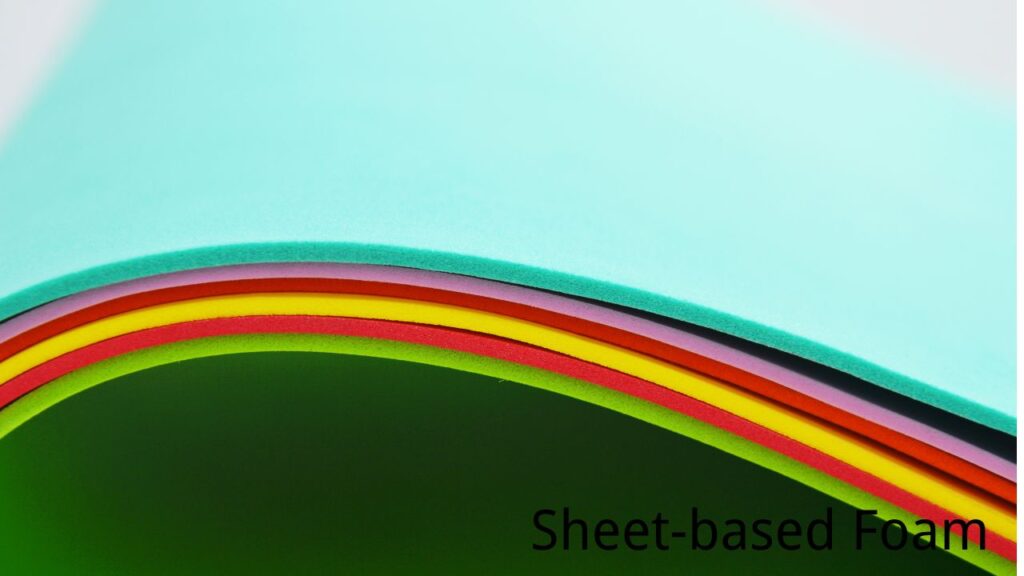
2. Sheet-Based Foam: Versatile Packaging Foam Layers
• Thin Foam Sheets:
Thin foam sheets are lightweight and flexible. They are often crafted from lightweight PE, EVA, or PU foam. They act as protective layers for product surfaces.
Commonly used for jewelry and small electronics. Also serve as inner linings for boxes. Prevent scratches and minor damage. Easy to cut and fit various shapes. Ideal for adding a layer of gentle cushioning.
• Foam Boards:
Foam boards are thicker and more rigid than regular foam sheets. They are made from dense materials like EPS, XPS, or high-density PE foam for added strength. They provide strong support and protection. Often used for packaging large appliances and furniture.
Also serve as structural components in insulation. Common in display applications as well. Their stiffness helps absorb impact and prevent damage. Easy to cut for custom shapes and uses.
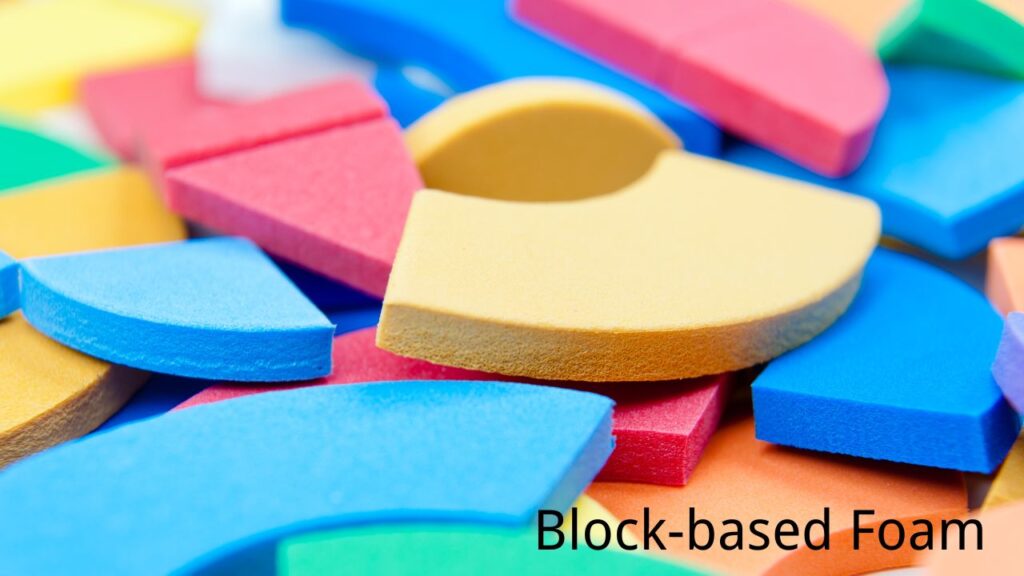
3. Block-Based Foam: Solid Support Packaging Foam
• Standard Foam Blocks:
Standard foam blocks are dense and solid pieces. They are used to fill empty spaces in packages. They are commonly formed from dense EPS, PU, or PE foam for solid support.
This prevents goods from moving during transit. Ideal for protecting heavy or bulky items. The blocks absorb shocks and reduce impact. Provide strong support and stability in packaging. Suitable for both shipping and storage needs.
• Custom-molded Foam Blocks:
Custom-molded foam blocks are made to fit specific products exactly. They are tailored from EPE, EVA, or PU foam to fit specific products. They provide precise, tailored protection. Ideal for high-value items like precision instruments and artworks. Prevent movement and absorb shocks.
Reduce the risk of scratches or damage. Ensure a secure fit for even the most delicate or irregularly shaped goods. Commonly used for shipping and storing sensitive equipment.
4. Special-Shaped Foam: Custom Types of Packaging Foam
• Foam Inserts and Molds:
Foam inserts and molds are custom-shaped to match the contours of products. They are custom-cut from EVA, EPE, or PU foam to match product contours. They provide a snug, secure fit, preventing movement and reducing damage. For more about packaging inserts click here for Ultimate Guide.
Commonly used in high-end packaging for consumer electronics and luxury goods. Offer enhanced presentation and protection. Keep items stable during shipping and handling. Ideal for products that require both safety and a premium unboxing experience.
• Charcoal Foam Egg Sets:
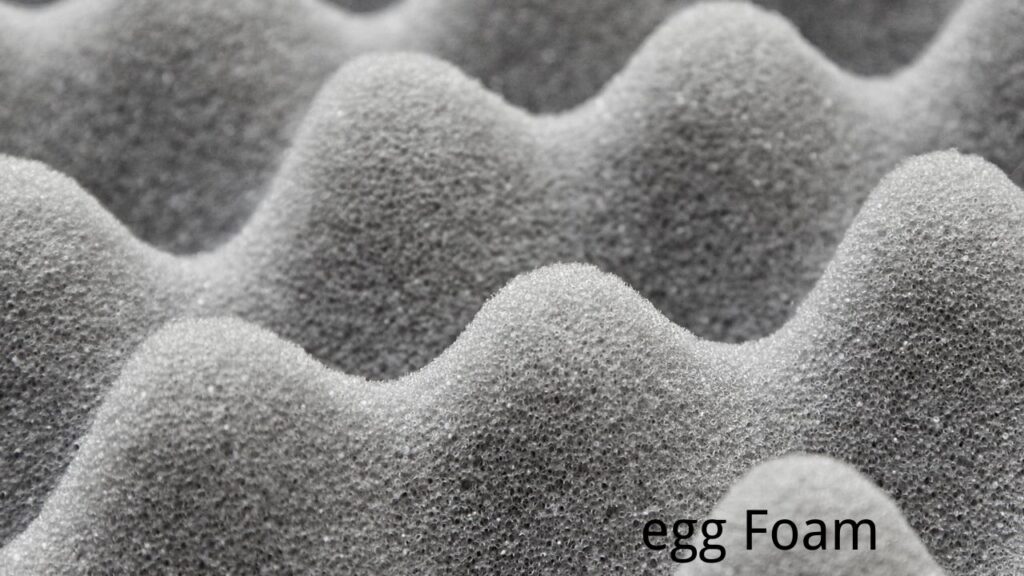
Charcoal foam egg sets are specially shaped with individual slots to hold eggs securely in place. The charcoal foam absorbs odors and can help preserve freshness.
This design protects eggs from bumps and cracks during transport or storage. They can also be adapted to safely hold egg-shaped artifacts or products, offering both cushioning and extra benefits like odor control.
How to Choose the Right Types of Packaging Foam: Key Selection Standard
When choosing the right foam packaging, several key factors must be considered to ensure optimal protection and suitability for different products.
1. Product-specific Considerations
• Weight and Size:
Choose foam based on product weight and size. For light, small items–like jewelry, watches, or USB drives–use thin foam sheets or foam wrap rolls. These are often made from PE or EVA foam.
They protect surfaces and absorb small shocks. For heavy or bulky goods–such as furniture, appliances, or industrial parts–select rigid foam boards or custom-molded foam blocks. These use dense materials like EPS, PU, or high-density PE foam. They prevent movement, absorb impact, and support the weight during shipping.
• Fragility and Sensitivity:
Assess how easily your product can break or be damaged. For fragile items–like glassware, ceramics, or precision instruments–use high-cushioning foams such as EPE or EPP.
These foams absorb shocks and protect against drops. Less delicate products–like plastic toys or simple hardware–can use PS foam for lower cost. For electronics, always choose antistatic foam. This prevents static buildup and protects sensitive components.
2. Environmental and Logistical Factors
In addition to product characteristics, environmental and logistical considerations should also guide your foam packaging choice.
• Climate and Transport Conditions:
Match foam material to the climate and shipping environment. For humid or wet conditions, choose water-resistant foams like closed-cell PE or EVA. In high-temperature regions, select heat-resistant foams such as specialized PE or PU types.
Consider how long and how far products will travel. For long-distance or rough transport, opt for durable, impact-resistant foams that maintain their performance over time.
• Storage Requirements:
Consider how foam performs during storage. For long-term storage, choose foams that resist compression and do not easily lose shape, such as high-density PE or EPE foam.
Make sure the foam does not degrade, crumble, or become brittle over time. Good storage foam maintains cushioning and protection, even after months or years in the warehouse. This helps prevent product damage and ensures reliable protection for extended periods.
3. Cost-effectiveness and Sustainability
Beyond protection and storage needs, cost-effectiveness and environmental impact are also important factors when selecting foam packaging solutions.
• Budget Constraints:
Compare foam types based on price and performance. PS foam is usually the most affordable, making it a good choice for cost-sensitive projects. EPE foam offers a balance between price and protection.
EPP foam and other specialized foams cost more but provide superior cushioning, durability, and protection. Choose according to your budget and the level of performance required.
• Environmental Impact:
Prioritize recyclable and biodegradable foams, such as EPE and EPP, for eco-friendly packaging. These materials can be reused or recycled, reducing landfill waste. Many manufacturers are also developing bio-based and compostable foam options.
The industry is working to lower the environmental footprint by improving recycling processes, using more sustainable raw materials, and minimizing production waste. Choosing sustainable foams supports green initiatives and aligns with environmental regulations.
Real-World Applications for Different Types of Packaging Foam
1. E-commerce and Logistics
If you sell products online, you know how important it is to make sure every order arrives safely. Foam packaging is your invisible shield during shipping. When sending out small, delicate items like earphones, watches, or cosmetics, you might reach for thin PE or EVA foam sheets–they wrap around your products and absorb little bumps along the way.
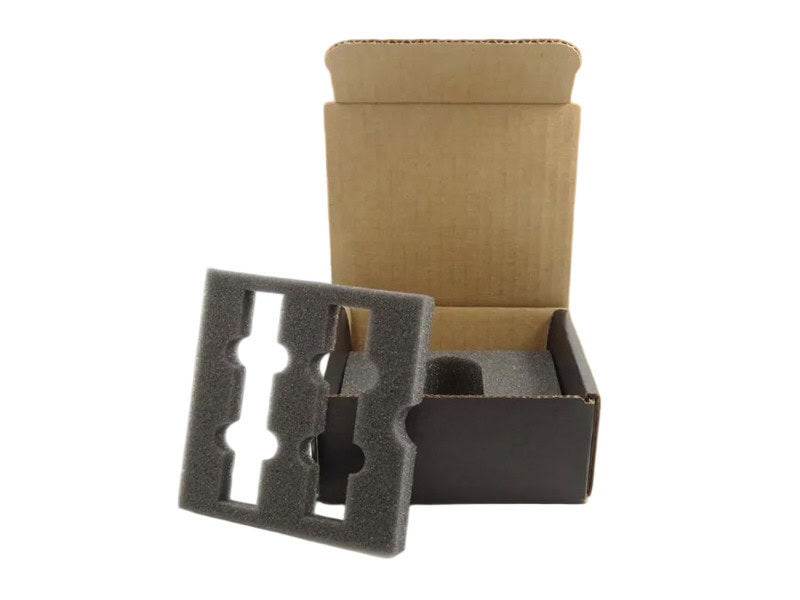
For bulky or fragile goods–maybe a coffee maker, a monitor, or even a piece of furniture–you’ll likely rely on thick EPE, molded EPP, or rigid EPS foam inserts that lock your item in place and shield it from drops or rough handling.
You might also notice that different products need different foam solutions. If you ship electronics, antistatic foam keeps sensitive parts safe from static damage. Waterproof foam comes in handy when you worry about rain or humidity during delivery.
By choosing the right foam for each product, you not only protect your goods but also reduce returns and boost your customers’ satisfaction. Every careful packaging decision helps your business reputation and bottom line.
2. Industrial Manufacturing
If you’re in industrial manufacturing, you know your products often have strict protection requirements. Foam packaging helps you meet these standards in several ways.
For heavy machinery parts or precision tools, strong shock absorption is crucial. High-density EPE or molded EPP foam is commonly used to cushion against impacts and vibrations, preventing dents, scratches, or misalignment during transport or storage.
When you ship electronic components or circuit boards, static electricity can be a real threat. Antistatic or conductive foam is designed to safely dissipate static charges, protecting sensitive electronics from damage that might otherwise go unnoticed until installation.
Metal products, like valves or custom fittings, also need special care. Some foams offer resistance to moisture and chemicals, which helps prevent rust and corrosion during long-term storage or overseas shipping.
By selecting the right foam packaging, you ensure your industrial products arrive in perfect condition–ready for assembly or direct use–while also reducing repair costs and customer complaints. With each shipment, you protect your investments and strengthen your reputation for quality.
3. Food and Beverage
If you’re in the food and beverage business, you know that freshness and safety are non-negotiable. Foam packaging plays a big part in meeting these demands.
For perishable goods like fresh seafood, dairy, or frozen meals, foam boxes–often made from food-grade EPS–offer excellent thermal insulation. They help keep products at the right temperature for hours, reducing spoilage during delivery.
When you package delicate items such as pastries, fruits, or glass beverage bottles, soft PE or EPE foam sheets and pouches provide a gentle cushion. This protection prevents bruising, breaking, or leakage, so your customers receive their orders in perfect condition.
You also need to meet strict food-safety standards. Food-grade foams are non-toxic, odorless, and compliant with hygiene regulations. Many are designed for single use and are easily disposable, while some can be recycled or reused, supporting your sustainability goals.
By choosing the right foam packaging, you ensure your food products arrive fresh, intact, and safe–building trust with your customers and supporting your brand’s reputation for quality.
4. Medical and Pharmaceutical
In the medical field, packaging isn’t just about protection–it’s about safety, hygiene, and reliability. Foam packaging has specialized roles to meet these high standards.
For medical devices and surgical instruments, sterile foam offers a clean, contamination-free environment. These foams are produced and handled under strict controls to ensure they remain free from bacteria and particulates until use.
Pharmaceuticals often require precise temperature control during storage and transport. Temperature-controlled foam packaging–such as insulated EPS or high-performance PU foam coolers–helps maintain the necessary cold chain, preserving the effectiveness of vaccines, biologics, and temperature-sensitive medicines.
For hygiene-sensitive products like wound care supplies and personal protective equipment, anti-microbial foams add an extra layer of safety. These foams inhibit the growth of bacteria and fungi, reducing the risk of cross-contamination and keeping products safe for end users.
By using the right foam packaging, you not only protect valuable medical goods but also ensure compliance with strict industry regulations and maintain patient safety at every step.
Conclusion: Choosing the Best Type of Packaging Foam for Your Needs
Foam packaging is more than just protection–it’s a strategic choice that impacts product safety, customer satisfaction, and environmental responsibility. By choosing smarter and greener foam solutions, you not only safeguard your goods but also contribute to a sustainable future. Contact LETAI today to explore custom foam packaging solutions tailored to your needs–because every detail matters.

 English
  العربية
  Deutsch (Sie)
  Español
  Français
  日本語
日本語  한국어
한국어  Italiano