
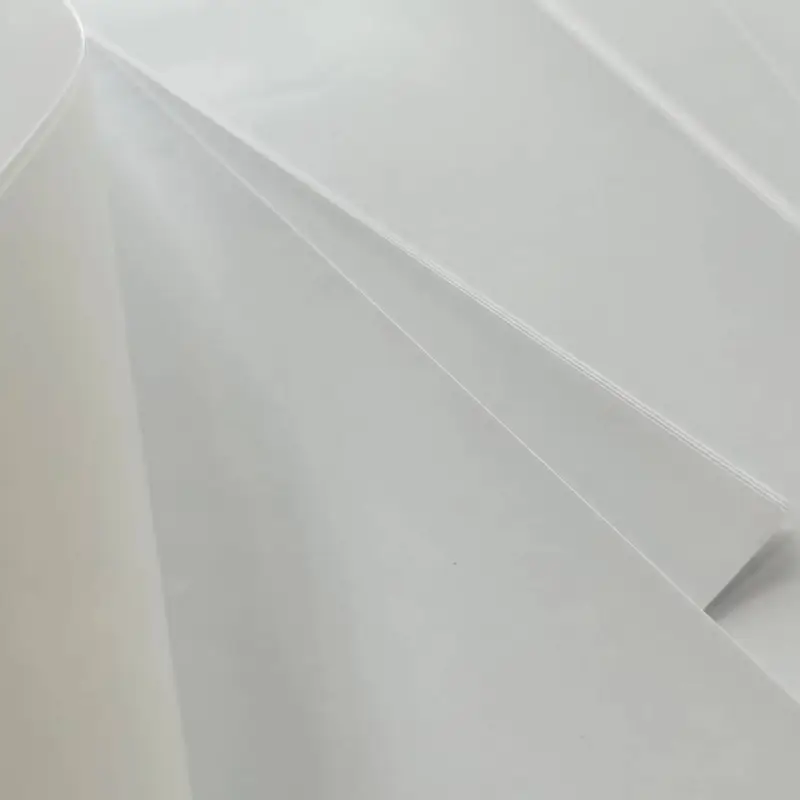
C1S paper is a popular material for packaging, printing, and promotional products because it combines a smooth coated surface with a printable uncoated side. But what exactly does C1S mean, and why is this paper widely used? Understanding its structure, features, benefits, and applications can help you choose the right material for your project.
In this guide, we will explain what C1S paper is, how it is made, and what makes it different from other paper types. We will also explore its advantages, common applications, printing performance, and packaging uses, helping you understand whether C1S paper is suitable for your specific product and packaging requirements.
What is C1S Paper?

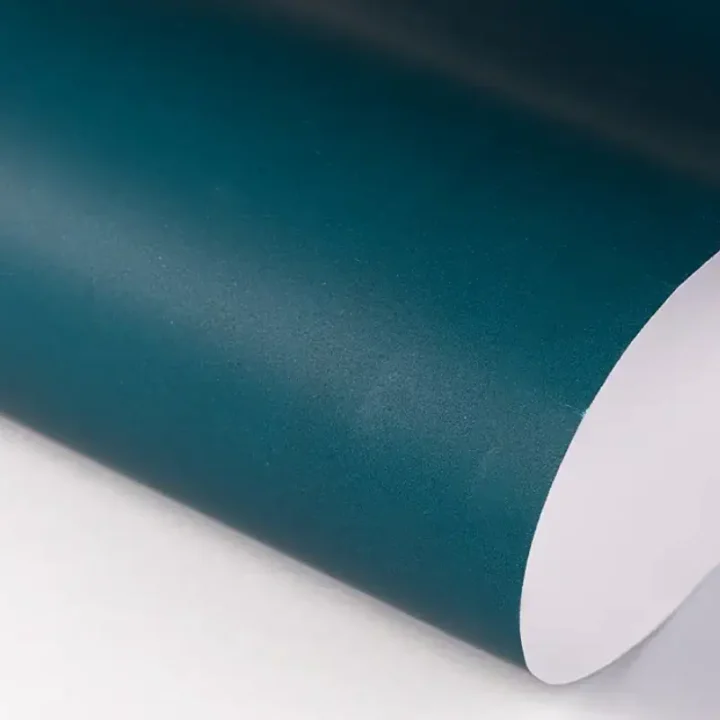
C1S paper means “Coated One Side” paper, a paper material with a coated surface on one side and an uncoated surface on the other. The coated side provides a smooth, bright, and printable finish, while the uncoated side maintains a natural paper texture. This structure makes C1S paper useful for packaging and commercial printing.
C1S paper is commonly produced with coatings that improve smoothness, brightness, and ink performance on one surface. The opposite side remains untreated, making it suitable for writing, printing, gluing, or other packaging functions. Its balanced structure provides both attractive presentation and practical functionality for various paper-based products.
Features of C1S Paper
- One Coated Side: One side has a smooth coating that improves print quality, color reproduction, and surface appearance, making it suitable for detailed packaging graphics.
- One Uncoated Side: The uncoated surface retains a natural paper texture, providing a suitable area for writing, printing, labeling, or applying adhesives.
- Excellent Printability: The coated surface absorbs ink more consistently, helping produce sharper images, cleaner text, and more vibrant colors on packaging and printed materials.
- Smooth Surface: The coated side offers a smooth, even surface that supports high-quality graphics and provides a more polished appearance for finished packaging products.
- Versatile Applications: C1S paper can be used for folding cartons, product sleeves, labels, cards, tags, and various promotional materials requiring both printability and flexibility.
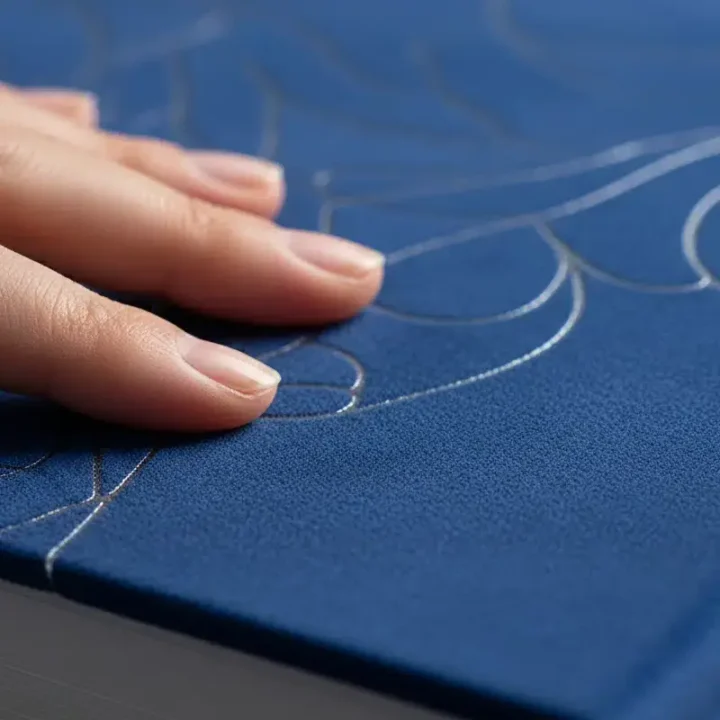
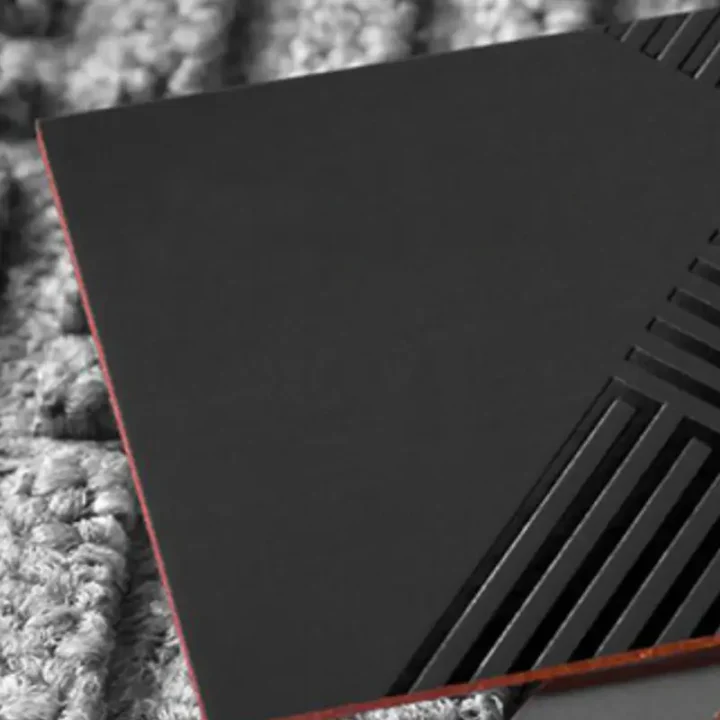
- Flexible Finishing: The material can work with finishing processes such as lamination, embossing, foil stamping, and spot UV to create customized packaging designs.
C1S Paper Benefits
C1S paper offers a useful combination of print quality, functionality, and versatility for packaging and commercial printing. Its coated side creates a smooth surface for detailed graphics, while the uncoated side provides a natural texture for writing, labeling, or other purposes. This combination makes C1S paper suitable for products requiring both attractive presentation and practical performance.
Compared with fully coated paper, C1S paper can provide greater flexibility for packaging designs that need different surface properties on each side. It also works with various printing and finishing techniques, allowing businesses to customize the appearance and functionality of their products while maintaining a professional and consistent package design.
- Excellent Print Quality: The coated side provides a smooth surface that supports sharp text, detailed images, and vibrant colors. This makes C1S paper suitable for packaging where attractive graphics and clear product information are important for presentation and brand recognition.
- Dual-Surface Functionality: C1S paper combines a coated surface with an uncoated surface, allowing each side to serve a different purpose. The coated side can display graphics, while the uncoated side can support writing, labeling, or other requirements.
- Versatile Packaging Material: C1S paper can be converted into various packaging formats, including folding cartons, product sleeves, tags, and cards. Its versatility allows manufacturers to adapt the material to different product sizes, structures, and packaging designs.
- Easy to Customize: The material works with finishing methods such as embossing, foil stamping, lamination, and spot UV. These options allow brands to add decorative details, improve tactile appeal, and create packaging that matches their visual identity.
- Professional Appearance: The coated surface creates a clean and polished appearance that can make packaging graphics stand out. Combined with suitable printing and finishing techniques, C1S paper can help products achieve a more refined retail presentation.
- Suitable for Different Industries: C1S paper can be used across cosmetics, food, retail, pharmaceutical, and consumer goods packaging. Its combination of printability and functional surfaces makes it adaptable to different commercial packaging requirements.
C1S Paper Thickness
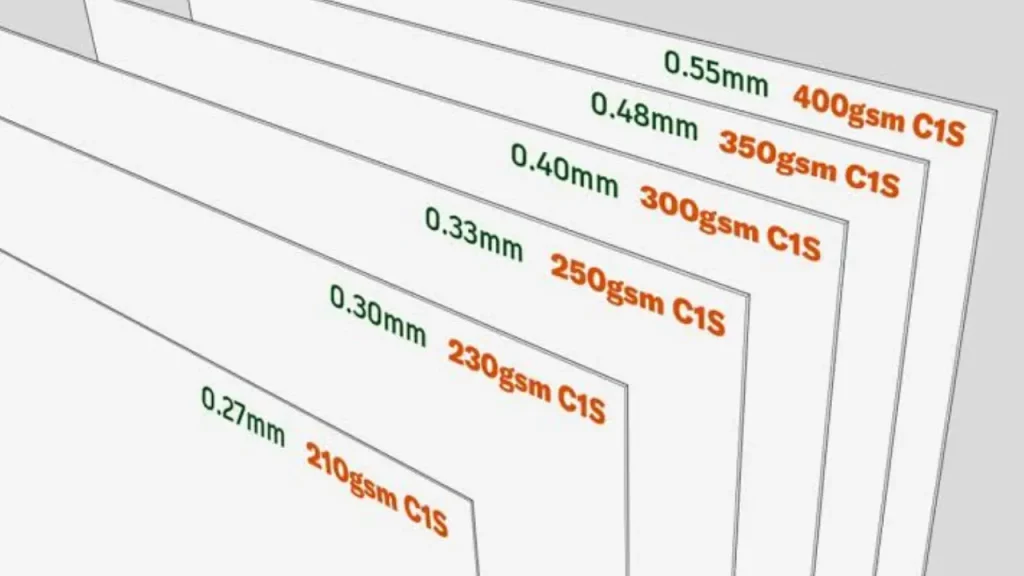
C1S paper is available in different thicknesses to suit various printing and packaging requirements. The right thickness depends on the product structure, desired stiffness, printing method, and overall packaging design. Lighter grades work well for sleeves and inserts, while thicker grades are commonly selected for folding cartons and packaging that requires greater durability.
Paper thickness is often discussed using both GSM (grams per square meter) and caliper, which measures the actual thickness of the sheet. These measurements are related but not identical, because paper density can vary between materials. Therefore, packaging manufacturers should confirm the required GSM and caliper before production.
Common C1S Paper Thickness Options
- Lightweight C1S Paper: Lightweight grades are suitable for inserts, tags, labels, and lightweight sleeves where flexibility is more important than rigidity. They can reduce material usage while still providing a smooth coated surface for printing and branding.
- Medium-Weight C1S Paper: Medium-weight C1S paper provides a balance between flexibility and stiffness. It is commonly suitable for product sleeves, cards, small folding cartons, and promotional materials that require a stronger structure without excessive material thickness.
- Heavyweight C1S Paper: Heavyweight grades offer greater stiffness and structural support for packaging applications. They are suitable for folding cartons, premium product boxes, and retail packaging where the package needs to maintain its shape during handling.
- Extra-Heavy C1S Paper: Extra-heavy C1S paper is selected when packaging requires increased rigidity and a substantial feel. It can support premium boxes and durable packaging structures, particularly when combined with specialty finishing or reinforced construction.
C1S Paper Thickness Chart
| C1S Paper Grade | Approx. GSM Range | Typical Thickness* | Common Applications |
|---|---|---|---|
| Lightweight | 150–200 GSM | Thin | Inserts, tags, labels |
| Medium-weight | 200–300 GSM | Medium | Sleeves, cards, small cartons |
| Heavyweight | 300–400 GSM | Thick | Folding cartons, retail packaging |
| Extra-heavy | 400+ GSM | Very thick | Premium and rigid-feel packaging |
C1S Paper Weight
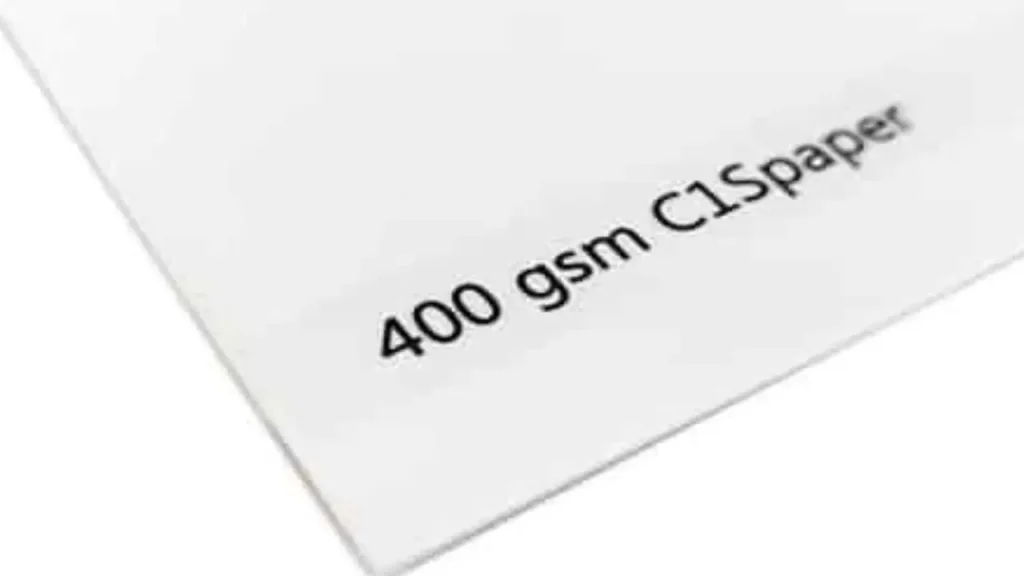
C1S paper weight refers to the amount of paper material measured by grams per square meter, commonly expressed as GSM. It is an important specification for packaging because it affects stiffness, durability, folding performance, and overall feel. Choosing the appropriate weight helps ensure that C1S paper performs well for the intended packaging structure and application.
Different C1S paper weights are suited to different packaging requirements. Lightweight grades offer flexibility and lower material consumption, while heavier grades provide greater stiffness and support. When selecting C1S paper, manufacturers should consider the product weight, box structure, printing requirements, finishing processes, and desired appearance to achieve the right balance.
Common C1S Paper Weights
- 150–200 GSM C1S Paper: Lightweight C1S paper provides good flexibility for inserts, tags, labels, and simple sleeves. It is suitable when packaging requires easy folding and lower material consumption while still providing a smooth surface for printing.
- 200–300 GSM C1S Paper: This weight range offers a practical balance between flexibility and stiffness. It is commonly used for product sleeves, cards, lightweight folding cartons, and promotional packaging that needs a stronger structure and attractive printed graphics.
- 300–400 GSM C1S Paper: Heavier C1S paper provides increased stiffness and durability for folding cartons and retail packaging. It creates a more substantial feel and can better maintain the shape of packaging during transportation, storage, and customer handling.
- 400+ GSM C1S Paper: Extra-heavy C1S paper offers greater rigidity and a premium, substantial feel. It can be used for demanding packaging structures, premium cartons, and applications requiring additional support, especially when combined with specialized finishing techniques.
C1S Paper Weight Comparison
| C1S Paper Weight | Weight Level | Typical Applications | Main Advantage |
|---|---|---|---|
| 150–200 GSM | Lightweight | Tags, labels, inserts | Flexible and lightweight |
| 200–300 GSM | Medium | Sleeves, cards, cartons | Balanced performance |
| 300–400 GSM | Heavyweight | Folding cartons, retail packaging | Greater stiffness |
| 400+ GSM | Extra-heavy | Premium packaging | High rigidity and substantial feel |
C1S Paper Applications
C1S paper is widely used across packaging and printing industries because its coated side supports high-quality graphics while the uncoated side provides a natural, functional surface. This combination works well for cartons, sleeves, labels, and promotional materials. As brands focus more on attractive packaging, practical design, and customization, C1S paper remains a flexible material choice.
Its applications continue to expand across industries that need visually appealing packaging without requiring both sides to have the same finish. From cosmetics and food to e-commerce and consumer products, C1S paper can support different structures, printing methods, and finishing options while providing a professional appearance for retail and promotional use.
- Cosmetics and Beauty: Cosmetics brands use C1S paper for product boxes, sleeves, and promotional packaging. The coated surface supports detailed graphics and vibrant branding, while finishing options such as foil stamping and embossing can create a more premium appearance.
- Food and Beverage: Food and beverage companies use C1S paper for folding cartons, sleeves, and other secondary packaging. Its printable coated surface allows brands to display product information, graphics, and branding clearly while supporting practical packaging structures.
- E-Commerce: E-commerce brands can use C1S paper for product boxes, inserts, sleeves, and promotional packaging. Its customizable print surface helps create branded unboxing experiences while allowing businesses to communicate product information and marketing messages effectively.
- Pharmaceuticals and Healthcare: Pharmaceutical and healthcare products commonly require packaging with clear text, instructions, and product information. C1S paper provides a suitable printable surface for cartons and secondary packaging while supporting different folding and converting requirements.
- Consumer Electronics: Electronics brands can use C1S paper for product boxes, sleeves, inserts, and accessories packaging. High-quality printing helps communicate technical information and branding, while customized structures and finishing can create a clean and professional retail presentation.
- Retail and Fashion: Fashion and retail businesses use C1S paper for garment packaging, product sleeves, tags, and presentation boxes. The coated surface provides a strong foundation for brand graphics, while specialty finishing can help create distinctive packaging for retail environments.
- Luxury Goods: Luxury brands use C1S paper for premium boxes, sleeves, cards, and promotional materials. Its smooth coated surface works well with metallic foil, embossing, and other decorative techniques, allowing packaging designers to create sophisticated visual and tactile effects.
- Personal Care: Personal care products such as skincare, haircare, and hygiene items can use C1S paper for cartons and sleeves. The material supports colorful product graphics and detailed information while providing flexibility for different packaging shapes and finishing requirements.
How to Choose C1S Paper Boxes?
Choosing the right C1S paper box requires more than selecting an attractive printed design. You need to consider the product weight, box structure, paper weight, printing requirements, finishing options, and shipping conditions. Matching these factors helps ensure the box provides sufficient protection while presenting your products clearly and professionally in retail environments.
C1S paper boxes can be customized in different sizes, structures, weights, and finishes to meet specific packaging needs. Before placing an order, consider how the box will be handled, displayed, transported, and opened. A clear understanding of these requirements makes it easier to select suitable materials and create functional, attractive packaging.
- Consider Product Weight: Choose a C1S paper weight that can support your product without easily bending or losing its shape. Lightweight products may use thinner paper, while heavier products generally require thicker and more rigid packaging materials.
- Choose the Right Box Structure: Select a structure according to your product dimensions and packaging requirements. Folding cartons, tuck-end boxes, sleeve boxes, and other structures provide different levels of protection, assembly convenience, and presentation for various products.
- Select Suitable Paper Weight: C1S paper is available in different GSM ranges, and the appropriate weight depends on the box size and required stiffness. Thicker paper generally provides greater rigidity, while lighter paper can offer easier folding and lower material consumption.
- Evaluate Printing Requirements: Consider how many colors, images, patterns, and product details your packaging design contains. The coated side of C1S paper provides a smooth surface that supports sharp graphics, vibrant colors, and detailed printed elements.
- Choose Appropriate Finishing: Finishing options can enhance the appearance and tactile experience of C1S paper boxes. Depending on your design, you can consider matte or glossy lamination, velvet lamination, foil stamping, embossing, debossing, or spot UV.
- Consider Shipping Conditions: Packaging that travels through warehouses, delivery networks, or international shipping needs suitable strength and protection. Consider product weight, box dimensions, stacking requirements, and transportation conditions when selecting the C1S paper specification and structure.
- Match Your Brand Style: The box should reflect your brand identity and product positioning. Consider paper appearance, printing colors, structural design, surface finishing, and decorative details to create packaging that communicates the desired visual style to customers.
- Confirm Customization Requirements: Before production, confirm the box dimensions, paper GSM, printing method, finishing, quantity, and structural specifications with your packaging manufacturer. Providing accurate requirements helps reduce production issues and ensures the finished boxes match your expectations.
Conclusion
C1S paper offers a practical balance between print quality, flexibility, and cost. With one coated side for sharp graphics and one uncoated side for writing, printing, or other finishing needs, it can meet various packaging and promotional requirements. Its combination of appearance and functionality makes it a versatile choice for many commercial applications.
From folding cartons and product sleeves to labels, cards, and retail packaging, C1S paper can support different designs and production requirements. The coated surface provides a smooth foundation for detailed graphics, while the uncoated side offers a natural paper feel. Additional finishes, such as lamination, embossing, and foil stamping, can further customize the final product.
If you are looking for reliable packaging materials for your products, we can help you select suitable C1S paper according to your structure, printing, size, and finishing requirements. We provide flexible packaging solutions for different applications and production needs. Contact us today to get wholesale C1S paper packaging from us and discuss your project requirements.

 English
  العربية
  Deutsch (Sie)
  Español
  Français
  日本語
日本語  한국어
한국어  Italiano