
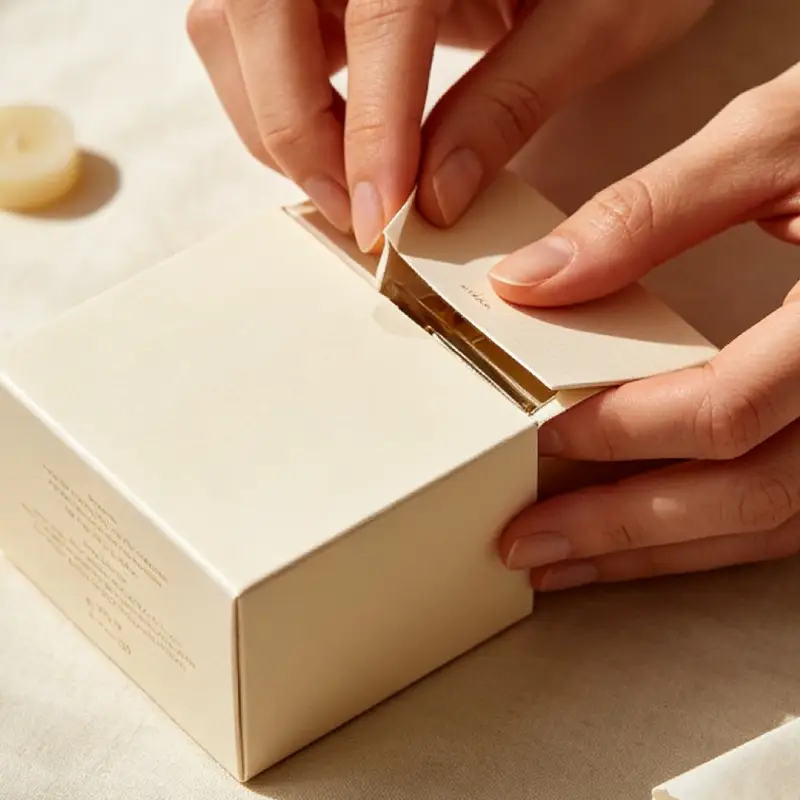
A damaged or opened perfume box can reduce the overall presentation of a fragrance, whether it is for personal use, gifting, or retail display. Learning how to reseal a perfume box properly helps restore its appearance while protecting the product inside from dust, moisture, and unnecessary handling during storage or transportation.
In this guide, we explain practical methods to reseal different types of perfume boxes without compromising their appearance. From choosing the right adhesive to avoiding common mistakes, these simple techniques will help you achieve a clean, professional-looking finish that preserves both the packaging and the value of the fragrance.
What are Perfume Box Packaging?
Perfume box packaging is designed to protect fragrance bottles while enhancing their visual appeal and brand value. Available in a wide range of materials, structures, and finishes, perfume packaging serves both functional and marketing purposes.
Choosing the right packaging helps improve product presentation, ensures safe transportation, and creates a memorable unboxing experience for customers.
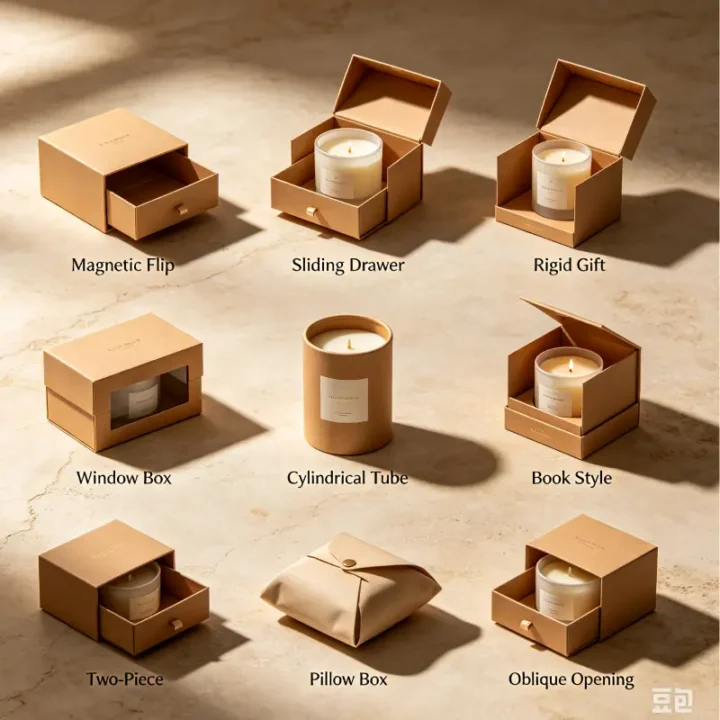
- Rigid Perfume Boxes – Rigid perfume boxes are made from thick paperboard that provides excellent strength and a premium appearance. They are widely used for luxury fragrances because they protect delicate glass bottles while offering elegant customization options, including foil stamping, embossing, magnetic closures, and soft-touch lamination.
- Folding Carton Perfume Boxes – Folding carton boxes are lightweight, cost-effective, and easy to assemble, making them ideal for mass-market perfume products. They can be printed with vibrant graphics, special coatings, and brand logos while offering sufficient protection for retail shelves, promotional campaigns, and everyday product packaging.
- Magnetic Closure Perfume Boxes – Magnetic perfume boxes feature hidden magnets that create a secure and sophisticated opening experience. Their premium structure makes them popular for luxury brands, gift collections, and limited-edition fragrances. They combine durability with elegant presentation and can be customized using various decorative finishing techniques.
- Drawer (Slide) Perfume Boxes – Drawer perfume boxes consist of an outer sleeve and an inner sliding tray that creates a unique unboxing experience. This design offers excellent product protection while adding a premium touch. Brands often customize these boxes with ribbons, inserts, textured paper, and specialty printing effects.
- Window Perfume Boxes – Window perfume boxes include a transparent PVC or PET window that allows customers to view the fragrance bottle without opening the package. This attractive design increases shelf appeal, builds consumer confidence, and combines product visibility with reliable protection during retail display and transportation.
When to Reseal Perfume Boxes?
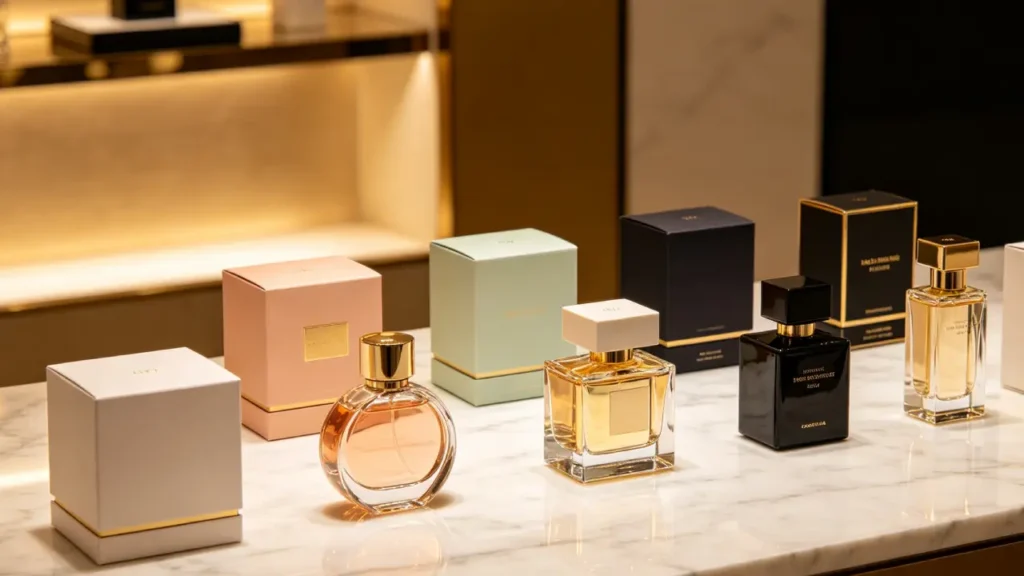
Knowing when to reseal perfume boxes helps preserve product quality, improve presentation, and extend the life of the packaging. Whether the box has been opened accidentally or needs minor repairs, resealing it correctly keeps the fragrance protected and maintains a clean, professional appearance for storage, gifting, retail display, or shipping.
- Before Giving as a Gift – If a perfume box has been opened for inspection or quality checking, resealing it before gifting restores its neat appearance. A clean, well-sealed package creates a more elegant presentation and makes the recipient feel they are receiving a carefully prepared and premium product.
- Before Long-Term Storage – Resealing the perfume box helps prevent dust, moisture, and dirt from entering the packaging during extended storage. Keeping the box securely closed also reduces unnecessary wear and protects both the fragrance bottle and the packaging from environmental damage over time.
- Before Shipping or Transportation – A properly resealed perfume box prevents the package from opening during handling and transportation. Secure packaging minimizes movement inside the box, reduces the risk of damage, and helps ensure the fragrance reaches its destination in excellent condition.
- After Product Inspection – Retailers, wholesalers, and customers often open perfume boxes to verify product quality or inspect the bottle. After inspection, resealing the box restores its original appearance, protects the contents, and keeps the packaging looking clean and professional for future use.
- When the Original Seal Is Damaged – If the factory seal becomes loose, torn, or partially detached, resealing the box helps maintain its appearance and structural integrity. Although it does not replace the manufacturer’s original seal, it keeps the packaging secure and protects the fragrance during handling and storage.
How to Reseal Perfume Boxes?
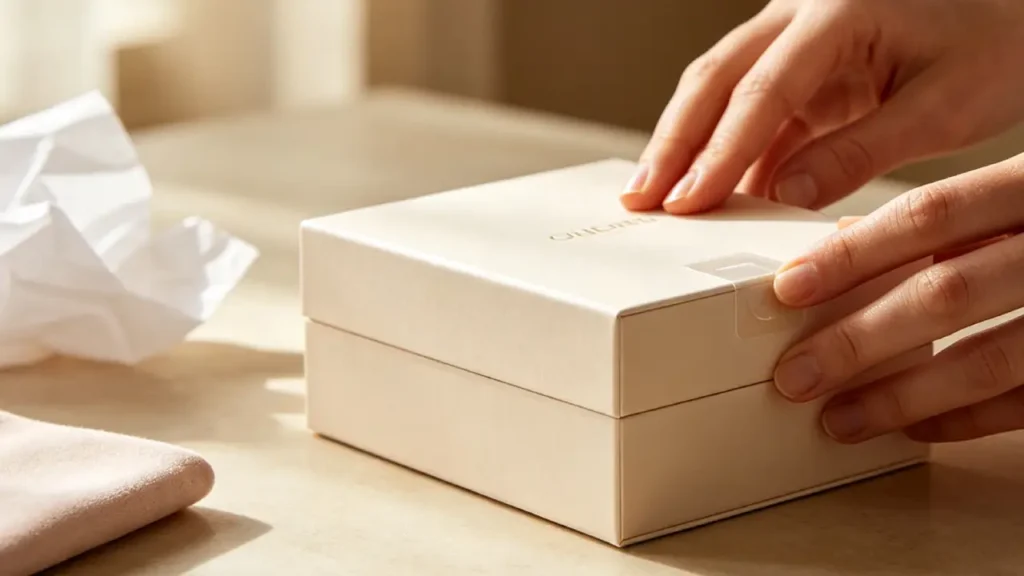
Resealing a perfume box requires careful handling to maintain its original appearance and protect the fragrance inside. Whether the packaging has been opened, damaged, or needs restoration, using the right tools and techniques ensures a clean finish.
The following steps explain how to reseal perfume boxes effectively without damaging the structure or design.
Tools Needed
- Clear adhesive tape or double-sided tape
- Paper glue or packaging adhesive
- Scissors or precision cutter
- Ruler for accurate positioning
- Clean cloth for removing dust
- Small clips or weights for holding the seal
Step 1: Clean and Prepare the Perfume Box
Before resealing, inspect the perfume box carefully and remove any dust, dirt, or loose paper pieces from the surface. Use a clean cloth to wipe the packaging gently. A clean surface helps the adhesive stick properly and prevents an uneven or messy sealing result during the repair process.
Check the damaged areas, including opened edges, loose flaps, or torn seals, before applying any adhesive. Make sure the box structure is still strong and properly aligned. Preparing the box carefully allows the resealing process to create a smoother appearance and maintain the original packaging quality.
Step 2: Choose the Right Adhesive Material
Selecting the appropriate adhesive is important for achieving a secure and professional reseal. For small openings, clear tape or double-sided tape can provide a quick solution. For paper-based perfume boxes, packaging glue may create a stronger bond while keeping the surface appearance clean and attractive.
Avoid using excessive adhesive because it can damage the box surface or leave visible marks. Choose a suitable product based on the box material, finish, and damage level. The right adhesive helps maintain durability while ensuring the perfume box looks neat after completing the resealing process.
Step 3: Apply Adhesive to the Opened Area
Apply a thin and even layer of adhesive along the opened edge or damaged section of the perfume box. Carefully align the two sides together to match the original shape. Press the area gently to create a firm connection without causing wrinkles, dents, or unnecessary pressure marks.
For boxes with special finishes, such as matte lamination or foil stamping, handle the surface carefully during application. Avoid placing adhesive on visible areas whenever possible. Proper placement ensures the repaired section blends with the original design and keeps the perfume packaging looking professional and attractive.
Step 4: Secure and Press the Sealed Area
After applying the adhesive, hold the sealed area firmly for several seconds to improve bonding strength. You can use small clips or lightweight objects to maintain pressure while the adhesive dries. This step helps prevent the box from reopening and creates a stronger, more stable seal.
Allow enough drying time before moving or handling the perfume box. Rushing this process may weaken the adhesive connection and affect the final result. A properly secured seal keeps the packaging intact and provides better protection for the perfume bottle during storage or transportation.
Step 5: Inspect the Final Resealed Box
Once the adhesive has completely dried, inspect the resealed perfume box from all angles. Check whether the edges are aligned, the surface remains smooth, and the packaging maintains its original appearance. Make minor adjustments if necessary to improve the overall presentation and ensure the box looks professionally restored.
A successful resealing process should protect the perfume while preserving the beauty of the packaging. If the box is severely damaged or needs a premium appearance, replacing it with a new custom perfume box may be a better solution for brands and retailers seeking high-quality presentation.
Perfume Box Sealing Methods
Perfume box sealing methods play an important role in protecting fragrance products and maintaining attractive packaging. Different sealing techniques are used depending on the box structure, material, and application requirements.
From simple adhesive solutions to professional factory sealing processes, choosing the right method helps improve product security, appearance, and customer experience while reducing packaging damage.
- Adhesive Tape Sealing – Adhesive tape sealing is a simple and affordable method commonly used for temporary packaging protection or resealing opened perfume boxes. Clear tape or customized branded tape can secure box edges while keeping the packaging intact. This method is suitable for storage, transportation, and small-scale packaging repairs.
- Glue Sealing – Glue sealing creates a stronger connection between perfume box panels and flaps. Packaging manufacturers often use specialized adhesives to achieve a clean finish without affecting the box design. This method provides reliable protection and is commonly applied to folding carton boxes, paperboard packaging, and lightweight perfume containers.
- Shrink Film Sealing – Shrink film sealing uses transparent plastic film that tightly wraps around the perfume box after heating. This method protects products from dust, moisture, and unauthorized opening. It is widely used in retail packaging because it provides a professional appearance while improving product safety during storage and transportation.
- Magnetic Closure Sealing – Magnetic closure sealing uses embedded magnets to keep premium perfume boxes securely closed. This method does not require additional adhesive and provides a luxury opening experience. It is commonly used for rigid perfume boxes, gift packaging, and high-end fragrance collections that require elegant presentation and reusable packaging.
- Tamper-Evident Sealing – Tamper-evident sealing methods include security labels, stickers, or special seals that show whether a perfume box has been opened. These solutions help build customer trust by protecting product authenticity. They are especially useful for luxury fragrances, retail products, and brands that prioritize quality control and security.
- Custom Factory Sealing – Custom factory sealing involves professional packaging equipment and customized processes based on brand requirements. Manufacturers can combine printing, coatings, inserts, and sealing techniques to create high-quality perfume boxes. This method ensures consistent packaging quality, stronger protection, and a premium appearance for large-scale perfume production.
Conclusion
Resealing a perfume box is a practical skill that helps maintain attractive packaging for gifts, retail displays, product returns, or long-term storage. By using suitable adhesives, applying careful pressure, and following the correct steps, you can restore the box’s appearance while keeping the fragrance well protected from damage and everyday wear.
Different perfume box materials and closure styles require different resealing methods, so taking the time to identify the packaging type before starting will produce the best results. A neat, secure seal not only improves presentation but also extends the lifespan of the packaging and enhances the overall customer experience.
If you are looking for wholesale perfume boxes, we are here to help. We manufacture custom perfume boxes in various sizes, materials, finishes, and structural designs to match your brand. Contact us today for competitive pricing, low minimum order quantities, fast production, and reliable global shipping for your packaging needs.

 English
  العربية
  Deutsch (Sie)
  Español
  Français
  日本語
日本語  한국어
한국어  Italiano