
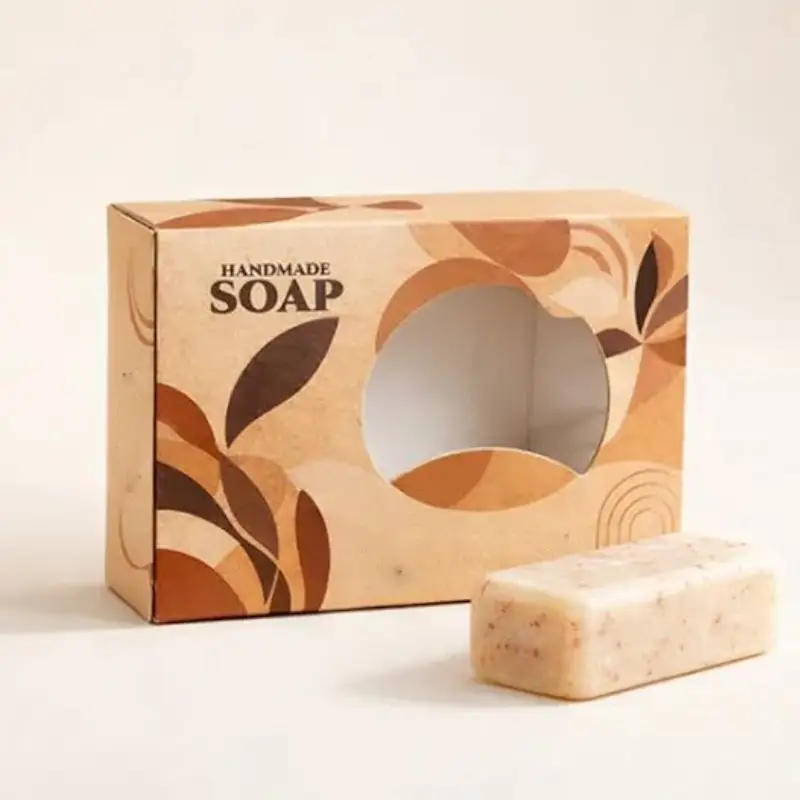
Thoughtful soap box design does more than hold a bar of soap. It protects the product, communicates your brand’s personality, and creates an immediate impression before customers ever experience the fragrance or formula. With purposeful colors, materials, typography, and structure, custom packaging can transform an everyday item into a memorable purchase.
Successful custom packaging combines visual appeal with practical performance. A well-designed soap box should fit the product securely, include clear information, and reflect the values behind your brand. Whether you sell handmade, organic, luxury, or everyday soap, intentional design choices help your products stand out on crowded retail shelves.
What are Soap Boxes?
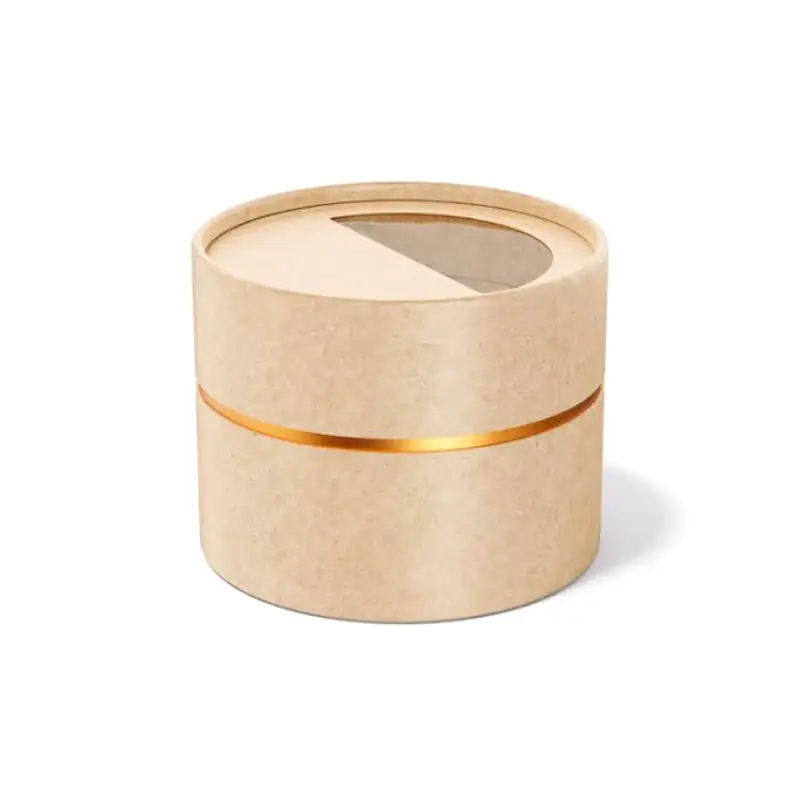
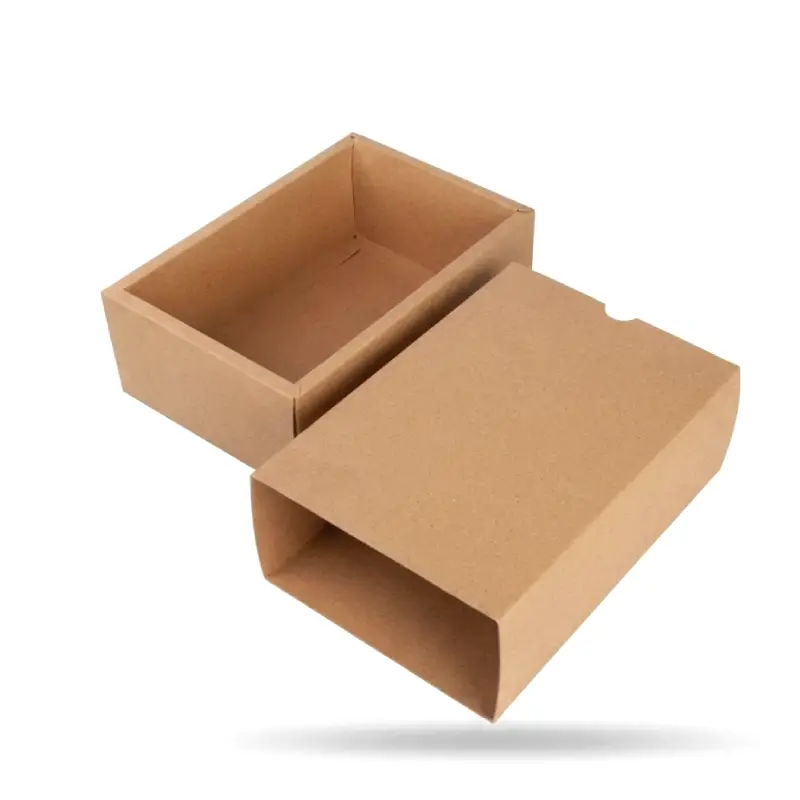
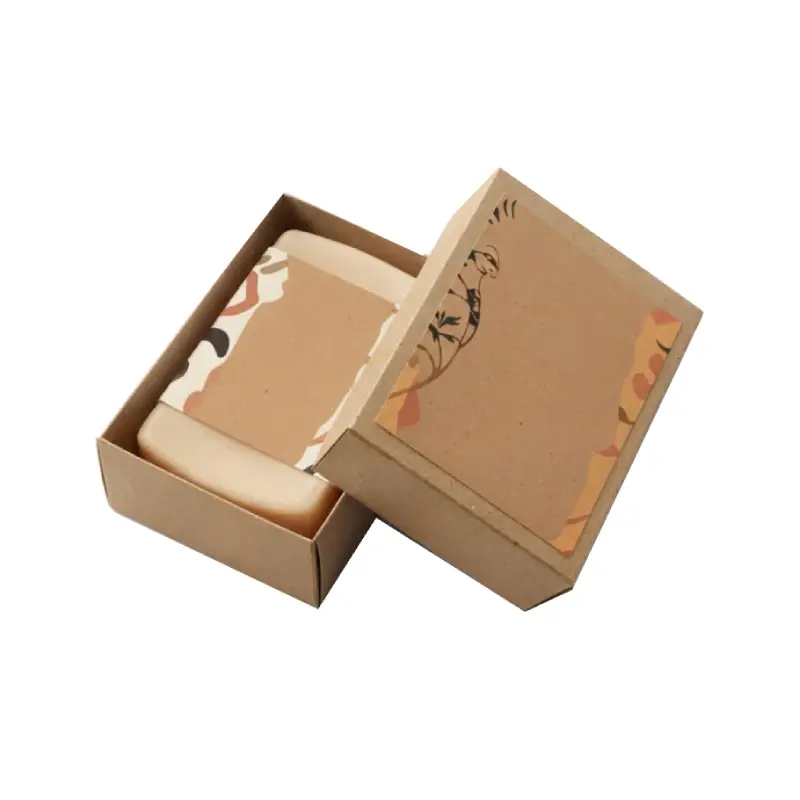
Soap boxes are purpose-made packaging containers designed to hold, protect, and present bar soap. They are commonly made from paperboard, kraft paper, corrugated material, or rigid board, depending on the product’s weight and positioning.
Beyond protection, they give brands space to communicate ingredients, fragrances, instructions, and a distinctive visual identity.
Common Uses of Soap Boxes
- Protecting soap during handling and shipping: We use soap boxes to reduce exposure to dust, moisture, scratches, dents, and breakage. Properly sized packaging keeps bars secure through warehouse handling, transport, and retail stocking, helping the soap reach customers in clean, attractive, ready-to-use condition.
- Supporting retail display and shelf appeal: We design soap boxes to help products stand upright, stack neatly, and attract attention in stores. Printed colors, graphics, windows, and premium finishes make each bar easier to identify, while consistent packaging creates a stronger, more recognizable shelf presence.
- Sharing product and compliance information: We use the box surface to present essential details, including ingredients, fragrance, net weight, directions, warnings, barcode information, and brand contact details. Clear, organized labeling helps customers compare products, make informed decisions, and use the soap appropriately after purchase.
- Reinforcing brand identity: We customize soap boxes with logos, typography, color palettes, illustrations, and brand messaging that communicate your product’s character. Whether your brand feels natural, handmade, luxurious, playful, or minimalist, cohesive packaging helps customers recognize it and remember it across future purchases.
- Improving gifting and unboxing experiences: We create premium soap boxes for gift sets, seasonal releases, and special occasions. Decorative printing, embossing, foil stamping, ribbons, and tailored inserts can make the product feel more valuable, turning a simple soap bar into a thoughtful, presentation-ready gift.
- Supporting sustainable packaging choices: We offer recyclable, biodegradable, and responsibly sourced paper-based soap box options for brands seeking lower-impact packaging. Kraft board, uncoated paper, soy-based inks, and minimal-material designs can support environmental messaging while still protecting products and maintaining an appealing, professional appearance.
10 Soap Box Design Ideas
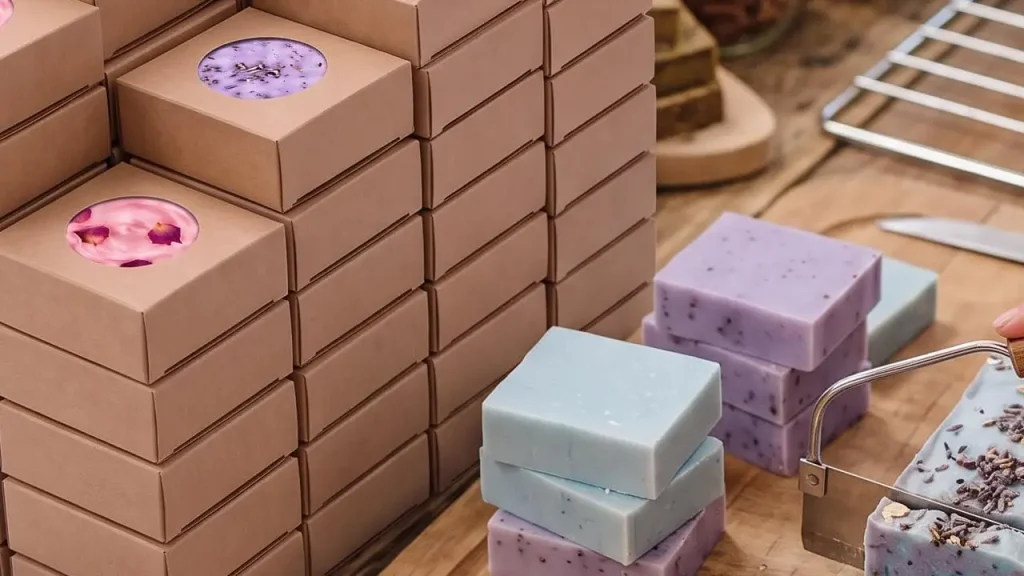
Soap box design can turn a functional package into a memorable part of your product experience. The right approach protects the soap, reflects your brand personality, and helps customers recognize it quickly. From natural kraft packaging to premium gift-ready boxes, thoughtful design choices can improve shelf appeal, communicate product benefits, and encourage repeat purchases.
1. Minimalist White Soap Boxes
Minimalist white soap boxes create a clean, modern appearance that works well for skincare, spa, and luxury soap brands. We use generous white space, refined typography, and a small logo to keep the design calm, professional, and easy to recognize on retail shelves.
We can add subtle details, such as blind embossing, a small foil-stamped logo, or a soft-touch finish, without overwhelming the package. This design keeps attention on product quality and supports a premium image, especially when paired with clear ingredient information and restrained colors.
2. Natural Kraft Soap Boxes
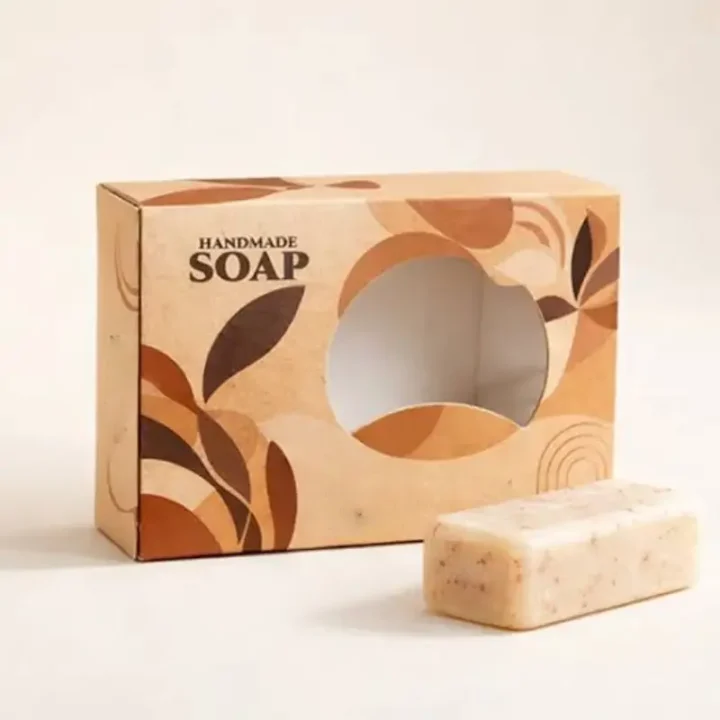
Natural kraft soap boxes offer an organic, handcrafted look that suits eco-conscious, artisanal, and botanical soap collections. We use earthy colors, simple illustrations, and uncoated textures to communicate authenticity. Kraft materials can also support packaging designs focused on natural ingredients and reduced visual waste.
We can print botanical line art, ingredient icons, or fragrance notes directly onto the surface. A die-cut window or paper belly band can add interest while preserving the natural appearance. This approach works particularly well for handmade soaps sold at markets, gift shops, and sustainable retail stores.
3. Window Soap Boxes
Window soap boxes allow customers to see the soap’s color, texture, shape, or embedded ingredients before buying. We can create square, oval, circular, or custom-shaped windows that reveal the product while keeping the surrounding box available for branding and key product details.
We place the window carefully to show the most attractive area of the soap without weakening the structure. We can combine it with clear film or an open cutout, depending on protection requirements. Window packaging is useful for visually distinctive soaps, including marbled, layered, and floral varieties.
4. Botanical Illustration Soap Boxes
Botanical illustration soap boxes use leaves, flowers, herbs, and plant-inspired artwork to communicate fragrance and ingredient stories. We can match the illustrations to scents such as lavender, rose, eucalyptus, citrus, or mint, helping customers understand the product before opening the package.
We can use watercolor-style art for a soft, handmade feeling or detailed line drawings for a more refined style. Coordinated color palettes across a collection make different fragrances easy to identify. This design helps us create packaging that feels informative, decorative, and strongly connected to natural ingredients.
5. Vintage-Inspired Soap Boxes
Vintage-inspired soap boxes use classic typography, decorative borders, muted colors, and old-fashioned illustrations to create a nostalgic presentation. We can use this style for heritage brands, traditional recipes, farmhouse collections, or soaps that emphasize craftsmanship and long-standing production methods.
We can include label-like panels, serif typefaces, and antique-style patterns to build visual character. Adding textured paper, matte finishes, or subtle embossing helps reinforce the tactile appeal. This design gives customers the impression of a carefully made product with history, personality, and enduring quality.
6. Bold Color-Block Soap Boxes
Bold color-block soap boxes use large areas of contrasting color to create instant shelf visibility. We can assign a specific color to each fragrance, product benefit, or collection, making it easy for customers to identify and compare options quickly in a retail setting.
We balance strong color with simple typography and clear information so the design remains easy to read. Adding a small pattern, metallic accent, or spot UV detail can give the box additional energy. This approach suits youthful, modern, energetic, and lifestyle-focused soap brands.
7. Embossed Luxury Soap Boxes
Embossed luxury soap boxes add dimension by raising logos, patterns, or decorative details above the paper surface. We use embossing to create a tactile experience that suggests craftsmanship and high product value. It is especially effective for premium, giftable, and boutique soap collections.
We can pair embossing with foil stamping, rigid paperboard, textured wraps, or magnetic closures for a more elevated presentation. A restrained layout often produces the strongest result because it allows the raised details to stand out. This design supports premium pricing and special-occasion positioning.
8. Die-Cut Shape Soap Boxes
Die-cut shape soap boxes use custom cuts, handles, tabs, windows, or unusual silhouettes to make the package more interactive and distinctive. We can create designs that reflect a brand icon, a fragrance ingredient, or the overall personality of a product collection.
We ensure the structure still protects the soap and stacks efficiently for storage and retail display. A creative die-cut can also reduce the need for extra decoration by making the box shape itself a visual feature. This option helps brands create a stronger first impression.
9. Soap Gift Set Boxes
Soap gift set boxes are designed to hold multiple bars, samples, accessories, or complementary products in one organized package. We can include dividers, trays, or custom inserts that keep each item separated, protected, and visually appealing when the box is opened.
We tailor the exterior for occasions such as holidays, weddings, corporate gifts, or seasonal promotions. Printed messages, ribbons, foils, and decorative sleeves help create a celebratory look. Gift set packaging increases perceived value and makes it easier for customers to purchase multiple soaps together.
10. Subscription Soap Boxes
Subscription soap boxes are designed for recurring deliveries and should combine durable shipping protection with a branded unboxing experience. We use mailer-style structures, secure closures, and inserts to keep several soap bars organized and protected throughout regular transport.
We can refresh the graphics, interior messages, or color scheme for each monthly or seasonal shipment. Including product cards, usage tips, or fragrance stories adds value without changing the basic box structure. This design helps subscription brands build anticipation, recognition, and customer loyalty.
Here is a chart showing you the different soap boxes:
| Soap Box Design | Lo mejor para | Key Design Features | Brand Impression |
|---|---|---|---|
| Minimalist white | Premium skincare and spa soaps | White space, simple typography, subtle finishes | Clean and refined |
| Natural kraft | Eco-friendly and handmade soaps | Kraft board, earthy colors, botanical graphics | Organic and authentic |
| Window box | Visually distinctive soaps | Die-cut window, clear film, product visibility | Transparent and appealing |
| Botanical illustration | Natural fragrance collections | Floral artwork, ingredient visuals, coordinated colors | Fresh and artisanal |
| Vintage-inspired | Heritage and traditional soaps | Serif fonts, borders, muted tones | Nostalgic and crafted |
| Bold color-block | Modern lifestyle brands | Contrasting colors, simple text, product coding | Energetic and modern |
| Embossed luxury | Giftable premium soaps | Raised details, foil, textured materials | High-end and elegant |
| Die-cut shape | Creative product launches | Custom silhouettes, tabs, unique windows | Playful and distinctive |
| Gift set box | Multi-soap bundles and occasions | Inserts, dividers, decorative exteriors | Generous and celebratory |
| Subscription box | Recurring direct-to-consumer deliveries | Mailer structure, interior printing, inserts | Engaging and consistent |
How to Design a Soap Box?
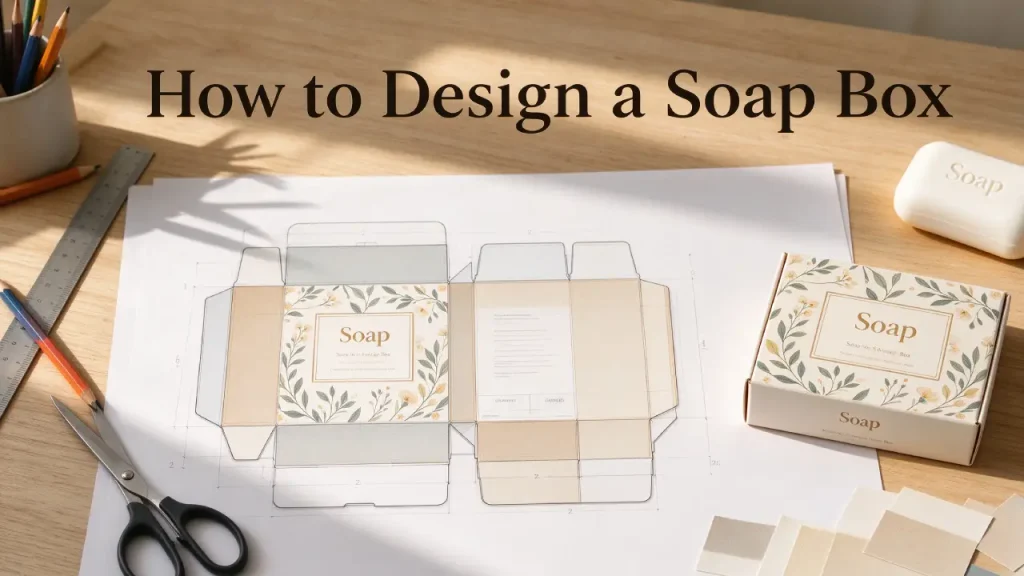
Designing a soap box requires a clear process that balances product protection, brand presentation, and practical production needs. Each stage helps shape packaging that fits the soap securely, communicates essential information, and creates a consistent customer experience. Follow these focused steps to develop a professional soap box design from concept through final production.
Herramientas necesarias
- Product measurements and sample soap bar
- Ruler or digital caliper
- Packaging dieline template
- Graphic design software
- Brand logo and color files
- Product copy and ingredient details
- Printer color references
- Material and finish samples
- Packaging supplier specifications
Step 1: Measure the Soap Bar
Measure the soap bar’s length, width, height, and any irregular edges before designing the packaging. Record accurate dimensions with a ruler or digital caliper, then retain the sample for fit testing. Precise measurements establish the starting point for a box that holds the product securely without unwanted pressure or excess movement.
Step 2: Add Packaging Clearance
Add a small amount of clearance around the soap measurements to allow smooth packing and removal. Consider any wrapping, labels, shrink film, or inner paper that increases product size. Adequate clearance prevents crushed corners and tight fitting, while still keeping the bar stable during shipping, storage, display, and customer handling.
Step 3: Choose the Box Style
Choose one box style that matches the soap’s intended sales channel and presentation level. A tuck-end carton works for standard retail bars, while a sleeve, window box, or rigid box may suit specialty products. Selecting the structure early gives the design a practical foundation before graphics, finishes, or decorative elements are developed.
Step 4: Select the Packaging Material
Select a packaging material that provides suitable strength, print quality, and visual character for the soap. Paperboard is common for retail cartons, kraft board supports a natural look, and rigid board suits premium gifting. The selected material influences folding, printing, finishing, durability, cost, and the overall feel customers experience.
Step 5: Create the Box Dieline
Create a box dieline that shows every panel, fold, flap, glue area, and cut line required for production. Use a supplier-approved template whenever possible to avoid structural errors. A correct dieline defines the physical box layout and ensures design elements remain aligned after printing, cutting, folding, and final assembly.
Step 6: Place the Brand Logo
Place the brand logo on the primary display panel where customers can identify it quickly. Keep sufficient clear space around the mark so it remains visible and legible. Consistent logo placement builds recognition across product lines and helps the packaging look organized, professional, and connected to the broader brand identity.
Step 7: Select the Color Palette
Select a color palette that reflects the soap’s fragrance, ingredients, audience, and brand personality. Use colors consistently across all visible box panels to create a unified appearance. Check that text contrasts clearly against background colors, since readable packaging supports confident buying decisions and prevents important product information from being overlooked.
Step 8: Add Product Information
Add the product name, scent, net weight, ingredients, directions, warnings, and other required details to appropriate box panels. Organize the copy with clear headings and readable type sizes. Accurate information helps customers understand what they are purchasing, supports safe use, and gives the packaging a trustworthy, retail-ready appearance.
Step 9: Choose Typography
Choose typefaces that match the product’s personality while remaining easy to read at small packaging sizes. Limit the design to a consistent font system for headings, body copy, and supporting details. Well-chosen typography improves hierarchy, directs attention to essential information, and helps customers recognize the product quickly across crowded shelves.
Step 10: Add Decorative Graphics
Add decorative graphics that support the soap’s fragrance story, ingredient focus, or desired brand mood. Use illustrations, patterns, icons, or simple visual textures without blocking important text. Purposeful graphic elements make the box more distinctive, create shelf appeal, and give customers visual cues about the product before opening it.
Step 11: Select the Printing Method
Select a printing method based on your artwork complexity, color requirements, material choice, and production quantity. Digital printing works well for shorter runs, while offset printing supports consistent quality for larger orders. The method affects color accuracy, turnaround time, cost, and the range of decorative effects available for your packaging.
Step 12: Choose the Box Finish
Choose a finish that protects the printed surface and strengthens the desired visual impression. Matte lamination creates a soft, understated look, while gloss lamination produces a brighter appearance. Options such as spot UV, embossing, or foil stamping can add texture and emphasis when they align with the brand’s overall design direction.
Step 13: Review the Artwork
Review every panel of the completed artwork for spelling, alignment, color consistency, image quality, and correct product details. Confirm that barcodes, warnings, and legal information remain clear and properly positioned. Careful artwork review reduces production mistakes, prevents expensive reprints, and ensures the finished packaging accurately represents the intended brand standard.
Step 14: Produce a Physical Sample
Produce a physical sample using the selected material, dieline, printing method, and finish before starting full production. Assemble the sample around the actual soap bar and examine its fit, appearance, and durability. A prototype reveals practical issues that may not appear on screen, allowing adjustments before committing to quantities.
Conclusión
Memorable soap packaging begins with a clear understanding of your product, audience, and brand story. By selecting appropriate box styles, materials, colors, and printing techniques, you can create a cohesive presentation that customers recognize and trust. Every detail, from the opening experience to the information panel, contributes to perceived product quality and brand value.
Practical protection remains just as important as appearance. Properly sized wholesale soap boxes help preserve the soap’s shape, prevent damage during storage and shipping, and support neat retail displays. Features such as inserts, windows, protective coatings, and durable paperboard can improve functionality while giving customers a polished, reliable experience with every purchase.
We provide wholesale soap boxes customized for your soap bars, branding, and distribution needs. We can help you select the right structure, materials, printing, and finishes for a professional result at scale. Share your product specifications and design goals with us, and we will create packaging that protects your soap and strengthens your market presence.

 Español
  English
  العربية
  Deutsch (Sie)
  Français
  日本語
日本語  한국어
한국어  Italiano