

A drawer box is the sturdy inner compartment that slides within cabinets, dressers, desks, and storage units. Though often overlooked, it plays a major role in organization, durability, and everyday convenience. Its material, joinery, dimensions, and hardware all influence how smoothly a drawer operates and how much weight it can safely hold.
This ultimate guide explains the essentials of drawer boxes, from their basic structure and common materials to construction methods and customization options. Whether you are planning cabinetry, upgrading furniture, or sourcing packaging, understanding drawer box design helps you choose a solution that balances appearance, strength, storage needs, and long-term performance.
What is a Drawer Box?
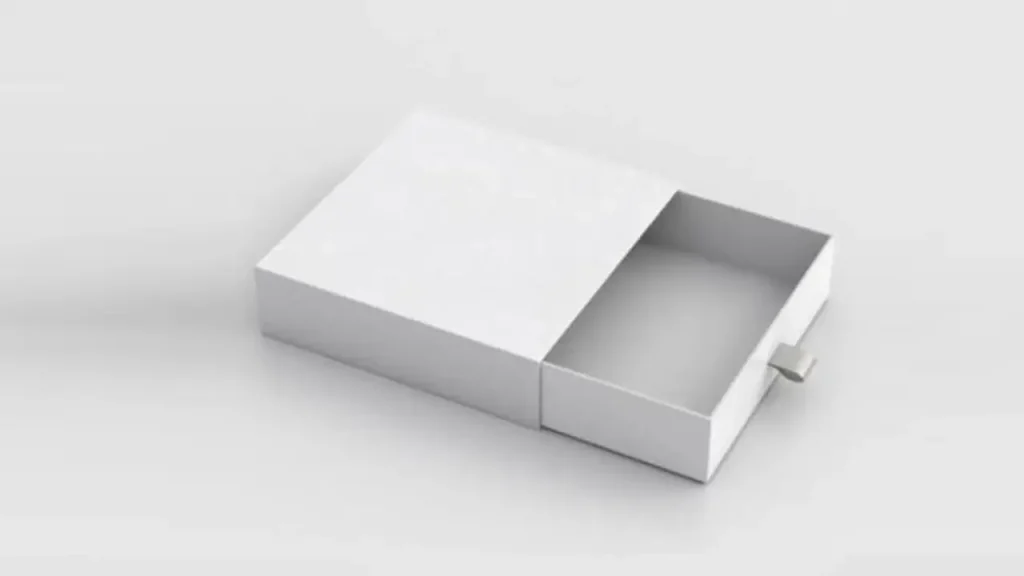
A drawer box is premium packaging made with an outer sleeve and a sliding inner tray. Instead of lifting a lid, customers pull the tray outward to reveal the product inside. This structure offers protection, easy access, and a refined unboxing experience, making it ideal for gifts, cosmetics, jewelry, electronics, and luxury retail products.
Key Features of Drawer Box
- Sliding tray design: The inner tray moves smoothly through the outer sleeve, creating a controlled reveal that feels more engaging than standard lift-off or folding boxes. It also lets customers access and return products without dismantling the packaging.
- Strong protective structure: Drawer boxes use a rigid sleeve around the tray to help resist external pressure and keep products securely positioned during handling, shipping, storage, and display. Custom inserts can add another layer of protection for delicate items.
- Premium presentation: The gradual sliding motion creates a memorable unboxing moment that can elevate the perceived value of a product. Brands often use this style for jewelry, watches, beauty items, high-end gifts, and technology accessories.
- Custom branding options: Businesses can tailor drawer boxes with printed artwork, logos, foil stamping, embossing, ribbon pulls, windows, and specialty finishes. These details turn functional packaging into a visual extension of the brand and product experience.
- Reusable format: Because the tray and sleeve can be opened and closed repeatedly, customers may keep drawer boxes for storage or organization. This extended use can help reinforce brand visibility after the original product has been removed.
Types of Drawer Boxes
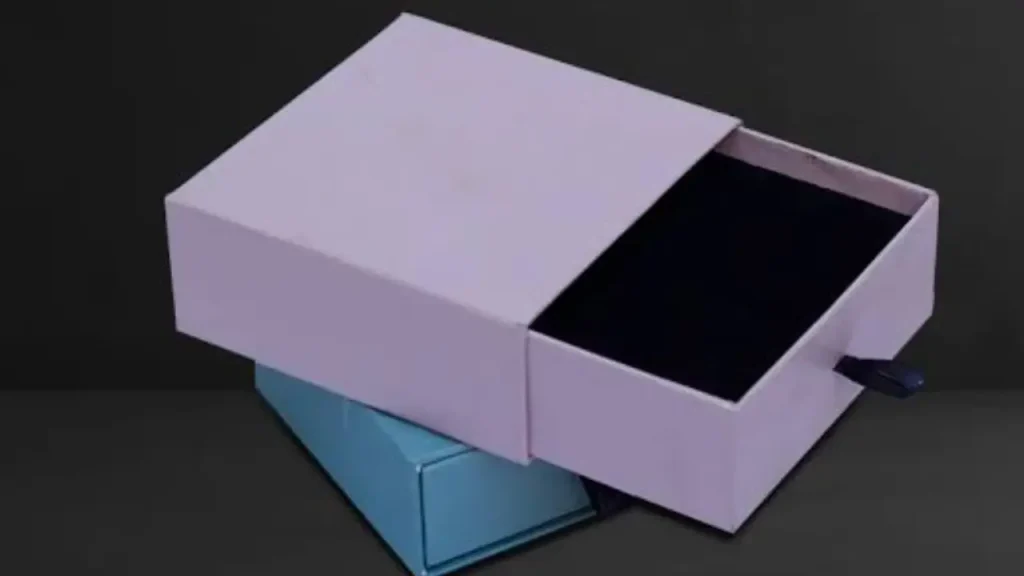
Drawer box packaging, also known as slide or matchbox-style packaging, consists of a rigid outer sleeve and a pull-out inner tray. This premium format protects products while creating a controlled, memorable reveal. Brands can adapt drawer boxes with custom sizes, inserts, pulls, finishes, and printing for cosmetics, jewelry, apparel, electronics, gifts, and other retail items.
Single-Tray Drawer Box
A single-tray 서랍 상자 has one sliding inner compartment inside one outer sleeve. It is the most widely used option because it is simple, versatile, and suitable for many product sizes. Brands commonly select it for jewelry, small electronics, candles, cosmetics, and premium accessories, often adding a ribbon pull or custom insert.
Double-Drawer Box
A double-drawer box contains two sliding trays within one outer sleeve, sometimes opening from opposite ends. This style separates products neatly and works well for paired items, gift sets, cosmetic collections, or subscription packages. It provides a more distinctive unboxing experience while allowing each item to remain organized and protected.
Two-Tier Drawer Box
A two-tier drawer box uses stacked sliding trays to hold multiple products or components on separate levels. It is especially useful for curated gift sets, premium cosmetics, spirits, and product bundles that need clear organization. Each tier can include fitted inserts, helping present products securely and attractively when customers open the box.
Magnetic Drawer Box
A magnetic drawer box incorporates concealed magnets that help the sliding tray close securely within its sleeve. This feature adds a refined feel, supports repeat use, and can improve product security during handling. It is a strong choice for luxury products where a smooth opening-and-closing experience is an important part of brand presentation.
Ribbon-Pull Drawer Box
A ribbon-pull drawer box includes a fabric ribbon attached to the inner tray, giving customers an easy and elegant way to slide it out. The ribbon adds a decorative detail while improving usability. This type is popular for perfumes, jewelry, gift items, and other products that benefit from a luxury-inspired appearance.
Nested Drawer Box
A nested drawer box uses multiple compartments or drawers arranged within a larger outer structure. It suits multi-piece product sets that require individual sections, such as skincare collections, accessories, or promotional kits. This format can create a layered reveal, protect separate items, and provide a highly organized presentation for complex packaging assortments.
| Type | 구조 | 최상의 대상 | Main advantage |
|---|---|---|---|
| Single-tray drawer box | One tray and one sleeve | Jewelry, cosmetics, electronics | Simple, versatile presentation |
| Double-drawer box | Two trays in one sleeve | Gift sets, paired products | Keeps products separately organized |
| Two-tier drawer box | Stacked sliding trays | Premium sets, spirits, cosmetics | Creates layered product presentation |
| Magnetic drawer box | Sliding tray with hidden magnets | Luxury retail and gifting | Secure, premium-feeling closure |
| Ribbon-pull drawer box | Tray opened with fabric ribbon | Perfumes, accessories, gifts | Elegant and easy opening |
| Nested drawer box | Multiple compartments or drawers | Multi-item kits and collections | Organized layout for several components |
How to Make a Drawer Box?

Manufacturing a drawer box requires precision planning, durable materials, and controlled assembly. A commercial drawer box is a two-part packaging system: a rigid outer sleeve and a sliding inner tray. Each production stage affects fit, appearance, product protection, and the smoothness of the final unboxing experience.
필요한 도구
- Packaging design software
- Digital cutting or die-cutting machine
- Cutting dies and scoring tools
- Rigid greyboard or chipboard
- Printed wrapping paper
- Industrial adhesive applicator
- Folding and corner-forming equipment
- Pressing machine
- Quality-control measuring tools
Step 1: Define Product Specifications
Document the product dimensions, weight, protection needs, branding requirements, and quantity before structural design begins. These specifications determine the tray size, sleeve dimensions, board thickness, insert style, and finishing options. Clear requirements reduce production errors and help manufacturers select materials that properly support the product during handling, retail display, and shipment.
Step 2: Create the Dieline
Create a dieline, or flat technical template, for the inner tray, outer sleeve, and any inserts. The dieline identifies exact cut lines, score lines, folds, glue areas, and artwork boundaries. Manufacturers use this blueprint to maintain consistent dimensions and create components that fit together correctly during commercial production.
Step 3: Produce a Prototype
Produce a physical sample using the approved dieline before beginning large-scale manufacturing. The prototype checks product fit, sleeve clearance, sliding performance, insert placement, and visual proportions. Reviewers can identify sizing or construction issues at this stage, allowing corrections before materials, printing, and machinery are committed to the complete production run.
Step 4: Select Rigid Board
Select greyboard or chipboard with a thickness appropriate for the product’s weight and desired premium feel. The rigid board forms the structural core of both the sleeve and tray. A suitable board prevents warping, crushing, and deformation, ensuring the finished drawer box protects its contents and maintains crisp edges throughout distribution.
Step 5: Print the Wrap
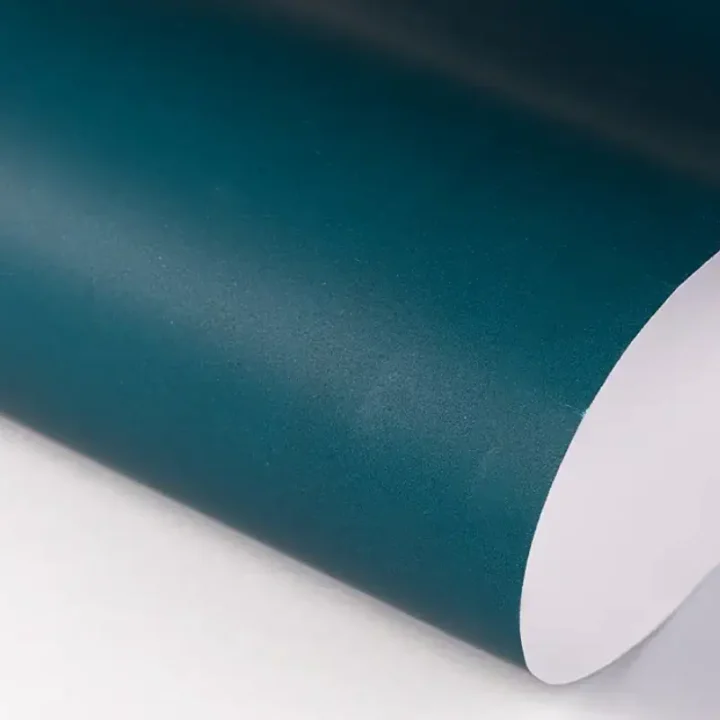
Print approved branding, colors, product information, and graphics onto the wrapping paper. Commercial printers apply artwork to separate paper wraps because they provide detailed color reproduction and high-quality decoration. Accurate print registration ensures every drawer box has consistent visuals, helping brands present a professional, recognizable appearance across the entire manufacturing order.
Step 6: Apply Surface Finish
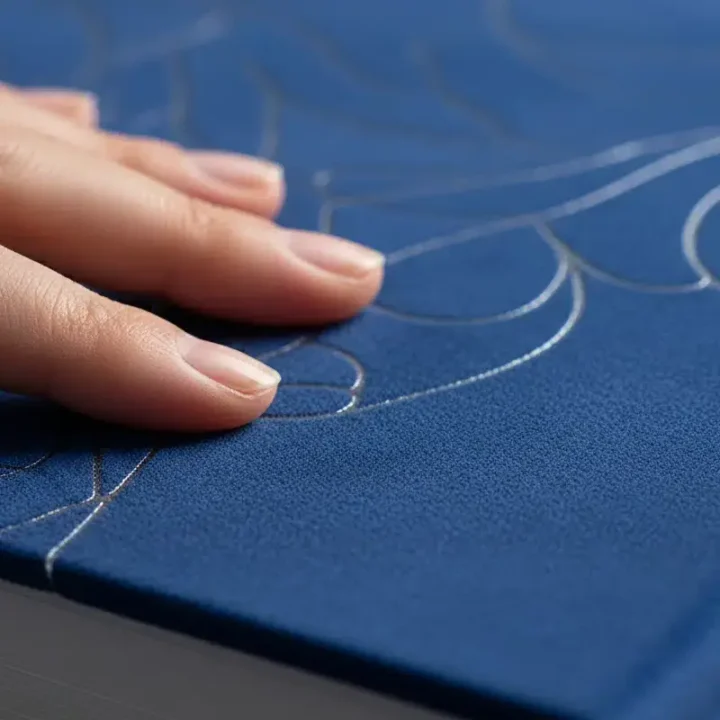
Apply the selected surface finish to the printed wrap after printing is complete. Lamination, coatings, foil details, embossing, or other treatments can increase visual appeal and protect the printed design. This production stage supports a consistent premium appearance while reducing the risk of scuffing, fading, fingerprints, or moisture damage.
Step 7: Cut the Board
Cut the rigid board into precisely sized components for the sleeve and inner tray. Industrial cutting equipment follows the approved technical dimensions to produce repeatable parts across the production run. Precise board cutting is essential because even small measurement differences can affect box alignment, structural strength, and the drawer’s sliding movement.Step 8: Score the Board
Score or groove the cut board along predetermined fold locations. Scoring creates controlled bending points that allow rigid board panels to form clean, sharp corners without cracking. Accurate grooves support square box geometry and consistent assembly, which are essential for maintaining a professional appearance and reliable movement between tray and sleeve.
Step 9: Form the Tray
Form the inner tray by folding its scored rigid-board panels into the required drawer shape. Production equipment or trained operators position each panel accurately to establish straight sides and square corners. The tray must match the approved dimensions because it directly holds the product and determines how smoothly the package opens.
Step 10: Bond the Tray Corners
Bond the formed tray corners using industrial adhesive or reinforced stay tape. This single operation secures the tray structure and helps it resist separation during use, transportation, and repeated opening. Controlled adhesive application is important because excess glue may affect appearance, while insufficient bonding can weaken the finished packaging.
Step 11: Form the Outer Sleeve
Form the outer sleeve around its scored rigid-board structure according to the approved dieline. The sleeve becomes the protective housing that surrounds the sliding tray. Accurate forming is essential because the sleeve must remain square and provide sufficient clearance, allowing the drawer to move without becoming loose, tight, or uneven.
Step 12: Bond the Sleeve Seams
Bond the sleeve seams to permanently secure its rigid-board structure. Adhesive must be applied evenly along specified joining areas to maintain a clean appearance and strong connection. Proper seam bonding helps the sleeve preserve its rectangular shape, withstand handling pressure, and support reliable sliding performance throughout the product’s lifecycle.
Step 13: Wrap the Tray
Wrap the completed tray with the printed, finished paper covering. Adhesive is applied to the wrap before it is pressed onto the rigid-board surface and folded neatly around the edges. This process covers raw board, improves presentation, and gives the inner drawer the branded appearance required for retail packaging.
Step 14: Wrap the Sleeve
Wrap the assembled sleeve with its printed decorative paper covering. Machinery or skilled operators apply pressure to remove wrinkles, bubbles, and alignment errors. The wrapped sleeve provides the primary exterior presentation of the drawer box, so clean edges, centered artwork, and consistent finish quality are critical to brand perception.
Step 15: Add the Pull Feature
Install a ribbon pull, finger notch, or other opening feature onto the inner tray. This component gives customers a convenient point for drawing the tray out of its sleeve. The pull feature should align correctly with the structure, remain securely attached, and support the desired visual style of the packaging.
Step 16: Fit the Insert
Fit the chosen insert inside the completed tray to position and protect the product. Foam, molded pulp, cardboard, fabric, or other custom materials may be used depending on the item. A correctly fitted insert limits movement, supports presentation, and reduces the chance of damage while the drawer box is shipped or displayed.
Step 17: Test Drawer Movement
Test the tray’s movement inside the outer sleeve after both components are complete. Inspectors slide the tray repeatedly to identify friction, looseness, uneven alignment, or interference. This test confirms that manufacturing tolerances are correct and that customers will receive a smooth, controlled opening experience consistent with premium drawer-box packaging.
Step 18: Inspect Finished Boxes
Inspect each finished drawer box for print defects, damaged corners, glue residue, inaccurate alignment, and structural weakness. Quality-control teams also verify dimensions, drawer function, insert placement, and finish consistency. Removing defective units before packing protects the manufacturer’s standards and helps ensure retail customers receive reliable, polished packaging ready for product filling.
Step 19: Pack Production Orders
Pack approved drawer boxes in protective shipping cartons for storage or delivery to the customer. Packaging staff arrange units to reduce crushing, rubbing, and moisture exposure during transit. Clearly labeled cartons support inventory handling and fulfillment, while careful packing preserves the premium surface finish and structural quality achieved throughout manufacturing.
Which production stage do you think has the greatest effect on whether a drawer box slides smoothly: sleeve formation, tray formation, or final movement testing?
결론
Drawer boxes combine practical storage with thoughtful design. The right choice depends on intended use, available space, load capacity, material preferences, and desired finish. Durable construction and accurate sizing help drawers open smoothly, remain stable under daily use, and complement the surrounding furniture, cabinetry, or retail presentation for years to come.
From simple wooden cabinet drawers to premium presentation packaging, drawer boxes can be adapted to many needs. Options such as dividers, soft-close slides, printed surfaces, handles, inserts, and reinforced corners make them more functional and visually distinctive. Selecting quality materials and reliable construction protects contents while creating a polished user experience.
For businesses seeking packaging that feels premium and works reliably, custom drawer boxes offer a strong, memorable option. Wholesale ordering can support consistent branding, flexible sizing, and cost-effective production for retail, gifts, cosmetics, electronics, and more. Get wholesale custom drawer boxes from us to create packaging tailored to your products and brand.


 한국어
한국어  English
  العربية
  Deutsch (Sie)
  Español
  Français
  日本語
日本語  Italiano