
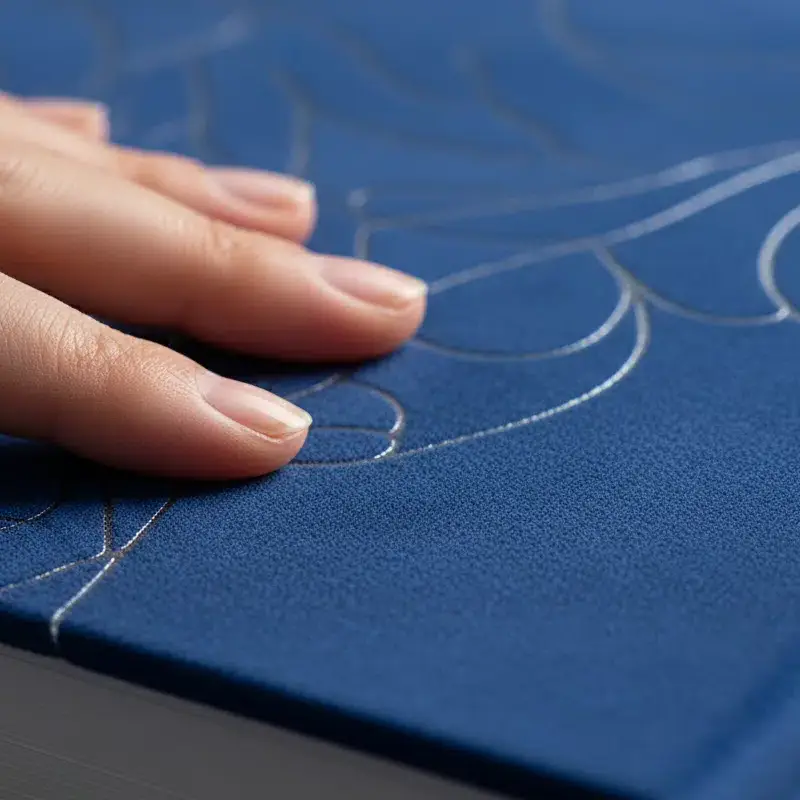
Choosing the right packaging finish can shape how customers perceive a product before they even open it. Soft touch and matte lamination both provide a sophisticated, low-glare appearance, but they create different experiences in the hand. Understanding their differences helps brands balance appearance, protection, texture, and production costs when designing custom packaging.
Soft touch lamination creates a velvety, suede-like surface that adds a luxurious sensory element, while matte lamination offers a smooth, understated finish with broad practical appeal. Each option can protect printed packaging and enhance artwork, yet the best selection depends on the product, brand identity, customer interaction, budget, and expected handling conditions.
What is Soft Touch Lamination?

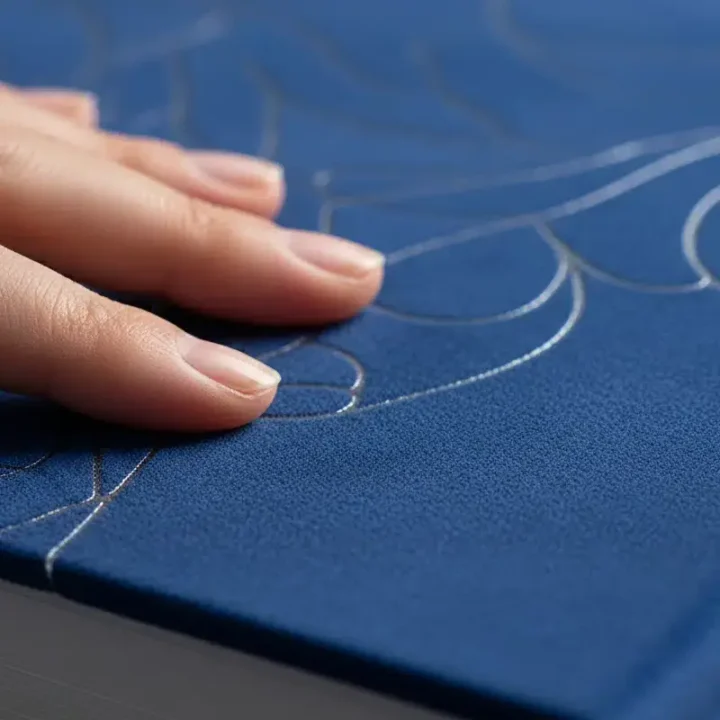
Soft touch lamination is a premium print finish that bonds a thin, specially textured film to printed paperboard or paper. It creates a smooth, velvety, suede-like surface with a muted matte look. Commonly used on high-end packaging and marketing materials, it adds tactile appeal while helping protect printed graphics from regular handling.
Applications of Soft Touch Lamination
- Luxury product boxes: Used on cosmetics, skincare, fragrance, jewelry, and technology boxes to create a refined tactile experience that reinforces a product’s premium positioning at retail.
- Gift packaging: Enhances gift boxes, seasonal collections, and special-edition packaging with a memorable velvet feel that makes the unboxing experience more elegant and intentional.
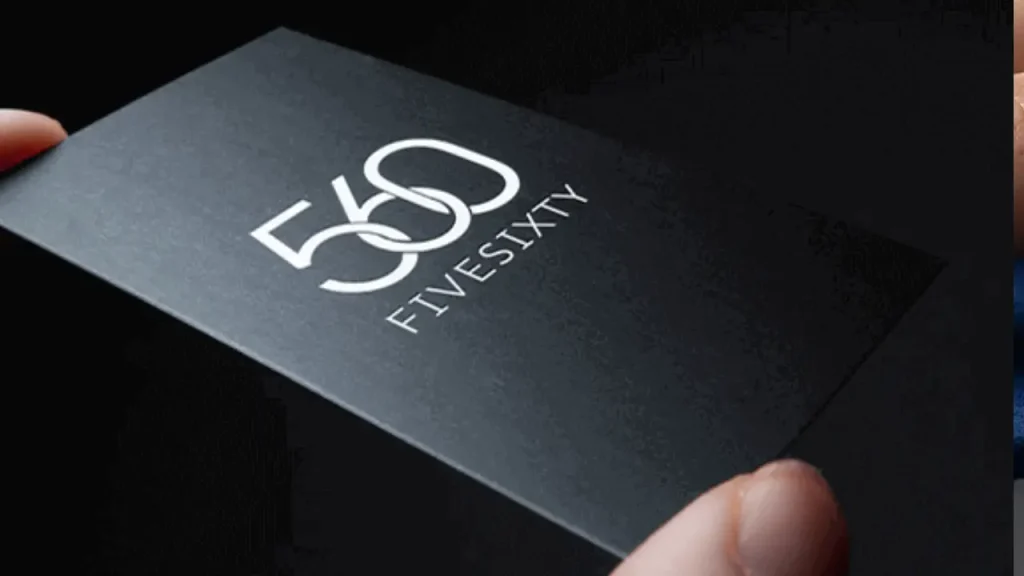
- Business cards: Gives professional cards a distinctive, high-quality texture that helps them stand out during meetings, networking events, and client presentations while protecting printed details.
- Book covers: Applied to hardcover books, journals, notebooks, and limited-edition publications for a low-glare, sophisticated surface that feels comfortable and durable during regular use.
- Marketing brochures: Elevates brochures, presentation folders, invitations, and sales materials by adding an upscale finish that supports luxury branding and improves the perceived quality of communications.
- Product labels: Used for premium labels on wine, spirits, candles, gourmet foods, and beauty products when a tactile matte finish helps differentiate items on crowded retail shelves.
- Subscription boxes: Makes branded subscription, influencer, and launch-kit packaging feel more exclusive, providing customers with a tactile first impression that complements a thoughtfully designed product reveal.
What is 무광택 라미네이션?
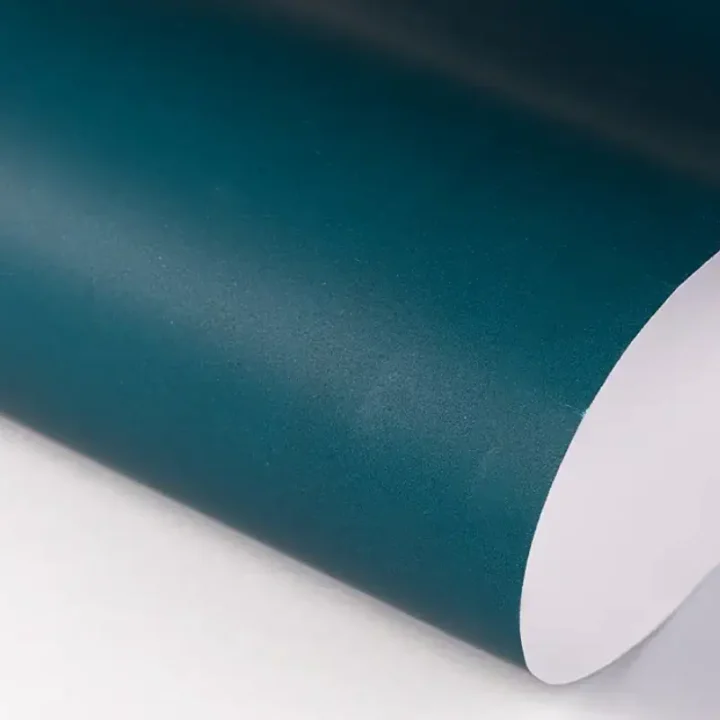
Matte lamination is a print-finishing process that applies a thin, transparent, non-glossy film over printed paper or paperboard. It creates a smooth, low-reflective surface that reduces glare and gives packaging a clean, sophisticated appearance. The added film also helps protect graphics from light scuffing, moisture, and everyday handling.
무광택 라미네이션의 응용
- Retail product boxes: Matte lamination gives cosmetic, food, electronics, apparel, and household-product cartons a polished, understated appearance while helping protect printed designs during handling, shipping, and display.
- Business cards: Professionals use matte-laminated cards to create a smooth, refined finish that improves perceived quality, reduces glare, and helps cards stay presentable through regular wallet and pocket use.
- Book covers: Publishers apply matte lamination to novels, art books, coffee-table books, and journals because its low-glare surface supports comfortable reading and protects covers from routine scuffs.
- Brochures and catalogs: Matte finishes work well for brochures, product catalogs, presentation folders, and sales materials, where reduced reflection improves readability and creates a professional, premium visual presentation.
- Restaurant menus: Restaurants use matte lamination on menus to create a sophisticated appearance while adding a wipeable protective layer that better withstands frequent handling, light moisture, and stains.
- Gift and specialty packaging: Gift boxes, subscription cartons, jewelry packaging, and seasonal product collections use matte lamination for an elegant finish that complements branding without creating the strong shine of gloss.
- Cards and board games: Matte film can enhance tarot cards, flash cards, board-game pieces, and promotional cards by providing a premium look and practical surface protection for repeated customer use.
Soft Touch vs Matte Lamination
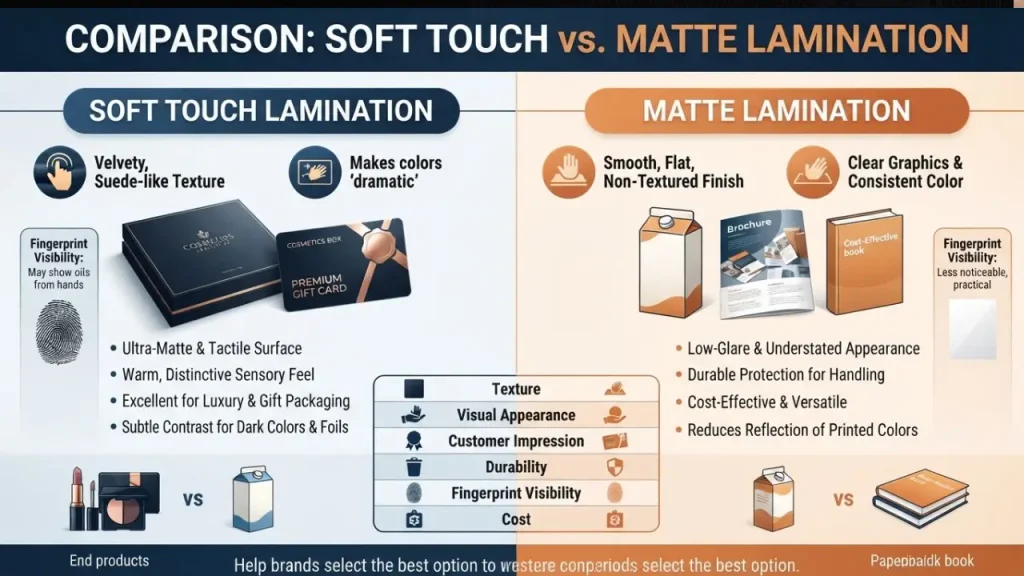
Soft touch and matte lamination both give printed packaging a refined, low-glare finish, but they differ in texture, visual impact, handling performance, and cost. Soft touch creates a velvety surface designed to make packaging feel luxurious, while matte lamination provides a smooth, practical, non-reflective finish.
Comparing both helps brands select the best option for their products.
Texture and Tactile Experience
Soft touch lamination has a noticeably velvety, suede-like texture. When customers hold a box, card, or booklet, the finish creates a soft, warm sensation that makes the printed piece feel more distinctive and premium.
Matte lamination feels smooth and flat rather than plush. It still provides a polished surface, but it does not create the same sensory interaction. This makes matte a suitable choice when a clean appearance matters more than a luxury tactile effect.
Visual Appearance
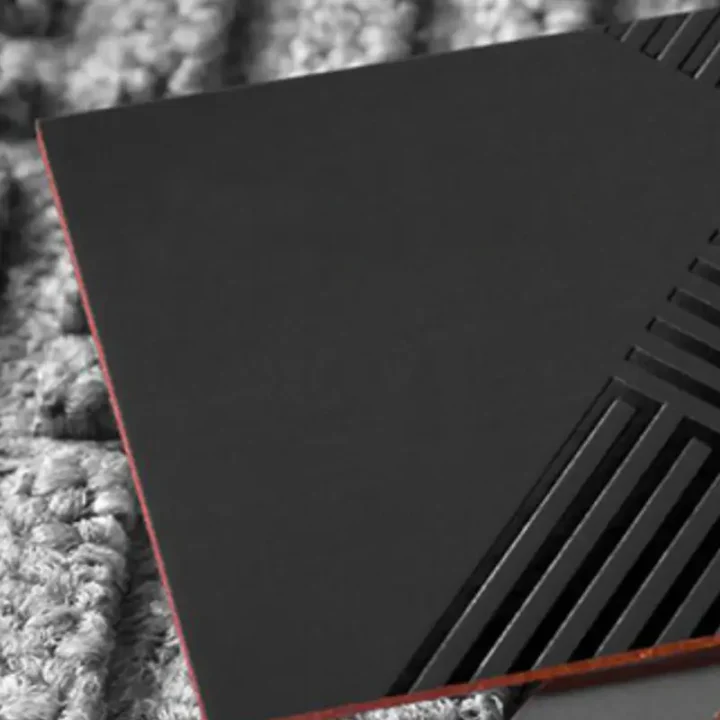
Soft touch lamination creates an ultra-matte look with a subtle, sophisticated surface. It can make dark colors, minimalist artwork, metallic foils, and raised details look more dramatic by creating contrast between the velvety background and decorative elements.
Matte lamination also reduces shine and reflection, but it usually has a more neutral appearance. It supports clear graphics, readable text, and consistent color presentation, making it adaptable for many packaging designs and printed marketing materials.
Durability and Protection
Soft touch lamination adds a protective film over printed packaging, helping reduce ordinary abrasion and wear during handling. However, because its surface is soft and textured, dark colors may show marks or light scuffs after frequent contact.
Matte lamination also protects printing from routine handling, moisture exposure, and minor scuffs. Its smooth film surface is often a practical choice for packaging that must travel through shipping, retail display, and repeated customer handling.
Fingerprints and Smudges
Soft touch lamination may disguise some fingerprints because of its low-glare finish, but it is not always fingerprint-proof. Oils from hands can leave visible marks on black, navy, or other dark soft-touch packaging.
Matte lamination is less reflective than gloss, so fingerprints are generally less noticeable. For products that shoppers handle frequently, matte can be a dependable option, especially when designs use very dark solid colors.
Cost and Production
Soft touch lamination generally costs more than matte because it uses a specialty film and may require careful handling throughout production. It is often best reserved for premium lines, luxury launches, gift boxes, and small-to-medium runs where touch supports perceived value.
Matte lamination is more widely available and usually less expensive. It is a cost-effective solution for brands that want a sophisticated low-glare appearance across large-volume boxes, brochures, catalogs, folders, and standard retail packaging.
Recommended Uses
Soft touch lamination is especially suitable for luxury cosmetics, fragrance cartons, jewelry boxes, high-end electronics, invitation suites, executive business cards, and special-edition packaging. It is strongest when customers are expected to pick up, hold, and closely examine the printed item.
Matte lamination works well for product boxes, books, menus, catalogs, brochures, presentation folders, and promotional materials. It offers a professional finish for many industries without requiring a specialized tactile effect or a premium finishing budget.
Here are some differneces between soft touch lamination and matte lamination:
| 측면 | 소프트 터치 라미네이션 | 무광택 라미네이션 |
|---|---|---|
| 텍스처 | Velvety, suede-like, and warm | Smooth, flat, and non-textured |
| 모양 | Ultra-matte, luxurious, and tactile | Low-glare, clean, and understated |
| Customer impression | Premium, sensory, and memorable | Professional, versatile, and polished |
| 보호 | Helps resist light wear but may show marks on dark colors | Helps protect against ordinary handling, light scuffs, and moisture |
| Fingerprint visibility | Can show oils or fingerprints on dark surfaces | Usually less reflective and practical for frequently handled designs |
| 비용 | Typically higher because of specialty film | Typically lower and more widely available |
| Ideal applications | Luxury boxes, gift packaging, premium cards, and special editions | Retail cartons, brochures, menus, books, and high-volume print runs |
How to Choose Soft Touch and Matte Lamination?
Choosing between soft touch and matte lamination starts with the customer experience you want your packaging to create. Soft touch delivers a velvety, premium sensation, while matte provides a smooth, low-glare, versatile finish.
Review your product category, artwork, handling conditions, production quantity, and budget before selecting a finish that supports both brand presentation and everyday performance.
How to Choose
- Define your brand position: Select soft touch lamination for luxury, gift-focused, or high-end products where customers are expected to notice and enjoy the surface texture. Choose matte lamination for an understated, professional look that works consistently across mainstream retail packaging, promotional items, and everyday product lines.
- Consider how often packaging is handled: Choose matte for boxes likely to be picked up repeatedly in stores, stacked in warehouses, or moved through busy distribution channels. Soft touch is better for controlled premium experiences, but heavy contact may make marks, oils, or scuffs more noticeable over time.
- Review your artwork and colors: Soft touch can make minimalist layouts, dark tones, foil stamping, embossing, and premium typography feel especially striking. However, solid black, navy, and other deep colors may reveal fingerprints. Matte is a safer choice when dark packaging will receive frequent handling before purchase.
- Set a realistic budget: Standard matte lamination is generally the more economical option and is well suited to larger production runs. Soft touch requires specialty film and usually carries an added production cost, so reserve it for packaging where the tactile experience can justify the investment.
- Match protection to distribution needs: Matte offers dependable everyday protection for cartons, brochures, and retail pieces that face standard shipping and shelf handling. Consider soft touch when you need a substantial, premium hand feel, but test samples first if the item will experience rough transit or frequent contact.
- Plan compatible design enhancements: Soft touch provides an effective background for foil stamping, embossing, debossing, and spot UV because it creates contrast between the muted surface and glossy, metallic, or raised details. Matte also supports embellishments, offering a more subtle finish for designs with broader practical needs.
- Request physical samples before ordering: Compare actual samples under your retail lighting and test them with real handling, stacking, and shipping conditions. Look for scratches, fingerprints, color changes, and adhesion quality. This small step helps verify that the finish suits your material, artwork, and intended product journey.
결론
Soft touch and matte lamination are both valuable finishing options for brands that want packaging to look polished, professional, and durable. The main distinction is tactile: soft touch creates a memorable velvet-like feel, whereas matte provides a smooth, non-reflective surface. Neither is universally better; the right choice depends on the visual message and customer experience you want to create.
Choose soft touch lamination when your product benefits from a premium, sensory impression, such as luxury cosmetics, high-end gifts, premium apparel, technology, or special-edition products. Select matte lamination when you need a versatile, cost-conscious finish for retail cartons, catalogs, folders, or larger-volume packaging. Request samples first, especially for dark colors and frequently handled designs.
Thoughtful packaging decisions can strengthen brand recognition, protect your printed artwork, and make unboxing more memorable. Our team can help you compare soft touch and matte lamination, choose suitable materials, and add details such as foil stamping, embossing, or spot UV. Get wholesale custom packaging from us to create packaging that supports your products and brand goals.

 한국어
한국어  English
  العربية
  Deutsch (Sie)
  Español
  Français
  日本語
日本語  Italiano