
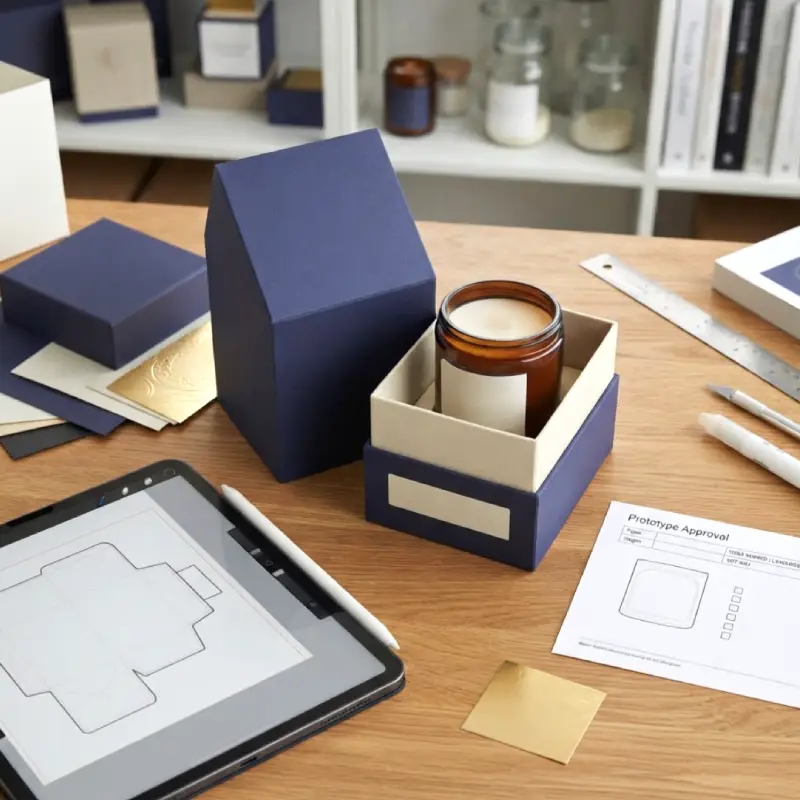
Candle box design plays an important role in protecting products, communicating brand identity, and attracting customers. A thoughtfully designed box can make candles look more appealing while creating a memorable unboxing experience. From selecting materials and structures to developing artwork and finishes, every packaging detail can influence how customers perceive your candle brand.
Whether you sell handmade candles, luxury collections, scented jars, or gift sets, your packaging should reflect your brand’s personality and market position. This guide explains the essential steps for successful candle box design, helping you choose suitable dimensions, materials, colors, printing methods, finishes, and structural features for attractive, practical packaging solutions.
Why Candle Box Design Matters?
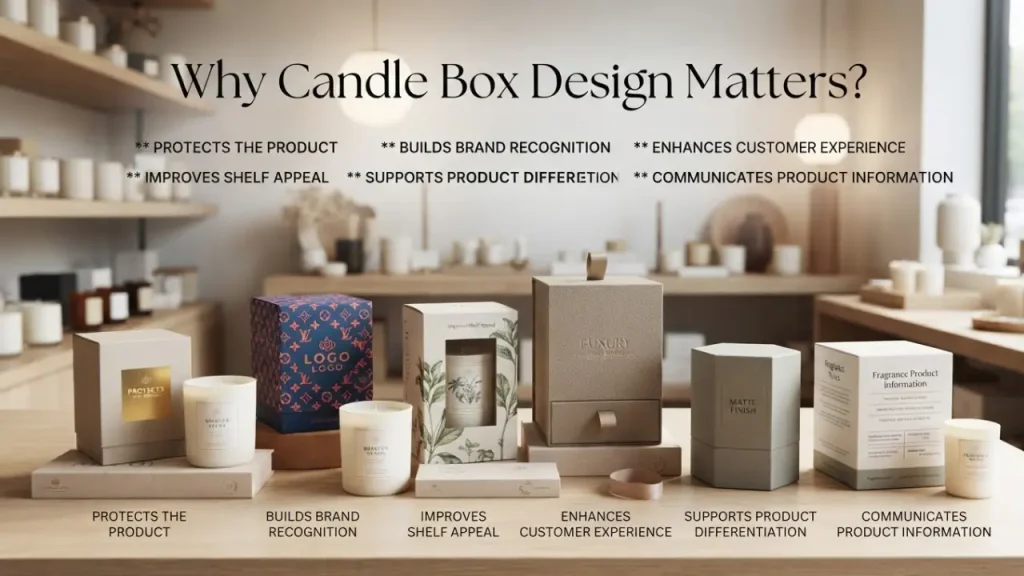
Candle box design is more than an attractive outer layer. It protects candles during storage and transportation while communicating your brand’s personality to customers. The right packaging can improve product presentation, create a memorable unboxing experience, and help your candles stand out in competitive retail and online markets.
Protects the Product
A well-designed candle box provides structural protection against scratches, impacts, dust, and movement during transportation. Proper dimensions and inserts help keep candles securely positioned inside the package. Strong materials and suitable closures can further reduce the risk of damage, helping products arrive at customers in excellent condition.
Builds Brand Recognition
Your candle packaging provides valuable space for displaying your logo, brand colors, typography, patterns, and other visual elements. Consistent packaging design makes your products easier to recognize across different sales channels. Over time, distinctive candle boxes can help customers associate specific visual details with your brand.
Improves Shelf Appeal
Attractive candle boxes can capture attention when customers browse physical stores or online product listings. Thoughtful use of colors, typography, imagery, and finishing techniques creates stronger visual appeal. A distinctive package can make your candle look more professional and encourage potential buyers to explore the product further.
Enhances Customer Experience
Packaging contributes significantly to the overall customer experience, especially for candles purchased as gifts. A carefully designed box can make opening the product feel exciting and premium. Convenient closures, organized inserts, and attractive interior details can transform ordinary packaging into a memorable unboxing experience.
Supports Product Differentiation
The candle market includes many competing brands and similar products, making differentiation important. Customized packaging gives your products a unique visual and structural identity. Special shapes, windows, sleeves, textures, and finishing techniques can help communicate what makes your candles different while giving customers another reason to remember your brand.
Communicates Product Information
Candle boxes can communicate important information without compromising visual appeal. Brands can include fragrance names, ingredients, usage instructions, warnings, product details, and contact information on appropriate panels. Clear typography and organized layouts make these details easier to read while ensuring customers understand the product before purchasing or using it.
How to Design a Candle Box?
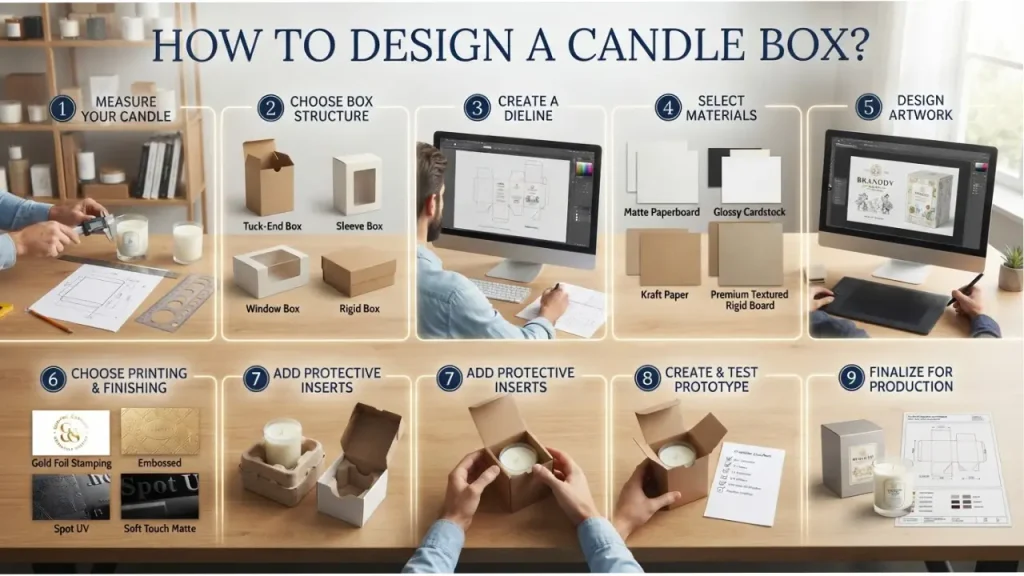
Designing a candle box involves several important decisions, from measuring the product and choosing a suitable structure to creating artwork and selecting finishing options. A successful design should protect the candle, represent your brand, and provide an appealing customer experience.
Follow these practical steps to create candle packaging that combines functionality, visual appeal, and production efficiency.
1단계: 양초의 길이를 재세요
Begin by measuring your candle carefully, including its height, diameter, length, and width. If the candle has a lid, handle, or other components, measure those parts as well. Accurate measurements help you determine the appropriate interior dimensions and prevent the finished package from being excessively tight or unnecessarily spacious.
필요한 도구:
- 자 또는 줄자
- 디지털 캘리퍼스
- 연필과 종이
- 양초 샘플
- 측정 템플릿
Consider the space required for protective inserts, tissue paper, or other packaging components. You should leave enough clearance for customers to remove the candle comfortably without creating excessive movement inside. Record all measurements clearly before creating your 양초 상자 다이라인, because these dimensions will influence the entire structure and production process.
2단계: 상자 구조 선택하기
Choose a box structure based on your candle size, product positioning, budget, and desired customer experience. Popular options include tuck-end boxes, sleeve boxes, window boxes, drawer boxes, and rigid boxes. Each structure provides different advantages, so consider assembly, storage, transportation, opening convenience, and overall presentation before making your selection.
Think about how customers will interact with the package when comparing different structures. A simple tuck-end box may suit everyday candles, while a drawer or rigid box can create a more luxurious experience. The structure should also provide sufficient protection and remain practical for manufacturing, shipping, storage, and retail display.
Step 3: Create an Accurate Dieline
Create a precise dieline showing the cutting lines, folding lines, glue areas, panels, tabs, and flaps. The dieline should correspond closely with your selected structure and candle dimensions. Clearly separating cutting and folding information makes the template easier for designers and manufacturers to understand, reducing potential structural and production errors.
When preparing the dieline, consider material thickness because thicker paperboard or rigid board can change the internal dimensions. Also account for inserts, windows, closures, and other structural elements. Before moving forward, review every measurement and connection point carefully to ensure the template can fold, close, and assemble correctly.
4단계: 적합한 자재 선택하기
Select packaging materials according to your product requirements, brand positioning, budget, and sustainability goals. Paperboard is commonly suitable for lightweight candle packaging, while thicker rigid board provides greater structural strength and a premium appearance. Kraft paper can create a natural aesthetic, making it particularly suitable for handmade or environmentally conscious candle brands.
Material selection should also consider printing quality, surface texture, transportation conditions, and finishing compatibility. The material should protect the candle without making packaging unnecessarily expensive or difficult to manufacture. Discuss available material options with your packaging supplier to determine which choice provides the best balance between appearance, performance, and cost.
Step 5: Design Your Packaging Artwork
Create artwork that communicates your brand identity and makes the candle visually appealing. Include important elements such as your logo, product name, fragrance, ingredients, instructions, and other relevant information. Use consistent typography, imagery, patterns, and colors to create a recognizable visual identity across your entire candle packaging collection.
Pay close attention to the dieline when positioning artwork. Keep essential text and logos away from cutting, folding, and gluing areas to prevent distortion or poor readability. Consider how the front, sides, back, and interior panels work together so customers receive a cohesive brand experience from every angle.
Step 6: Choose Printing and Finishing
Choose printing methods and decorative finishes that support your desired packaging appearance. Common options include offset printing, digital printing, foil stamping, embossing, debossing, spot UV, matte coating, and glossy coating. Your selection should reflect your target customers and product positioning while remaining compatible with the chosen packaging material.
Premium finishes can make candle boxes feel more luxurious, but excessive decoration may increase production costs without improving the design. Select finishing techniques strategically to highlight important elements such as logos, patterns, or product names. Always consider whether the chosen finish supports your overall branding and creates a consistent appearance.
7단계: 보호용 인서트 삽입
Add protective inserts when your candle requires additional stability during handling, shipping, or storage. Paperboard inserts, molded pulp trays, foam components, and other cushioning solutions can help prevent movement and protect delicate surfaces. Choose an insert that holds the candle securely while maintaining convenient access and an attractive interior presentation.
Design the insert together with the candle box rather than treating it as a separate component. Its thickness and shape directly affect the available interior space and final dimensions. Test the candle and insert together to make sure the product remains stable without excessive pressure, gaps, or unnecessary packaging material.
Step 8: Create and Test a Prototype
Create a physical prototype before beginning mass production. Place the actual candle inside the sample and check its dimensions, fit, closure, stability, appearance, and ease of opening. Examine how the box performs during handling and basic transportation tests, paying particular attention to weak points, loose components, and structural problems.
Use the prototype to identify changes before approving the final packaging design. You may need to adjust dimensions, flaps, inserts, closures, or artwork placement after testing. Making these corrections during the sampling stage is generally more efficient than discovering problems after large quantities of candle boxes have already been produced.
Step 9: Finalize the Design for Production
Once the prototype meets your expectations, finalize the dieline, artwork, materials, finishes, inserts, and production specifications. Carefully check dimensions, spelling, colors, images, logos, and required product information before submitting the final files. Clear specifications help manufacturers understand exactly how your candle packaging should be produced and finished.
Request a final pre-production sample when appropriate, particularly for complex or premium candle boxes. Compare the sample against your approved design and physical candle before authorizing mass production. Confirm that the structure, printing, finishing, and fit meet your requirements so the finished packaging consistently represents your brand.
10 Candle Box Design Templates
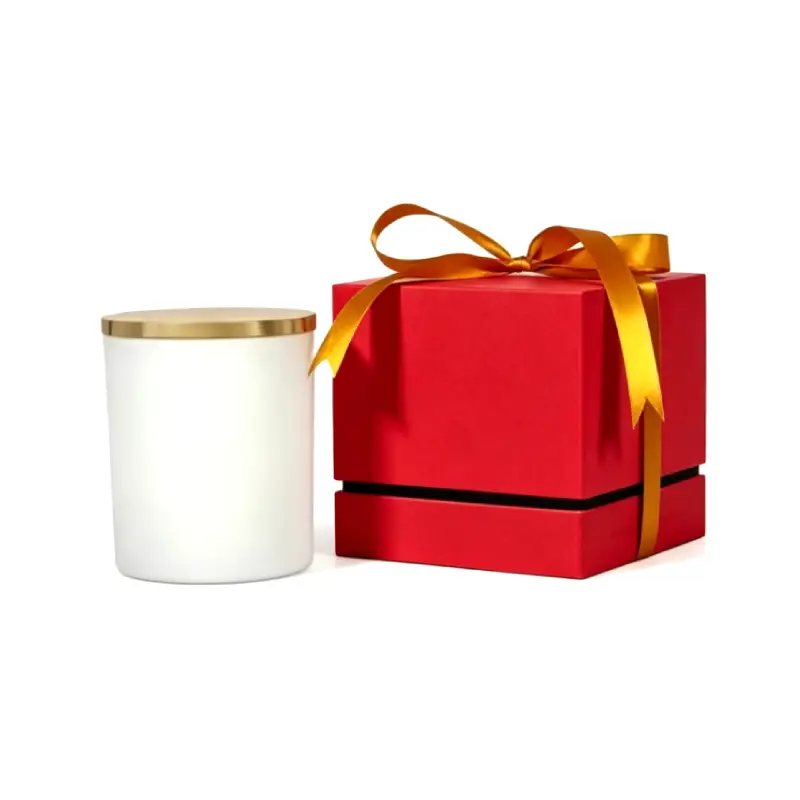
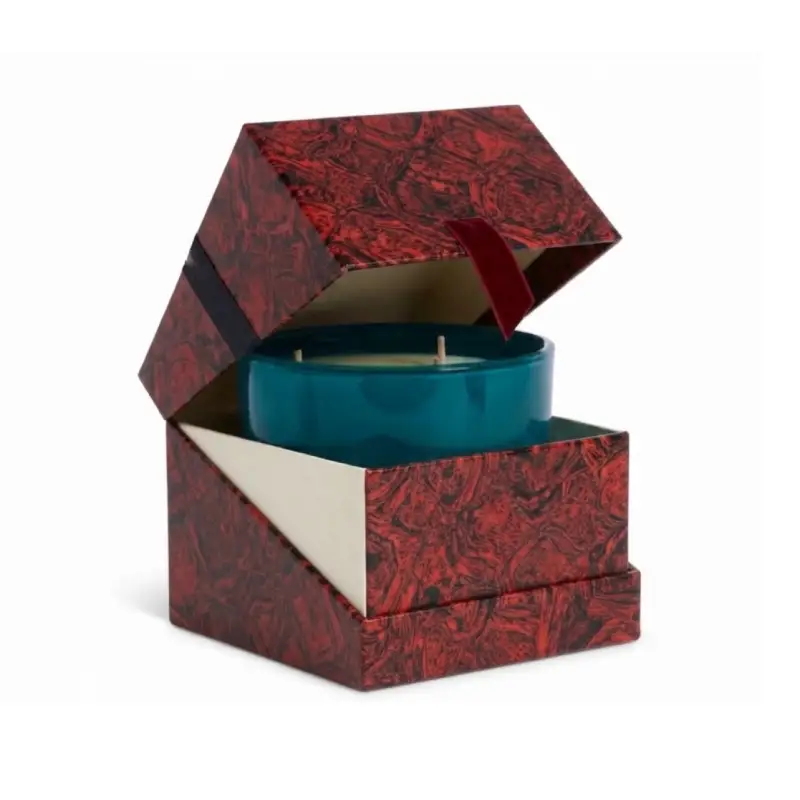
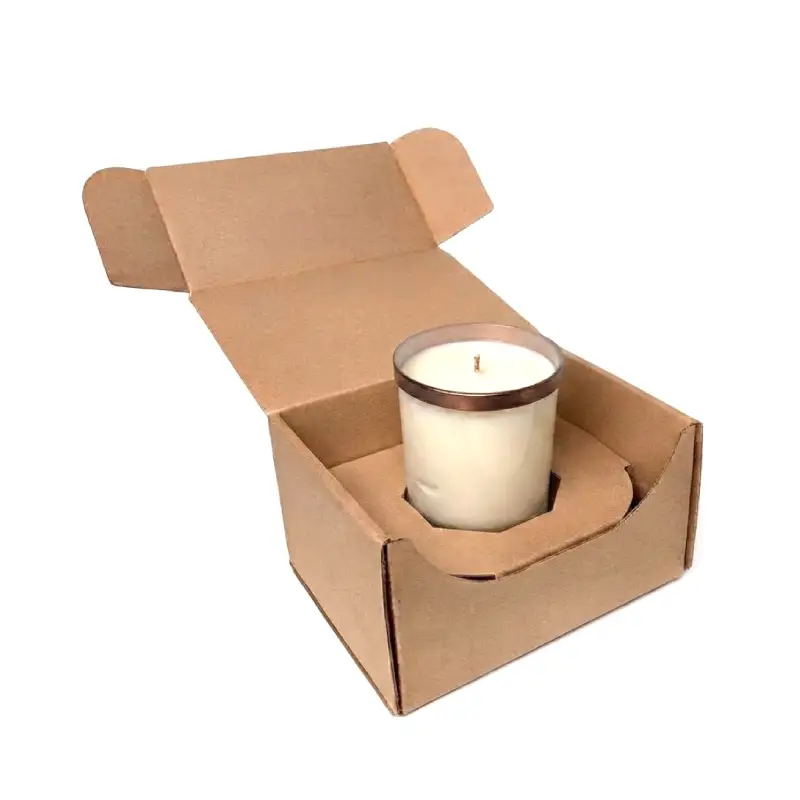
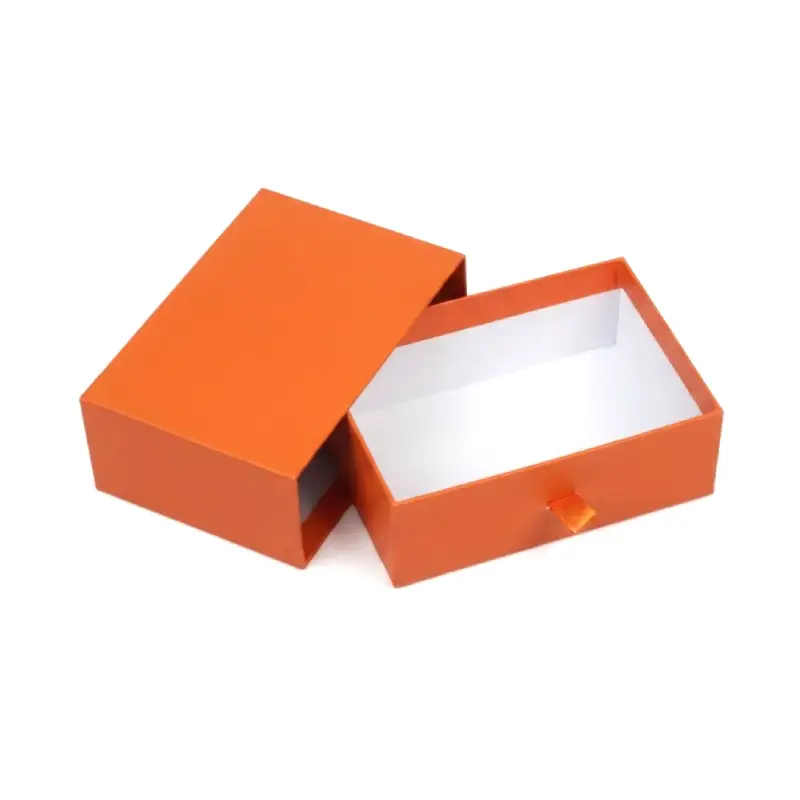
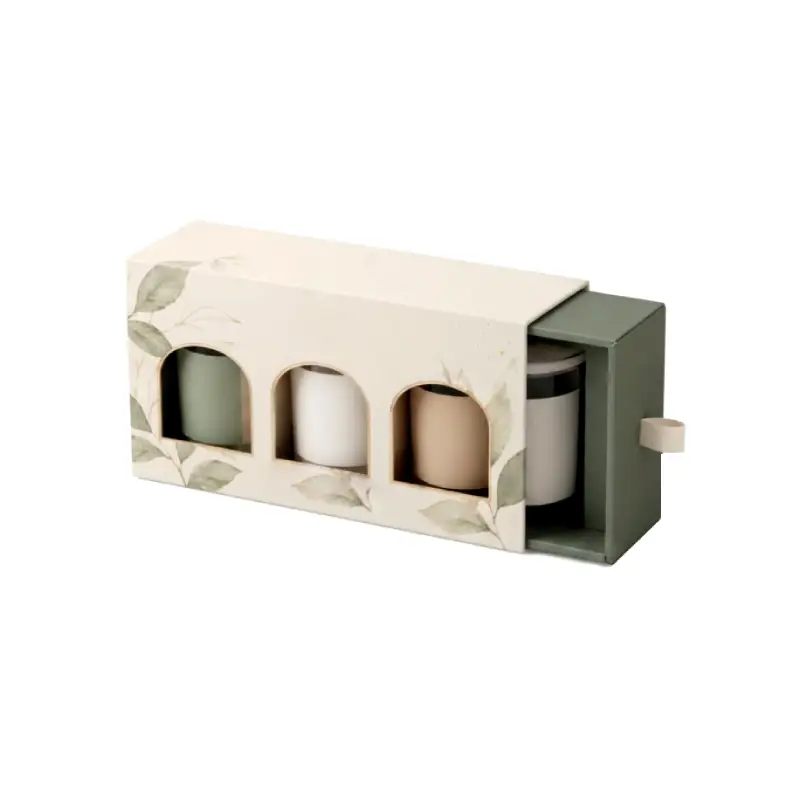
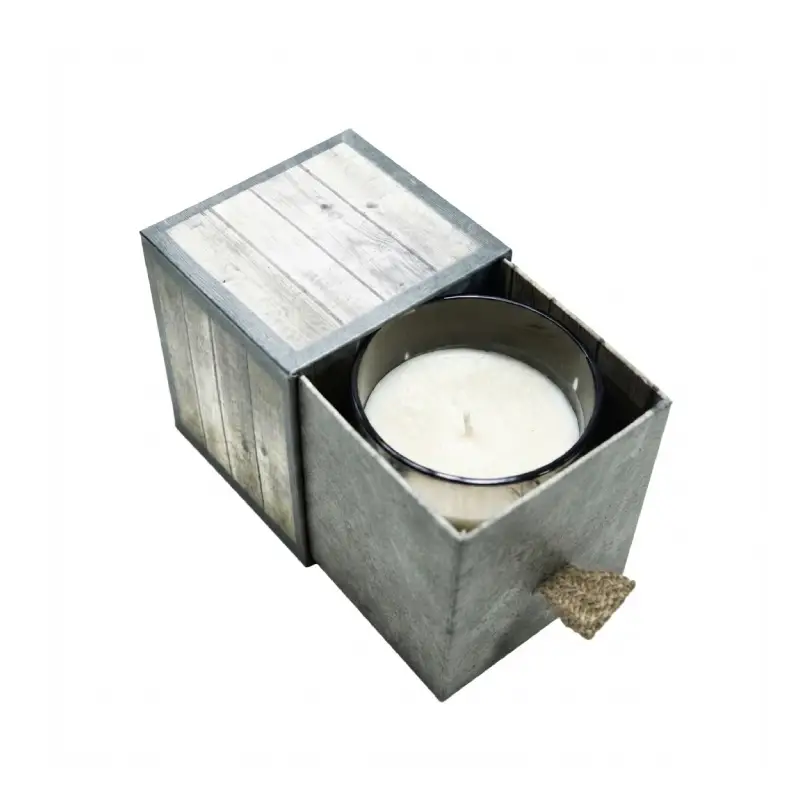
Candle box design templates make it easier to create packaging with the right structure, dimensions, and visual presentation. Different candle products require different packaging styles depending on their size, quantity, protection requirements, and brand positioning. From simple folding cartons to premium rigid boxes, selecting the right template can improve both functionality and customer experience.
When choosing a candle box template, consider your product dimensions, packaging budget, target customers, and desired appearance. You can customize the template with your logo, colors, artwork, printing, and finishing options. The following ten candle box designs provide practical starting points for brands developing attractive and functional candle packaging solutions.
- Tuck-End Candle Box
- Sleeve Candle Box
- Window Candle Box
- Drawer Candle Box
- Rigid Candle Box
- Folding Carton Candle Box
- Two-Piece Candle Box
- 자석 잠금식 양초 상자
- Candle Gift Set Box
- Kraft Candle Box
Tuck-End Candle Box
A tuck-end candle box uses top and bottom flaps that fold inward to close the package securely. This practical structure is suitable for many standard candle sizes and offers efficient assembly. It provides generous printable surfaces for logos, fragrance information, patterns, and product details while remaining relatively economical for larger production runs.
Sleeve Candle Box
A sleeve candle box combines an outer sleeve with an inner tray or box, creating a clean and modern appearance. Customers slide the inner component outward to access the candle. This structure works particularly well for minimalist and premium brands because the sleeve provides additional space for branding and decorative artwork.
Window Candle Box
A window candle box includes a transparent opening that allows customers to see the candle without opening the package. This design is useful when the candle itself has an attractive appearance, color, jar, or label. The window can improve product visibility while still providing sufficient space for branding and essential information.
Drawer Candle Box
A drawer candle box features a sliding inner tray that creates an elegant opening experience. It is especially suitable for gift candles and premium collections. The drawer can include an insert to keep the candle stable, while the exterior sleeve provides additional space for logos, patterns, product information, and decorative finishing.
Rigid Candle Box
A rigid candle box is manufactured from thick, sturdy board to provide a premium appearance and strong product protection. It is commonly used for luxury candles, expensive collections, and gift packaging. The rigid construction supports high-end finishes such as foil stamping, embossing, debossing, and textured paper coverings.
Folding Carton Candle Box
A folding carton candle box is created from paperboard that can be folded and assembled efficiently. Its lightweight construction helps reduce storage and transportation requirements. Brands can customize the carton with different dimensions, printing methods, and finishes, making this template a versatile choice for everyday retail candle products.
Two-Piece Candle Box
A two-piece candle box consists of a separate lid and base that fit together to enclose the candle. This structure provides a sturdy and polished presentation, making it suitable for premium products and gift sets. The interior can also accommodate inserts that organize and protect candles during transportation and storage.
자석 잠금식 양초 상자
A magnetic closure candle box incorporates concealed magnets into the lid to create a smooth and secure opening mechanism. This design offers a premium unboxing experience and can be customized with sophisticated materials and finishes. It is particularly suitable for luxury candle brands seeking distinctive packaging that customers can reuse.
Candle Gift Set Box
A candle gift set box is designed to hold multiple candles or candles combined with accessories. Its interior may include dividers, trays, or custom inserts to organize each product securely. The larger structure provides opportunities for creative presentation and makes it suitable for seasonal collections, promotional sets, and special occasions.
Kraft Candle Box
A kraft candle box uses kraft paper or kraft board to create a natural, understated appearance. It is popular among handmade, organic, rustic, and environmentally conscious candle brands. The template can incorporate simple printing, custom labels, windows, or decorative elements while maintaining the characteristic earthy appearance associated with kraft packaging.
결론
Successful candle box design requires a balance between appearance, functionality, protection, and brand identity. From choosing the right structure and materials to developing attractive artwork and finishes, every decision contributes to the final packaging experience. A well-designed candle box can protect your products while helping your brand create stronger recognition and make a lasting impression on customers.
Your candle packaging should also match your target market and product positioning. Premium candles may benefit from rigid structures, elegant finishes, and sophisticated details, while handmade or eco-friendly products can use natural materials and minimalist designs. By carefully considering these elements, you can create packaging that communicates your brand values and encourages customers to choose your candles.
If you are ready to turn your candle packaging ideas into reality, we can help you create custom candle boxes tailored to your products and brand. We offer customized sizes, structures, materials, printing, and finishing options to meet different packaging needs. Contact us today to discuss your requirements and get custom candle boxes that make your products stand out.

 한국어
한국어  English
  العربية
  Deutsch (Sie)
  Español
  Français
  日本語
日本語  Italiano