Embossing is a popular packaging and printing technique that creates raised designs, logos, patterns, or text on a material surface. By applying controlled pressure with a customized die, we can add depth and texture without changing the overall structure. This finishing method gives products a distinctive appearance and a more engaging tactile experience.
Understanding how embossing works helps you choose suitable materials, designs, and finishing options for your packaging project. From luxury product boxes and business cards to invitations and promotional materials, embossed details can strengthen visual appeal. In this ultimate guide, we will explore the embossing process, benefits, applications, materials, types, and important design considerations.
What is Embossing?

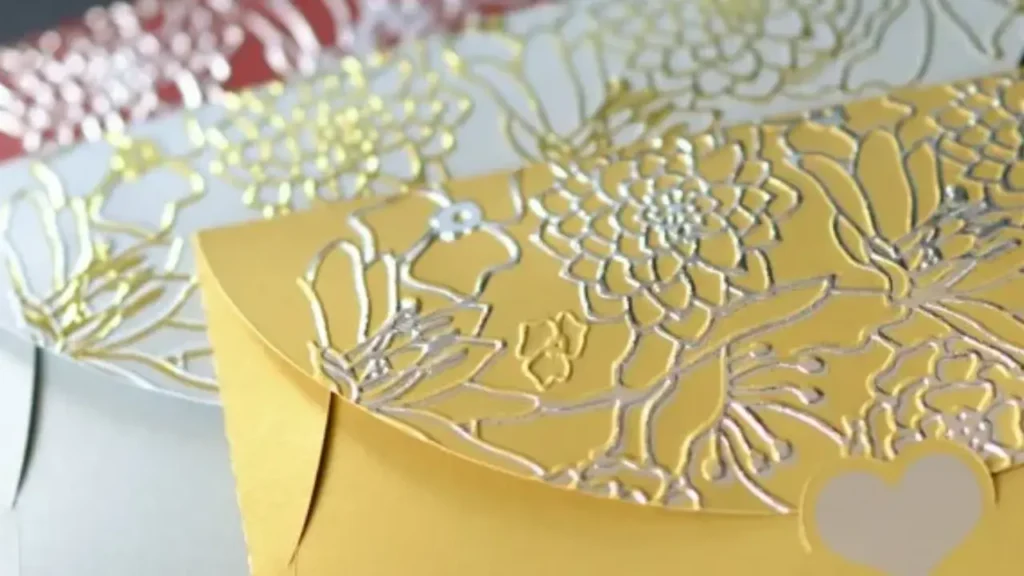
Embossing is a finishing process that creates a raised design, logo, pattern, or text on the surface of a material. We use a customized die and controlled pressure to push selected areas upward, creating a three-dimensional effect that adds depth and texture without requiring additional ink or color.
We commonly use embossing for product packaging, business cards, invitations, labels, stationery, and promotional materials. Depending on the material and design, we can create subtle or pronounced raised effects. Embossing helps enhance visual appeal, strengthen brand recognition, and provide a premium tactile experience that makes packaging more distinctive and memorable.
ブラインド・エンボスとは?
Blind embossing is a finishing technique that creates a raised design, logo, pattern, or text on a material without using ink, foil, or added color. We use a customized die and controlled pressure to reshape the surface, producing a subtle three-dimensional effect that can be both seen and felt. (Thomasnet)
We commonly use blind embossing for premium packaging, business cards, stationery, invitations, and other branded materials. Because the technique relies on texture, light, and shadow rather than printed color, we can create an elegant and understated appearance. It is especially suitable for brands seeking sophisticated packaging with a distinctive tactile experience.
Embossing Benefits

Embossing adds a raised, three-dimensional effect to packaging and printed materials, helping brands create a more distinctive presentation. We use customized dies and controlled pressure to enhance selected design elements without relying entirely on additional colors or graphics. From stronger brand recognition to improved tactile appeal, embossing offers several practical and aesthetic benefits.
- Enhances Visual Appeal: We use embossing to add depth and dimension to logos, patterns, text, and decorative elements. Raised details can catch light naturally and make packaging more visually interesting. This premium effect helps your products stand out on retail shelves, in online product photography, and during customer unboxing experiences.
- Creates a Tactile Experience: We make packaging more interactive by creating raised surfaces that customers can see and feel. This tactile quality adds another sensory element to your product presentation. Customers can recognize embossed logos and patterns through touch, helping create a more memorable experience and stronger connection with your brand.
- Strengthens Brand Recognition: We can emboss your logo, company name, or signature design directly onto packaging surfaces. A distinctive raised mark can make your branding easier to recognize and remember. Consistent use of embossed elements across different packaging products can also help establish a professional and cohesive visual identity.
- Adds a Premium Appearance: We use embossing to give packaging a sophisticated and high-end appearance. Raised details can make relatively simple packaging look more refined without requiring excessive decorative elements. This makes embossing particularly suitable for luxury products, cosmetics, candles, jewelry, fragrances, gifts, and other premium consumer goods.
- Works With Different Designs: We can emboss various design elements, including logos, typography, borders, patterns, and illustrations. By adjusting the artwork and embossing depth, we can create effects ranging from subtle and minimalist to bold and highly dimensional, giving your packaging greater flexibility for different branding and design concepts.
- Supports Other Finishes: We can combine embossing with printing, foil stamping, spot UV, coatings, and other finishing techniques. These combinations allow us to create more complex packaging effects while highlighting specific design elements. For example, embossed details can be paired with foil to create an especially striking and luxurious brand presentation.
- Improves Product Differentiation: We help your packaging stand apart from competitors by adding distinctive physical details. An embossed surface can make a box feel different from standard flat-printed packaging, helping customers notice and remember your product. This added differentiation can be especially valuable in crowded retail and e-commerce markets.
Embossing Applications
Embossing is widely used across packaging, printing, and promotional products because it creates an attractive raised effect without requiring complex graphics. We can apply embossing to different materials and product formats to strengthen branding, add tactile interest, and create a premium appearance. Its versatility makes it suitable for both everyday packaging and high-end presentation.
- 製品パッケージ: We use embossing on product boxes to highlight logos, brand names, patterns, and decorative elements. Raised details can make packaging more attractive while creating a premium tactile experience. We provide customized embossing for cosmetics, candles, perfumes, jewelry, food, gifts, electronics, and other consumer products.
- Luxury Packaging: We apply embossing to luxury boxes when brands want an elegant and sophisticated appearance. Raised logos and patterns can enhance the perceived value of the package without making the design overly complicated. We can combine embossing with foil stamping, specialty papers, or other finishes for a more distinctive result.
- Candle Boxes: We use embossed logos, lettering, and patterns on candle boxes to create a refined presentation. The raised surface can complement minimalist, natural, or luxury designs while making the packaging more memorable. We customize the embossing depth, artwork, box structure, and materials according to different candle sizes and branding requirements.
- Cosmetic Packaging: We apply embossing to skincare and cosmetic boxes to emphasize brand identity and premium product positioning. Raised details can make packaging more attractive while providing a pleasant tactile experience. We can customize embossed logos, patterns, and decorative elements to match different beauty brands, product collections, and packaging styles.
- Business Cards: We use embossing on business cards to make names, logos, or important details more noticeable. The raised elements create a professional tactile effect that distinguishes cards from standard flat printing. We can customize the embossed area, material, thickness, and design to create a polished representation of your brand.
- Invitations and Greeting Cards: We apply embossing to wedding invitations, event cards, greeting cards, and certificates to create an elegant raised effect. Decorative patterns, names, initials, and borders can be embossed for additional texture. We help customize the design and material to achieve a refined appearance suitable for important occasions.
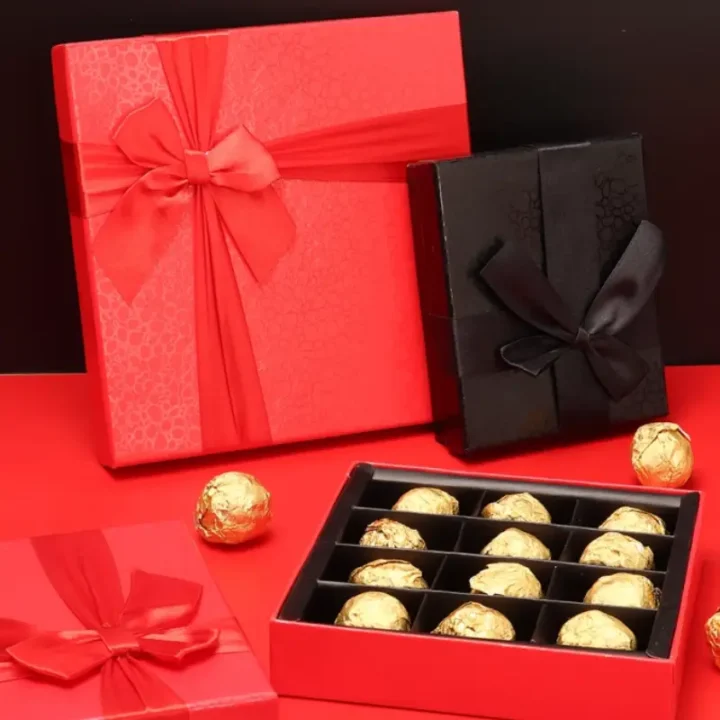
- Retail and Gift Packaging: We use embossing on gift boxes, shopping packaging, and presentation boxes to improve visual differentiation. Raised branding elements can make packaging feel more special and memorable during unboxing. We offer customized structures, materials, embossing designs, and finishes to support different retail, promotional, and gifting requirements.
Embossing Types and Techniques
Embossing can be customized in different ways depending on the desired appearance, material, artwork, and packaging requirements. We can use different embossing techniques to create raised logos, patterns, text, and decorative elements. Understanding these options helps you select the most suitable approach for achieving the right combination of visual impact, tactile texture, production efficiency, and brand presentation.
ブラインド・エンボス
Blind embossing creates a raised design without adding ink, foil, or another contrasting color. We press the selected artwork directly into the material to produce a subtle three-dimensional effect. This technique is ideal when you want minimalist packaging with elegant texture while allowing the original material and natural shadows to define the design.
Registered Embossing
Registered embossing combines a raised design with printed artwork, ensuring the embossed element aligns precisely with the printed image. We carefully coordinate printing and embossing positions to create a unified visual effect. This technique works well when you want specific logos, patterns, or illustrations to have both color and dimensional depth.
Combination Embossing
Combination embossing combines embossing with another finishing technique, such as foil stamping or printing. We use multiple processes to create a more visually striking design with both raised texture and contrasting details. This approach is particularly suitable for luxury packaging, premium gift boxes, cosmetics, fragrances, and high-end promotional materials.
マルチレベル・エンボス
Multi-level embossing creates different heights within the same design, producing a more detailed three-dimensional appearance. We use specially designed dies to control multiple levels of depth across the artwork. This technique is suitable for complex logos, illustrations, patterns, and decorative packaging that requires stronger dimensional effects and greater visual sophistication.
Sculptured Embossing
Sculptured embossing uses specially shaped dies to create curved, detailed, and highly dimensional raised designs. We can produce more realistic or artistic effects compared with standard embossing. This technique works well for premium packaging and detailed artwork where the raised surface needs to follow specific contours and create a distinctive three-dimensional appearance.
Reverse Embossing
Reverse embossing creates a recessed appearance around or within selected design areas while maintaining dimensional contrast on the material surface. We use specialized tooling to achieve the desired effect. This technique can provide packaging with an unusual tactile appearance and is useful for brands looking for more distinctive alternatives to conventional raised embossing.
Here are some differences between embossing types and techniques:
| Embossing Type | Main Effect | Color Required | デザインの複雑さ | 一般的なアプリケーション |
|---|---|---|---|---|
| ブラインド・エンボス | Subtle raised texture | No | Low to medium | Minimalist packaging, business cards |
| Registered Embossing | Raised design aligned with printing | はい | ミディアム | Product boxes, branded packaging |
| Combination Embossing | Raised design with additional finish | Usually | Medium to high | Luxury packaging, gift boxes |
| マルチレベル・エンボス | Multiple raised heights | オプション | 高い | Premium boxes, detailed artwork |
| Sculptured Embossing | Detailed three-dimensional effect | オプション | 高い | Luxury packaging, artistic designs |
| Reverse Embossing | Recessed or contrasting dimensional effect | オプション | Medium to high | Specialty packaging, premium stationery |
Embossed vs Debossed

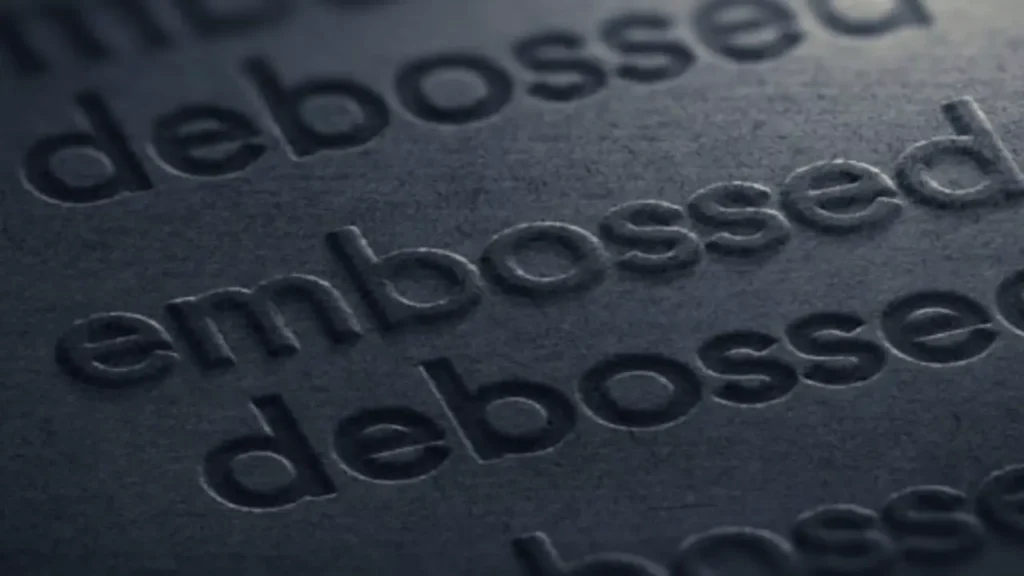
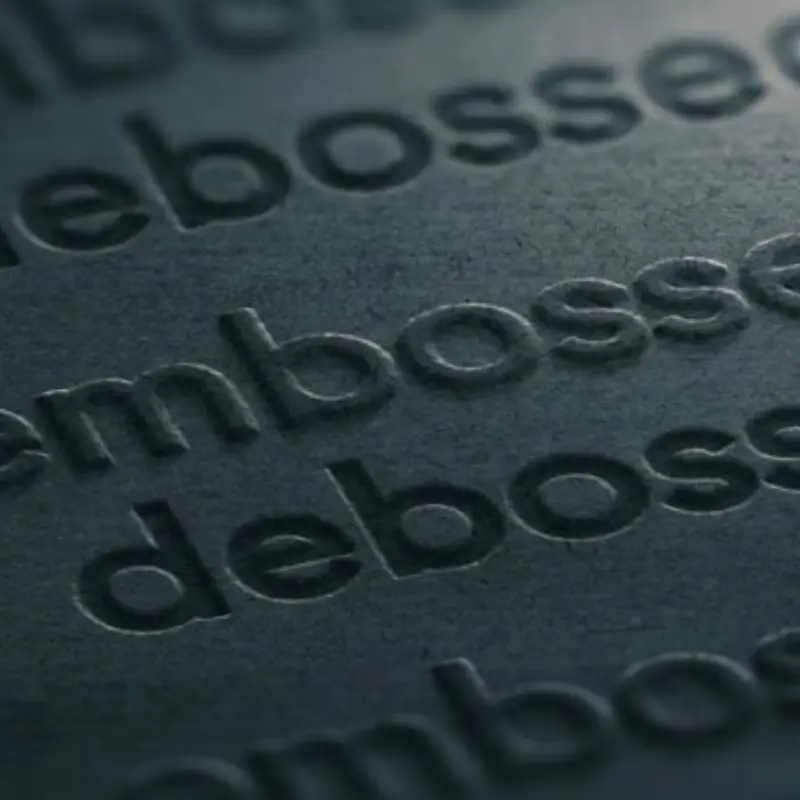
Embossing and debossing are popular finishing techniques that add dimension and texture to packaging and printed materials. Although both use pressure and customized dies, they create opposite effects: embossing raises the design above the surface, while debossing presses it below the surface. We can choose either technique based on your material, artwork, branding style, and desired packaging effect.
1. Direction of the Impression
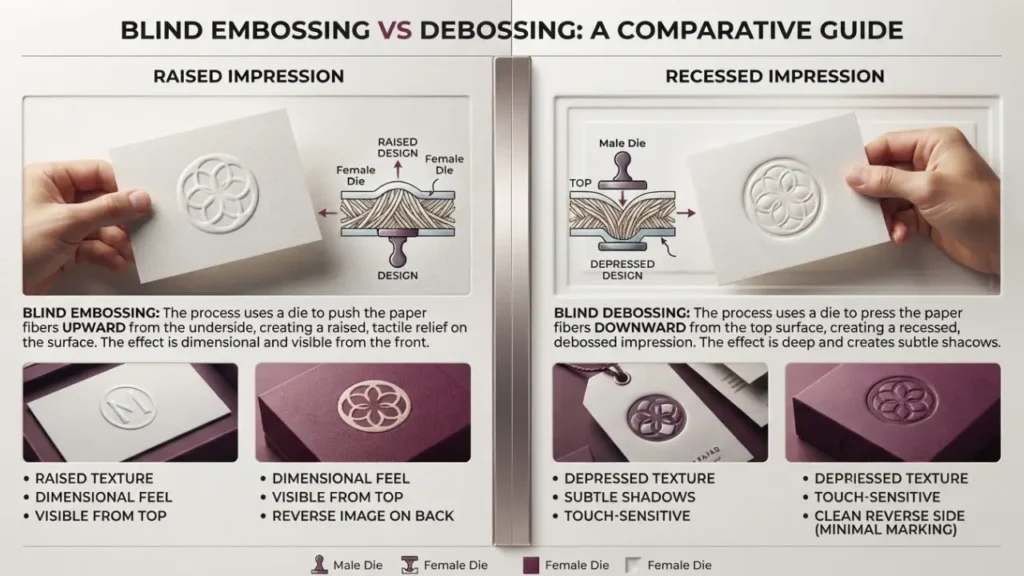
Embossing creates a raised impression by pushing the selected design upward from the material surface. Debossing creates a recessed impression by pressing the design downward. We can adjust the depth of either effect according to the material and artwork, allowing you to achieve subtle details or stronger dimensional branding.
2. Visual Appearance
Embossed designs generally appear more prominent because raised surfaces catch light and create visible highlights. Debossed designs produce natural shadows within recessed areas, giving packaging a quieter and more understated appearance. We recommend embossing for stronger visual emphasis and debossing for minimalist, sophisticated, or subtle packaging designs.
3. Tactile Experience
Both techniques create a physical texture that customers can see and feel. Embossed elements feel raised when touched, while debossed elements feel pressed into the material. We can customize the depth to create the tactile effect you want, helping your packaging become more engaging and memorable during handling or unboxing.
4. Branding Applications
We can use both techniques for logos, brand names, patterns, illustrations, and decorative details. Embossing works particularly well when you want a logo to stand out prominently, while debossing is suitable when you prefer a refined appearance. Both options can be used for luxury boxes, candle packaging, cosmetic boxes, cards, and stationery.
5. Material Compatibility
The choice between embossing and debossing depends partly on the packaging material. We can work with suitable paperboard, cardboard, rigid board, specialty papers, and other compatible substrates. Material thickness, surface texture, flexibility, and density can affect the final result, so we consider these factors when recommending the appropriate finishing technique.
6. Design Requirements
Embossing and debossing both require carefully prepared artwork and suitable die construction. We consider line thickness, typography, spacing, artwork complexity, and desired impression depth before production. Clean and well-balanced designs generally produce clearer results, while overly fine details may require adjustment to maintain consistency and readability.
7. Brand Positioning
Embossed packaging often creates a bold, premium, and highly noticeable impression, making it suitable for brands seeking stronger visual impact. Debossed packaging tends to communicate elegance, simplicity, and sophistication. We can also combine either technique with printing, foil stamping, or other finishes to create packaging aligned with your brand positioning.
8. Common Applications
We use embossing and debossing across many packaging and printing applications. Embossing is commonly selected for luxury product boxes, logos, invitations, and promotional materials, while debossing is popular for minimalist packaging, premium stationery, and sophisticated product boxes. Both techniques can be customized for retail, gifting, and e-commerce packaging.
| アスペクト | Embossed | Debossed |
|---|---|---|
| Impression direction | Raised above the surface | Recessed below the surface |
| Visual effect | Prominent and dimensional | Subtle and understated |
| Tactile feel | Raised texture | Recessed texture |
| Light effect | Creates highlights | Creates natural shadows |
| Branding style | Bold and premium | Minimalist and sophisticated |
| Design visibility | Usually more noticeable | Usually more subtle |
| Common uses | Luxury boxes, logos, invitations | Premium boxes, stationery, minimalist packaging |
| Combination finishes | Printing, foil, UV, coatings | Printing, foil, UV, coatings |
| Best suited for | Strong visual emphasis | Refined tactile branding |
Why Choose Our Embossed Packaging Boxes?
We provide embossed packaging boxes that combine attractive three-dimensional details with reliable product protection. We understand that packaging needs to represent your brand while meeting practical requirements, so we offer flexible customization for materials, structures, dimensions, artwork, and finishes. From luxury products to everyday retail items, we help create packaging that looks distinctive and professional.
- Custom Box Designs: We customize your embossed packaging boxes according to your product dimensions, structure, artwork, and branding requirements. We can create different box styles, including folding cartons, rigid boxes, mailer boxes, and specialty structures. This flexibility allows us to develop packaging that fits your products securely while maintaining your desired visual presentation.
- Premium Embossed Details: We use precise embossing techniques to create raised logos, patterns, lettering, and decorative elements. These three-dimensional details add depth and texture to your packaging, helping your brand stand out. We can adjust the embossing depth and design according to your material and desired visual effect.
- Quality Materials: We offer various packaging materials suitable for different products and embossing requirements. We consider factors such as material thickness, strength, surface texture, and flexibility when selecting suitable options. This helps us achieve clear embossed details while providing packaging with the durability needed for storage, handling, transportation, and retail presentation.
- Multiple Finishing Options: We can combine embossing with foil stamping, printing, spot UV, lamination, and other finishing techniques. These combinations allow us to create more distinctive packaging designs. We work with you to select suitable finishing effects that complement your brand identity without compromising the functionality or overall appearance of your boxes.
- Precise Manufacturing: We carefully manage artwork preparation, die production, material positioning, pressure application, and quality inspection. Our production process helps maintain consistent embossing depth, alignment, and detail across your order. We inspect finished boxes to ensure they meet the agreed specifications and provide a professional appearance throughout the production batch.
- Wholesale Customization: We support wholesale packaging orders with flexible customization based on your required quantities and specifications. Whether you need packaging for a new product launch or an established retail line, we work with you to select suitable materials, structures, finishes, and production arrangements for your project.
- End-to-End Service: We support your packaging project from initial concept and artwork preparation through sampling, production, inspection, and delivery. Our team works closely with you to understand your requirements and recommend practical solutions, helping simplify the customization process while ensuring the final embossed boxes meet your branding and packaging goals.
結論
Embossing is an effective way to add dimension, texture, and visual interest to packaging and printed materials. By raising selected areas of the surface, we can make logos, patterns, and text more noticeable while creating a distinctive tactile experience. The technique is especially valuable for brands seeking premium presentation and stronger visual differentiation in competitive markets.
Choosing the right material, artwork, embossing depth, die, and finishing combination is essential for achieving consistent results. We can help you evaluate these factors according to your product, packaging structure, and branding goals. Whether you need subtle details or a more prominent raised effect, careful planning ensures your embossed packaging looks attractive and performs reliably.
If you are looking for high-quality packaging for your products, get wholesale embossed box packaging from us. We offer customized box sizes, materials, structures, artwork, inserts, and finishing options to meet your requirements. From initial design and sampling to mass production, we work with you to create durable, attractive packaging that supports your brand.