
Soap boxes are often made from paperboard, kraft paper, or cardboard, materials that may be recyclable when free from plastic coatings, heavy contamination, or mixed components. However, recyclability depends on the box’s material composition, printing methods, finishes, and local recycling guidelines. Understanding these factors helps consumers and brands make informed packaging decisions.
As sustainability becomes more important, soap makers are exploring packaging that protects products without creating unnecessary waste. Recyclable soap boxes can support eco-conscious branding, reduce landfill contributions, and encourage responsible disposal. This guide explains which soap boxes are recyclable, what affects recyclability, and how businesses can select practical, environmentally considerate packaging solutions.
What are Soap Boxes?
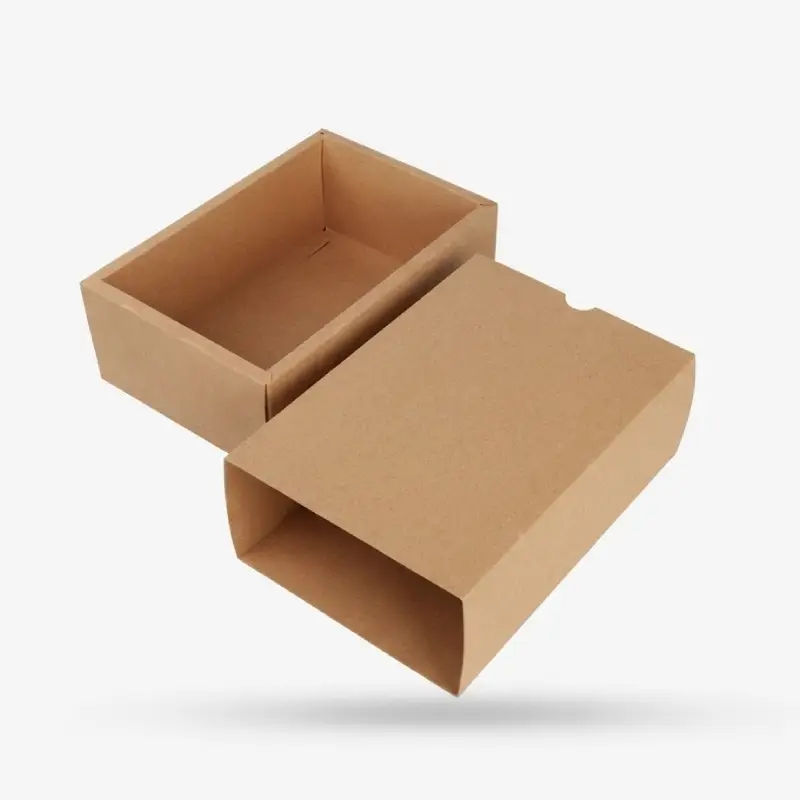
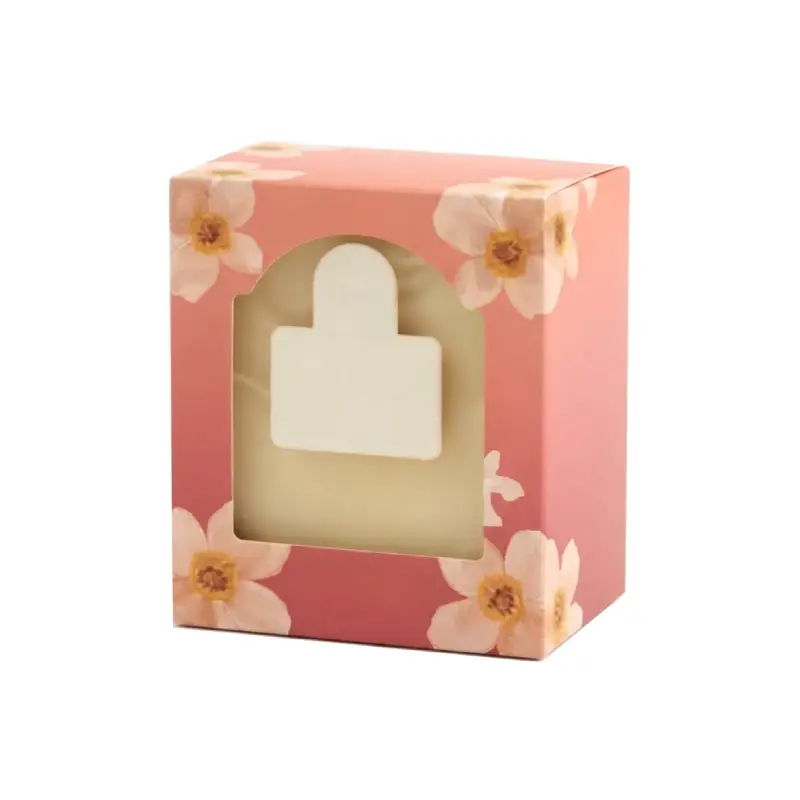
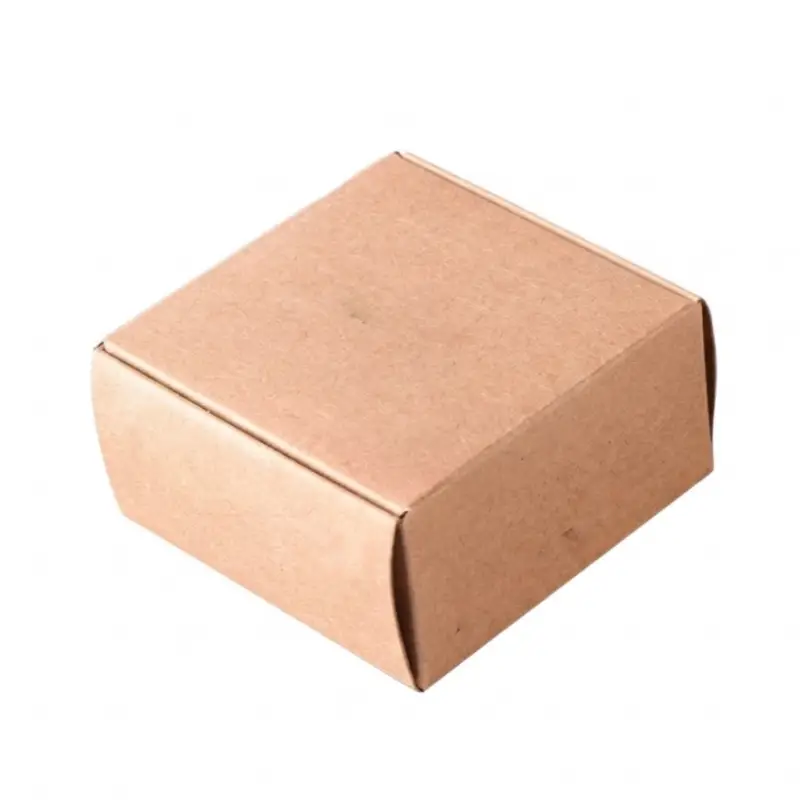
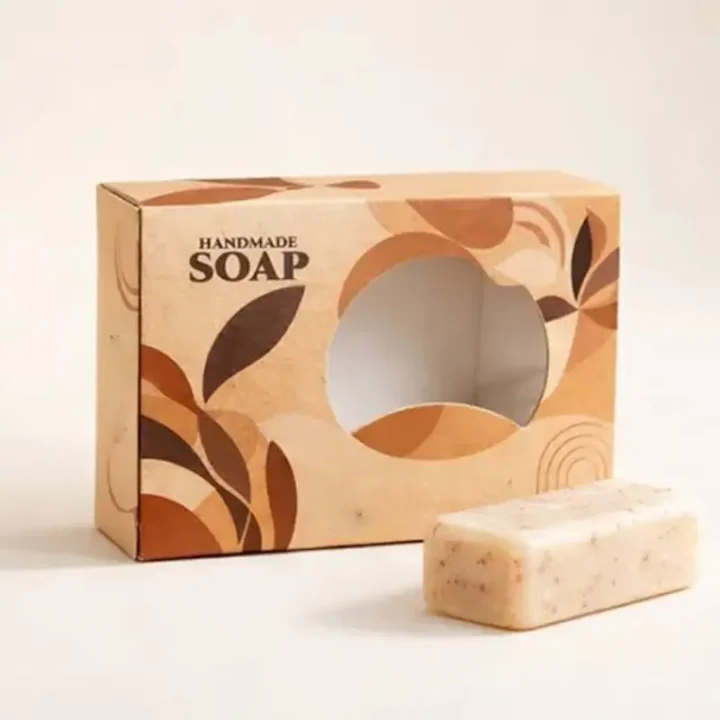
Soap boxes are protective packages designed to hold, store, ship, and display bar soap. Usually made from cardboard, kraft paper, or paperboard, they help keep soap clean and protected from dirt, moisture, scuffs, and damage while it moves from production to the customer.
Beyond protection, soap boxes communicate essential product details, including ingredients, scent, weight, usage directions, and brand information. Custom printing, colors, shapes, finishes, and eco-friendly materials can help soap brands stand out on retail shelves while creating a more professional and memorable customer experience.
Are Soap Boxes Recyclable?
Most soap boxes are recyclable when they are made from clean, dry paperboard, kraft paper, or plain cardboard. However, coatings, plastic windows, foil, wax, and heavy product residue can affect whether recycling facilities accept them. Always review local recycling guidance, as accepted materials and processing rules can vary by location.
- Uncoated paperboard boxes: Standard soap cartons made from uncoated paperboard are generally recyclable through paper and cardboard collection programs. Empty the box, ensure it is clean and dry, flatten it, and place it in the recycling bin if accepted locally.
- Kraft soap boxes: Kraft paper soap boxes are often recyclable because they use paper-based material without complex plastic layers. Their natural appearance can support eco-conscious branding, but they should still be free of excess oil, moisture, tape, or non-paper attachments before disposal.
- Corrugated cardboard boxes: Corrugated cardboard is commonly used for shipping soap multipacks and is broadly recyclable. Flattening boxes saves collection space and supports processing efficiency. Remove plastic packing tape, labels, inserts, and other non-cardboard materials whenever local recycling rules recommend it.
- Plastic-coated boxes: Soap boxes with plastic coatings may not be accepted in standard paper recycling because mixed materials are difficult to separate. Check with your local provider before recycling these packages, and choose uncoated alternatives when designing more recyclable soap packaging.
- Wax-coated boxes: Wax coatings can make paper fibers harder to process into recycled pulp. Although they may offer moisture resistance, these boxes can be unsuitable for curbside paper recycling. Brands seeking sustainable packaging should consider recyclable barrier coatings or simpler paper-based designs.
- Foil-stamped or metallic boxes: Metallic finishes, foil stamping, and decorative laminates can complicate recycling because the package contains more than paper fibers. Small details may be accepted in some areas, but local guidance is essential. Minimal finishing can improve overall recyclability.
- Clean and dry preparation: Recyclable soap boxes should be empty, dry, and free from heavy oil stains, soap scraps, or moisture. Contamination can interfere with recycling processes, so flatten the packaging and separate removable components before placing it in your recycling container.
- Local recycling requirements: Recycling rules differ by city and collection provider, even for common paperboard packaging. Before disposing of soap boxes, confirm what your local program accepts. This simple step prevents contamination and increases the chance that materials will be properly recycled.
How to Recycle Soap Boxes?
Recycling soap boxes is usually straightforward when the packaging is clean, dry, and primarily paper-based. Most cardboard, kraft, and paperboard cartons can enter local paper recycling streams. Before disposal, inspect the box for coatings, plastic windows, foil, or heavy residue, as these features may change how the package should be handled.
Outils nécessaires
- Recycling bin or cardboard collection container
- Local recycling guidelines
- Ciseaux
- Small waste bin
- Dry cloth
Step 1: Check Local Guidelines
Review your local recycling provider’s instructions before preparing the soap box. Programs differ by community, so accepted paperboard, coatings, and mixed-material packaging can vary. The provider’s website, printed collection guide, or customer-service team can clarify whether soap cartons belong in curbside recycling or require a separate drop-off location.
Local rules also explain which materials contaminate the recycling stream. Knowing the requirements first prevents recyclable paperboard from being discarded incorrectly and prevents unsuitable materials from entering collection bins. Check these instructions whenever you move, switch collection services, or buy soap packaging that includes unusual decorative elements, windows, or protective coatings.
Step 2: Empty the Box
Remove the soap bar, wrapper, leaflet, protective filler, and every loose item from the box. Recycling facilities process empty packaging more effectively because leftover contents can interfere with sorting equipment. Inspect the interior corners carefully, especially when handmade soap leaves small crumbs, flakes, paper inserts, or fragrance residue behind.
An empty soap box is easier to assess for recyclable material. Set aside any non-paper contents for appropriate disposal or reuse rather than placing them inside the carton. Keeping separate materials apart improves sorting accuracy and helps ensure that paper fibers can be recovered without contamination from plastics, metals, or product remnants.
Step 3: Inspect the Box
Examine the soap box for plastic windows, metallic foil, wax coatings, laminated surfaces, ribbons, magnets, or attached labels. These additions may make a carton harder to recycle through standard paper streams. Plain cardboard, kraft paper, and uncoated paperboard are generally the simplest materials for local recycling programs to process.
Look for information printed on the package, including recycling symbols and material descriptions. If the box has a mixed-material design, follow the local program’s instructions instead of assuming it is recyclable. When guidance is unavailable, choose disposal methods that avoid contaminating paper recycling, such as removing non-paper components before recycling eligible portions.
Step 4: Remove Nonpaper Parts
Use scissors to remove plastic windows, ribbons, foam pieces, magnetic closures, and other non-paper attachments from the soap carton. Place these separated components in the correct waste, reuse, or recycling stream according to local rules. Removing them helps keep the remaining paperboard suitable for paper-based material recovery.
Do not spend excessive time removing tiny traces of adhesive unless your collection provider specifically requires it. Focus on obvious mixed materials that could disrupt paper processing. Paper labels are often acceptable, while large plastic films and decorative features may not be. Separate each component carefully to preserve as much recyclable fiber as possible.
Step 5: Check for Residue
Inspect the box for soap crumbs, oil marks, moisture, and other visible residue before placing it in recycling. Clean, dry packaging is more likely to be accepted and processed effectively. Boxes that are wet or heavily soiled can contaminate paper fibers and reduce the quality of recycled material.
Use a dry cloth to brush away loose soap flakes if needed. Avoid rinsing a paper box, because adding water can weaken the fibers and make the carton unsuitable for recycling. If the package is severely stained with oils or product residue, follow local disposal guidance rather than placing contaminated materials in recycling.
Step 6: Flatten the Box
Flatten the clean soap box along its existing fold lines after all removable materials and residue have been addressed. Flattening makes the carton easier to collect, sort, transport, and process. It also saves space in household recycling containers and collection vehicles, supporting more efficient handling throughout the recycling system.
Press the carton gently until it lies flat without tearing the paperboard. A flattened box is less likely to trap other materials or occupy unnecessary space in the bin. Keep the carton loose rather than placing it inside a plastic bag, since bagged recyclables may be rejected during sorting.
Step 7: Place It in Recycling
Place the flattened soap box loose in the designated recycling container if your local program accepts paperboard packaging. Keep it separate from household trash and avoid overfilling the bin. Following local placement instructions allows collectors and sorting facilities to handle the carton with other compatible paper and cardboard materials.
If curbside service does not accept the box, take it to an approved recycling drop-off site when available. Never assume all packaging belongs in the same bin, particularly when it has special coatings or decoration. Correct placement gives recyclable soap packaging the best chance of becoming useful material instead of landfill waste.
Conclusion
Many soap boxes can be recycled, especially those made from clean, uncoated cardboard, kraft paper, or paperboard. Before recycling, customers should remove plastic windows, ribbons, magnets, labels, or other non-paper elements when possible. Checking local recycling rules is also important because accepted materials and processing capabilities differ between communities and recycling facilities.
For soap brands, recyclable packaging begins with material selection and intentional design. Choosing responsibly sourced paperboard, minimizing plastic layers, avoiding unnecessary mixed materials, and using recyclable inks or finishes can make disposal easier. Simple packaging designs may also reduce material use while maintaining product protection, shelf appeal, clear product information, and strong brand recognition.
Wholesale soap boxes offer an efficient way to package products professionally while supporting your sustainability and branding goals. We provide customizable options in various sizes, shapes, materials, and printing styles to fit your soap collection. Get wholesale soap boxes from us to create durable, attractive packaging that helps your products stand out and supports responsible packaging choices.


 Français
 English
 العربية
 Deutsch (Sie)
 Español
 日本語
 한국어
 Italiano