
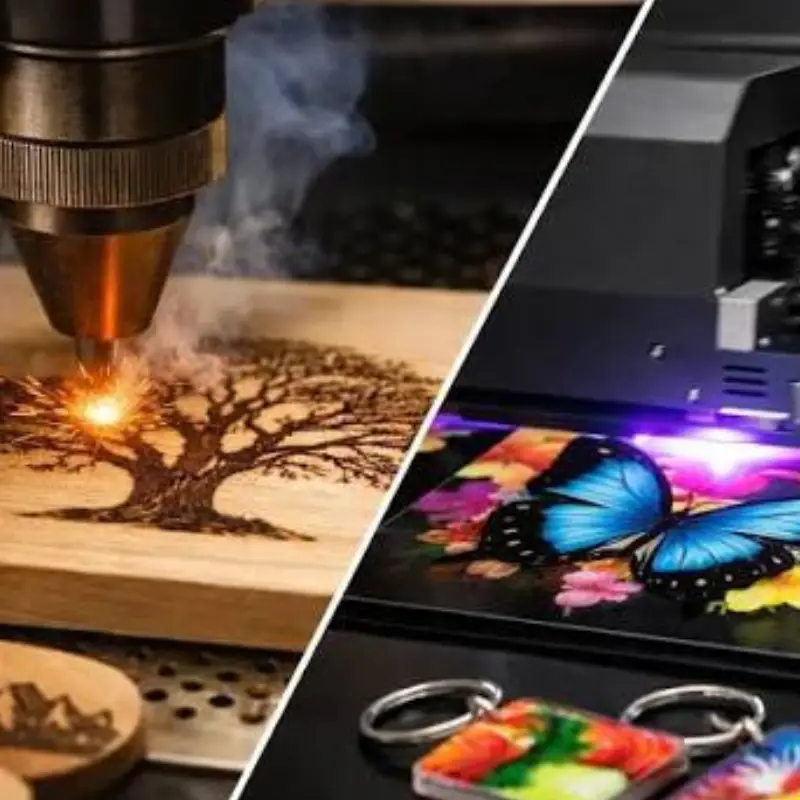
Bei der Auswahl einer Veredelungsmethode für Verpackungen, Werbeartikel, Beschilderungen und Sonderanfertigungen sind UV-Druck und Lasergravur zwei beliebte Optionen. Sie erzeugen jedoch sehr unterschiedliche optische Effekte und basieren auf unterschiedlichen Herstellungsverfahren.
Wenn Sie die Unterschiede zwischen UV-Druck und Lasergravur verstehen, können Sie die richtige Technologie für Ihre Materialien, Designanforderungen, Ihr Produktionsvolumen und Ihr Budget auswählen.
Was ist UV-Druck?
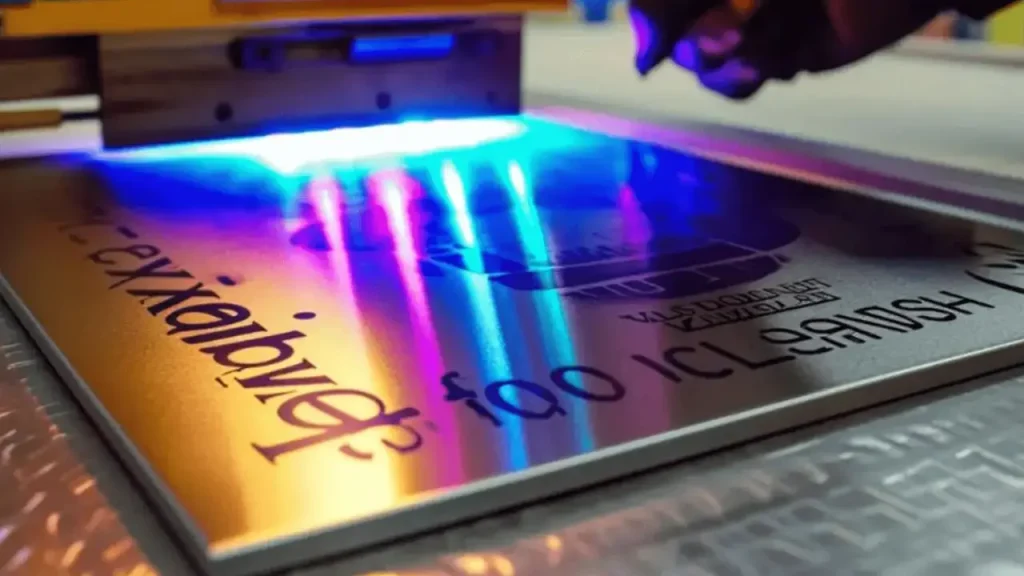
UV-Druck ist ein Digitaldruckverfahren, bei dem speziell formulierte UV-Tinten mithilfe von ultraviolettem Licht sofort auf einer Oberfläche ausgehärtet werden. Im Gegensatz zu herkömmlichen Druckverfahren, bei denen unter Umständen eine Trocknungszeit erforderlich ist, härtet die Tinte beim UV-Druck unmittelbar nach dem Auftragen aus.
Dadurch können wir auf vielen verschiedenen Materialien gestochen scharfe Grafiken, leuchtende Farben, detailreiche Bilder, Logos und individuelle Muster erstellen.
Wie funktioniert der UV-Druck?
Beim UV-Druck kommt ein spezieller Drucker zum Einsatz, der mit UV-Tinte und Aushärtungslampen ausgestattet ist. Der Druckkopf trägt die Tinte auf die gewünschte Oberfläche auf, während UV-Licht die Tinte umgehend aushärtet. Je nach Ausrüstung und Material können wir direkt auf viele flache, gewölbte oder speziell vorbereitete Oberflächen drucken.
- Anwendung digitaler Tinte: Wir nutzen die Digitaldrucktechnologie, um UV-Tinte direkt auf die Zieloberfläche aufzutragen, wodurch sich dieses Verfahren für detailreiche Designs, Logos, Texte, Fotos und farbenfrohe Muster eignet.
- Sofortige UV-Aushärtung: UV-Lampen härten die Tinte fast unmittelbar nach dem Druck aus. Dies verkürzt die Trocknungszeit und trägt dazu bei, dass die Oberfläche bereits kurz nach der Herstellung berührt werden kann.
- Hochauflösender Druck: Der UV-Druck ermöglicht die Wiedergabe von feinem Text, komplexen Grafiken, Farbverläufen und farbenfrohen Motiven und eignet sich daher besonders gut für Verpackungen, bei denen ein ansprechendes und visuell detailreiches Branding gefragt ist.
Welche Materialien eignen sich für den UV-Druck?
Der UV-Druck ist äußerst vielseitig und kann auf Materialien wie Kunststoff, Acryl, Glas, Metall, Holz, Pappe, PVC, Leder und anderen geeigneten Untergründen angewendet werden. Die Materialverträglichkeit hängt vom jeweiligen Drucker, der Tintenzusammensetzung, der Oberflächenbehandlung und der Produktform ab.
- Verpackungsmaterialien: Wir können den UV-Druck für Schachteln, starre Verpackungen, Etiketten, Behälter und andere Verpackungskomponenten einsetzen, die eine farbenfrohe Markenpräsentation und Produktinformationen erfordern.
- Kunststoff und Acryl: Der UV-Druck eignet sich gut für viele Kunststoff- und Acrylprodukte und ermöglicht es uns, Logos, Grafiken, Texte und dekorative Effekte direkt auf deren Oberflächen aufzubringen.
- Glas und Metall: Bei geeigneter Tinten- und Oberflächenvorbereitung lassen sich mit dem UV-Druck individuelle Grafiken auf Glas, Metall und andere harte Untergründe aufbringen – ideal für hochwertige Verpackungen und Werbezwecke.
Was ist Lasergravur?
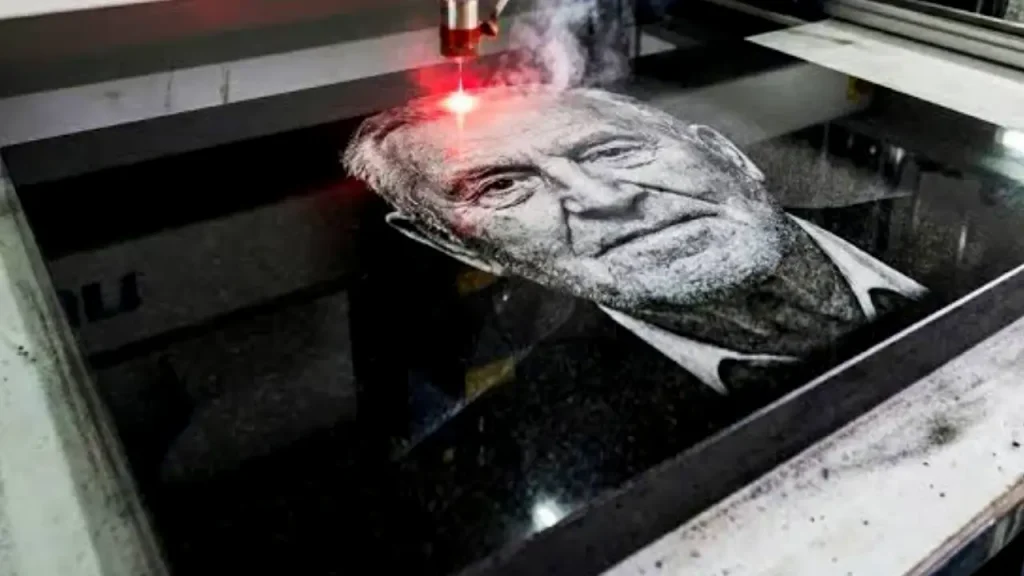
Die Lasergravur ist ein Markierungsverfahren, bei dem mithilfe eines gebündelten Laserstrahls Material von der Oberfläche eines Produkts entfernt, eingebrannt oder verändert wird. Anders als beim UV-Druck, bei dem Tinte aufgetragen wird, verändert die Lasergravur das Material physikalisch. Das Ergebnis ist in der Regel eine dauerhafte Markierung mit einem natürlichen, strukturierten oder kontrastreichen Erscheinungsbild.
Wie funktioniert die Lasergravur?
Beim Lasergravieren folgt der Laserstrahl einem programmierten Muster und entfernt oder verändert ausgewählte Bereiche der Oberfläche präzise. Die Leistung, Geschwindigkeit, Frequenz und der Fokus des Lasers können je nach Material und gewünschter Gravurtiefe angepasst werden.
- Oberflächenmodifizierung: Wir nutzen Laserenergie, um einen genau definierten Bereich des Materials zu entfernen oder zu verändern und so dauerhafte Schriftzüge, Logos, Muster, Zahlen oder dekorative Motive zu erzeugen.
- Präzise digitale Steuerung: Lasergravurgeräte können computergenerierte Vorlagen präzise nachbilden, sodass wir detaillierte Logos, Seriennummern, Barcodes und individuelle Designs reproduzieren können.
- Dauerhafte Kennzeichnung: Da bei der Lasergravur die Oberfläche physikalisch verändert wird und nicht lediglich Tinte aufgetragen wird, weist die fertige Markierung in der Regel eine hervorragende Beständigkeit gegen Abrieb, Abblättern und das Entfernen der Markierung auf.
Welche Materialien lassen sich mit Lasergravur bearbeiten?
Lasergravuren werden häufig auf Holz, Acryl, Leder, beschichteten Metallen, Edelstahl, Glas, Kunststoffen und anderen geeigneten Materialien angefertigt. Die Wahl des geeigneten Lasertyps und der richtigen Einstellungen hängt stark vom Untergrund ab.
- Holz: Durch die Lasergravur lassen sich ansprechende, natürlich wirkende Muster, Logos und Schriftzüge erzeugen, indem eine kontrollierte Schicht von der Holzoberfläche abgetragen wird.
- Metall: Geeignete Lasersysteme können Metallprodukte markieren oder gravieren und so dauerhafte Kennzeichnungen, Logos, Seriennummern und technische Angaben anbringen.
- Leder und Acryl: Mit der Lasergravur lassen sich detaillierte Ziermuster und individuelle Motive auf geeigneten Leder- und Acrylprodukten anbringen.
UV-Druck vs. Lasergravur
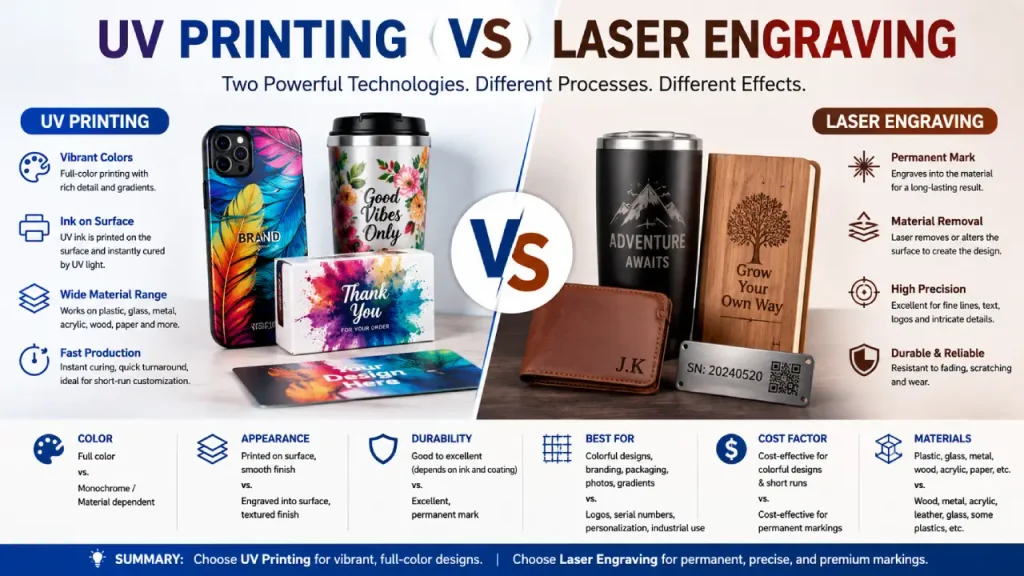
Sowohl beim UV-Druck als auch bei der Lasergravur lassen sich Produkte individuell gestalten, doch sind diese Verfahren nicht austauschbar. Beim UV-Druck wird eine ausgehärtete Tinte auf die Oberfläche aufgetragen, während bei der Lasergravur das Material selbst verändert wird.
Beim Vergleich der beiden Technologien empfehlen wir, Aspekte wie Optik, Materialverträglichkeit, Haltbarkeit, Anpassungsmöglichkeiten und Produktionsanforderungen zu berücksichtigen.
1. Druckverfahren
Der grundlegende Unterschied besteht darin, wie die jeweilige Technologie das Motiv erzeugt. Beim UV-Druck wird Tinte auf die Oberfläche aufgetragen und mit ultraviolettem Licht ausgehärtet. Bei der Lasergravur wird mithilfe gebündelter Laserenergie Material physikalisch abgetragen oder verändert.
- UV-Druck: Wir tragen UV-härtende Tinte auf die Oberfläche auf, wodurch wir farbenfrohe Kunstwerke, Fotos, Farbverläufe, Logos und detailreiche Grafiken reproduzieren können.
- Lasergravur: Wir nutzen Laserenergie, um Material zu entfernen oder zu verändern, wodurch eine Markierung entsteht, die in die Oberfläche integriert ist und nicht nur auf ihr aufliegt.
2. Farbe und Aussehen
Der UV-Druck bietet in der Regel deutlich mehr Flexibilität, wenn ein Projekt mehrere Farben, fotografische Bilder, Farbverläufe oder komplexe Markenelemente erfordert. Bei der Lasergravur entsteht meist ein einfarbiges oder vom Material abhängiges Erscheinungsbild.
- UV-Druck: Wir können verschiedene Druckfarben, weiße Tinte und andere Druckeffekte einsetzen, um lebendige und optisch anspruchsvolle Verpackungsdesigns zu gestalten.
- Lasergravur: Das endgültige Erscheinungsbild hängt vom Ausgangsmaterial, der Gravurtiefe und den Lasereinstellungen ab, wodurch ein eher natürlicher, industrieller oder hochwertiger Gravureffekt entsteht.
3. Materialverträglichkeit
Beide Technologien eignen sich für eine Vielzahl von Bedruckstoffen, unterscheiden sich jedoch in ihrer Kompatibilität. Der UV-Druck ist besonders attraktiv, wenn Unternehmen farbenfrohe Dekorationen auf unterschiedlichen Verpackungsmaterialien benötigen.
- UV-Druck: Wir können auf viele starre und halbstarre Materialien drucken, darunter Kunststoff, Acryl, Glas, Metall, Holz sowie Verpackungsmaterialien, sofern diese entsprechend vorbereitet sind.
- Lasergravur: Wir wählen den Lasertyp entsprechend dem Material aus; zu den gängigen Anwendungsbereichen zählen Holz, Acryl, Leder, beschichtete Metalle, Glas und geeignete Kunststoffe.
4. Haltbarkeit
Die Haltbarkeit hängt vom Material, der Ausrüstung, der Tinte, der Beschichtung und dem Verwendungszweck ab. Die beiden Verfahren weisen jedoch unterschiedliche Verschleißbeständigkeit auf, da beim UV-Druck eine ausgehärtete Tintenschicht aufgebracht wird, während bei der Lasergravur das Substrat verändert wird.
- UV-Druck: Wir erzeugen Oberflächen mit ausgehärteter Tinte, die sich durch eine gute Beständigkeit gegen Berührungen und alltägliche Abnutzung auszeichnen. Wenn die Verpackung einen erhöhten Schutz erfordert, können zusätzliche Beschichtungen in Betracht gezogen werden.
- Lasergravur: Die Markierung wird physisch in oder auf dem Material angebracht, sodass keine herkömmliche Farbbeschichtung vorhanden ist, die sich ablösen könnte. Daher eignet sich die Gravur für eine dauerhafte Kennzeichnung.
5. Gestaltungsflexibilität und Kosten
Der UV-Druck eignet sich in der Regel besser für farbenfrohe, sehr auffällige Designs, während die Lasergravur vor allem für dauerhafte, minimalistische Markierungen attraktiv ist. Die Produktionskosten variieren je nach Ausrüstung, Material, Komplexität des Designs, Stückzahl und Bearbeitungszeit.
- UV-Druck: Wir empfehlen den UV-Druck, wenn Ihre Verpackung farbenfrohes Branding, detaillierte Grafiken, Produktinformationen oder optisch ansprechende Motive benötigt.
- Lasergravur: Wir empfehlen die Gravur, wenn Sie dauerhafte Logos, Seriennummern, Texte, Muster oder eine unverwechselbare, gravierte Optik ohne Druckfarbe benötigen.
Hier ist eine Tabelle, die die Unterschiede zwischen UV-Druck und Lasergravur veranschaulicht
| Vergleichsaspekt | UV-Druck | Lasergravur |
|---|---|---|
| Grundlegender Ablauf | Fügt UV-Tinte hinzu und härtet sie aus | Entfernt oder verändert Material |
| Farboptionen | Hervorragend, in verschiedenen Farben erhältlich | In der Regel durch das Material begrenzt |
| Bilddetails | Hervorragend geeignet für Grafiken und Bilder | Hervorragend geeignet für Linien und Text |
| Oberflächeneffekt | Bedruckte Fläche | Gravierte oder markierte Oberfläche |
| Dauerhaftigkeit | Gut bis ausgezeichnet, je nach Tinte und Beschichtung | Hervorragend geeignet für dauerhafte Markierungen |
| Materialauswahl | Kunststoff, Glas, Metall, Holz, Acryl usw. | Holz, Metall, Acryl, Leder, Glas usw. |
| Am besten für | Farbenfrohes Branding und farbenfrohe Verpackungen | Dauerhafte Markierungen und hochwertige Gravuren |
| Personalisierung | Äußerst flexibel | Äußerst präzise |
| Überlegungen zur Produktion | Ideal für farbenfrohe digitale Designs | Wirksam bei dauerhaften Flecken |
| Typisches Erscheinungsbild | Lebhaft, farbenfroh, geschmeidig | Natürlich, strukturiert oder kontrastreich |
Vorteile des UV-Drucks
Der UV-Druck hat sich für individuell gestaltete Verpackungen zunehmend bewährt, da er digitale Flexibilität mit hochwertigen optischen Ergebnissen verbindet. Wir können farbenfrohe Designs erstellen, ohne dass herkömmliche Druckplatten erforderlich sind. Dadurch eignet sich diese Technologie besonders für maßgeschneiderte Produkte, Kleinserien, Prototypen und Verpackungen, bei denen eine detaillierte Markenpräsentation gefragt ist.
- Lebendiges Branding: Wir können Logos, Grafiken, Produktinformationen und farbenfrohe Illustrationen mit starker visueller Wirkung reproduzieren.
- Individuelle Anpassung bei kleinen Auflagen: Der digitale UV-Druck ermöglicht die Herstellung individueller Designs, ohne dass herkömmliche Druckplatten angefertigt werden müssen.
- Schnelle Aushärtung: UV-Licht härtet die Tinte sofort aus, was zur Steigerung der Produktionseffizienz beiträgt und die Wartezeit zwischen Druck und Weiterverarbeitung verkürzt.
- Premium-Effekte: Mithilfe von Effekten wie Weißdruck und Mehrfachdruck lassen sich auf geeigneten Verpackungsoberflächen unverwechselbare visuelle Effekte erzielen.
Vorteile der Lasergravur
Die Lasergravur ist besonders dann von großem Nutzen, wenn Beständigkeit, Präzision und eine unverwechselbare Oberflächenbeschaffenheit wichtiger sind als vollfarbige Grafiken. Da bei diesem Verfahren das Substrat selbst verändert wird, wird es häufig für Kennzeichnungen, Personalisierungen, industrielle Markierungen und Premiumprodukte eingesetzt.
- Dauerhafte Kennzeichnung: Gravierte Motive werden Teil der Materialoberfläche und eignen sich daher für eine dauerhafte Produktkennzeichnung.
- Hohe Präzision: Wir können kleine Schriftzüge, detaillierte Logos, Seriennummern, Muster und andere präzise Designs erstellen.
- Keine herkömmliche Tinte: Bei der Lasergravur ist keine herkömmliche Druckfarbschicht erforderlich, was für bestimmte industrielle und hochwertige Anwendungen von Vorteil sein kann.
- Unverwechselbares Erscheinungsbild: Die gravierte Oberfläche kann ein haptisch ansprechendes und edles Erscheinungsbild vermitteln, das sich mit herkömmlichen Druckverfahren nur schwer nachbilden lässt.
Wie entscheidet man sich für UV-Druck oder Lasergravur?
Die Wahl der richtigen Technologie hängt in erster Linie von Ihrem Produkt, dem Material, dem Design, den Anforderungen an die Haltbarkeit und dem gewünschten Erscheinungsbild ab. Es gibt keinen universellen Sieger zwischen UV-Druck und Lasergravur. Wir empfehlen, die Veredelungsmethode auf den tatsächlichen Verwendungszweck Ihrer Verpackung oder Ihres Produkts abzustimmen, anstatt die Entscheidung allein anhand der Anschaffungskosten für die Anlagen zu treffen.
- Entscheiden Sie sich für den UV-Druck, wenn Sie farbenfrohe Designs wünschen: Wenn Ihre Verpackungen mehrere Farben, Fotos, Farbverläufe, detaillierte Grafiken oder ein auffälliges Branding erfordern, ist der UV-Druck in der Regel die bessere Wahl.
- Entscheiden Sie sich für eine Lasergravur, wenn es auf Dauerhaftigkeit ankommt: Wenn Sie Wert auf dauerhafte Beschriftungen, Seriennummern, Logos oder Kennzeichnungen legen, bietet die Lasergravur eine hervorragende Langzeitbeständigkeit.
- Betrachten Sie das Material: Prüfen Sie vor Produktionsbeginn, ob das von Ihnen gewählte Substrat mit der Druckfarbe oder dem Lasersystem kompatibel ist. Auch die Oberflächenbehandlung kann das Endergebnis beeinflussen.
- Berücksichtigen Sie die Produktionsmenge: Der UV-Druck eignet sich besonders für die digitale Individualisierung und kleine bis mittlere Auflagen, während die Lasergravur bei sich wiederholenden Markierungen und Kennzeichnungen äußerst effizient sein kann.
- Berücksichtigen Sie den Stil Ihrer Marke: Der UV-Druck sorgt für ein farbenfrohes und auffälliges Erscheinungsbild, während die Lasergravur ein natürlicheres, dezenteres, technisches oder hochwertiges Finish bietet.
UV-Druck oder Lasergravur: Was ist besser?
UV-Druck und Lasergravur dienen unterschiedlichen Zwecken. Der UV-Druck ist die bessere Wahl, wenn Sie farbenfrohe, detailreiche und optisch ansprechende Designs benötigen, während sich die Lasergravur besser für dauerhafte Markierungen, präzise Kennzeichnungen und unverwechselbare gravierte Oberflächen eignet.
Unter Berücksichtigung von Materialverträglichkeit, Konstruktionskomplexität, Haltbarkeit, Stückzahl und Budget können Sie die für Ihre Anwendung am besten geeignete Technologie auswählen.
Wenn Sie auf der Suche nach attraktiven, langlebigen und individuell gestaltbaren Verpackungen sind, Wir bieten UV-Druck-Verpackungslösungen im Großhandel für verschiedene Produkte und Markenanforderungen an.. Kontaktieren Sie uns, um Ihre Verpackungsgröße, das Material, die Druckvorlage, die Druckanforderungen und die Bestellmenge zu besprechen – wir helfen Ihnen gerne dabei, eine passende Lösung für Ihr Unternehmen zu finden.
 Deutsch (Sie)
  English
  العربية
  Español
  Français
  日本語
日本語  한국어
한국어  Italiano